Subtotal $0.00


Medova is a convenience services to the adaptability, Spacious modern villa living room with centrally placed swimming pool blending indooroutdoor
Medova is a convenience services to the adaptability, Spacious modern villa living room with centrally placed swimming pool blending indooroutdoor
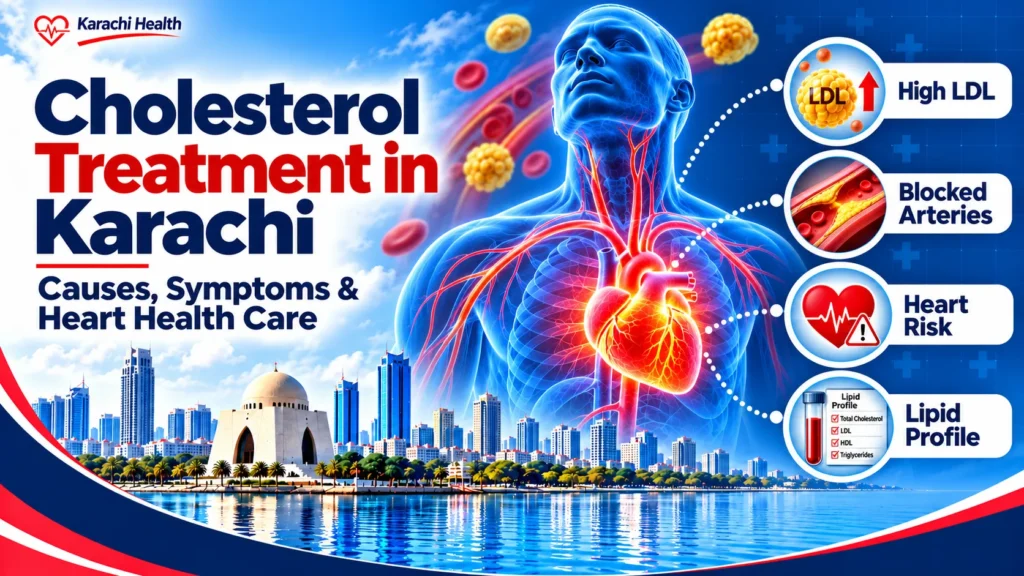
Cholesterol is a waxy, fat-like substance found in your blood. Your body needs it to build cells and make certain hormones. Your liver makes the cholesterol your body needs. You also get cholesterol from some foods.
High cholesterol occurs when unhealthy levels of cholesterol or other fats build up in the blood. Over time, excess LDL cholesterol can collect inside artery walls. This may cause plaque to form and narrow the arteries. Doctors call this condition atherosclerosis.
Narrow arteries can reduce blood flow to vital organs. If a plaque ruptures and a blood clot forms, it may cause a heart attack or stroke.
A cholesterol blood test measures different types of fats. Each plays a role in your health.
Type | What it means | Why it matters |
LDL cholesterol | Often called bad cholesterol | High levels can increase plaque buildup |
HDL cholesterol | Often called good cholesterol | Helps transport cholesterol back to the liver |
Triglycerides | A type of fat used for energy storage | High levels can raise health risks |
Total cholesterol | Combined measure of cholesterol in the blood | Helps assess your lipid profile |
A healthy cholesterol level is not the same for everyone. Your ideal LDL level depends on your age, medical history, and overall risk of heart disease. For example, someone who has had a heart attack may need a much lower LDL level than someone with no other risk factors.
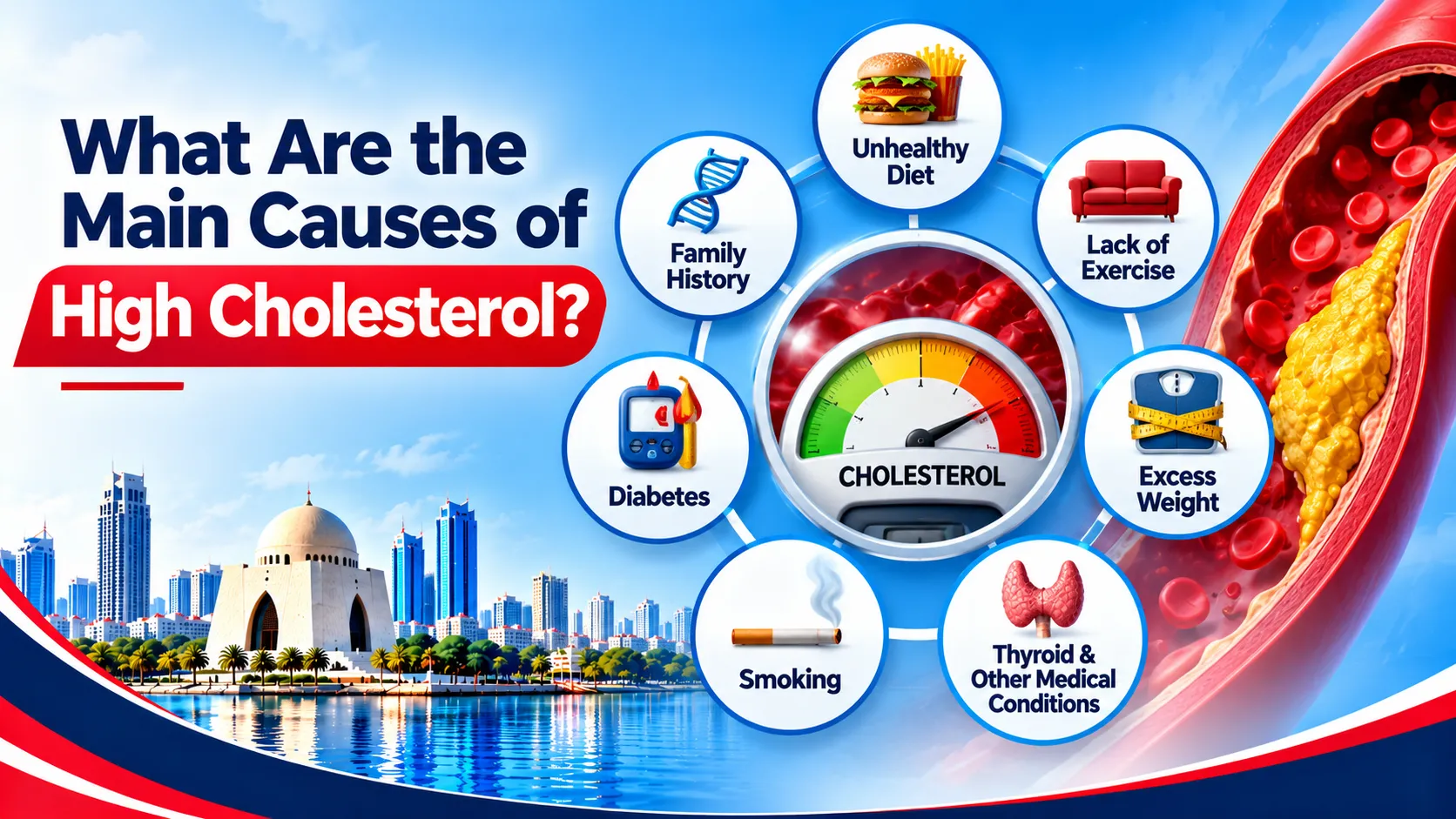
High cholesterol often develops due to a mix of lifestyle habits, inherited factors, and medical conditions. Many people in Karachi eat meals that contain large amounts of oil, ghee, fried foods, or processed ingredients. These foods may increase cholesterol when consumed often, especially if they contain high amounts of saturated or trans fats.
However, food is not the only cause.
Age can also play a role. Cholesterol levels may rise as people grow older. Still, young adults can develop high cholesterol, especially if they have diabetes, obesity, or a strong family history.
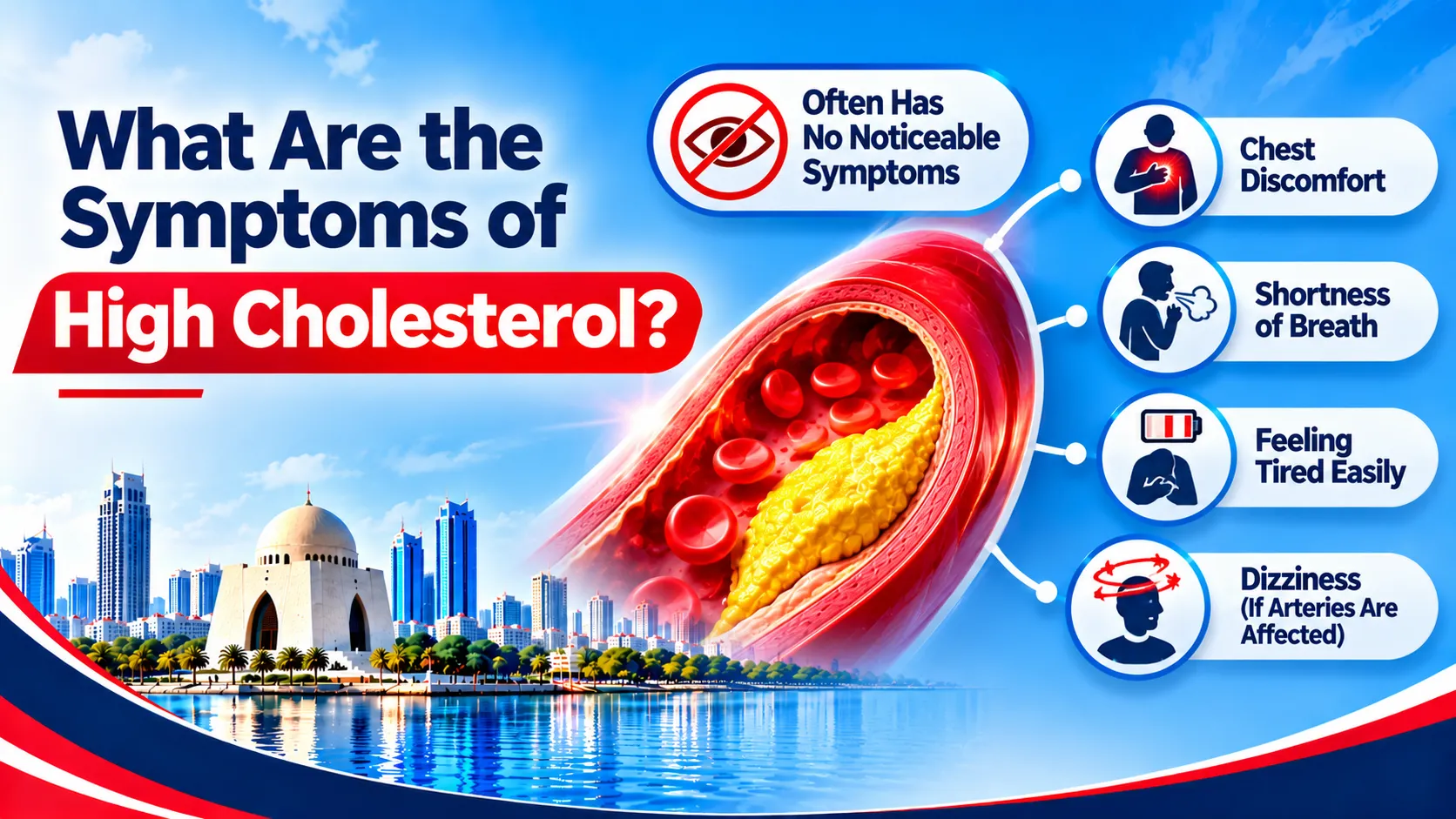
High cholesterol usually has no symptoms. A person may feel completely healthy while their LDL cholesterol remains high. This is why doctors often describe high cholesterol as a silent health risk.
You cannot confirm high cholesterol through headaches, dizziness, fatigue, or body pain. These symptoms have many possible causes and are not reliable signs of high cholesterol. In rare cases, people with inherited cholesterol disorders may develop fatty deposits around their tendons or skin.
High cholesterol itself rarely causes sudden symptoms. However, cardiovascular disease linked to cholesterol buildup can cause serious medical emergencies.
Seek emergency care if you develop sudden chest pressure, severe shortness of breath, facial drooping, weakness on one side of the body, or difficulty speaking.
Do not wait for a routine cholesterol appointment if these symptoms occur. The safest way to detect high cholesterol before complications develop is through a blood test.
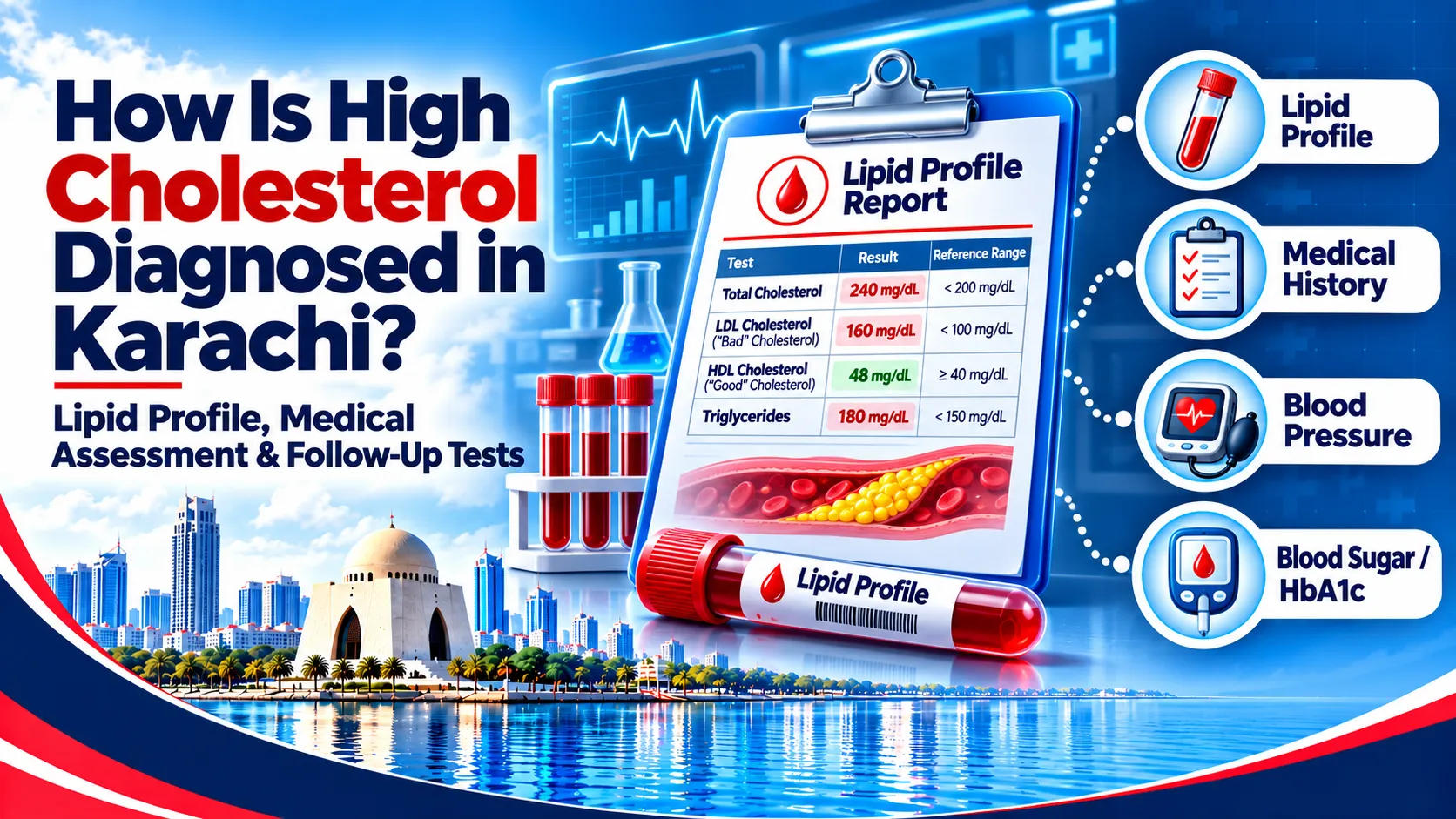
Doctors usually diagnose high cholesterol through a blood test called a lipid profile or lipid panel. This simple test measures total cholesterol, LDL cholesterol, HDL cholesterol, and triglycerides.
You may not need to fast before every cholesterol test. However, your physician may request a fasting sample in certain situations, such as when triglycerides are high.
Your doctor may review your eating habits, activity level, family history, blood pressure, and current medicines. The consultation may also include a discussion about diabetes, smoking, weight, and any previous heart problems.
Depending on your health, the doctor may recommend blood sugar tests, HbA1c, thyroid tests, kidney function tests, or further cardiovascular assessment.
The 2026 cholesterol guidelines also support checking lipoprotein(a), known as Lp(a), at least once in adulthood. This can help identify inherited cardiovascular risk. Some patients may benefit from additional testing, such as apolipoprotein B (ApoB). Not everyone needs advanced testing. Your physician can decide which tests are useful for you.
The best cholesterol treatment depends on your test results and overall heart health. High Cholesterol Treatment in Karachi usually involves a combination of lifestyle changes, medical assessment, and prescription medicines when appropriate. There is no single treatment plan that works for every patient.
Diet is one of the most important parts of cholesterol management. You do not need to stop eating every food you enjoy. Small changes to your daily meals can make a real difference.
For example, replace frequent fried snacks with fruit, plain yogurt, or a small portion of unsalted nuts. Choose lentils, beans, vegetables, oats, and whole grains more often. Reduce foods high in saturated fat, such as fatty meat, butter, and excess ghee.
When cooking Pakistani meals, control the amount of oil you use. Choose unsaturated oils in moderate amounts. Also pay attention to portion sizes. Even home-cooked meals can be high in calories if portions are too large.
Exercise helps improve cardiovascular health and supports weight control. Many adults can aim for at least 150 minutes of moderate physical activity each week. A brisk 30-minute walk on five days of the week is one practical option.
You can walk in a park, exercise at home, or use an indoor space during Karachi’s hot weather. If you have heart disease, joint problems, or another serious illness, discuss a safe exercise plan with your doctor.
Losing excess body weight can improve several metabolic risk factors. A healthy routine also includes better sleep, reduced stress, and avoiding tobacco. These habits support cholesterol control and may help manage blood pressure and blood sugar.
Some people need medicines even when they follow a healthy lifestyle. Statins are commonly used to reduce LDL cholesterol and lower cardiovascular risk. Examples include atorvastatin and rosuvastatin. The right medicine and dose depend on your health and medical history.
Other options may include ezetimibe, bempedoic acid, or injectable PCSK9 inhibitors for selected patients. Certain medicines target high triglycerides rather than LDL cholesterol.
Never start, stop, or change cholesterol medicine without medical advice. Possible side effects should be discussed with a qualified physician. If you develop unusual muscle symptoms or other concerns, report them rather than stopping treatment on your own.
High cholesterol often occurs with other metabolic health problems. Metabolic disorders affect how the body processes energy, sugar, and fats. Common examples include type 2 diabetes, insulin resistance, and certain lipid disorders.
People with insulin resistance may have high triglycerides, low HDL cholesterol, and other changes in blood fats. This combination can increase cardiovascular risk.
Metabolic syndrome describes a group of related risk factors. These include increased waist size, high blood pressure, high blood sugar, high triglycerides, and low HDL cholesterol. A person may have metabolic syndrome when at least three of these risk factors are present, based on the diagnostic criteria used.
This is why Metabolic Disorders Treatment in Karachi often requires more than a cholesterol test. A physician may need to evaluate blood sugar, blood pressure, weight, waist size, and other medical concerns.
For example, a patient with high LDL cholesterol and diabetes may need both cholesterol-lowering medicine and better blood sugar control. Treating these conditions together helps address overall cardiovascular risk.
You should consider medical consultation if your cholesterol levels are high or you have risk factors for cardiovascular disease. You may also need assessment if you have diabetes, high blood pressure, kidney disease, or a family history of early heart attacks.
A person with an LDL cholesterol level of 190 mg/dL or higher needs prompt medical assessment because this may suggest a severe cholesterol disorder.
Yes. A qualified Consultant Physician can assess and manage many patients with high cholesterol and related chronic conditions. A physician can review lipid profile results, check other risk factors, recommend lifestyle changes, and prescribe treatment within their clinical scope.
Some patients need further care from a cardiologist, endocrinologist, or lipid specialist. Referral may be useful when cholesterol is difficult to control, inherited cholesterol disease is suspected, or serious cardiovascular complications are present. The goal is to choose the right level of care for each patient.
Lifestyle changes can help reduce unhealthy cholesterol levels. However, they may not replace medicine in people with high cardiovascular risk. A few practical steps can make your routine healthier:
Consistency matters more than extreme diets. For example, a person who walks regularly and makes gradual changes to daily meals may find it easier to maintain those habits over time. Avoid relying on home remedies or unproven supplements as a replacement for prescribed treatment.
Cholesterol treatment is not a one-time process. Your levels can change with age, weight, diet, medicines, and medical conditions. A follow-up lipid profile helps your physician check whether your treatment is working.
After starting or changing cholesterol medicine, doctors often repeat cholesterol testing within several weeks. The exact schedule depends on the treatment plan.
Patients with diabetes, heart disease, or severe lipid disorders may need closer monitoring. Regular follow-up also gives you a chance to discuss side effects, lifestyle challenges, and changes in your health.
Choosing a qualified doctor matters when managing long-term health conditions. Dr. Asif Aziz Sahito is a Consultant Physician with more than 17 years of clinical experience, according to his official website.
His stated areas of medical care include diabetes management, blood pressure and heart health support, thyroid care, and preventive consultations. These services are relevant to patients who need a broader review of cardiovascular and metabolic risk factors.
Patients seeking a cholesterol assessment can contact the clinic to confirm consultation availability and discuss whether their condition can be managed there or requires a specialist referral.
NCCI/NMI Hospital, Saddar, Karachi
Monday to Friday, 3:00 PM–6:00 PM (hours listed on the official website; confirm before visiting)
0333 3156510