Subtotal $0.00


Medova is a convenience services to the adaptability, Spacious modern villa living room with centrally placed swimming pool blending indooroutdoor
Medova is a convenience services to the adaptability, Spacious modern villa living room with centrally placed swimming pool blending indooroutdoor
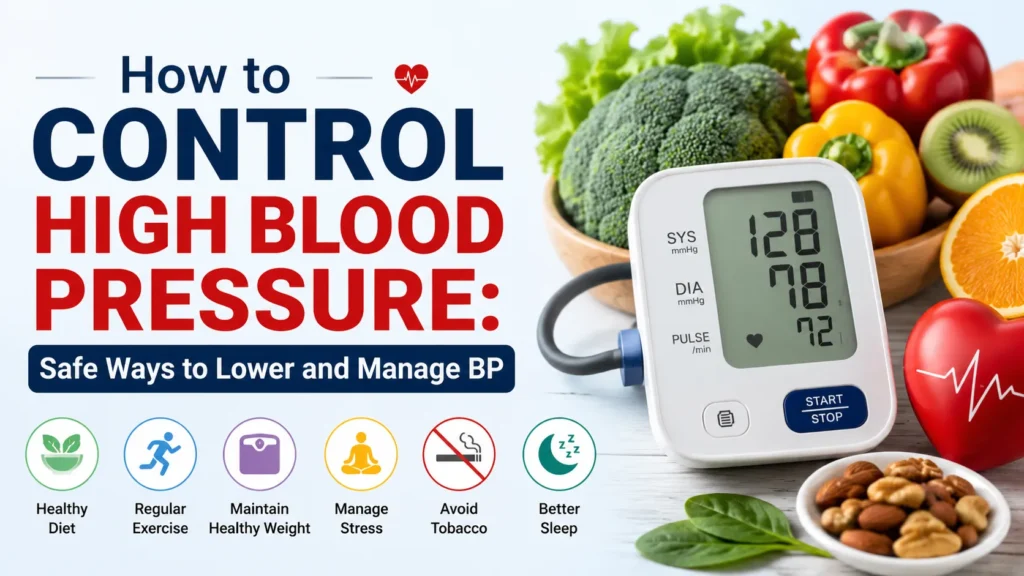
Blood pressure is the force of circulating blood against the walls of your arteries. It is recorded using two numbers. The systolic pressure, the upper number, represents pressure when the heart contracts. The diastolic pressure, the lower number, represents pressure when the heart rests between beats. For example, a reading may be written as 135/85 mmHg.
Blood-pressure thresholds are not identical across every international guideline. For example, some guidelines classify hypertension beginning at 130/80 mmHg, while WHO uses persistent readings of 140/90 mmHg or higher for its general diagnostic definition.
What matters is that blood pressure should be assessed from properly taken measurements and interpreted according to your overall health and your clinician’s guidance. Hypertension often produces no obvious symptoms. That is one reason regular measurement is important.
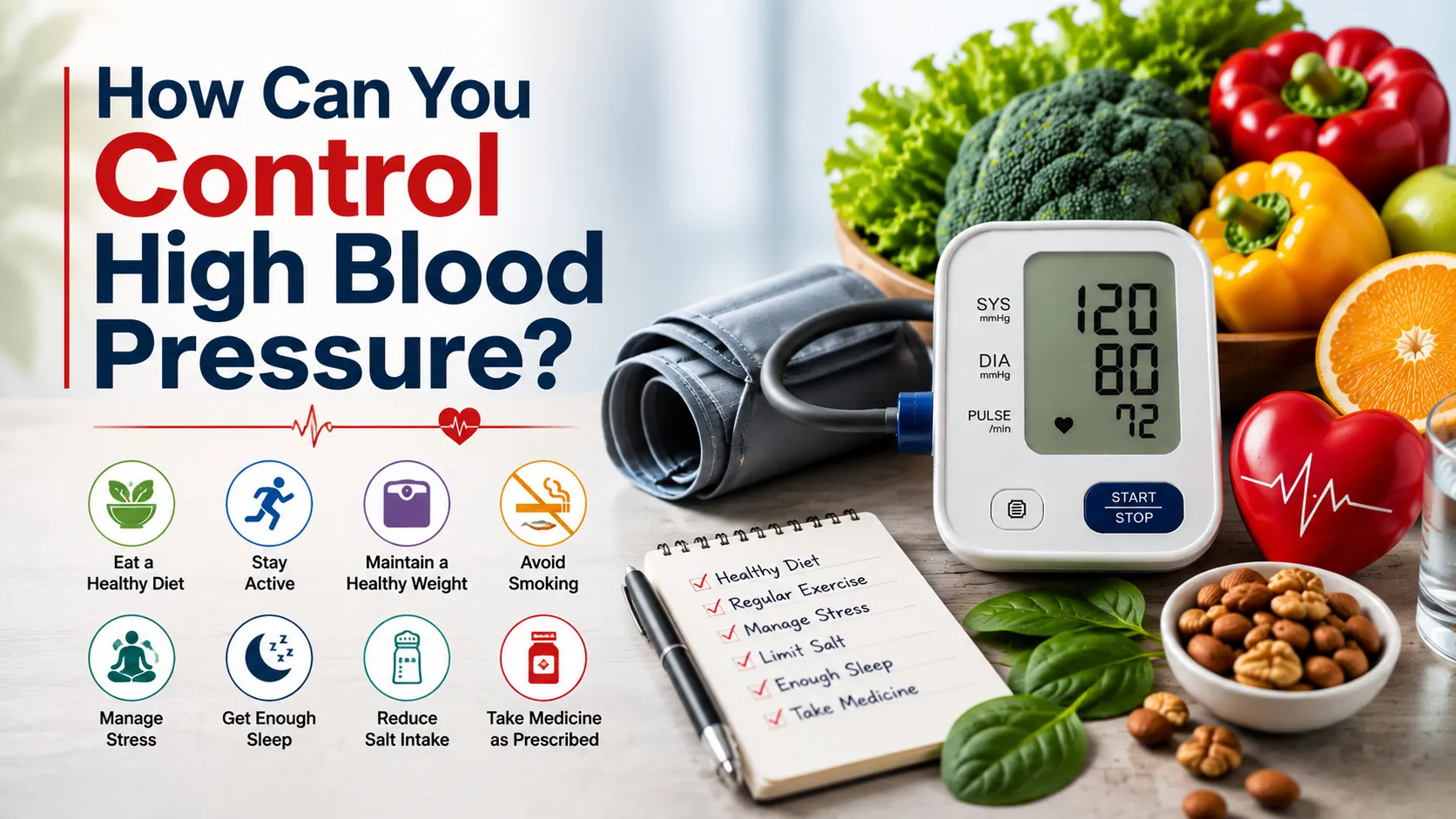
The most reliable way to control hypertension is to combine healthy daily habits with appropriate medical treatment. For most people, the core strategy includes:
Lifestyle measures are important even when medication is required. They work together rather than competing with each other.
No established medical treatment can permanently cure chronic high blood pressure in three minutes.
Searches for “how to cure high blood pressure in 3 minutes” often lead to breathing exercises, drinks, supplements, or internet “hacks.” Some relaxation techniques may temporarily help you become calmer, but that is very different from curing hypertension.
Hypertension usually develops through a combination of factors such as genetics, age, diet, body weight, physical activity, kidney function, medications, and other health conditions.
Managing those factors takes time. If anxiety or recent activity has temporarily raised your reading, sitting quietly may result in a lower measurement when you check again. That does not mean hypertension has been cured.
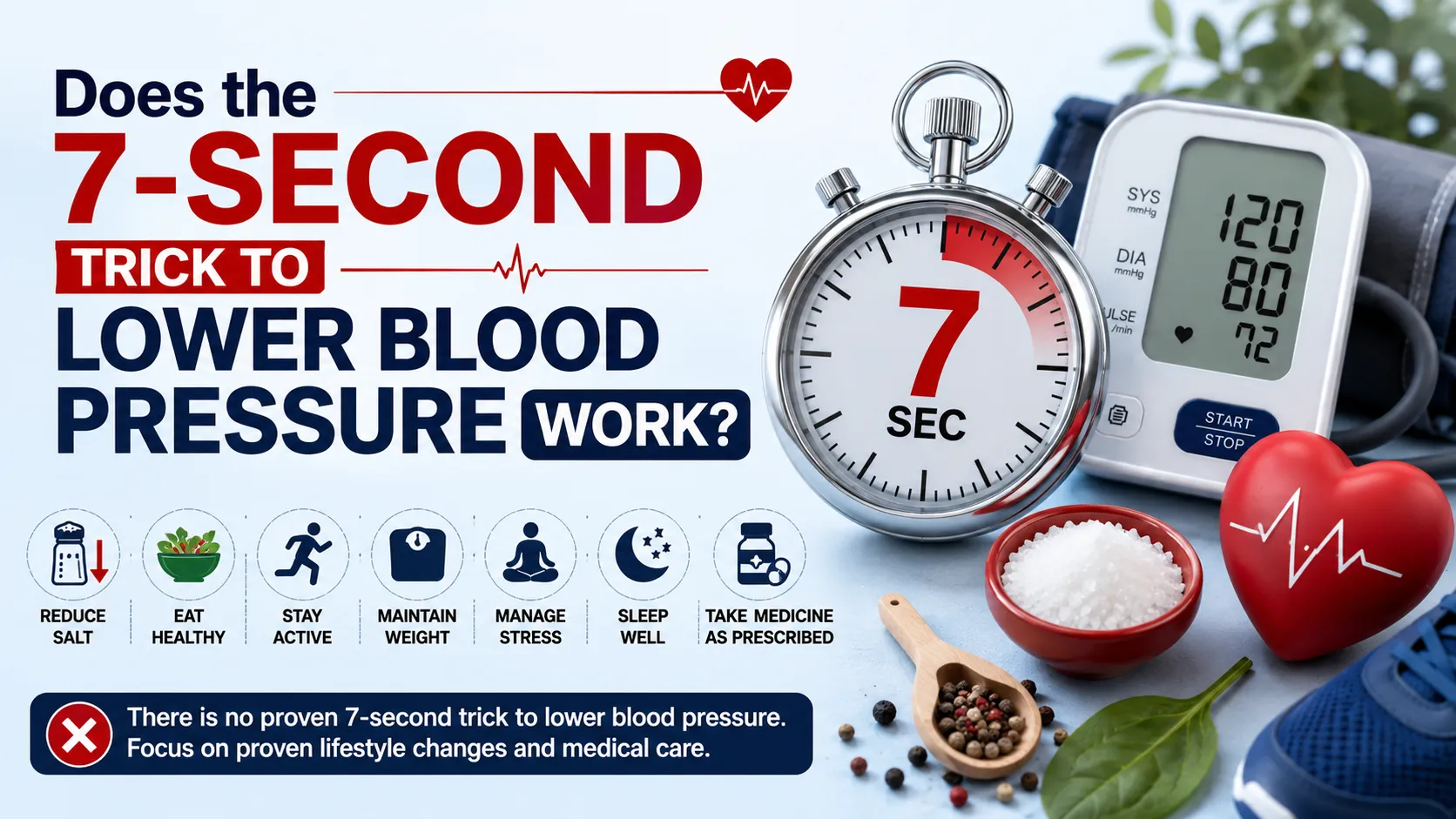
There is no scientifically established seven-second trick that safely treats chronic high blood pressure.
Deep breathing, relaxation, or changing your position may affect heart rate or a particular reading in some circumstances, but these techniques should not replace medical assessment or prescribed treatment.
Be particularly cautious about social-media videos promising that pressing a body point, holding your breath, drinking a particular mixture, or performing one exercise can immediately cure hypertension. A more useful approach is to focus on habits with established cardiovascular benefits.
If you receive an unexpectedly high reading but otherwise feel well, first make sure the measurement is accurate. Sit quietly for about five minutes. Keep your back supported and feet on the floor. Do not cross your legs. Rest your arm at approximately heart level and avoid talking during the measurement.
Then repeat the reading according to the instructions for your blood pressure monitor. Do not attempt to force your blood pressure down rapidly using extra medication, supplements, extreme exercise, or home remedies unless a healthcare professional has specifically instructed you to do so.
A reading above 180 systolic and/or above 120 diastolic mmHg is severely elevated and requires prompt attention.
If a repeat measurement remains this high, seek medical guidance promptly. If it is accompanied by concerning symptoms, particularly chest pain, shortness of breath, neurological symptoms such as weakness or difficulty speaking, confusion, or significant vision changes, seek emergency medical care.
Do not wait for food, water, breathing exercises, or another home remedy to solve a possible medical emergency.
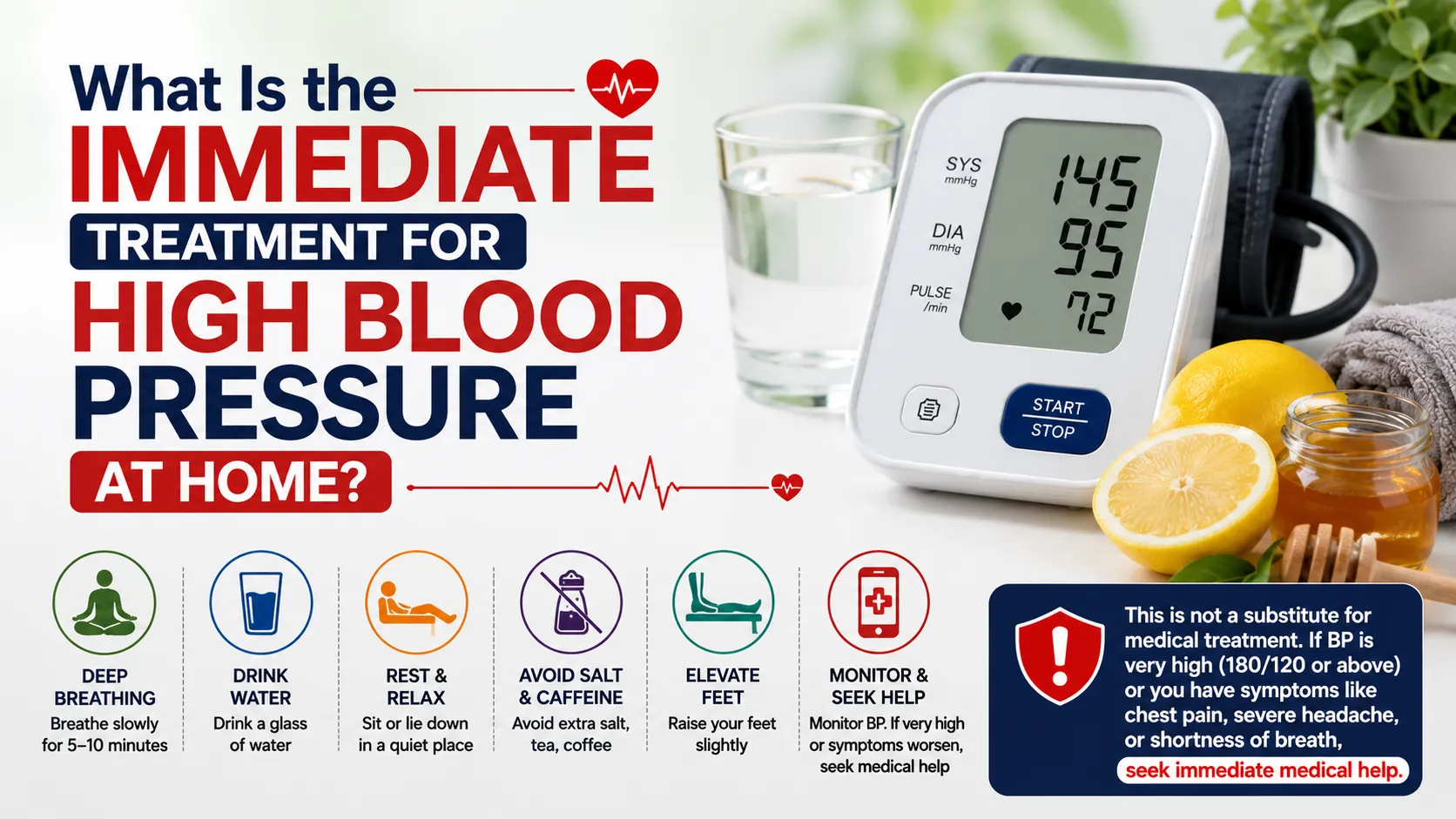
There is no universal home treatment that safely lowers severely elevated blood pressure immediately. If you have an elevated reading and no emergency symptoms, reasonable initial steps include resting quietly, repeating the measurement correctly, recording the result, and following the treatment plan your healthcare provider has already given you.
If you take prescribed hypertension medication, take it according to your prescribed schedule. Do not double a dose or take someone else’s medicine because your reading is high. The appropriate treatment depends on why the pressure is elevated, how high it is, your existing medications, and whether there is evidence of an acute medical problem.
A blood-pressure emergency is not something to treat with household remedies. Extremely high blood pressure can sometimes be associated with acute injury to the heart, brain, kidneys, eyes, or blood vessels.
Seek emergency medical care for severely elevated blood pressure accompanied by symptoms such as:
The important point is not to spend valuable time searching online for an instant BP-lowering remedy when symptoms suggest a possible medical emergency.
Situation | Practical response |
One mildly elevated reading | Rest, check your technique and repeat the measurement |
Repeatedly elevated readings | Record readings and arrange medical assessment |
Known hypertension | Continue your prescribed treatment and lifestyle plan |
Missed medication | Follow your clinician/pharmacist instructions; do not automatically double the dose |
Very high BP above 180/120 | Repeat appropriately and seek prompt medical guidance |
Very high BP with concerning symptoms | Seek emergency medical care |
Long-term BP control | Diet, exercise, weight management, monitoring, and prescribed medication when needed |
Diet can have a meaningful effect on long-term blood pressure control. One of the best-studied approaches is the DASH diet, or Dietary Approaches to Stop Hypertension. It emphasizes vegetables, fruits, whole grains, beans, nuts, fish, poultry, and low-fat dairy while limiting foods high in saturated fat, added sugar, and sodium.
A practical diet can include:
These foods provide nutrients such as potassium, magnesium, calcium, fiber, and protein that fit well within a heart-healthy dietary pattern. The goal is not to find one magical food. The overall eating pattern matters much more.
No ordinary food should be considered an emergency treatment for dangerously high blood pressure. However, certain foods can be valuable as part of a diet designed to improve blood pressure over time. Examples include leafy vegetables, beans, lentils, fruits, whole grains, unsalted nuts, and low-fat dairy products.
Foods naturally rich in potassium can also fit into a blood-pressure-friendly diet because potassium helps counter some of sodium’s effects. However, people with kidney disease or those taking certain medicines may need to manage potassium carefully, so large increases or potassium supplements should be discussed with a healthcare professional.
Pay particular attention to sodium. A surprisingly large amount of sodium can come from processed and restaurant foods rather than salt added at the table. Common high-sodium foods may include:
Reading nutrition labels can make sodium reduction much easier.
Excess dietary sodium can contribute to higher blood pressure, particularly in salt-sensitive individuals. WHO recommends keeping total salt intake below approximately 5 grams per day for adults, which corresponds to less than about 2 grams of sodium.
Remember that this includes salt already present in food. A useful strategy is to gradually reduce salty packaged foods and use herbs, lemon, garlic, spices, and other low-sodium flavorings instead.
There is no single drink that reliably provides immediate treatment for hypertension. For everyday hydration, water is usually an excellent choice because it contains no added sugar, sodium, or stimulants.
Your broader dietary pattern matters more than any particular drink. Some research has examined beverages such as beetroot juice because beetroot contains dietary nitrate, but these should not be treated as substitutes for prescribed hypertension treatment.
Also be cautious with “detox” drinks, herbal mixtures, and supplements advertised as natural blood pressure cures. Natural does not automatically mean safe, and some products can interact with medications.
Caffeine can temporarily raise blood pressure in some people. If you have hypertension, ask your healthcare professional whether your caffeine intake needs to be reduced, particularly if you notice that your readings rise after coffee or energy drinks.
The DASH eating plan was specifically developed around dietary patterns associated with healthier blood pressure. It emphasizes foods naturally rich in important nutrients while reducing sodium and saturated fat. A typical DASH-style pattern includes:
More often: vegetables, fruit, whole grains, beans, nuts, fish, poultry, and low-fat dairy.
Less often: heavily processed foods, fatty meats, high-saturated-fat foods, sugary drinks, and sodium-rich products.
Reducing sodium alongside the DASH pattern can provide an additional blood-pressure benefit.
Yes. Regular physical activity is an established part of hypertension prevention and management. For many adults, public-health guidance recommends at least 150 minutes of moderate-intensity aerobic activity per week, provided the activity is medically appropriate.
Walking is one of the simplest options. Other activities may include cycling, swimming, dancing, and appropriate strength training. You do not have to complete all your exercise at once. Consistent activity across the week is what matters.
If your blood pressure is severely uncontrolled or you have cardiovascular disease or concerning symptoms, discuss safe exercise with your healthcare professional before starting strenuous activity.
For people who are overweight or living with obesity, losing excess weight can help improve blood pressure and overall cardiovascular health. You do not need to pursue extreme diets.
Sustainable changes such as reducing portion sizes when appropriate, replacing heavily processed foods with whole foods, and becoming consistently active are generally more useful than crash diets. Weight management can also improve other cardiovascular risk factors.
Stress can temporarily increase blood pressure through the body’s normal stress response. Chronic stress may also indirectly make hypertension harder to manage by affecting sleep, eating habits, physical activity, tobacco use or alcohol consumption.
Helpful stress-management approaches may include regular physical activity, relaxation techniques, adequate sleep, breathing exercises, social support and addressing persistent sources of stress where possible. Breathing exercises can be useful for relaxation, but they should not be advertised as an instant cure for hypertension.
Sleep is another part of cardiovascular health that is easy to overlook. Consistently poor or insufficient sleep may make healthy blood-pressure management more difficult.
Try to maintain a regular sleep schedule and discuss persistent sleep problems with a healthcare professional. Loud snoring, choking or gasping during sleep, excessive daytime sleepiness, and resistant hypertension may warrant assessment for sleep apnea.
Some people can significantly improve their blood pressure through lifestyle changes, while others require medication as well. Common antihypertensive medication classes include:
Which medicine is appropriate depends on your blood pressure, age, other medical conditions, pregnancy status, kidney function, cardiovascular risk, and other factors. Never start, stop, or change a prescription blood pressure medicine solely because of information found online.
A normal reading while taking medication often means the treatment is working, not that hypertension has disappeared. Stopping medication without medical advice may allow blood pressure to rise again.
If you experience side effects or think your dose needs adjustment, discuss the problem with your prescribing clinician rather than discontinuing treatment independently.
Home monitoring can help show how your blood pressure behaves outside a clinic. For a more reliable reading:
Use a validated blood-pressure monitor with an appropriately sized cuff. Your healthcare professional may ask you to take multiple readings at specific times over several days rather than judging your health from one measurement.
A temporarily elevated reading can occur for many reasons. Possible factors include anxiety, emotional stress, pain, recent exercise, caffeine, nicotine, some medications, poor measurement technique, or an incorrectly sized cuff.
Persistent or markedly elevated blood pressure can also be associated with underlying medical conditions or inadequately controlled hypertension. Repeated unexplained high readings deserve medical assessment.
Arrange a medical evaluation if your blood pressure is repeatedly elevated, even if you feel completely well. Hypertension is often called a “silent” condition because many people experience no obvious warning signs.
Regular medical follow-up is especially important if you have other cardiovascular risk factors or conditions such as diabetes, kidney disease, or previous heart disease or stroke. Your healthcare professional can determine an appropriate blood-pressure target based on your overall health.