Subtotal $0.00


Medova is a convenience services to the adaptability, Spacious modern villa living room with centrally placed swimming pool blending indooroutdoor
Medova is a convenience services to the adaptability, Spacious modern villa living room with centrally placed swimming pool blending indooroutdoor
Diabetes, commonly known as sugar disease, has become one of the most serious health concerns in Pakistan. According to international health organizations, the number of people living with diabetes continues to rise every year, affecting adults, young people, and even children.
High blood sugar levels may appear harmless in the beginning, but if left untreated, diabetes can gradually damage the heart, kidneys, eyes, nerves, and blood vessels.
A qualified sugar specialist plays a critical role in helping patients understand their condition, control blood sugar levels, and reduce the risk of long-term complications. Whether you have recently been diagnosed with diabetes or have been managing it for years, professional medical guidance can make a significant difference in your overall health.
If you are searching for a Sugar Specialist Doctor in Karachi, Dr. Asif Aziz Sahito (MBBS, FCPS – Consultant Physician) provides comprehensive diabetes diagnosis, treatment, monitoring, and preventive care. His approach focuses on accurate diagnosis, personalized treatment plans, lifestyle modification, and long-term disease management to help patients live healthier lives.
A sugar specialist is a doctor who diagnoses, treats, and manages diabetes, prediabetes, insulin resistance, and blood sugar-related health conditions. The goal is to help patients maintain healthy glucose levels, prevent complications, and improve overall quality of life.
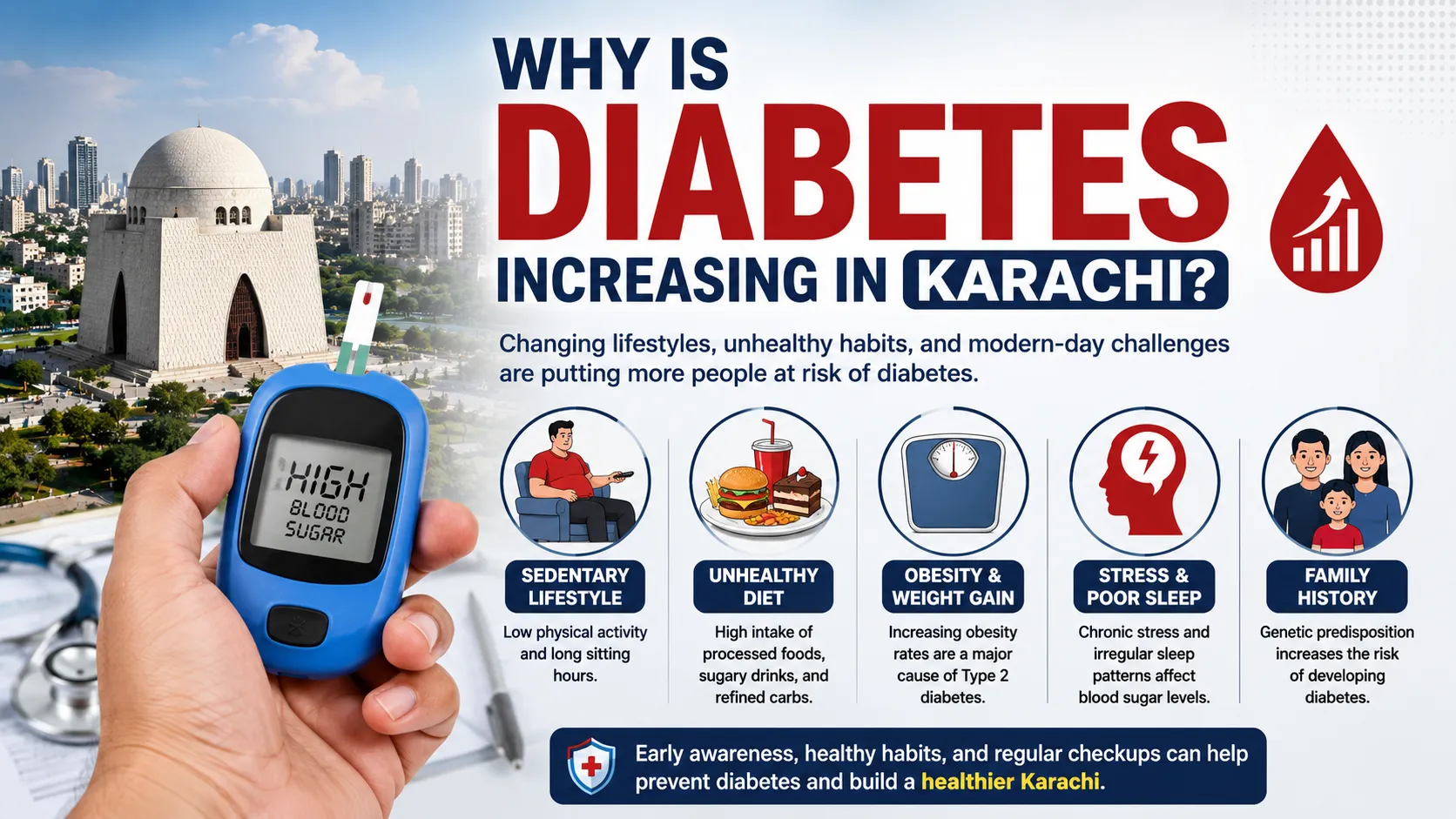
Over the last two decades, Karachi has experienced significant lifestyle changes. Many people spend long hours sitting at offices, consume processed foods regularly, experience chronic stress, and engage in limited physical activity. These factors increase the risk of obesity and insulin resistance, which are among the leading causes of Type 2 Diabetes.
Family history also plays an important role. Individuals with diabetic parents or siblings are often at a higher risk of developing the condition.
In many cases, diabetes develops slowly and silently. A person may have elevated blood sugar levels for years before symptoms become noticeable. This is one reason why routine screening is extremely important.
Diabetes is a chronic medical condition that occurs when the body cannot properly regulate blood sugar levels. This happens either because the pancreas does not produce enough insulin or because the body cannot effectively use the insulin it produces.
Insulin is a hormone that helps glucose move from the bloodstream into the body’s cells, where it is used for energy. Without proper insulin function, glucose remains in the blood, leading to high blood sugar levels.
Over time, uncontrolled blood sugar can damage important organs and increase the risk of serious health complications.
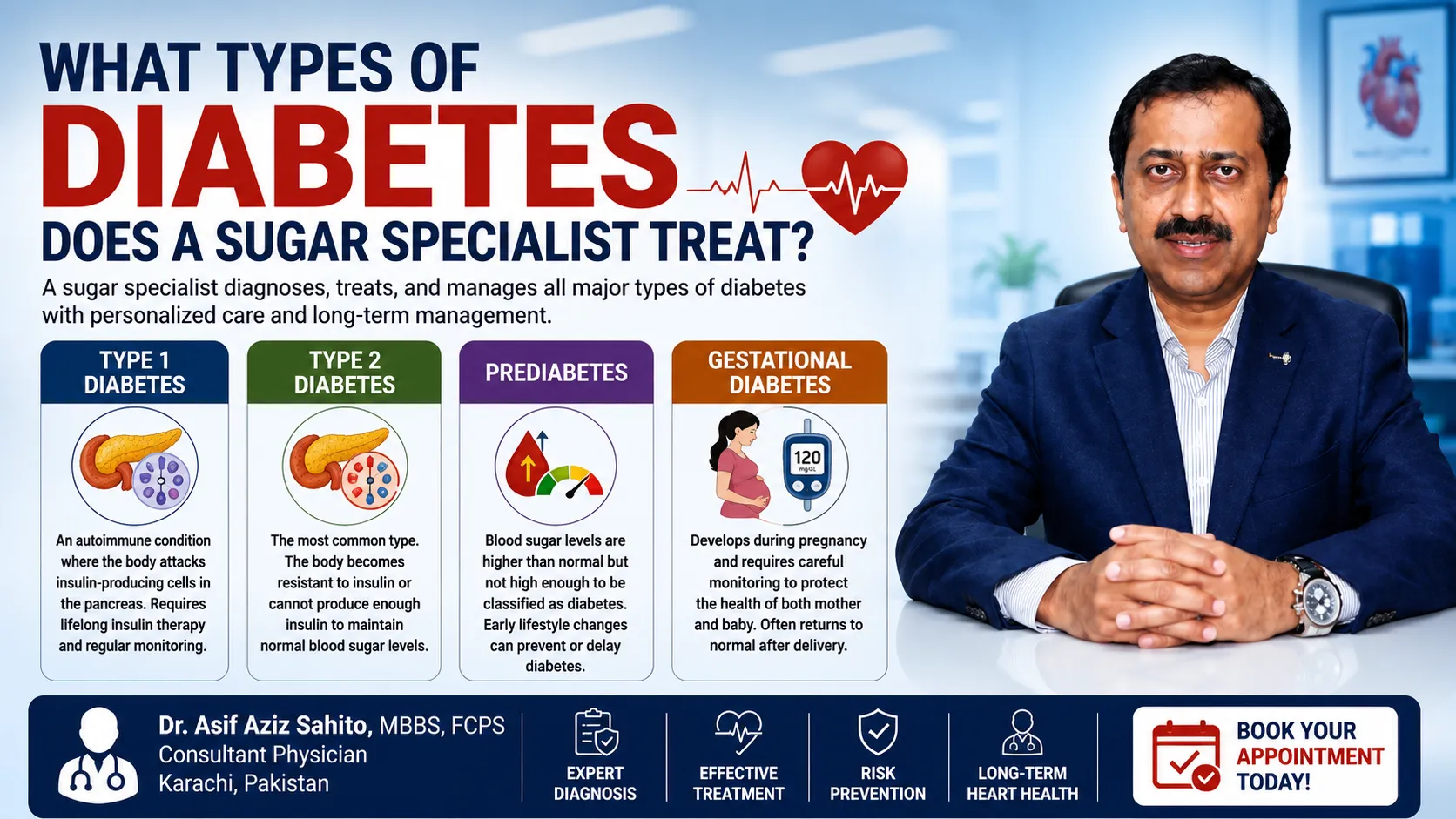
Type 1 Diabetes is an autoimmune condition in which the immune system attacks insulin-producing cells in the pancreas. Patients usually require lifelong insulin therapy and regular monitoring.
Although Type 1 Diabetes often develops during childhood or adolescence, it can occur at any age.
Type 2 Diabetes is the most common form of diabetes in Pakistan. It develops when the body becomes resistant to insulin or when the pancreas cannot produce sufficient insulin.
Many factors contribute to Type 2 Diabetes, including obesity, physical inactivity, unhealthy eating habits, family history, and aging.
Prediabetes is a warning stage before Type 2 Diabetes develops. Blood sugar levels are higher than normal but not high enough to qualify as diabetes.
Many people with prediabetes have no symptoms. However, without proper lifestyle changes, prediabetes can progress into full diabetes within a few years.
The good news is that prediabetes can often be reversed through weight management, healthy eating, and increased physical activity.
Gestational diabetes develops during pregnancy and can affect both the mother and the baby if not properly managed. Most women return to normal blood sugar levels after delivery, but they remain at increased risk of developing Type 2 Diabetes later in life.
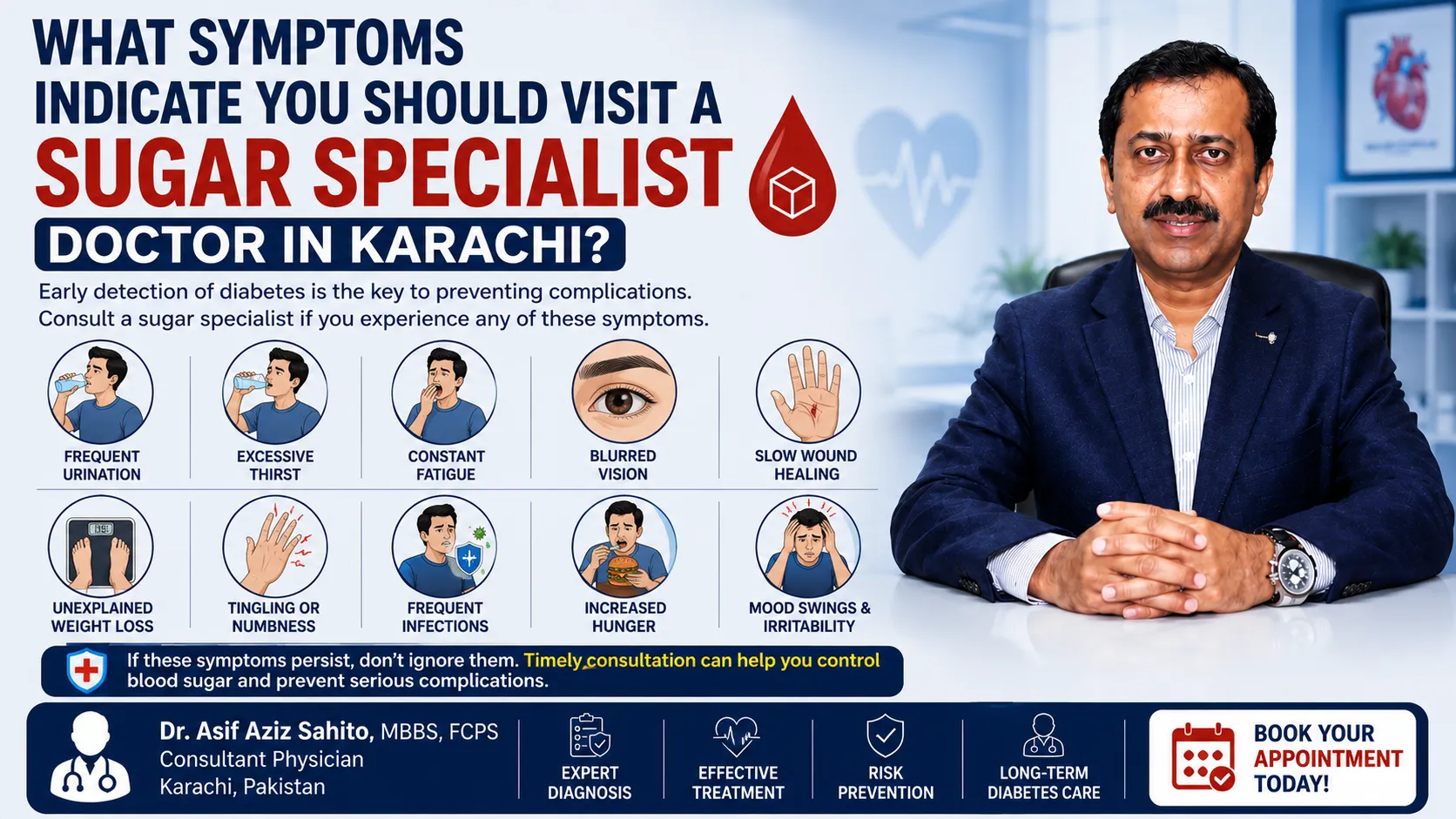
Many diabetic patients ignore early warning signs because symptoms often develop gradually. Seeking medical attention early can prevent serious complications.
Common symptoms include:
If these symptoms persist, it is important to schedule a consultation with a sugar specialist as soon as possible.
Accurate diagnosis is the foundation of successful diabetes treatment. Dr. Asif Aziz Sahito evaluates symptoms, medical history, family history, lifestyle factors, and laboratory investigations before making a diagnosis.
Test | Purpose | Normal Result |
Fasting Blood Sugar | Measures blood sugar after fasting | Less than 100 mg/dL |
HbA1c Test | Average blood sugar over 3 months | Below 5.7% |
Random Blood Sugar | Measures the current glucose level | Depends on timing |
Oral Glucose Tolerance Test | Evaluates the body’s response to sugar | Used for diagnosis |
These tests help determine whether a patient has diabetes, prediabetes, or normal glucose levels.
HbA1c is one of the most important tests used in diabetes management. Unlike a single blood sugar reading, HbA1c reflects the average blood sugar level over approximately three months. This test gives doctors a clearer picture of how well diabetes is being controlled.
HbA1c Level | Meaning |
Below 5.7% | Normal |
5.7% – 6.4% | Prediabetes |
6.5% or Higher | Diabetes |
Regular HbA1c monitoring helps doctors adjust treatment plans and identify patients who may be at risk for complications.
One of the biggest misconceptions about diabetes is that it only affects blood sugar levels. In reality, uncontrolled diabetes can gradually damage almost every major organ in the body. This damage often develops silently over many years before symptoms become severe. That is why early diagnosis, regular monitoring, and proper treatment are essential.
People with diabetes have a significantly higher risk of heart attacks, stroke, high blood pressure, and cardiovascular disease. Persistently elevated blood sugar levels can damage blood vessels and increase the buildup of fatty deposits inside arteries.
Good diabetes control, healthy eating, and regular physical activity can greatly reduce cardiovascular risks.
The kidneys contain millions of tiny blood vessels that filter waste products from the blood. High glucose levels can damage these vessels over time, reducing kidney function.
Diabetic kidney disease is one of the leading causes of kidney failure worldwide. Regular urine and kidney function testing helps detect problems before permanent damage occurs.
Diabetes can damage the small blood vessels in the retina, a condition known as diabetic retinopathy. If left untreated, it may lead to vision impairment or blindness.
Regular eye examinations are an important part of diabetes management and can help identify eye complications early.
Diabetic neuropathy occurs when high blood sugar damages nerves throughout the body. Many patients experience:
Early intervention can slow the progression of nerve damage and improve quality of life.
Reduced blood circulation and nerve damage can increase the risk of foot ulcers, infections, and delayed wound healing.
Patients with diabetes should inspect their feet regularly and seek medical attention for any cuts, wounds, or infections that do not heal properly.
Blood sugar monitoring helps patients understand how their bodies respond to food, exercise, medications, stress, and illness.
Monitoring allows both patients and doctors to identify patterns and make timely treatment adjustments. Regular monitoring can help:
For many patients, monitoring becomes an important daily tool for maintaining better health.
While individual targets may vary, the following ranges are commonly used as general guidelines.
Blood Sugar Test | Typical Target Range |
Fasting Blood Sugar | 70–99 mg/dL |
Before Meals | 80–130 mg/dL |
Two Hours After Meals | Less than 180 mg/dL |
HbA1c Goal for Many Adults | Around 7% or Lower |
Patients should always follow the personalized targets recommended by their doctor.
As a Consultant Physician, Dr. Asif Aziz Sahito focuses on comprehensive diabetes management rather than simply prescribing medication. Every patient’s treatment plan is based on factors such as:
The objective is to achieve stable blood sugar control while supporting overall health and well-being.
Lifestyle changes remain one of the most effective components of diabetes treatment.
Patients are encouraged to improve daily habits, increase physical activity, maintain a healthy weight, and adopt a balanced diet.
Even modest lifestyle improvements can produce meaningful reductions in blood sugar levels.
Many patients with Type 2 Diabetes benefit from medications that improve insulin sensitivity, reduce glucose production, or help the body utilize insulin more effectively.
Medication choices vary depending on the patient’s individual needs and overall health status.
Insulin therapy is essential for patients with Type 1 Diabetes and may also be required in advanced cases of Type 2 Diabetes.
Modern insulin regimens can be tailored to fit a patient’s lifestyle while improving glucose control.
Diet is one of the most important factors influencing blood sugar control. A diabetes-friendly diet does not mean giving up all favorite foods. Instead, it focuses on balanced nutrition and portion control.
A healthy diabetes meal plan typically includes vegetables, lean proteins, whole grains, healthy fats, and high-fiber foods.
Many people assume they must completely stop eating traditional Pakistani foods after a diabetes diagnosis. In reality, the goal is to make healthier choices and maintain appropriate portion sizes.
Patients can often enjoy common foods while following medical guidance.
Recommended Foods | Foods to Limit |
Whole wheat roti | Sugary drinks |
Fresh vegetables | Sweet desserts |
Lentils and beans | Refined flour products |
Grilled chicken and fish | Fried foods |
Brown rice in moderation | Excessive white rice |
Unsweetened yogurt | Processed snacks |
A personalized nutrition plan can help patients maintain healthy blood sugar levels without feeling deprived.
Many patients feel anxious before their first diabetes consultation. Understanding what to expect can help make the process more comfortable. During the first visit, Dr. Asif Aziz Sahito typically reviews:
Additional tests may be recommended if necessary. Based on this information, a personalized treatment and monitoring plan is developed.
The earlier diabetes is diagnosed and managed, the better the long-term outcome. Early treatment can:
Many complications can be delayed or prevented entirely when diabetes is controlled effectively from the beginning.
Managing diabetes requires experience, consistency, and patient education. Successful treatment depends on building a long-term partnership between doctor and patient.
Dr. Asif Aziz Sahito provides comprehensive diabetes care that focuses on diagnosis, treatment, monitoring, lifestyle counseling, and prevention of complications.
His patient-centered approach emphasizes clear communication, individualized treatment plans, and long-term health improvement rather than short-term symptom management.
While Type 1 Diabetes cannot currently be prevented, many cases of Type 2 Diabetes can be delayed or prevented through healthy lifestyle choices. This is especially important for people who have prediabetes, excess body weight, or a family history of diabetes.
Prevention focuses on improving insulin sensitivity and maintaining healthy blood sugar levels before permanent damage occurs. Even small lifestyle changes can significantly reduce diabetes risk over time.
The following habits are strongly recommended for diabetes prevention:
For individuals with prediabetes, these lifestyle improvements can often delay or even prevent the development of Type 2 Diabetes.
Many misconceptions about diabetes continue to circulate, causing confusion and delaying proper treatment.
Diabetes is a complex condition influenced by genetics, body weight, lifestyle, and insulin function. While excessive sugar consumption can contribute to weight gain and increase risk factors, sugar alone does not directly cause diabetes.
People with diabetes can often enjoy rice and fruit in moderation as part of a balanced meal plan. Portion control and food selection are usually more important than complete avoidance.
Diabetes is a serious chronic disease. Without proper management, it can affect the heart, kidneys, eyes, nerves, and blood vessels.
Insulin is simply a treatment tool. Many patients benefit from insulin therapy and use it safely to maintain healthy blood sugar levels.
Diabetes management is not about achieving perfect blood sugar readings every day. Instead, it focuses on maintaining consistent control over months and years.
Successful long-term management involves regular monitoring, healthy eating, physical activity, medication adherence, and ongoing medical supervision. Patients who actively participate in their care often experience better outcomes and a lower risk of complications.
These habits help support both short-term glucose control and long-term health protection.
While routine diabetes care can be managed through scheduled appointments, certain symptoms require urgent medical evaluation. Seek immediate medical attention if you experience:
Prompt treatment can prevent serious complications and improve outcomes.
A Sugar Specialist Doctor in Karachi diagnoses and manages Type 1 Diabetes, Type 2 Diabetes, Prediabetes, Gestational Diabetes, and diabetes-related complications affecting the kidneys, eyes, nerves, and heart.
You should schedule a consultation if you experience excessive thirst, frequent urination, fatigue, blurred vision, slow wound healing, unexplained weight loss, or abnormal blood sugar results.
Prediabetes occurs when blood sugar levels are elevated but not yet high enough to be classified as diabetes. Without intervention, prediabetes can progress to type 2 Diabetes.
Many diabetic patients benefit from HbA1c testing every three to six months, depending on their blood sugar control and treatment plan.
Some individuals can achieve diabetes remission through significant lifestyle changes, weight loss, and medical supervision. However, continued monitoring remains important.
Family history can increase the risk of developing Type 2 Diabetes. Individuals with diabetic parents or siblings should undergo regular screening.
Yes. Diabetes significantly increases the risk of heart disease, stroke, and other cardiovascular conditions.
Patients are generally advised to limit sugary drinks, excessive sweets, processed snacks, refined carbohydrates, and heavily fried foods.
Yes. Insulin is a well-established and effective treatment used worldwide for diabetes management when prescribed appropriately.
Regular follow-up appointments help monitor blood sugar control, adjust treatment plans, and detect complications before they become serious.
Dr. Asif Aziz Sahito is a highly experienced Consultant Physician (MBBS, FCPS) providing comprehensive medical care in Karachi. He offers diagnosis and management of diabetes, hypertension, respiratory illnesses, infectious diseases, digestive disorders, and other chronic medical conditions.
His approach focuses on evidence-based medicine, preventive healthcare, patient education, and long-term disease management. By combining accurate diagnosis with personalized treatment strategies, he helps patients achieve better health outcomes and improved quality of life.
Finding the right sugar specialist is one of the most important steps toward achieving effective diabetes control and protecting long-term health. Diabetes is a chronic condition, but with proper medical care, regular monitoring, healthy lifestyle choices, and patient commitment, it can be managed successfully.
If you are looking for a Sugar Specialist Doctor in Karachi, Dr. Asif Aziz Sahito (MBBS, FCPS – Consultant Physician) provides comprehensive diabetes care focused on early diagnosis, personalized treatment plans, prevention of complications, and long-term health improvement.
Whether you have newly diagnosed diabetes, prediabetes, or ongoing blood sugar concerns, timely medical guidance can help you maintain a healthier and more active life.
Diabetes management is not just about controlling blood sugar numbers. It is about protecting your heart, kidneys, eyes, nerves, and overall well-being. The earlier diabetes is identified and managed, the greater the opportunity to prevent complications and maintain a high quality of life.
Regular checkups, informed lifestyle choices, and partnership with an experienced physician can make a significant difference in long-term outcomes.