Subtotal $0.00


Medova is a convenience services to the adaptability, Spacious modern villa living room with centrally placed swimming pool blending indooroutdoor
Medova is a convenience services to the adaptability, Spacious modern villa living room with centrally placed swimming pool blending indooroutdoor
Digestive health plays a vital role in your overall well-being, yet many people ignore symptoms like stomach pain, acidity, bloating, indigestion, or irregular bowel habits until they become severe. Seeking medical care early can help identify the underlying cause, prevent complications, and improve recovery.
If you are looking for a Stomach specialist doctor, a stomach specialist in Karachi, a top gastroenterologist in Karachi, or wondering who is the best Gastroenterologist in Karachi, choosing an experienced physician is the first step toward better digestive health.
Dr. Asif Aziz Sahito, an experienced Consultant Family Physician in Karachi, provides personalized, evidence-based care for a wide range of stomach and digestive disorders. By carefully evaluating each patient’s symptoms, medical history, and lifestyle, he develops treatment plans tailored to their individual needs.
This guide explains the role of a stomach specialist, common digestive conditions, available treatment options, and why early diagnosis is essential for maintaining long-term digestive health.
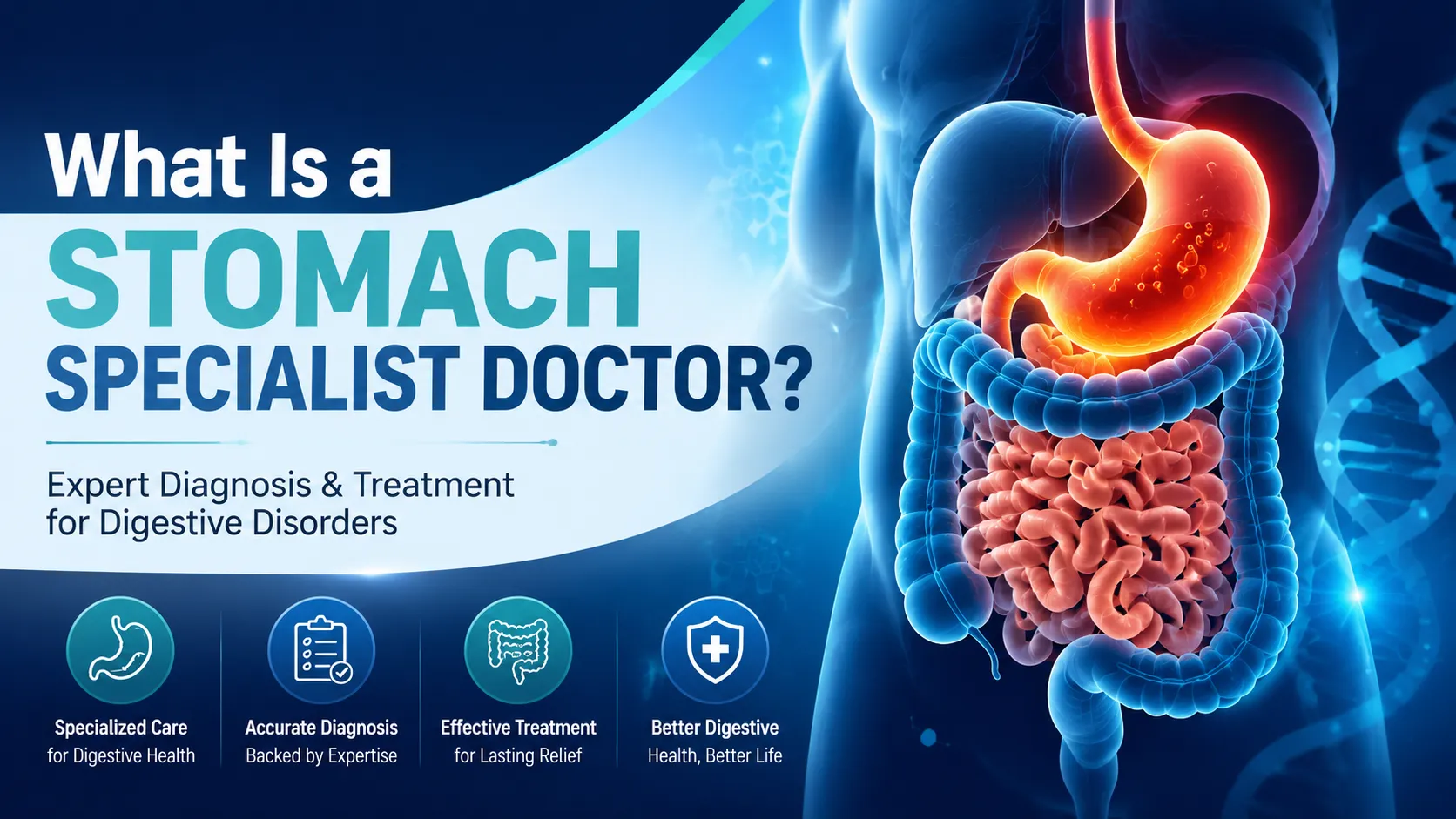
A stomach specialist doctor is a medical professional who diagnoses and treats diseases affecting the digestive system, including the stomach, esophagus, intestines, liver, pancreas, and gallbladder.
They manage both common and complex digestive conditions such as GERD, gastritis, stomach ulcers, IBS, fatty liver disease, hepatitis, constipation, and other gastrointestinal disorders.
Instead of treating symptoms alone, a stomach specialist identifies the underlying cause through medical evaluation, appropriate investigations, and personalized treatment planning.
In Karachi, Dr. Asif Aziz Sahito provides evidence-based care for a wide range of digestive problems, helping patients improve their digestive health through accurate diagnosis, effective treatment, and preventive guidance.
Many people wonder whether they should visit a general physician or a gastroenterologist for stomach problems. The answer depends on the type and severity of your symptoms.
A general physician is usually the first doctor to evaluate common digestive issues such as acidity, indigestion, mild stomach pain, constipation, diarrhea, and stomach infections. A gastroenterologist specializes in complex digestive diseases and advanced procedures like endoscopy and colonoscopy.
Dr. Asif Aziz Sahito carefully assesses each patient’s condition to determine the most appropriate treatment. If needed, he recommends further investigations or specialist referral, ensuring patients receive timely, accurate, and evidence-based care without unnecessary procedures.
The digestive system performs much more than simply breaking down food. Every meal you eat provides nutrients that support the heart, brain, muscles, bones, immune system, and every organ in the body. When digestion is impaired, your body may struggle to absorb vitamins, minerals, proteins, and other nutrients required for normal function.
Poor digestive health may also affect emotional well-being. Many people with chronic digestive disorders report reduced productivity, disturbed sleep, anxiety around eating, and a lower quality of life. Persistent symptoms such as stomach pain, bloating, or frequent trips to the bathroom can make even simple daily activities challenging.
Medical research has also shown a close relationship between gut health and the immune system. A healthy digestive tract helps maintain the natural balance of beneficial bacteria while supporting the body’s defense against infections. Conversely, untreated digestive disorders may increase inflammation, nutritional deficiencies, and the risk of complications if left unmanaged.
Maintaining digestive health is therefore not simply about avoiding stomach pain. It is an important part of protecting overall health throughout life.
Many digestive problems begin with mild symptoms that people often ignore. Some individuals continue taking over-the-counter medicines for months without understanding why their symptoms keep returning. While temporary stomach upset may not require specialist care, recurring or persistent symptoms should never be considered normal.
Early medical evaluation allows doctors to identify digestive diseases before they become more difficult to treat. It also helps rule out more serious medical conditions that may initially appear similar to simple indigestion.
You should consider scheduling a medical consultation if your digestive symptoms continue for more than two weeks, become progressively worse, or repeatedly return despite treatment. Symptoms that interfere with eating, sleeping, working, or normal daily activities deserve proper medical assessment rather than self-medication.
Patients over the age of 40 who develop new digestive symptoms for the first time should also seek medical advice promptly, particularly if they have a family history of gastrointestinal disease, liver disease, stomach ulcers, or digestive cancers. Ignoring warning signs often delays diagnosis and may allow treatable conditions to progress unnecessarily.
The following symptoms should not be ignored, especially if they occur repeatedly or continue for several weeks.
These symptoms do not always indicate a serious illness, but they should always be evaluated by a qualified medical professional to determine the underlying cause.
Digestive disorders are becoming increasingly common in Karachi due to unhealthy eating habits, stress, lack of physical activity, poor hydration, and bacterial infections such as Helicobacter pylori. Medical conditions like diabetes, obesity, fatty liver disease, and prolonged use of certain painkillers can also increase the risk of digestive problems.
Since stomach disorders often have multiple causes, effective treatment requires a thorough evaluation of symptoms, medical history, lifestyle, diet, and existing health conditions. Instead of only relieving symptoms, an experienced Stomach Specialist in Karachi focuses on identifying the root cause and providing a personalized treatment plan for long-term digestive health.
Digestive diseases vary from temporary infections to long-term conditions that require continuous medical care. One of the biggest challenges is that many stomach disorders share similar symptoms.
For example, acidity, gastritis, peptic ulcers, and GERD may all cause burning pain in the upper abdomen, while IBS and food intolerance can both lead to bloating and irregular bowel movements. This is why an accurate diagnosis is more important than simply taking medicines for symptom relief.
A Stomach specialist doctor carefully evaluates your symptoms, medical history, dietary habits, and lifestyle before recommending appropriate investigations and treatment. Instead of treating only the pain or discomfort, the goal is to identify the root cause and develop a personalized treatment plan.
Below are some of the most common digestive disorders seen in clinical practice.
GERD, commonly known as acid reflux, develops when stomach acid repeatedly flows back into the esophagus. While occasional heartburn after eating spicy food is normal, frequent acid reflux may indicate GERD.
Many people continue using antacids for months without realizing they have an underlying digestive disorder. If left untreated, persistent acid reflux can damage the lining of the esophagus and reduce quality of life.
Common symptoms include burning chest discomfort after meals, sour taste in the mouth, frequent burping, chronic cough, hoarseness, throat irritation, and difficulty swallowing. Symptoms often become worse after lying down or eating late at night.
Treatment usually focuses on reducing acid production, improving eating habits, maintaining a healthy weight, and avoiding foods that trigger reflux. Most patients respond well to lifestyle modifications combined with appropriate medication when treatment begins early.
Gastritis refers to inflammation of the stomach lining. It may occur suddenly or develop gradually over time. Many patients mistake gastritis for ordinary indigestion and continue self-medicating until symptoms become persistent.
Several factors can contribute to gastritis, including bacterial infection caused by Helicobacter pylori, long-term use of pain-relieving medicines, smoking, excessive caffeine intake, alcohol consumption, severe stress, and unhealthy eating habits.
Patients often complain of burning stomach pain, nausea, bloating, vomiting, early fullness after meals, and discomfort in the upper abdomen. Because these symptoms resemble several other digestive disorders, proper evaluation is essential before treatment begins.
With accurate diagnosis and timely treatment, gastritis usually improves significantly. Delaying treatment, however, may increase the risk of ulcers or chronic inflammation.
A peptic ulcer is an open sore that develops in the lining of the stomach or the first part of the small intestine. Contrary to popular belief, ulcers are not caused solely by spicy food. The two most common causes are H. pylori infection and prolonged use of non-steroidal anti-inflammatory medicines (NSAIDs).
Ulcer pain often appears as a burning sensation in the upper abdomen and may become worse when the stomach is empty. Some patients experience nausea, bloating, poor appetite, or unexplained weight loss. Severe ulcers can cause bleeding, which may lead to black-colored stools or vomiting blood. These symptoms require immediate medical attention.
Modern treatment focuses on eliminating the underlying cause, protecting the stomach lining, and promoting healing. Most ulcers heal successfully with medication when diagnosed early.
Irritable Bowel Syndrome is one of the most common functional digestive disorders worldwide. Unlike ulcers or infections, IBS does not damage the digestive tract, but it can significantly affect daily life.
Patients with IBS often experience abdominal pain, bloating, constipation, diarrhea, or alternating episodes of both. Symptoms may become worse during periods of emotional stress or after eating certain foods.
IBS affects each patient differently. Some experience only mild discomfort, while others struggle with symptoms that interfere with work, travel, and social activities.
Successful management requires identifying individual triggers, improving dietary habits, managing stress, and using medication when necessary. Because IBS symptoms resemble several other digestive diseases, proper medical evaluation is important before confirming the diagnosis.
Fatty liver disease occurs when excessive fat accumulates inside liver cells. During its early stages, the condition often causes no noticeable symptoms, which is why many patients remain unaware until it is discovered during routine investigations.
Obesity, diabetes, high cholesterol, metabolic syndrome, and lack of physical activity significantly increase the risk of developing fatty liver disease.
As the disease progresses, some individuals may experience tiredness, discomfort on the right side of the abdomen, or abnormal liver function tests. Without treatment and lifestyle modification, fatty liver disease may progress to liver inflammation or scarring.
Weight management, regular exercise, healthy eating habits, and treatment of underlying medical conditions remain the cornerstone of management.
The liver performs hundreds of essential functions, including filtering toxins, producing proteins, storing energy, and supporting digestion. Viral hepatitis, fatty liver disease, medication-related liver injury, and autoimmune liver disorders can all affect liver function.
Many liver diseases develop silently without obvious symptoms during their early stages. As liver damage progresses, patients may notice fatigue, abdominal discomfort, yellowing of the eyes or skin, dark urine, swelling of the abdomen, or unexplained weight loss.
Early diagnosis is particularly important because many liver diseases can be successfully managed when detected before permanent damage develops.
The gallbladder stores bile, which helps digest dietary fats. Gallstones develop when substances within bile harden into stone-like deposits.
Some people never experience symptoms, while others develop sudden episodes of severe pain after eating fatty meals. Pain usually occurs in the upper right side of the abdomen and may spread toward the back or shoulder.
Associated symptoms can include nausea, vomiting, bloating, fever, or jaundice if complications develop. Treatment depends on the severity of symptoms and whether complications are present.
Constipation affects millions of adults and is more than simply having fewer bowel movements. Patients often experience hard stools, excessive straining, incomplete bowel emptying, or abdominal discomfort.
Several factors contribute to constipation, including inadequate fiber intake, dehydration, lack of exercise, certain medications, thyroid disorders, and neurological conditions. Rather than depending on laxatives for prolonged periods, identifying and correcting the underlying cause provides better long-term results.
Diarrhea lasting several weeks requires proper medical evaluation because it may indicate infection, food intolerance, inflammatory bowel disease, medication side effects, or chronic digestive disorders.
Persistent diarrhea can lead to dehydration, nutritional deficiencies, weight loss, and reduced quality of life if left untreated. Diagnosis usually involves reviewing dietary history, medical conditions, stool analysis, blood tests, and additional investigations when necessary.
Helicobacter pylori is a bacterium that infects the stomach lining and is one of the leading causes of chronic gastritis and peptic ulcers. Many infected individuals have no symptoms for years. Others develop burning stomach pain, bloating, nausea, indigestion, or recurrent ulcers.
Modern medical treatment can eliminate the infection using carefully selected antibiotic combinations along with acid-reducing medication. Completing the prescribed treatment course is essential to achieve successful eradication.
Digestive disorders rarely develop because of a single reason. Most patients have multiple contributing factors that work together over time.
Some causes are temporary, while others involve chronic medical conditions or unhealthy lifestyle habits. Understanding these factors helps both patients and doctors develop more effective prevention and treatment strategies.
Risk Factor | How It Affects Digestive Health |
Unhealthy eating habits | Increases acidity, indigestion, and gastritis |
H. pylori infection | Causes gastritis and stomach ulcers |
Smoking | Weakens stomach lining and increases reflux |
Long-term painkiller use | Raises ulcer risk |
Obesity | Increases GERD and fatty liver disease |
Diabetes | Slows digestion and affects gut function |
Chronic stress | Worsens IBS and indigestion |
Low fiber intake | Leads to constipation |
Poor hydration | Affects bowel movements and digestion |
Sedentary lifestyle | Increases digestive disorders |
A successful treatment plan always begins with an accurate diagnosis. Because many digestive diseases produce similar symptoms, experienced physicians avoid making assumptions based solely on stomach pain or acidity.
The diagnostic process usually starts with a detailed discussion about your symptoms, eating habits, medications, previous illnesses, and family medical history. This information often provides valuable clues about the underlying condition.
After a physical examination, additional investigations may be recommended depending on the patient’s symptoms. These can include blood tests to identify infection or inflammation, stool analysis to detect digestive abnormalities, liver function tests, ultrasound imaging to evaluate abdominal organs, and testing for H. pylori infection.
For selected patients, upper gastrointestinal endoscopy may be advised to directly examine the esophagus, stomach, and upper intestine. This procedure allows doctors to identify ulcers, inflammation, bleeding, and other structural abnormalities with greater accuracy.
The purpose of these investigations is not to perform unnecessary testing but to ensure that treatment addresses the actual cause of the problem rather than temporarily masking symptoms.
Treatment for stomach problems depends on the underlying cause rather than the symptoms alone. Conditions such as acid reflux, stomach ulcers, IBS, fatty liver disease, and Helicobacter pylori infection each require a different treatment approach. This is why an accurate diagnosis is essential before starting any medication.
An experienced Stomach specialist doctor develops a personalized treatment plan based on the patient’s symptoms, medical history, examination, and diagnostic findings.
Treatment may include medication, dietary changes, lifestyle modifications, and regular follow-up to improve recovery and reduce the risk of complications. Educating patients about their condition also plays an important role in helping them maintain long-term digestive health.
Healthy lifestyle habits play a key role in maintaining good digestive health and reducing the risk of many stomach problems. Eating regular meals, chewing food properly, avoiding late-night heavy dinners, and drinking enough water can improve digestion and help prevent acidity, indigestion, and constipation.
Regular physical activity and maintaining a healthy weight also support better digestive function. In addition, managing stress through adequate sleep, relaxation, and a balanced routine can reduce symptoms of IBS, acid reflux, and other digestive disorders.
When combined with the right medical treatment, these simple lifestyle changes can significantly improve long-term digestive health.
A healthy, balanced diet is essential for good digestive health. Eating plenty of fresh vegetables, fruits, whole grains, lean proteins, and fiber-rich foods supports healthy digestion and helps reduce problems such as constipation and bloating. Choosing home-cooked meals over processed foods can also lower the risk of acidity and indigestion.
For people with acid reflux or other digestive conditions, limiting spicy foods, deep-fried meals, carbonated drinks, and excessive tea or coffee may help relieve symptoms. Since food triggers vary from person to person, keeping a food diary can help identify foods that cause discomfort and support a more personalized diet plan.
While not all digestive diseases can be prevented, many common stomach problems can be reduced through healthy lifestyle choices and early medical care. Regular health checkups are especially important for people with diabetes, obesity, liver disease, a family history of digestive disorders, or ongoing stomach symptoms.
Maintaining a balanced diet, staying physically active, drinking clean water, avoiding tobacco, limiting unnecessary painkiller use, and seeking medical advice when symptoms first appear can help protect digestive health. Early diagnosis also allows doctors to identify and treat digestive conditions before they become more serious.
Choosing the right doctor is essential for accurate diagnosis and effective treatment of digestive disorders. Patients often prefer a physician who combines clinical experience with a personalized, evidence-based approach to care.
Dr. Asif Aziz Sahito is an experienced Consultant Family Physician in Karachi who treats a wide range of stomach and digestive conditions, including acidity, gastritis, GERD, stomach pain, peptic ulcers, constipation, diarrhea, fatty liver disease, and digestive infections.
He carefully evaluates each patient’s symptoms, medical history, and investigation results to identify the underlying cause and develop a personalized treatment plan. With a strong focus on preventive healthcare, patient education, and regular follow-up, Dr. Asif Aziz Sahito helps patients achieve long-term digestive health and improved quality of life.
There is no single medical authority that ranks one doctor as the “best.” The right choice depends on your condition, the doctor’s experience, communication, and treatment approach.
For patients with common digestive problems, consulting an experienced physician such as Dr. Asif Aziz Sahito can be an excellent first step toward diagnosis and treatment. If advanced gastroenterology procedures are required, referral to a specialist can be arranged when appropriate.
You should seek medical advice if stomach pain, acidity, bloating, constipation, diarrhea, nausea, vomiting, or acid reflux continues for more than two weeks, becomes severe, or repeatedly returns despite treatment.
No. Stomach pain may result from gastritis, ulcers, gallstones, IBS, infections, liver disease, pancreatitis, food intolerance, or several other medical conditions. Proper evaluation is necessary to determine the exact cause.
Yes. Most digestive conditions improve with medication, dietary changes, lifestyle modification, and regular medical follow-up. Surgery is only required for selected conditions such as complicated gallstones, certain gastrointestinal diseases, or when recommended by a specialist.
Yes. Emotional stress can worsen symptoms of acid reflux, IBS, indigestion, and other functional digestive disorders. Managing stress is often an important part of treatment.
Home remedies may temporarily relieve mild symptoms, but persistent or recurring digestive complaints should always be assessed by a qualified medical professional. Relying solely on self-treatment may delay diagnosis of a more serious condition.
Digestive problems can affect your health and quality of life if left untreated. Symptoms such as stomach pain, acidity, bloating, acid reflux, constipation, diarrhea, or persistent indigestion should not be ignored. Early diagnosis helps identify the underlying cause and allows timely, effective treatment.
If you are looking for a trusted Stomach specialist in Karachi, Dr. Asif Aziz Sahito provides personalized, evidence-based care for a wide range of digestive disorders. With a patient-centered approach and a focus on long-term digestive health, he is committed to helping patients achieve lasting relief and better well-being.
Book an appointment with Dr. Asif Aziz Sahito today for a comprehensive digestive health evaluation and take the first step toward a healthier digestive system.