Subtotal $0.00


Medova is a convenience services to the adaptability, Spacious modern villa living room with centrally placed swimming pool blending indooroutdoor
Medova is a convenience services to the adaptability, Spacious modern villa living room with centrally placed swimming pool blending indooroutdoor
Finding a trusted Consultant family physician is essential for maintaining your long-term health. Whether you need treatment for a common illness, management of diabetes or high blood pressure, preventive health checkups, or routine medical advice, a family physician is usually the first doctor to consult.
Unlike specialists who focus on a single area of medicine, a family physician provides comprehensive healthcare for patients of all ages. They diagnose, treat, prevent, and manage a wide range of medical conditions while building long-term relationships that support more personalized care.
For families seeking a reliable Consultant Physician in Karachi, having one experienced doctor can simplify healthcare by coordinating routine checkups, chronic disease management, preventive screenings, and specialist referrals when needed.
If you are looking for the Best family medicine doctor in Karachi, understanding the role of family medicine and the qualifications to look for can help you make an informed decision. This guide explains the services, expertise, and benefits of consulting a qualified family physician for lifelong healthcare.
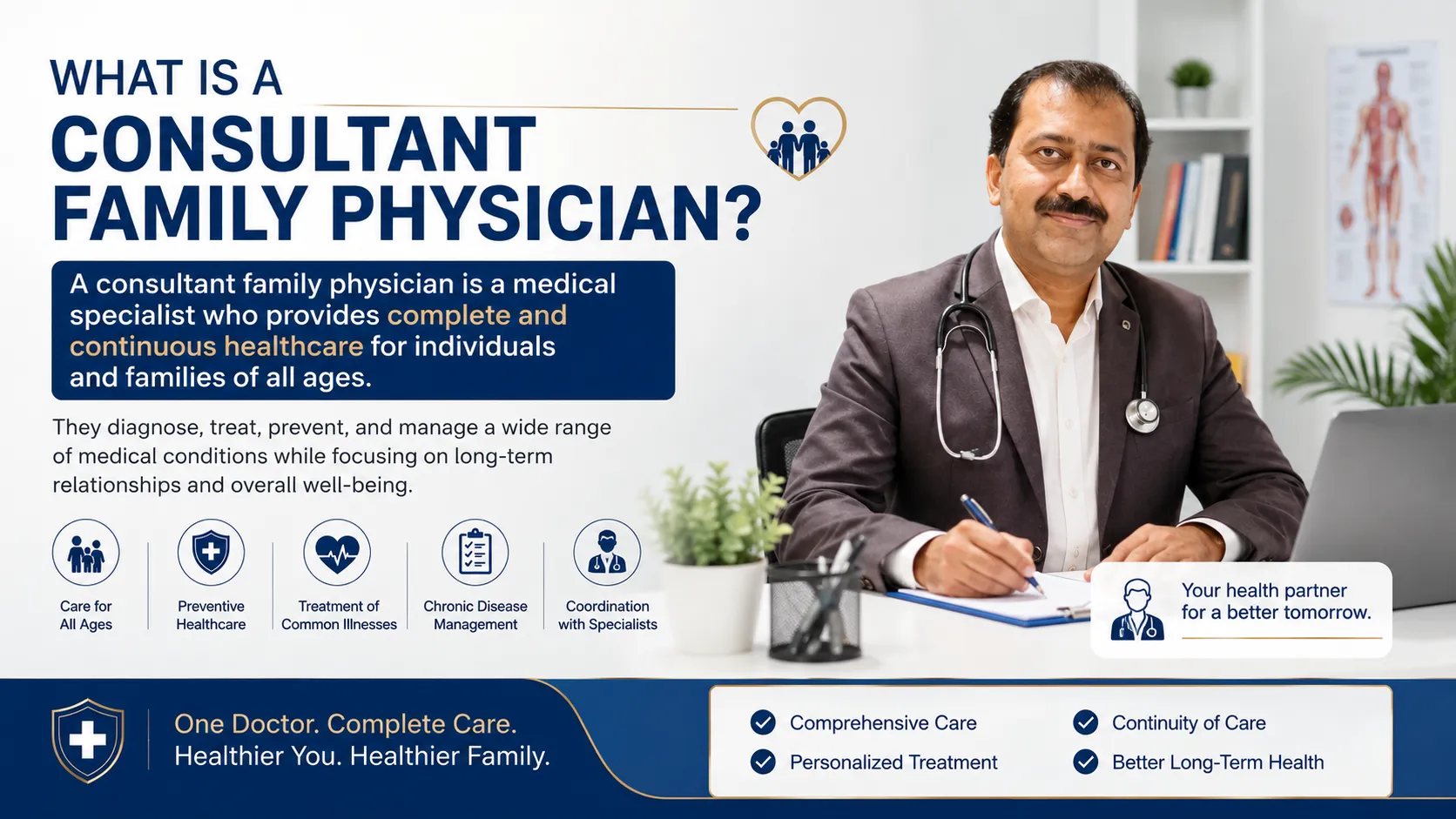
A Consultant family physician is a doctor who specializes in providing complete primary healthcare for individuals and families. Family physicians are trained to diagnose, treat, prevent, and manage a wide variety of illnesses instead of focusing on a single medical specialty.
Family medicine is unique because it emphasizes long-term patient care. Rather than treating one illness at a time, family physicians develop ongoing relationships with patients and monitor their overall health throughout different stages of life. This allows them to identify potential health risks early and recommend appropriate treatment before problems become more serious.
A consultant family physician often serves as the first point of contact whenever a patient experiences new symptoms or requires medical advice. They also coordinate care with other specialists whenever advanced evaluation or treatment becomes necessary.
In Karachi, consultant family physicians work in hospitals, private clinics, and healthcare centers, providing accessible medical care for individuals and families seeking trusted long-term healthcare support.
Healthcare needs change throughout life. Children require vaccinations and growth monitoring, adults often need preventive screenings and treatment for common illnesses, while older adults may need long-term management of chronic diseases. A family physician is trained to provide care across all these stages, making them an essential part of modern healthcare.
One of the greatest advantages of family medicine is continuity of care. When the same physician follows your health over several years, they become familiar with your medical history, family history, medications, allergies, and lifestyle habits. This knowledge helps them recognize changes in your health more quickly and make informed treatment decisions.
A consultant family physician also focuses heavily on disease prevention. Instead of treating illness only after symptoms appear, they encourage regular health checkups, vaccinations, lifestyle improvements, and routine screening tests.
These preventive measures can significantly reduce the risk of developing serious medical conditions or help detect diseases at an earlier, more treatable stage.
For many families in Karachi, having one trusted physician who understands everyone’s health history also makes medical care more convenient and organized. Parents, children, and elderly family members can often receive care from the same doctor, ensuring consistent medical records and better communication between healthcare providers.
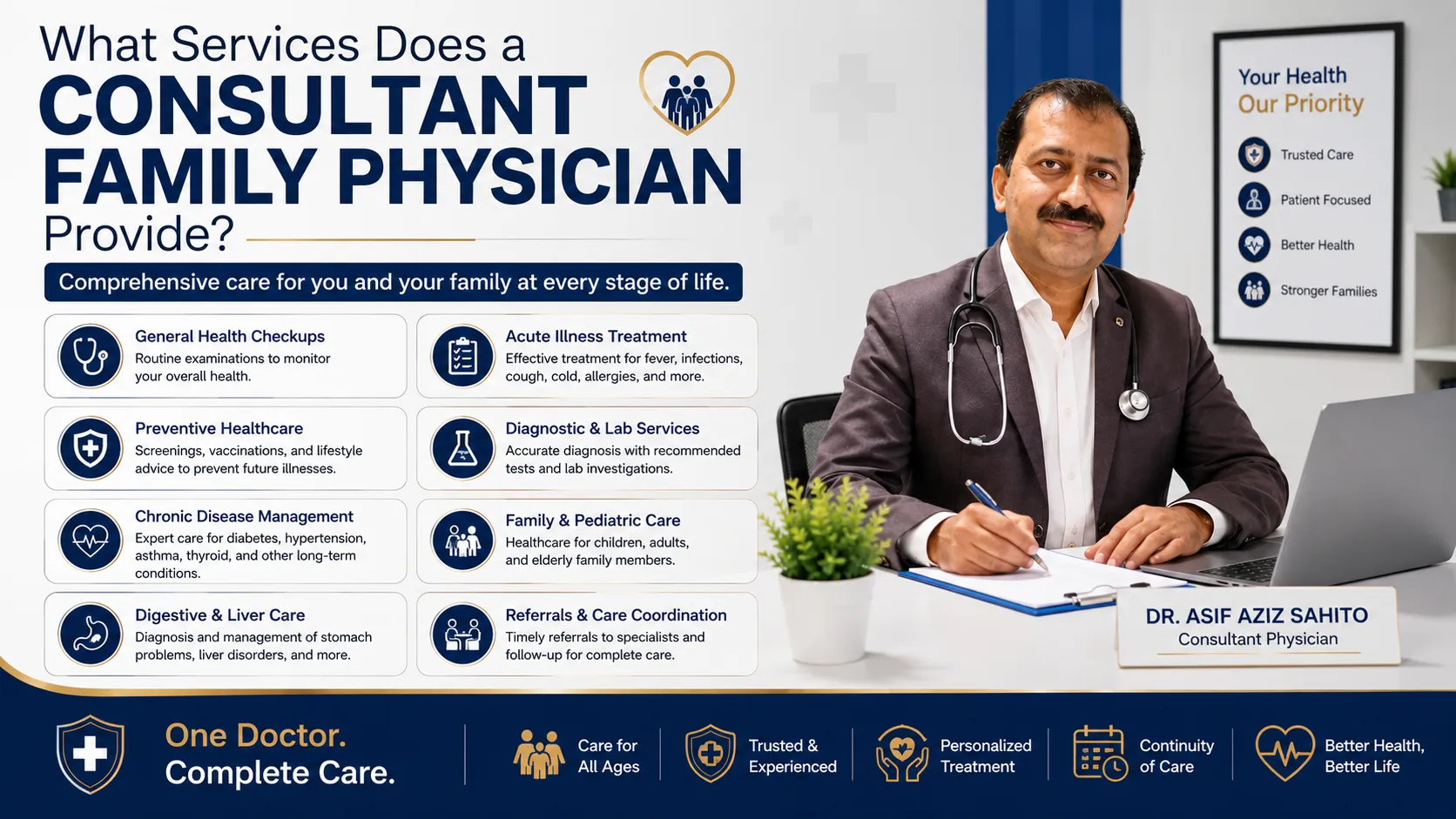
Family physicians provide comprehensive healthcare that supports both immediate and long-term health needs. They diagnose and treat common illnesses, manage chronic diseases, promote preventive care, and help patients maintain overall well-being.
A Consultant family physician treats conditions such as infections, allergies, digestive problems, headaches, and respiratory illnesses through medical evaluation, physical examinations, and personalized treatment plans.
They also focus on preventive healthcare by recommending routine checkups, health screenings, vaccinations, and lifestyle improvements to detect diseases early.
For patients with chronic conditions like diabetes, hypertension, asthma, thyroid disorders, and high cholesterol, family physicians provide ongoing monitoring, medication management, and regular follow-up care. When specialized treatment is needed, they coordinate referrals to ensure patients receive seamless and comprehensive healthcare.
A family physician is trained to diagnose and manage hundreds of medical conditions affecting multiple body systems. Their broad medical knowledge allows them to treat both acute illnesses and long-term chronic diseases while recognizing when specialist referral is appropriate.
Patients commonly visit family physicians for respiratory infections such as cough, flu, sore throat, sinus infections, and seasonal allergies. Digestive complaints including acidity, gastritis, constipation, diarrhea, abdominal discomfort, and irritable bowel symptoms are also frequently evaluated in family medicine clinics.
Many patients seek care for lifestyle-related conditions including obesity, high blood pressure, diabetes, elevated cholesterol levels, and thyroid disorders. These conditions often require ongoing monitoring, regular laboratory testing, medication adjustments, and personalized lifestyle recommendations.
Family physicians are also experienced in evaluating symptoms such as fatigue, dizziness, headaches, joint pain, skin rashes, urinary tract infections, mild asthma, and minor injuries. Because these symptoms can have multiple possible causes, having one physician who understands your complete medical history often leads to a more accurate diagnosis.
Mental well-being is another important aspect of comprehensive healthcare. Family physicians frequently provide initial evaluation and support for stress, anxiety, sleep problems, and mild depression while referring patients to mental health specialists whenever specialized care is needed.
By addressing physical, emotional, and preventive health together, consultant family physicians provide truly comprehensive healthcare that benefits the entire family.

One of the defining strengths of family medicine is healthcare coordination. Modern healthcare often involves multiple specialists, laboratory tests, imaging studies, and ongoing medication management. Without proper coordination, patients may receive fragmented care or duplicate treatments.
A consultant family physician acts as the central healthcare provider who oversees the entire treatment process. They review laboratory reports, interpret diagnostic findings, monitor medication effectiveness, and ensure that recommendations from different specialists work together safely.
For example, a patient living with diabetes may also develop high blood pressure and thyroid disease. Instead of managing these conditions separately, a family physician creates an integrated treatment plan that considers all aspects of the patient’s health.
This comprehensive approach reduces the risk of medication interactions, improves treatment adherence, and supports better long-term outcomes. Healthcare coordination also becomes especially valuable for elderly patients, who often have multiple chronic conditions requiring ongoing medical supervision.
Choosing the right doctor often depends on your medical needs. The following comparison explains how these healthcare professionals differ.
Feature | Consultant Family Physician | Consultant Physician | Medical Specialist |
Primary Focus | Comprehensive family healthcare | Adult internal medicine and medical conditions | One specific organ system or specialty |
Patients Treated | Children, adults, and older adults | Primarily adults | Depends on specialty |
Preventive Care | Extensive | Moderate | Limited |
Chronic Disease Management | Comprehensive | Comprehensive | Condition-specific |
Coordinates Specialist Care | Yes | Yes | Usually No |
Long-Term Family Care | Yes | Sometimes | No |
First Point of Contact | Yes | Often | Usually by referral |
A consultant family physician is often the best starting point for most health concerns because they provide comprehensive, continuous, and preventive medical care while coordinating referrals whenever specialized treatment becomes necessary.
MCPS Family Medicine stands for Membership of the College of Physicians and Surgeons Pakistan (Family Medicine). It is a postgraduate qualification awarded by the College of Physicians and Surgeons Pakistan (CPSP) to doctors who have received structured training in primary healthcare and family medicine.
This qualification reflects advanced knowledge and clinical skills in diagnosing, treating, preventing, and managing a broad range of medical conditions. Doctors with MCPS Family Medicine training are equipped to care for patients of different age groups while focusing on evidence-based medicine, preventive healthcare, and long-term disease management.
Unlike general medical practice alone, MCPS Family Medicine emphasizes continuity of care. Physicians learn how to manage chronic illnesses, recognize early signs of disease, coordinate referrals to specialists when needed, and provide comprehensive healthcare that addresses both physical and lifestyle-related health concerns.
For patients in Karachi, consulting a physician with recognized postgraduate qualifications such as MCPS Family Medicine can provide added confidence that their healthcare is being managed according to established clinical standards.
Many people believe they only need medical attention when they become seriously ill. In reality, regular visits to a family physician can help identify health concerns before they develop into more complicated conditions.
You should consider scheduling an appointment whenever you experience persistent symptoms that do not improve with routine care or when you simply want to monitor your overall health. Family physicians are trained to evaluate both new symptoms and ongoing medical conditions, making them the ideal first point of contact for most healthcare concerns.
For example, recurring headaches, frequent fatigue, digestive discomfort, changes in weight, elevated blood pressure, recurring infections, or unexplained body aches may all require medical evaluation. Although these symptoms are often caused by common illnesses, they can sometimes indicate underlying medical conditions that benefit from early diagnosis.
Regular health checkups are equally important even when you feel well. Routine examinations allow physicians to detect silent conditions such as hypertension, diabetes, high cholesterol, thyroid disorders, or early kidney disease before noticeable symptoms appear. Early diagnosis often leads to simpler treatment, fewer complications, and better long-term health outcomes.
Preventive healthcare is one of the foundations of family medicine. Rather than waiting for illness to develop, family physicians focus on reducing health risks through early detection, lifestyle improvements, and routine medical screening.
Many chronic diseases develop gradually over several years without causing obvious symptoms. High blood pressure, diabetes, high cholesterol, fatty liver disease, and certain kidney disorders often remain undiagnosed until complications arise. Preventive healthcare helps identify these conditions at an earlier stage, allowing treatment to begin before permanent damage occurs.
Family physicians also educate patients about healthy nutrition, regular physical activity, stress management, sleep hygiene, smoking cessation, and maintaining a healthy body weight. These lifestyle measures play an important role in reducing the risk of cardiovascular disease, stroke, obesity, and several other long-term health conditions.
Preventive care is especially valuable for individuals with a family history of diabetes, heart disease, thyroid disorders, or hypertension, as these patients may have a higher lifetime risk of developing similar conditions.
Chronic diseases require continuous medical supervision rather than occasional treatment. A consultant family physician develops an individualized care plan that helps patients manage their condition while maintaining the best possible quality of life.
Diabetes is a good example. Managing diabetes involves much more than prescribing medication. A family physician regularly monitors blood sugar levels, evaluates laboratory investigations, adjusts treatment when necessary, discusses dietary habits, encourages physical activity, and screens for complications affecting the kidneys, eyes, heart, and nerves.
The same comprehensive approach applies to hypertension. Regular blood pressure monitoring, medication review, dietary counseling, weight management, and lifestyle modifications all contribute to reducing the risk of heart attack, stroke, and kidney disease.
Patients living with asthma, thyroid disorders, arthritis, high cholesterol, obesity, and digestive disorders also benefit from ongoing follow-up because treatment plans often need to be adjusted over time as health conditions change.
This continuous relationship between physician and patient improves treatment adherence, encourages healthier lifestyle choices, and allows early recognition of complications before they become more serious.
Your first appointment with a consultant family physician is designed to provide a complete picture of your current health. Instead of focusing only on one symptom, the physician evaluates your overall medical history and identifies factors that may influence your long-term well-being.
The consultation usually begins with a detailed discussion about your current symptoms, previous illnesses, medications, allergies, surgeries, and family medical history. Lifestyle habits such as diet, physical activity, smoking, sleep patterns, and stress levels may also be discussed because these factors often affect overall health.
A physical examination follows, during which the physician may check your blood pressure, heart rate, temperature, weight, respiratory system, abdomen, and other relevant body systems depending on your symptoms.
If additional information is needed, laboratory investigations or imaging studies may be recommended. After reviewing all findings, the physician explains the diagnosis, discusses available treatment options, answers your questions, and develops a personalized management plan that suits your medical needs.
This comprehensive approach allows patients to understand not only their current illness but also the steps they can take to improve their long-term health.
Healthcare needs naturally change with age, and one of the greatest strengths of family medicine is its ability to provide continuous care throughout every stage of life.
Children benefit from growth monitoring, nutritional guidance, vaccination advice, and treatment of common childhood illnesses. Young adults often seek medical advice regarding lifestyle-related concerns, infections, allergies, and preventive healthcare.
As adults grow older, regular monitoring for diabetes, hypertension, thyroid disorders, heart disease, and cholesterol becomes increasingly important. Older adults may also require support for arthritis, osteoporosis, medication management, and multiple chronic health conditions.
Because family physicians understand how healthcare needs evolve, they are well positioned to provide long-term guidance that adapts to each patient’s changing medical requirements.
Many patients are uncertain whether they should visit their family physician or go directly to the emergency department. Understanding the difference helps ensure appropriate medical care while reducing unnecessary emergency visits.
Visit a Consultant Family Physician | Visit the Emergency Department |
Fever without severe complications | Severe chest pain |
Diabetes follow-up | Difficulty breathing |
High blood pressure review | Suspected stroke symptoms |
Thyroid disorders | Major injuries or accidents |
Persistent cough | Severe bleeding |
Routine health checkup | Loss of consciousness |
Medication review | Sudden severe allergic reaction |
A family physician is the right choice for routine medical care, preventive health services, chronic disease management, and non-emergency illnesses. Emergency departments should be reserved for life-threatening conditions that require immediate medical attention.
Preparing before your consultation allows your physician to understand your health concerns more effectively and recommend the most appropriate treatment plan.
Before your visit, it is helpful to:
Simple preparation can make your appointment more productive and help your physician provide personalized, evidence-based care.
Choosing the Best family medicine doctor in Karachi involves more than selecting the nearest clinic. A family physician often becomes your long-term healthcare partner, so it is important to choose someone with the right qualifications, experience, and approach to patient care.
A well-qualified physician should have recognized medical credentials, experience in managing both acute and chronic illnesses, and a commitment to evidence-based medicine. Good communication is equally important because patients should feel comfortable discussing their concerns and asking questions about their treatment.
When evaluating a family physician, consider whether the doctor provides preventive healthcare, chronic disease management, routine health screenings, and coordinated referrals to specialists when necessary. Accessibility for follow-up appointments and continuity of care also play an important role in maintaining long-term health.
An experienced physician will not only treat current symptoms but also help identify risk factors that may affect your future health, allowing preventive measures to be introduced at the right time.
One of the defining strengths of family medicine is continuity of care. Seeing the same physician over several years creates a complete picture of your health that cannot always be achieved through occasional visits to different clinics.
As your physician becomes familiar with your medical history, family history, allergies, medications, and lifestyle, it becomes easier to recognize subtle changes that may indicate the early stages of disease.
This long-term relationship also improves treatment planning because medical decisions are based on a deeper understanding of your overall health rather than a single consultation.
Continuity of care is particularly beneficial for patients living with diabetes, hypertension, thyroid disorders, asthma, digestive conditions, or multiple chronic illnesses. Regular follow-up helps ensure that treatment remains effective while reducing the likelihood of complications.
If you are looking for a Consultant Physician in Karachi, Dr. Asif Aziz Sahito has over 17 years of clinical experience providing comprehensive healthcare for adults and families.
He specializes in preventive care, routine health checkups, and the management of chronic conditions such as diabetes, hypertension, thyroid disorders, digestive diseases, liver conditions, and respiratory illnesses.
With a patient-centered and evidence-based approach, Dr. Asif Aziz Sahito focuses on early diagnosis, preventive medicine, and personalized treatment plans to support better long-term health. His commitment to continuity of care helps patients and families receive consistent, reliable medical care tailored to their individual needs.
As Karachi continues to grow, healthcare needs are becoming more complex. Lifestyle-related diseases such as diabetes, obesity, hypertension, and high cholesterol are increasingly common, while many people also require long-term management of thyroid disorders, digestive conditions, and respiratory illnesses.
Family physicians play a vital role in addressing these healthcare challenges because they provide accessible primary care, encourage preventive health practices, and coordinate specialist referrals whenever advanced treatment is required.
Rather than focusing only on illness, family medicine promotes healthier communities by emphasizing disease prevention, early diagnosis, patient education, and continuous medical support. This comprehensive approach helps reduce unnecessary hospital admissions and allows patients to receive appropriate care closer to home.
A Consultant Family Physician is a doctor who provides comprehensive medical care for patients of all ages, including the diagnosis, treatment, prevention, and long-term management of common and chronic health conditions.
MCPS Family Medicine is a postgraduate qualification awarded by the College of Physicians and Surgeons Pakistan (CPSP). It represents advanced training in family medicine, primary healthcare, preventive medicine, and chronic disease management.
Yes. Family physicians routinely diagnose, monitor, and manage chronic conditions such as diabetes, hypertension, high cholesterol, thyroid disorders, asthma, and many other long-term illnesses.
Healthy adults should generally schedule a routine medical checkup once a year. Patients with chronic medical conditions may require more frequent follow-up visits based on their physician’s recommendations.
No. A family physician is usually the first healthcare professional you should consult for most medical concerns. If specialized treatment is required, the physician can arrange an appropriate referral.
A Consultant family physician plays a central role in protecting your health through comprehensive, continuous, and preventive medical care. From diagnosing common illnesses and managing chronic diseases to promoting healthier lifestyles and coordinating specialist care, family physicians provide trusted support throughout every stage of life.
For individuals and families searching for the Best family medicine doctor in Karachi, choosing a qualified Consultant Physician in Karachi with recognized training, extensive clinical experience, and a patient-focused approach can make a meaningful difference in long-term health outcomes.
Physicians with qualifications such as MCPS Family Medicine and a strong commitment to evidence-based care are well equipped to provide personalized treatment that addresses both immediate medical concerns and future health risks.
If you are looking for comprehensive primary healthcare in Karachi, establishing a long-term relationship with an experienced family physician can help you stay healthier through early diagnosis, preventive care, and consistent medical guidance tailored to your individual needs.