Subtotal $0.00


Medova is a convenience services to the adaptability, Spacious modern villa living room with centrally placed swimming pool blending indooroutdoor
Medova is a convenience services to the adaptability, Spacious modern villa living room with centrally placed swimming pool blending indooroutdoor
GERD, or Gastroesophageal Reflux Disease, is one of the most common digestive disorders affecting people of all ages. While occasional heartburn after eating spicy or heavy meals is usually harmless, frequent acid reflux may indicate GERD, a condition that requires proper medical evaluation and treatment.
Ignoring persistent symptoms can lead to inflammation of the esophagus, difficulty swallowing, ulcers, and other long-term complications. If you are searching for a GERD specialist in Karachi, it is important to choose an experienced physician who understands digestive disorders and can identify the exact cause of your symptoms.
Dr. Asif Aziz Sahito (MBBS, FCPS) is a Consultant Physician in Karachi with more than 17 years of clinical experience in diagnosing and managing stomach, liver, and digestive diseases. Early diagnosis and appropriate treatment can help most patients control symptoms effectively and improve their quality of life.
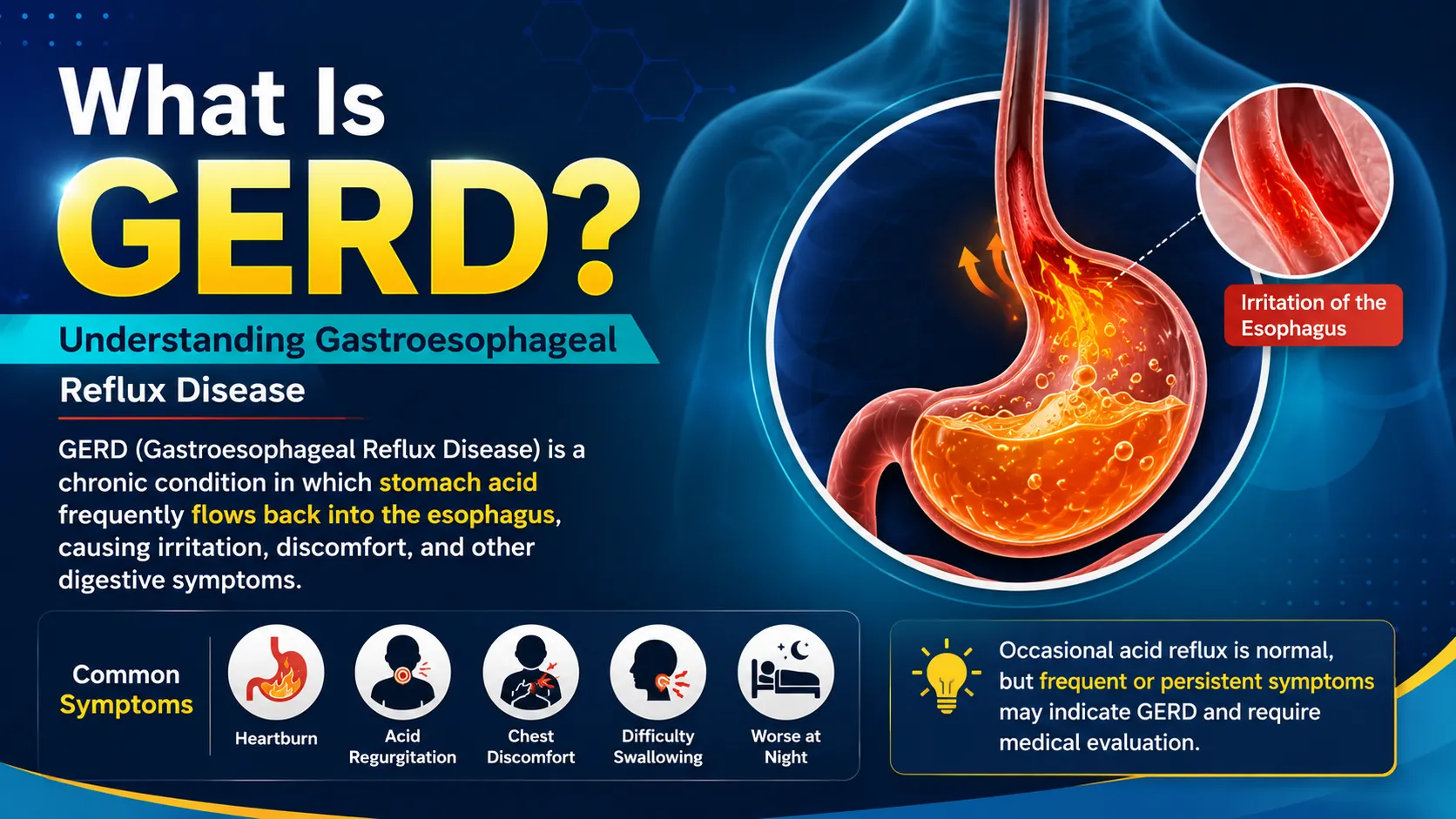
GERD, short for Gastroesophageal Reflux Disease, is a chronic digestive condition in which stomach acid repeatedly flows backward into the esophagus. Normally, a muscular valve called the lower esophageal sphincter (LES) closes after food enters the stomach. When this valve becomes weak or relaxes at the wrong time, stomach contents move upward into the esophagus, irritating it.
Unlike occasional acid reflux, GERD occurs regularly and may continue for months or even years if left untreated. Repeated exposure to stomach acid damages the lining of the esophagus, making professional evaluation important for people with persistent symptoms.
Many people use the terms acid reflux and GERD interchangeably, but they are not the same. Acid reflux refers to a temporary episode in which stomach acid moves into the esophagus. This may happen after eating a large meal, consuming spicy foods, or lying down immediately after dinner. In most cases, occasional reflux improves on its own or with simple lifestyle changes.
GERD, however, is a long-term medical condition characterized by frequent acid reflux. Symptoms occur repeatedly, often several times each week, and may interfere with daily activities or sleep. Without treatment, chronic GERD can increase the risk of complications involving the esophagus.
Feature | Occasional Acid Reflux | GERD |
Frequency | Happens occasionally | Happens repeatedly |
Duration | Temporary | Long-term condition |
Symptoms | Mild heartburn | Frequent heartburn, regurgitation, chest discomfort |
Complications | Rare | Possible if untreated |
Medical Care | Usually not required | Professional evaluation recommended |
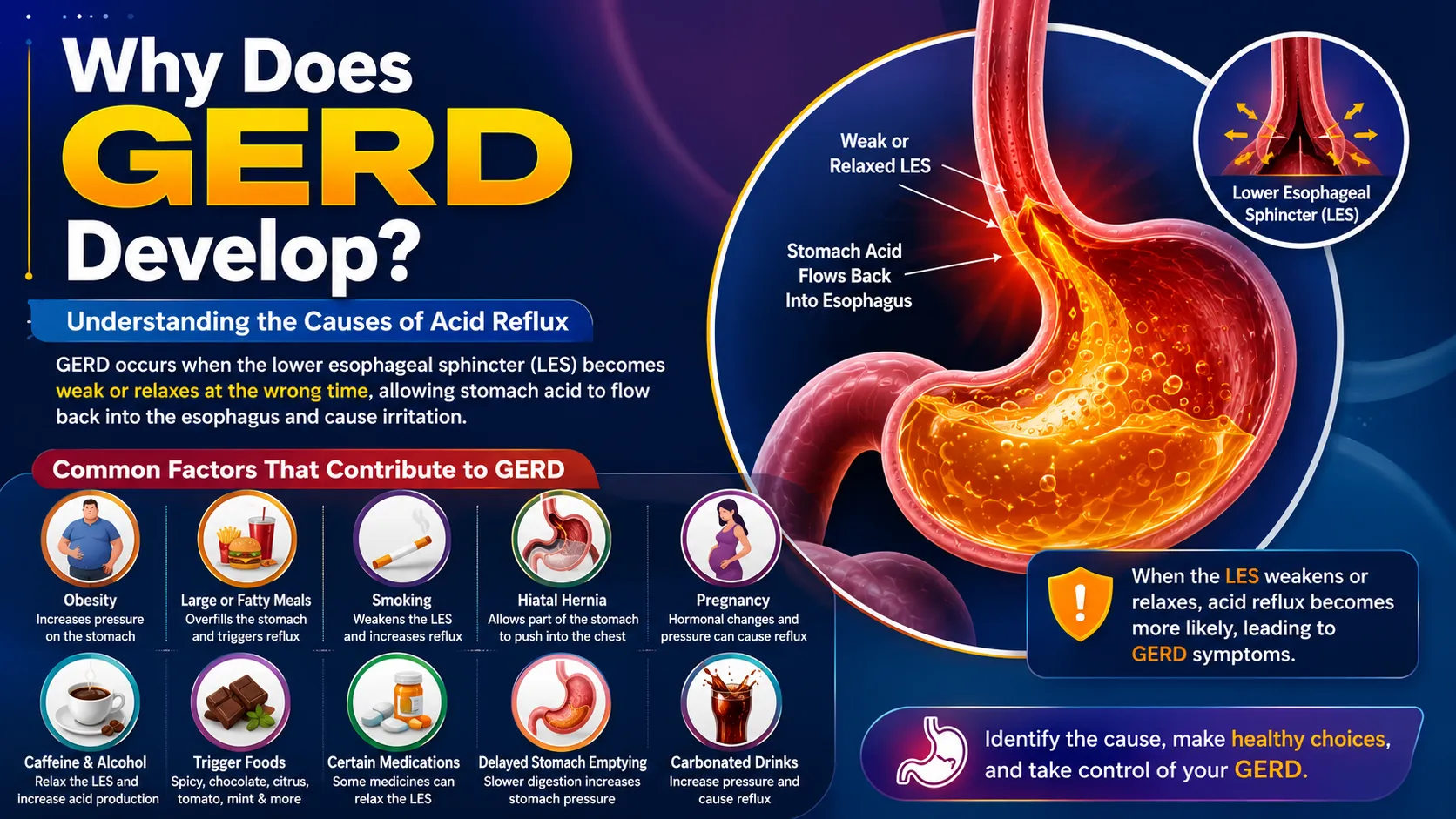
GERD develops when the protective mechanism between the stomach and esophagus stops working properly. The lower esophageal sphincter is designed to prevent stomach acid from moving upward. When it becomes weak or relaxes too often, acid escapes into the esophagus.
Several factors may contribute to this problem. Excess body weight increases pressure inside the abdomen, making reflux more likely. Pregnancy can also place additional pressure on the stomach.
Smoking weakens the lower esophageal sphincter, while certain medications may affect its normal function. Conditions such as hiatal hernia and delayed stomach emptying can further increase the risk of chronic acid reflux.
Dietary habits also play an important role. Eating very large meals, consuming fatty foods, or lying down soon after eating may trigger reflux episodes in susceptible individuals.
GERD symptoms may vary from one person to another. Some patients experience classic heartburn, while others mainly notice throat problems or chronic coughing.
The most common symptom is a burning sensation behind the breastbone, particularly after meals or while lying down. Many patients also experience sour-tasting fluid coming into the mouth, commonly known as acid regurgitation.
Other symptoms develop because stomach acid repeatedly irritates the esophagus and nearby tissues. People may notice difficulty swallowing, frequent throat clearing, persistent hoarseness, chronic cough, or a feeling that food becomes stuck after swallowing. Some individuals complain of bloating, nausea, or discomfort that becomes worse at night.
Because GERD symptoms sometimes resemble heart disease, any severe or sudden chest pain should always be assessed promptly to rule out a cardiac emergency.
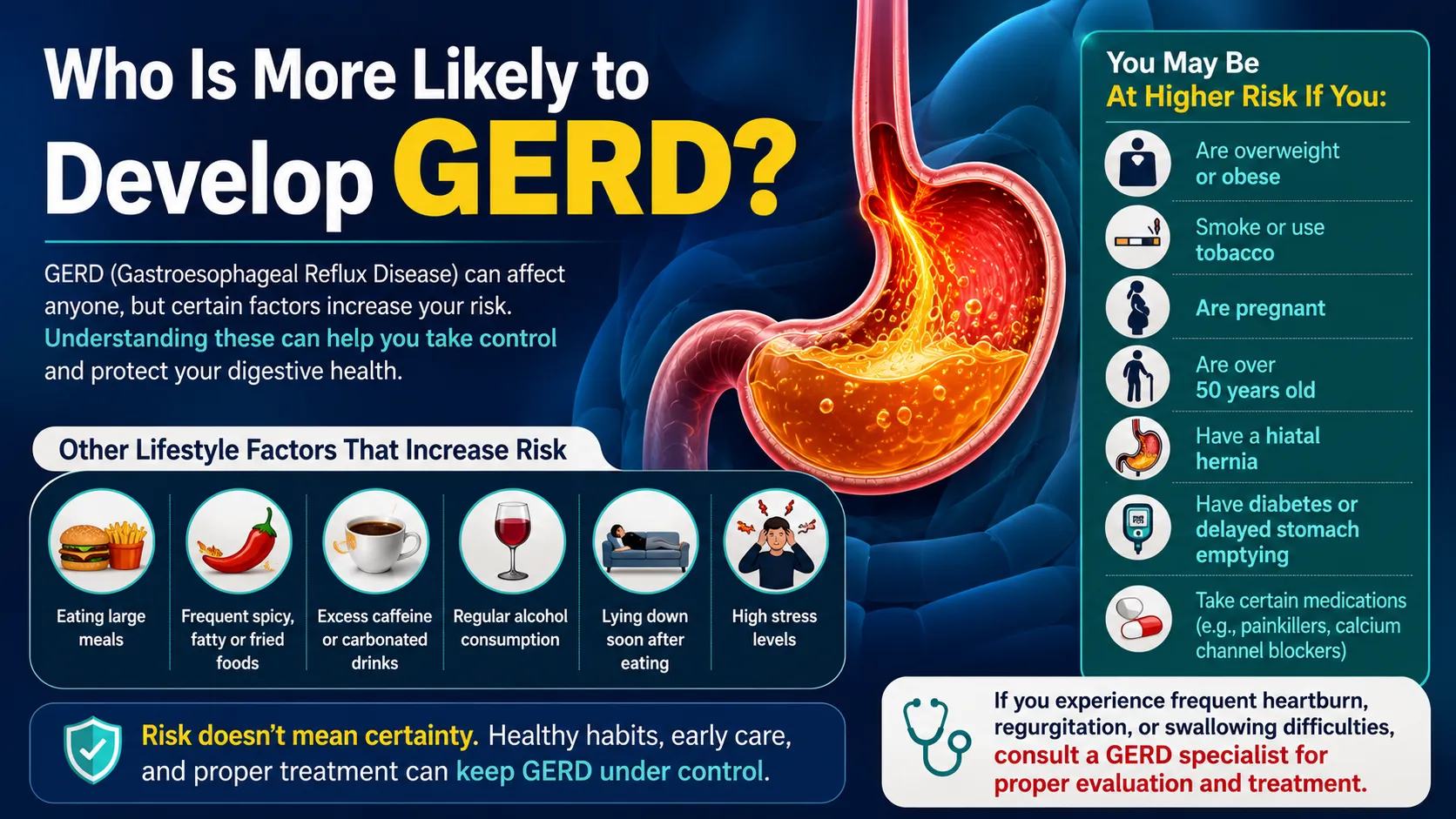
Although GERD can affect anyone, certain individuals have a higher chance of developing the condition. People who are overweight often experience increased abdominal pressure that promotes acid reflux.
Smokers are also at greater risk because nicotine weakens the lower esophageal sphincter. Pregnant women commonly experience reflux due to hormonal changes and increased pressure from the growing uterus.
Older adults may develop GERD because muscle function naturally changes with age. Individuals with hiatal hernia, diabetes affecting stomach emptying, or certain connective tissue disorders may also experience persistent reflux symptoms.
Lifestyle habits further influence the likelihood of GERD. Frequent consumption of high-fat meals, excessive caffeine, carbonated drinks, alcohol, and eating late at night can all increase reflux episodes in susceptible individuals.
Many people try to manage heartburn with over-the-counter medicines for months without identifying the underlying cause. While temporary relief may occur, persistent symptoms deserve medical evaluation.
You should consider seeing a specialist if acid reflux continues despite lifestyle changes or keeps returning after stopping medication. Difficulty swallowing, unexplained weight loss, vomiting blood, black stools, or chest discomfort associated with meals should never be ignored.
Long-standing reflux lasting several months also increases the need for professional assessment to prevent complications. Seeking medical advice early often allows GERD to be controlled before permanent damage develops in the esophagus.
Diagnosis begins with a detailed discussion about your symptoms, eating habits, medical history, and lifestyle. Many patients receive an initial diagnosis based on their clinical history alone, especially when classic symptoms are present.
If symptoms are severe, persistent, or associated with warning signs, further investigations may be recommended. Upper gastrointestinal endoscopy allows the specialist to examine the esophagus, stomach, and upper intestine for inflammation, ulcers, or other abnormalities.
In some cases, esophageal pH monitoring measures acid exposure over 24 hours, while esophageal manometry evaluates how well the muscles of the esophagus are functioning. These investigations help distinguish GERD from other digestive disorders and guide the most appropriate treatment plan.
The treatment for GERD depends on several factors, including the severity of symptoms, how long the condition has been present, the patient’s overall health, and whether complications have already developed.
Most people respond well to a combination of lifestyle modifications and medication, while a smaller number of patients may require advanced procedures or surgery. The primary goal of treatment is not only to relieve heartburn but also to reduce acid exposure, allow the esophagus to heal, prevent future damage, and improve overall quality of life.
A GERD specialist first determines the underlying cause of reflux before recommending the most appropriate treatment plan. Since every patient is different, treatment should always be individualized rather than based on someone else’s experience.
Yes. For many people with mild to moderate GERD, healthy lifestyle habits play a major role in controlling symptoms. Even patients who require medication often achieve better results when they combine treatment with lifestyle improvements.
One of the most effective changes is maintaining a healthy body weight. Excess abdominal fat increases pressure on the stomach, making acid reflux more likely. Even modest weight loss can significantly reduce symptoms in overweight individuals.
Meal timing is equally important. Eating large meals stretches the stomach and increases the likelihood of reflux. Smaller, balanced meals are generally easier to digest and reduce pressure on the lower esophageal sphincter.
Patients are also encouraged to avoid lying down immediately after eating. Waiting at least two to three hours before going to bed gives the stomach enough time to empty, reducing the chance of nighttime reflux.
Sleeping with the head slightly elevated may also help people who experience symptoms during the night. Elevation allows gravity to reduce the backflow of stomach acid while sleeping.
Smoking cessation is another important step because nicotine weakens the lower esophageal sphincter and increases acid reflux. Reducing alcohol consumption may also help many patients experience fewer reflux episodes.
Medication is often recommended when lifestyle changes alone do not provide sufficient relief. The type of medicine depends on symptom frequency, severity, and the presence of complications.
Antacids provide quick but temporary relief by neutralizing stomach acid. They are generally suitable for occasional symptoms but are not considered long-term treatment for chronic GERD.
H2 receptor blockers reduce acid production and may be helpful for patients with mild or moderate reflux. Their effects usually last longer than antacids but are generally less potent than proton pump inhibitors.
Proton pump inhibitors (PPIs) are among the most commonly prescribed medications for GERD. They significantly reduce stomach acid production, allowing the inflamed esophagus to heal. For many patients with moderate to severe GERD, PPIs remain the first-line medical treatment when prescribed appropriately by a physician.
In selected cases, medications that improve stomach emptying or strengthen digestive movement may also be considered. However, these are not suitable for every patient and should only be used under medical supervision.
Long-term medication should never be started or continued without regular follow-up, as the specialist may need to adjust treatment according to symptom improvement and overall health.
Not every patient with GERD requires an endoscopy. However, this investigation becomes important when symptoms are severe, persistent, or associated with warning signs.
Upper gastrointestinal endoscopy allows the doctor to directly examine the lining of the esophagus, stomach, and upper small intestine using a flexible camera. This helps identify inflammation, ulcers, narrowing of the esophagus, bleeding, or other abnormalities.
Endoscopy is commonly recommended for patients who have difficulty swallowing, unexplained weight loss, anemia, recurrent vomiting, gastrointestinal bleeding, or symptoms that do not improve despite appropriate treatment.
The procedure is generally safe and provides valuable information that helps guide future treatment decisions.
Although most patients achieve good symptom control through lifestyle changes and medication, surgery may be considered in selected situations.
Surgical treatment is usually recommended for patients with severe reflux that does not respond adequately to medication, those who develop complications, or individuals with significant anatomical problems such as a large hiatal hernia.
The most commonly performed procedure is fundoplication, in which the upper portion of the stomach is wrapped around the lower esophagus to strengthen the anti-reflux barrier. This helps prevent stomach acid from flowing back into the esophagus.
Modern surgical techniques are often performed laparoscopically, allowing smaller incisions, faster recovery, and shorter hospital stays for suitable patients. The decision to proceed with surgery is made only after careful clinical evaluation and appropriate diagnostic testing.
Food does not cause GERD by itself, but certain foods can relax the lower esophageal sphincter or increase stomach acid production, making symptoms worse.
Fatty and fried meals are among the most common triggers because they slow stomach emptying and increase pressure inside the stomach. Highly spicy foods may also worsen symptoms in some individuals.
Chocolate, coffee, tea containing caffeine, carbonated beverages, citrus fruits, tomatoes, peppermint, and alcohol are frequently reported triggers. However, not every patient reacts to the same foods.
Instead of eliminating large groups of foods unnecessarily, specialists often recommend keeping a food diary to identify personal triggers. This approach allows patients to maintain a balanced diet while avoiding foods that consistently worsen their symptoms.
Although there is no single GERD diet that works for everyone, choosing balanced meals made from easily digestible foods may reduce reflux episodes.
Whole grains such as oatmeal and brown rice are generally well tolerated because they are rich in fiber and help promote healthy digestion. Lean protein sources including skinless chicken, fish, and legumes provide nutrition without excessive fat.
Many vegetables, particularly leafy greens, broccoli, cucumbers, carrots, and beans, are naturally low in acid and suitable for most patients. Bananas, melons, and apples are often better tolerated than highly acidic fruits.
Low-fat dairy products may also be appropriate for some individuals, although tolerance varies from person to person. Rather than following restrictive diets, patients benefit most from eating balanced meals in moderate portions and identifying foods that personally trigger symptoms.
Yes. Although many people think of GERD as only heartburn, persistent acid reflux can gradually damage the lining of the esophagus if left untreated. Repeated inflammation may lead to esophagitis, causing pain and difficulty swallowing. In some patients, chronic irritation results in ulcers that may bleed or cause significant discomfort.
Over time, healing may produce scar tissue that narrows the esophagus, making swallowing increasingly difficult. This condition is known as an esophageal stricture. Long-standing GERD may also increase the risk of Barrett’s esophagus, a condition in which the cells lining the lower esophagus change because of continuous acid exposure.
While Barrett’s esophagus does not mean cancer is present, it requires regular monitoring because it slightly increases the risk of developing esophageal adenocarcinoma in the future. Early diagnosis and consistent treatment greatly reduce the likelihood of these complications.
Many patients notice that reflux symptoms become worse during the night. Lying flat allows stomach acid to move more easily into the esophagus, leading to nighttime heartburn, coughing, throat irritation, or sudden awakening with a sour taste in the mouth.
Poor sleep caused by GERD can contribute to daytime fatigue, reduced concentration, decreased work performance, and lower overall quality of life.
Some people also avoid certain foods, social gatherings, or physical activities because they fear triggering symptoms. Fortunately, appropriate treatment usually allows patients to return to their normal routines with much greater comfort.
Although every patient has different triggers, several daily habits consistently help reduce reflux symptoms when practiced regularly.
These habits may seem simple, but when followed consistently, they often make a significant difference in long-term symptom control.
Finding the right doctor is one of the most important steps toward successful GERD treatment. While many people experience occasional heartburn, persistent acid reflux requires evaluation by a physician who has experience in diagnosing digestive disorders and identifying the root cause of symptoms.
A good GERD specialist does more than prescribe acid-reducing medication. They carefully review your medical history, assess your symptoms, recommend appropriate investigations when necessary, and develop a treatment plan based on your individual health needs. The goal is to control symptoms while also preventing long-term complications.
When selecting a GERD specialist in Karachi, it is helpful to consider the doctor’s qualifications, clinical experience, patient communication, access to diagnostic facilities, and commitment to evidence-based treatment.
Regular follow-up care is equally important because GERD symptoms may change over time, requiring adjustments to medication or lifestyle recommendations. Choosing an experienced physician also helps reduce unnecessary investigations and ensures that other conditions with similar symptoms are not overlooked.
This is one of the most common questions patients ask. The answer depends on the underlying cause of the disease. For many individuals, GERD can be controlled very successfully with healthy lifestyle habits, appropriate medication, and regular medical follow-up.
Some people experience long periods without symptoms after making dietary changes and maintaining a healthy weight. However, GERD is considered a chronic condition for many patients.
This means treatment focuses on controlling symptoms, healing the esophagus, preventing complications, and reducing future flare-ups rather than offering a permanent cure in every case.
Patients with structural problems, such as a hiatal hernia, may require additional treatment, while selected individuals achieve long-term symptom relief after anti-reflux surgery. The earlier GERD is diagnosed, the easier it is to manage and the lower the risk of developing complications.
Although not every case can be prevented, adopting healthy daily habits can significantly reduce the likelihood of developing chronic acid reflux or experiencing frequent flare-ups.
Maintaining a healthy body weight, eating balanced meals, avoiding overeating, and allowing enough time between dinner and bedtime all help reduce pressure on the stomach and lower the chance of acid reflux.
Avoiding smoking, limiting alcohol consumption, and identifying foods that personally trigger symptoms also contribute to better digestive health. People who already have mild reflux may prevent progression to chronic GERD by seeking medical advice before symptoms become persistent. Preventive care is often more effective than waiting until complications develop.
No. Acidity usually refers to occasional excess stomach acid or temporary heartburn, whereas GERD is a chronic condition in which acid repeatedly flows back into the esophagus and causes ongoing symptoms.
Yes. GERD may cause a burning sensation or discomfort in the chest that sometimes resembles heart-related pain. Because chest pain can also indicate a heart emergency, new or severe chest pain should always be assessed immediately by a healthcare professional.
No. Occasional heartburn after eating spicy or heavy meals is common and does not necessarily mean a person has GERD. Symptoms that occur repeatedly or interfere with daily life require medical evaluation.
Upper gastrointestinal endoscopy is generally a well-tolerated procedure. Most patients receive sedation to improve comfort, and the examination usually takes only a short time.
The duration of treatment varies depending on symptom severity, the underlying cause, and the patient’s response to therapy. Some people improve within a few weeks, while others require longer-term management and follow-up.
Yes. Infants, children, and adults can all develop GERD, although symptoms and treatment approaches may differ according to age.
Stress alone does not directly cause GERD, but it can make symptoms feel worse and contribute to habits such as overeating, smoking, or consuming excessive caffeine, all of which may increase acid reflux.
Myth | Fact |
Heartburn after every meal is normal. | Frequent heartburn may be a sign of GERD and should be evaluated by a doctor. |
Taking antacids permanently cures GERD. | Antacids provide temporary relief but do not treat the underlying cause of chronic GERD. |
Only older adults develop GERD. | GERD can affect adults of all ages and even children. |
Surgery is needed for every patient with GERD. | Most patients improve with lifestyle changes and medication, while surgery is reserved for selected cases. |
Ignoring GERD is harmless. | Untreated GERD can lead to complications such as esophagitis, strictures, and Barrett’s esophagus. |
GERD is a common digestive disorder that should not be ignored when symptoms become frequent. While occasional acid reflux is normal, repeated heartburn, acid regurgitation, difficulty swallowing, or nighttime reflux may indicate Gastroesophageal Reflux Disease and require professional medical evaluation.
With an accurate diagnosis, appropriate treatment, healthy lifestyle changes, and regular follow-up, most patients can successfully manage GERD and reduce the risk of long-term complications.
If you are looking for a GERD specialist in Karachi, Dr. Asif Aziz Sahito (MBBS, FCPS) is a Consultant Physician with more than 17 years of experience in diagnosing and treating digestive, stomach, liver, and gastrointestinal conditions.
Book an appointment today to receive a personalized evaluation and take the first step toward lasting relief from GERD and better digestive health.