Subtotal $0.00


Medova is a convenience services to the adaptability, Spacious modern villa living room with centrally placed swimming pool blending indooroutdoor
Medova is a convenience services to the adaptability, Spacious modern villa living room with centrally placed swimming pool blending indooroutdoor
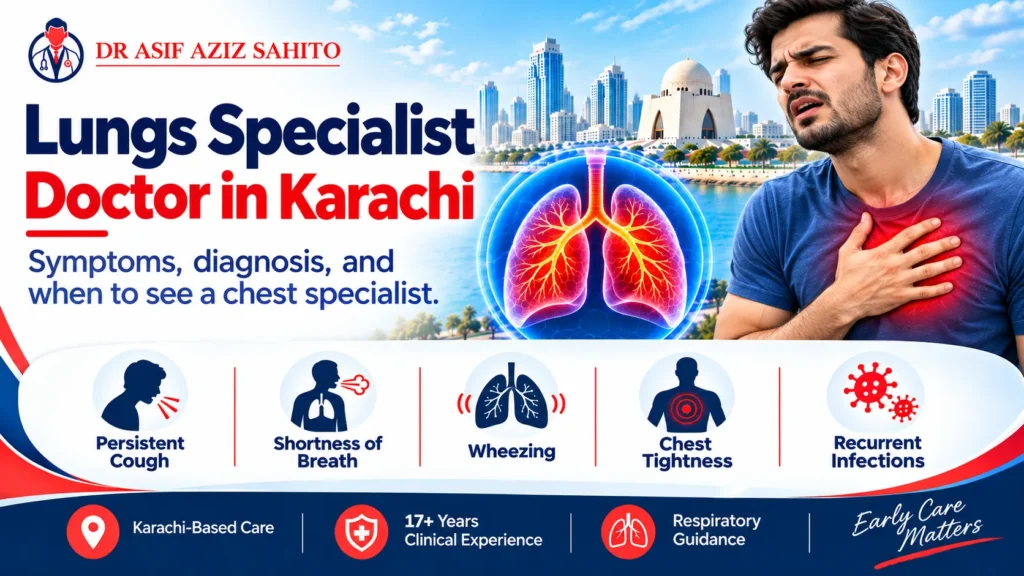
A lungs specialist doctor diagnoses and treats health problems that affect the lungs and airways. The medical term for a doctor trained in lung diseases is pulmonologist. You may also hear the term chest specialist.
These doctors assess conditions that affect breathing, including asthma, chronic obstructive pulmonary disease (COPD), lung infections, and other respiratory disorders.
Their work includes finding the cause of symptoms, reviewing medical tests, and planning treatment. For example, if you often feel short of breath while walking, a doctor may check your breathing, medical history, and lung function.
Not every breathing problem needs a specialist from the start. A Consultant Physician can assess many common symptoms and help decide whether further care is necessary. The goal is to find the cause of your symptoms rather than simply treating them for a short time.
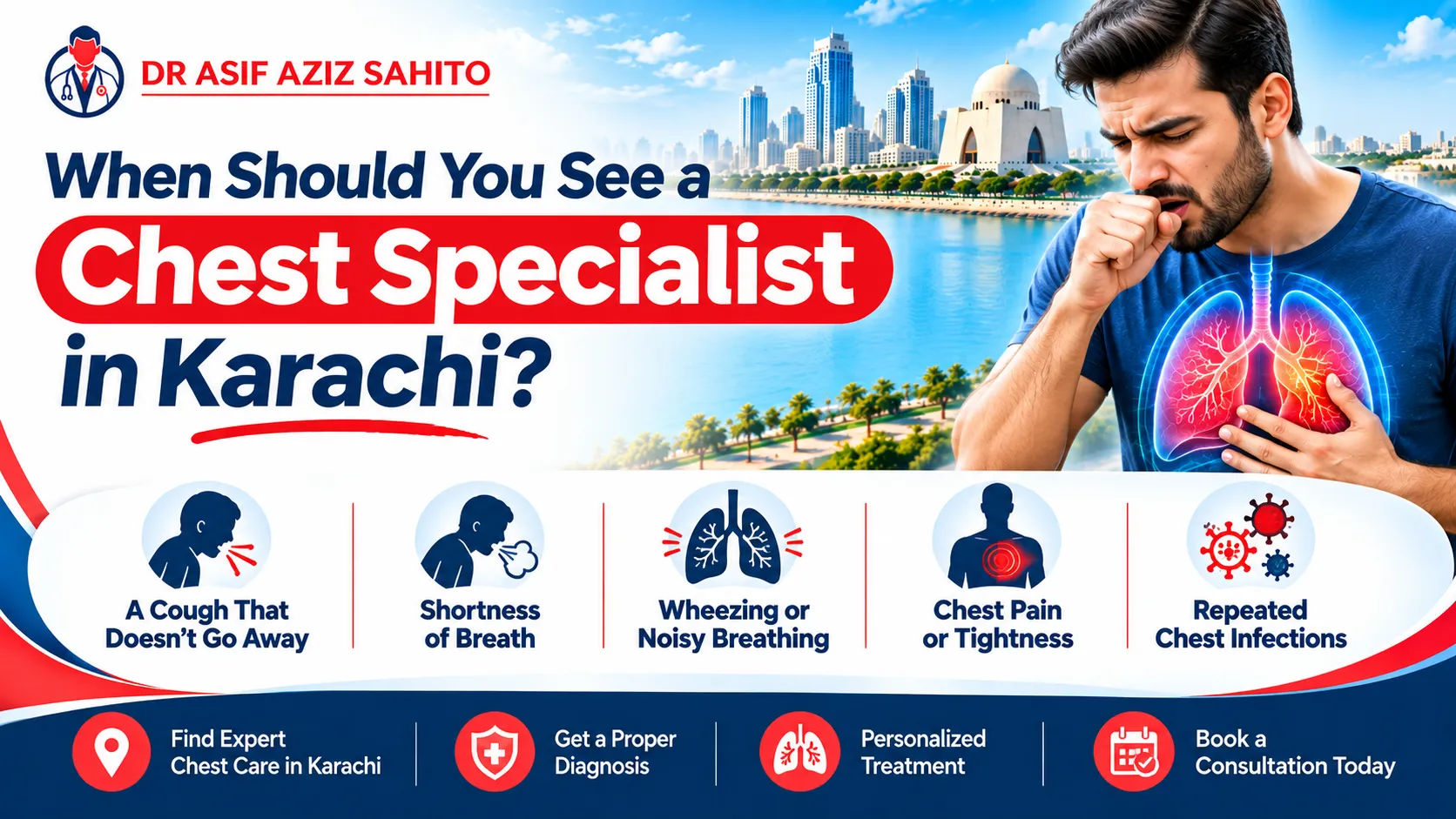
You should seek medical advice if you have a cough that lasts more than three weeks, repeated wheezing, or breathing problems that affect your daily life. Symptoms can develop slowly. You might first notice that climbing stairs feels harder than usual. You may also develop a cough at night or feel tired after light activity. These changes are worth discussing with a doctor.
Most coughs improve within a few weeks. However, a cough that lasts longer than three weeks should be checked. An ongoing cough may be linked to asthma, allergies, acid reflux, smoking, infection, or another health condition.
A doctor may ask whether your cough is dry or produces mucus. They may also check if it gets worse at night or after exposure to dust.
Feeling breathless after heavy exercise can be normal. But breathing difficulty during simple tasks may point to a health problem. For example, you may struggle to walk a short distance or climb a few stairs.
Persistent or unexplained shortness of breath needs medical assessment. Sudden or severe breathing difficulty requires emergency care.
Wheezing is a whistling sound that can happen when you breathe. It often occurs when the airways become narrow. Asthma is one possible cause, but other conditions can also cause wheezing. If wheezing keeps returning, a medical check can help identify the reason.
Some people develop chest infections more often than others. Repeated infections may need further assessment, especially if symptoms are severe or recovery takes longer than expected. Your doctor may review your health history and recommend tests to check for an underlying problem.
Chest tightness can occur with asthma and other lung conditions. However, chest pain can also be linked to heart problems and other serious conditions. Do not assume chest pain is caused by the lungs. Sudden or severe chest pain needs urgent medical assessment.
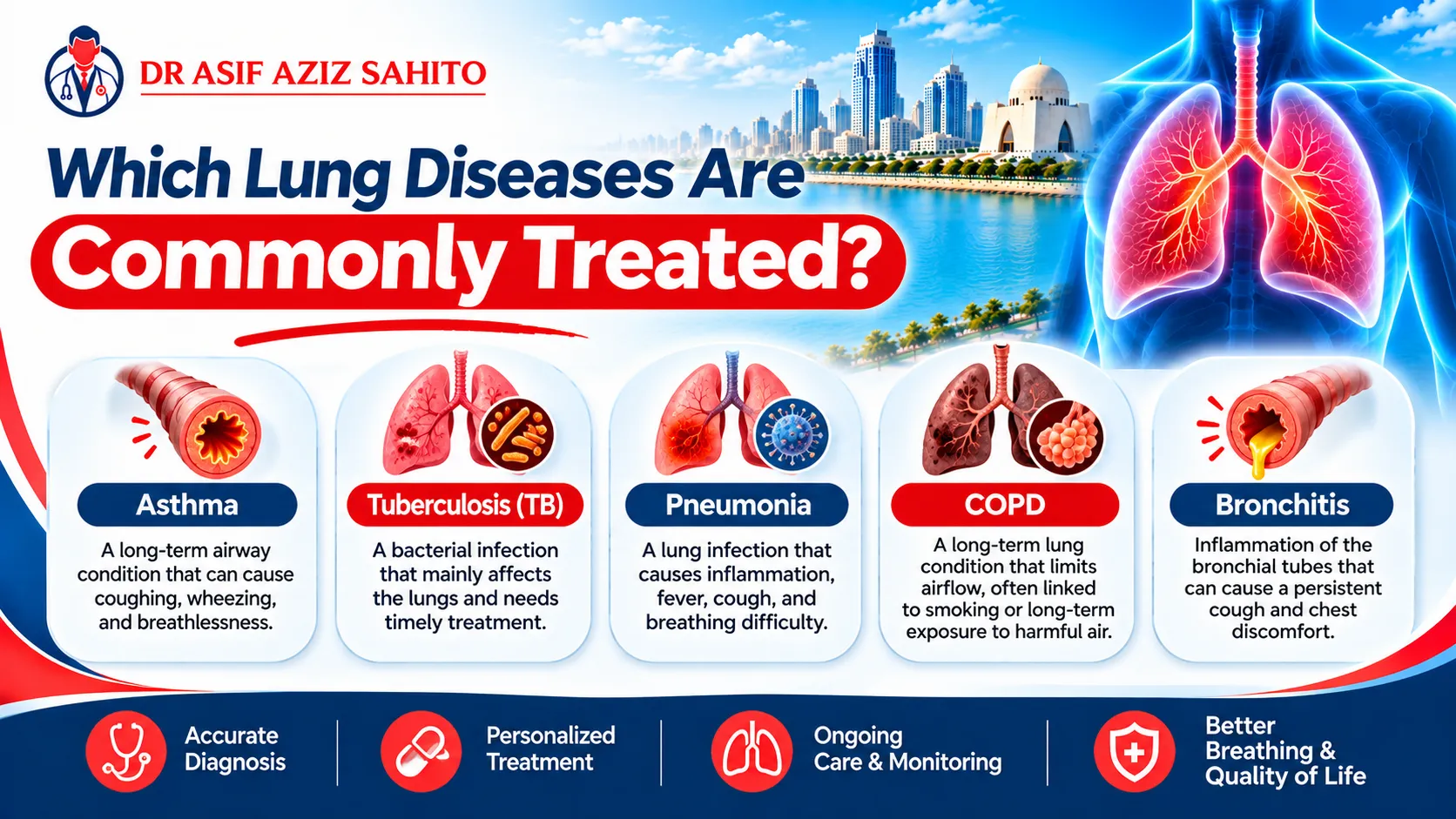
A pulmonologist in Karachi may assess many respiratory conditions. The right treatment depends on the diagnosis, severity, and the patient’s overall health.
Asthma is a long-term condition that affects the airways. It can cause coughing, wheezing, chest tightness, and shortness of breath. Symptoms may become worse after exposure to dust, smoke, cold air, or other triggers.
Asthma treatment often involves prescribed inhalers, trigger management, and regular follow-up. Some patients need ongoing treatment even when they feel well. Good asthma care aims to control symptoms and reduce future attacks.
Tuberculosis is an infectious disease caused by bacteria. It most often affects the lungs. Common symptoms include a prolonged cough, fever, night sweats, tiredness, and unexplained weight loss. TB spreads through the air, so early diagnosis is important.
A doctor may recommend sputum testing and chest imaging when TB is suspected. TB can be treated with the right medicines. Patients should follow their prescribed treatment plan and avoid stopping medicines without medical advice.
Pneumonia is an infection that causes inflammation in the lungs. Symptoms may include fever, cough, chest discomfort, tiredness, and breathing difficulty.
Some patients recover at home with suitable treatment. Others may need hospital care, especially if their illness is severe. Treatment depends on the cause of the infection and the patient’s condition.
COPD is a long-term lung condition that limits airflow. Smoking is a major risk factor. Long-term exposure to harmful smoke, dust, and fumes can also contribute.
Common symptoms include a persistent cough, mucus production, and difficulty breathing. COPD cannot always be reversed, but proper treatment can help control symptoms and improve daily life.
Bronchitis occurs when the bronchial tubes become inflamed. It can cause coughing, mucus, and chest discomfort. Acute bronchitis often follows a respiratory infection and commonly improves without antibiotics. A cough that continues or keeps returning may need further investigation.
Many patients searching for the best lungs doctor in Karachi are unsure which type of doctor they need. The following comparison can help.
Doctor Type | Main Role | When to Consider |
Pulmonologist | Specialist care for lung and airway diseases | Complex asthma, COPD, unexplained breathlessness, or persistent lung problems |
Chest Specialist | Common term for a doctor focused on chest and respiratory conditions | Ongoing cough, wheezing, or suspected lung disease |
Consultant Physician | Assessment and treatment of a wide range of adult medical conditions | Initial assessment of cough, asthma symptoms, infections, and general health concerns |
Emergency Physician | Immediate assessment and treatment of urgent conditions | Severe breathing difficulty, major chest pain, or other emergency symptoms |
The best choice depends on your symptoms. A Consultant Physician may be a suitable starting point for common respiratory complaints. However, complex or poorly controlled lung disease may require a pulmonologist.
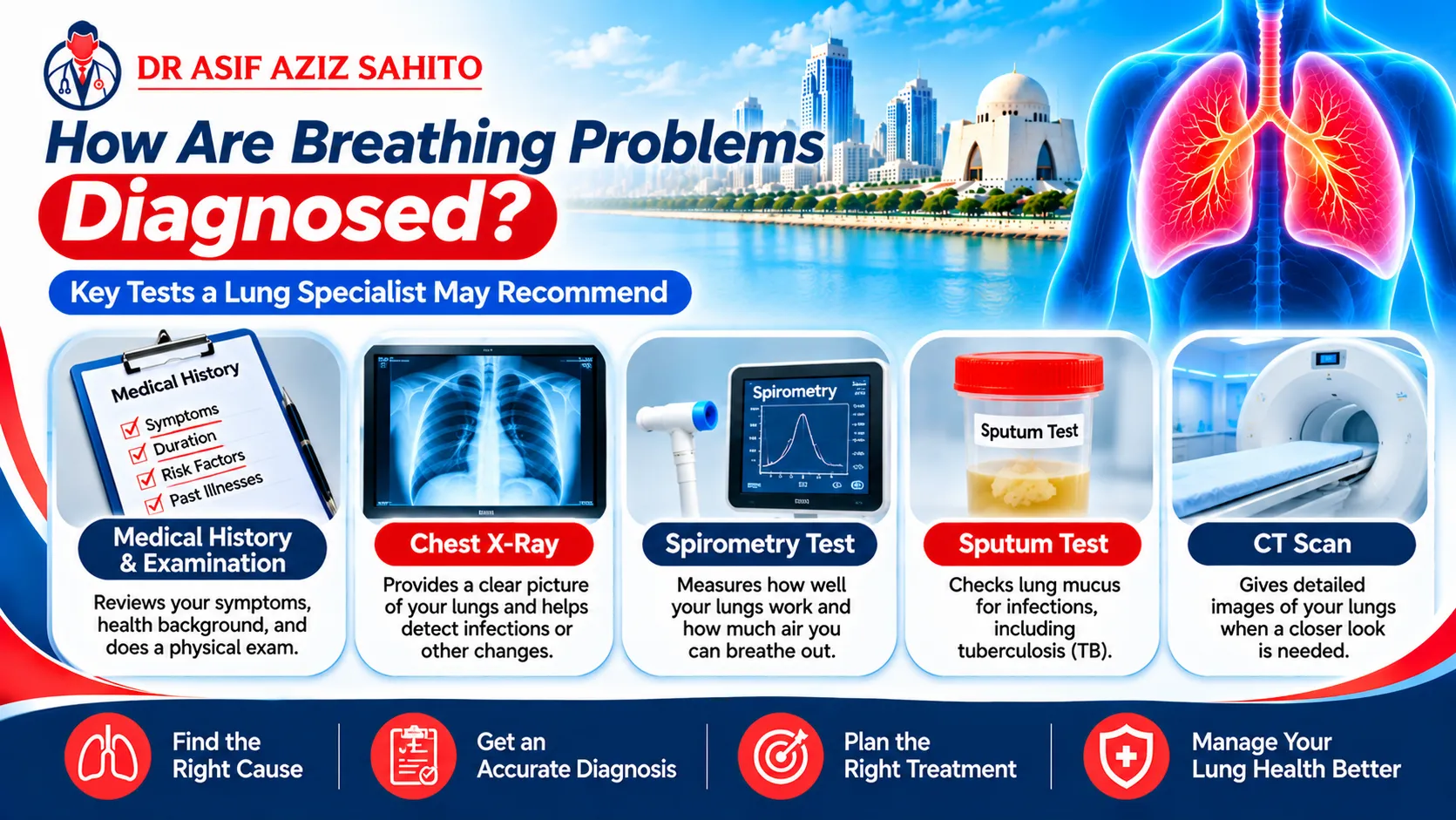
A proper diagnosis usually begins with a medical history and physical examination. Your doctor will ask when your symptoms started, how often they occur, and what makes them worse. They may also ask about smoking, workplace exposure, recent infections, and previous health conditions.
A chest X-ray produces images of the lungs and nearby structures. It may help identify pneumonia, certain lung changes, or signs that need further investigation. An X-ray alone cannot diagnose every respiratory condition.
Spirometry measures how much air you can breathe out and how quickly you can do so. It is often used to assess asthma and COPD. During the test, you breathe into a device while following instructions. The results help the doctor assess airflow and decide whether more tests are needed.
A sputum test checks mucus collected from the lungs. It can help investigate certain infections, including TB. The type of test depends on which infection the doctor suspects.
A CT scan provides more detailed images of the lungs than a standard chest X-ray. It may be recommended when symptoms or earlier test results need closer examination. Not every patient needs a CT scan.
A pulse oximeter is a small device placed on a finger to estimate blood oxygen levels. Doctors may use it during an assessment of breathing problems. The result is considered alongside symptoms and other findings.
The best pulmonologist in Karachi for one patient may not be the right choice for another. Instead of relying only on online rankings, focus on the doctor’s qualifications, experience, and suitability for your condition. Here are some useful points to check:
A top chest specialist in Karachi should be assessed through these practical factors, not an unsupported claim of being number one.
Patients seeking medical care for asthma, TB, or general breathing concerns can also learn about the services offered by Dr. Asif Aziz Sahito. Dr. Asif Aziz Sahito is a Consultant Physician based in Karachi. According to his official website, he has more than 17 years of clinical experience.
His listed areas of medical care include asthma and respiratory treatment, tuberculosis diagnosis and treatment, diabetes management, and general medical consultation.
His official About Us page identifies him as a Consultant Physician, not specifically as a specialist pulmonologist. This distinction matters because patients with complex lung conditions may need care from a doctor with dedicated pulmonology training.
The first consultation usually focuses on understanding your symptoms and medical history. For example, if you have a recurring cough, the assessment may include questions about its duration, possible triggers, fever, weight changes, and previous treatment.
The doctor may review your existing medical reports and decide whether further testing is appropriate. Depending on the findings, the next step may involve treatment, follow-up, or referral to another specialist. This approach helps patients understand their health concerns and make informed decisions.
Dr. Asif Aziz Sahito practices at:
Room #7, Ground Floor, NCCI/NMI, Depot Lines, Mansfield Street, Muhammad Ali Jinnah Road, Saddar, Karachi 74400, Pakistan.
Phone: 0333 3156510
Website: https://drasifazizsahito.com/
The website lists afternoon consultation hours. Patients should call to confirm the current schedule, appointment availability, and fees before visiting.
Air quality can affect breathing, especially in people with asthma or existing lung conditions. Karachi residents may encounter road dust, vehicle exhaust, construction dust, smoke, and workplace fumes. These exposures can irritate the airways and make some respiratory symptoms worse.
For example, a person with asthma may notice more coughing after travelling through heavy traffic. Someone working around dust may experience repeated throat irritation or breathing discomfort.
Environmental exposure does not mean a person has a lung disease. However, it is useful information to share with a doctor.
Small daily habits can help reduce exposure to common breathing irritants.
These steps support lung health but do not replace medical treatment.
Preparing for your appointment can make the discussion more useful. Bring any recent chest X-rays, CT reports, blood tests, or sputum test results you already have. You should also take a list of your current medicines and inhalers.
Try to remember when your symptoms started and whether anything makes them better or worse. If you have already taken treatment, tell the doctor what you used and whether it helped.
Do not stop prescribed medicines just to prepare for the appointment unless your healthcare professional has instructed you to do so. Clear information helps your doctor decide what to examine next.
Some symptoms should not wait for a routine appointment with a chest specialist. Seek immediate emergency care if you experience severe difficulty breathing, sudden severe chest pain, fainting, confusion, or blue or grey lips.
Coughing up more than a few small streaks of blood is another serious warning sign, especially with chest pain or breathing difficulty.
Even small amounts of blood in your mucus need prompt medical advice. If symptoms are severe, go to the nearest emergency department rather than waiting for a clinic consultation.