Subtotal $0.00


Medova is a convenience services to the adaptability, Spacious modern villa living room with centrally placed swimming pool blending indooroutdoor
Medova is a convenience services to the adaptability, Spacious modern villa living room with centrally placed swimming pool blending indooroutdoor

The main respiratory virus highlighted in recent Karachi hospital reports is seasonal influenza, including influenza A (H1N1). Other viruses may also cause fever and cough, so symptoms alone cannot confirm which infection a person has.
Influenza is a contagious respiratory infection. It mainly affects the nose, throat, and lungs. The virus spreads when an infected person coughs, sneezes, or breathes out infectious particles. Karachi hospitals reported a noticeable increase in patients with flu-like symptoms during October 2026. According to reports published on October 27–29:
These figures come from individual hospitals. They are not a confirmed citywide case total, and not every patient with fever has influenza.
Several factors can help respiratory viruses spread. During cooler months, people may spend more time indoors with closed windows. Crowded spaces also make close contact more likely. In Karachi, buses, schools, offices, shopping areas, and busy households can provide opportunities for infection to spread.
Poor indoor ventilation increases the risk of breathing in infectious particles. A person may also pass the virus to family members before realizing they are ill. Weather changes do not create influenza viruses. The infection occurs when someone is exposed to a virus.
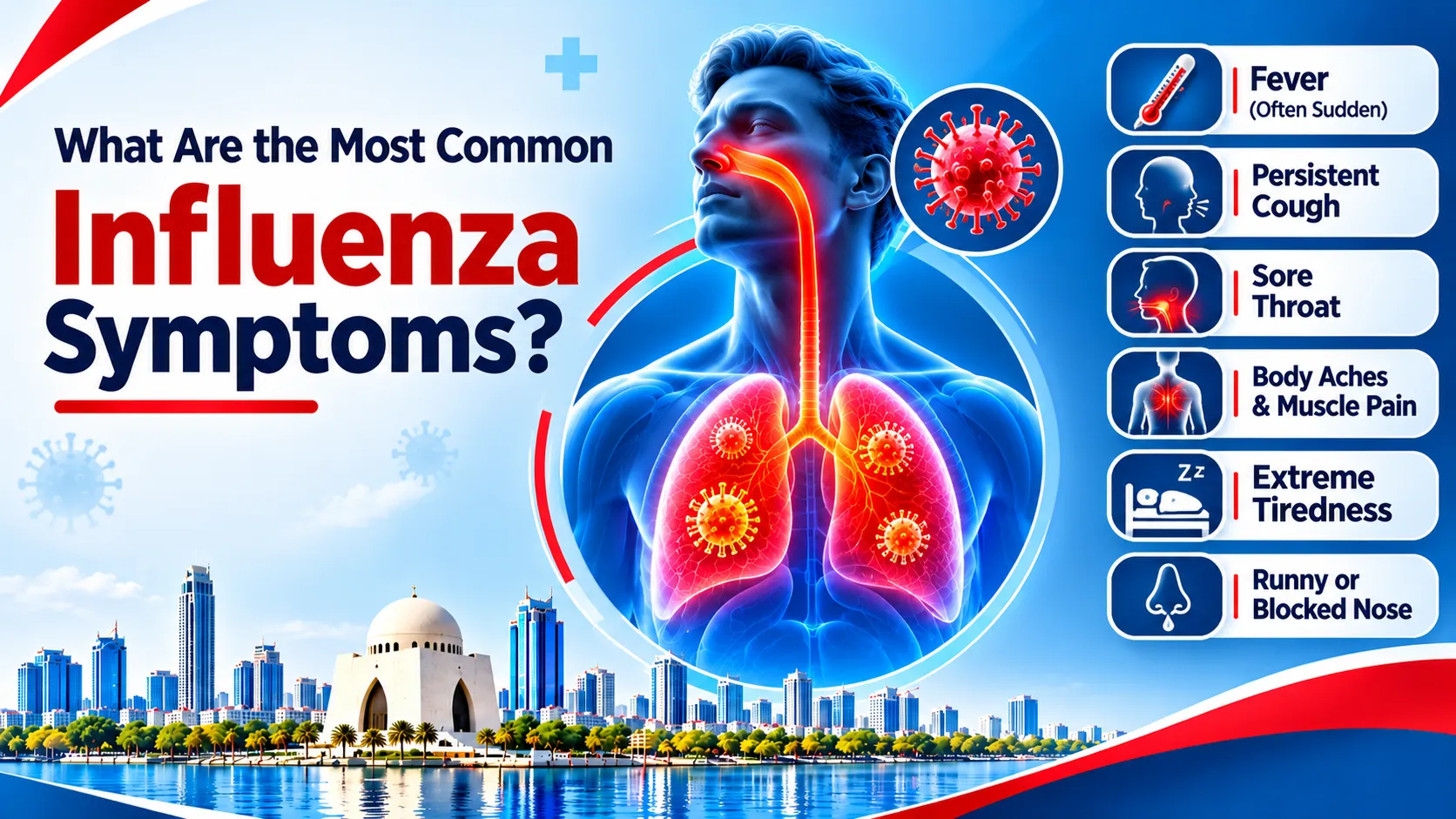
Influenza symptoms often begin suddenly. A person may feel normal in the morning and develop fever, chills, and body aches later in the day. Common influenza symptoms include:
Not everyone with influenza develops a fever. A common sign is the combination of sudden body pain, fatigue, and respiratory symptoms. Some people feel too weak to complete normal daily tasks. According to the CDC, influenza may also worsen existing illnesses such as asthma, diabetes, and heart disease.
With uncomplicated influenza, fever often improves within three to four days. Other symptoms may take longer. Many people feel much better within a week. However, cough and tiredness may continue for another week or more. Recovery depends on age, general health, and the type of infection.
If fever continues, returns after improving, or comes with new breathing problems, medical assessment is important. A fever lasting several days should not automatically be treated as influenza. Dengue, malaria, typhoid, and other illnesses may also need consideration in Karachi.
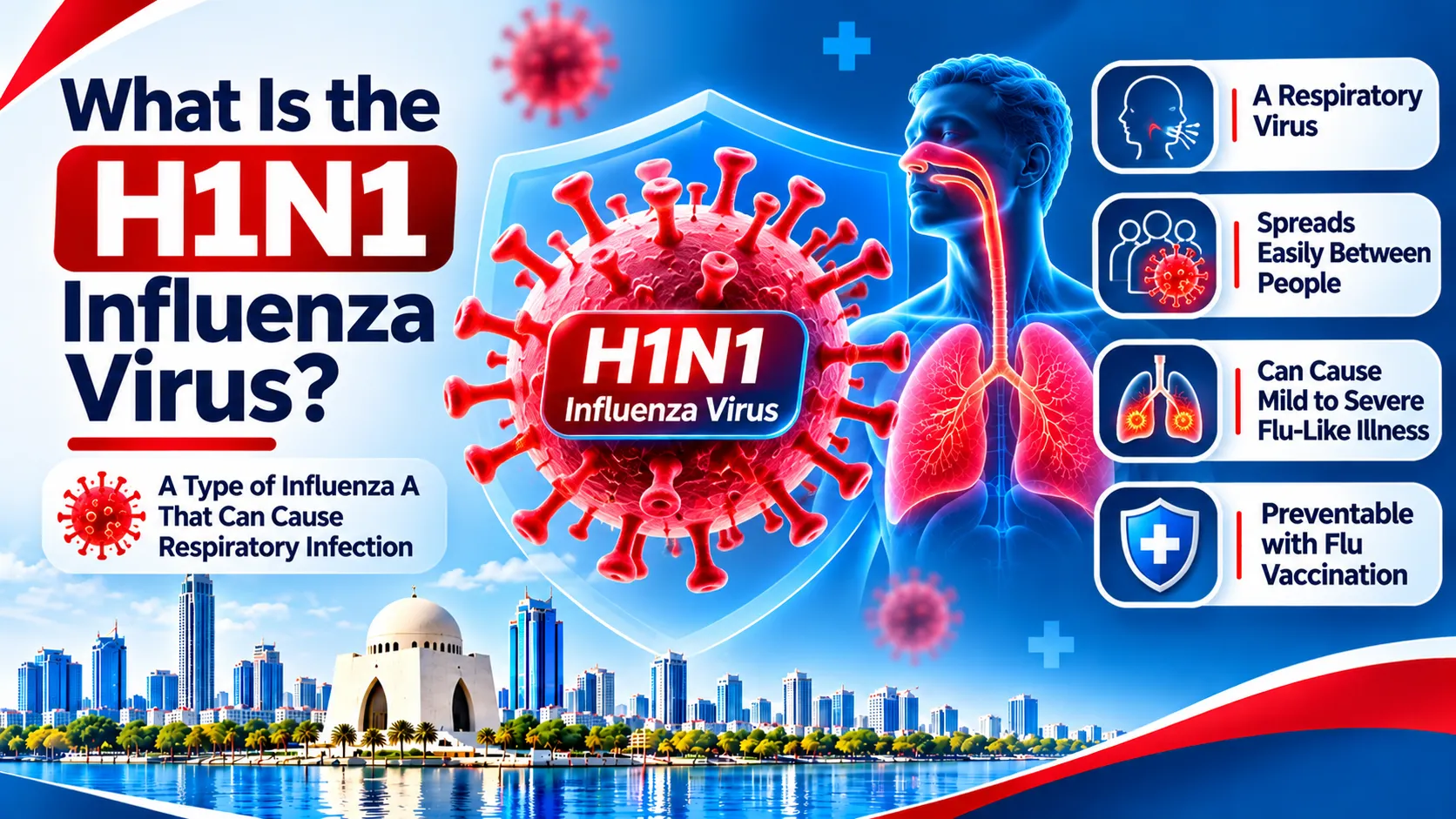
H1N1 is a subtype of influenza A. It is a respiratory virus that spreads between people. H1N1 became widely known during the 2009 influenza pandemic. Related H1N1 viruses now circulate as part of seasonal influenza.
The term swine flu is sometimes used for H1N1, but seasonal H1N1 spreads from person to person. You do not need contact with pigs to become infected. In October 2026, Karachi infectious disease specialists reported that H1N1 was circulating locally.
H1N1 symptoms are generally similar to other forms of seasonal influenza. A patient may develop a sudden fever, persistent cough, headache, sore throat, body aches, and severe tiredness. Some children may also experience vomiting or diarrhea.
In serious cases, the infection can affect the lungs and cause breathing difficulties. You cannot reliably identify H1N1 from symptoms alone. A laboratory test may be needed to confirm the infection or identify the influenza subtype.
Not necessarily. H1N1 is one of the viruses responsible for seasonal influenza, and many people recover without complications. However, H1N1 can cause serious illness, especially among people who are more likely to develop flu complications.
The main concern is not simply the name of the strain. A patient’s age, health, immune function, and symptoms all affect their risk. Any influenza infection can become serious if it causes pneumonia or worsens an existing medical condition.
Several infections can cause fever and body pain. This makes self-diagnosis difficult. The table below explains some common differences.
Condition | Common symptoms | Typical pattern | Important concern |
Common cold | Runny nose, sneezing, mild sore throat | Usually gradual | Often mild |
Seasonal influenza | Sudden fever, cough, headache, body aches, fatigue | Often starts suddenly | Pneumonia and worsening chronic disease |
H1N1 influenza | Fever, cough, sore throat, muscle aches, fatigue | Similar to other flu strains | May cause severe respiratory illness |
COVID-19 | Cough, fever, fatigue, sore throat, sometimes changes in smell or taste | Varies | Breathing problems in severe cases |
Dengue fever | High fever, headache, eye pain, body aches, sometimes rash | Often starts suddenly | Bleeding, dehydration, and shock in severe cases |
This table highlights typical patterns, not diagnostic rules. Symptoms overlap, and tests may be needed to identify the cause.
Dengue is another important cause of fever in Karachi. Unlike influenza, dengue spreads mainly through infected mosquitoes rather than through coughs and sneezes. A person with dengue may experience severe headache, pain behind the eyes, nausea, rash, or strong muscle and joint pain.
Warning signs include repeated vomiting, abdominal pain, bleeding, and unusual weakness. If dengue is possible, avoid taking aspirin or ibuprofen for fever unless a clinician has assessed the situation, because these medicines can increase bleeding risk. A doctor can assess symptoms and decide whether dengue testing or other investigations are needed.

Respiratory viruses, including influenza, mainly spread through particles released when an infected person breathes, talks, coughs, or sneezes. A person nearby may breathe in these particles. Infection can also occur when contaminated hands touch the nose, mouth, or eyes. The risk can increase in busy indoor spaces, especially when airflow is poor.
Yes. Respiratory infections can spread quickly between people living in the same home. Sharing a room, sitting close to someone who is coughing, or spending long periods together indoors may increase exposure.
Young children may also bring infections home from school. A person with influenza can sometimes spread the virus before symptoms become noticeable. This makes prevention important even when someone appears healthy.
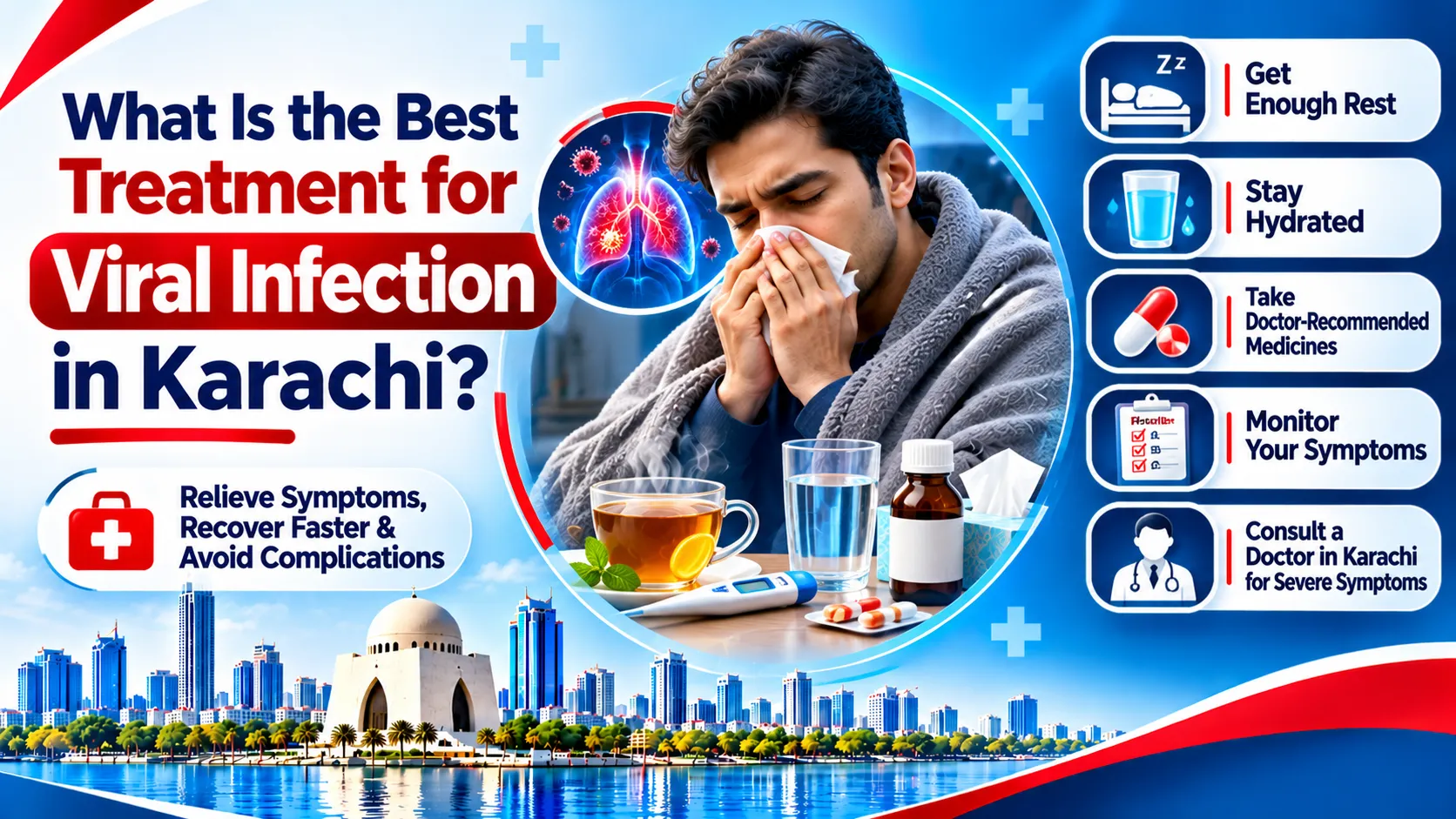
Treatment depends on the type of virus, symptom severity, and the patient’s health. Mild influenza often improves with supportive care. Serious infections may require prescription medicine, monitoring, or hospital treatment. There is no single medicine that treats every viral infection.
For a mild respiratory infection, doctors commonly recommend the following steps:
If dengue has not been ruled out, avoid aspirin and ibuprofen unless a healthcare professional advises otherwise. Home care is not a substitute for medical assessment when symptoms are severe or getting worse.
No. Antibiotics treat bacterial infections, not influenza viruses. Taking antibiotics without a valid medical reason will not shorten an uncomplicated viral illness. Unnecessary use can cause side effects and contribute to antibiotic resistance.
However, some patients develop bacterial complications, such as bacterial pneumonia. In these cases, a doctor may prescribe antibiotics after assessment.
Yes. Prescription antiviral medicines such as oseltamivir can treat influenza, including susceptible H1N1 infections.
Antiviral medicines work best when started within the first 48 hours of symptoms. However, treatment may still benefit patients with severe illness or those at high risk, even when started later.
Not every patient needs antiviral treatment. A doctor decides based on symptoms, risk factors, and clinical findings.
You should contact a doctor if your fever is persistent, symptoms become worse, or you have an existing medical condition that increases the risk of complications.
Seek medical advice early if you are pregnant, aged 65 or older, immunocompromised, or living with diabetes, asthma, heart disease, or chronic lung disease.
Seek immediate medical care if you experience difficulty breathing, severe chest pain, confusion, seizures, severe dehydration, or an inability to stay awake. Children may show warning signs such as fast breathing, unusual sleepiness, blue or grey lips, or very little urine.
A fever or cough that improves and then returns with worsening symptoms can also signal a complication. These signs should not be managed through home remedies alone.
Doctors do not recommend the same tests for every patient with fever. The first step is usually a medical history and physical examination. The doctor may check temperature, breathing rate, oxygen levels, and signs of dehydration.
When influenza testing is needed, options may include molecular tests such as RT-PCR or rapid influenza tests. Some molecular tests can identify influenza subtypes, including H1N1.
A negative rapid antigen test does not always rule out influenza. Depending on the symptoms, a doctor may also recommend a complete blood count, dengue testing, COVID-19 testing, or a chest X-ray. The purpose is to identify the likely cause and choose suitable treatment rather than ordering every available test.
Although healthy adults can become seriously ill, certain people have a higher risk of complications. These include young children, adults aged 65 or older, pregnant women, and people with weakened immune systems.
People living with asthma, chronic lung disease, diabetes, heart disease, kidney disease, or other significant medical conditions also require extra attention.
Influenza may worsen existing health problems even when the initial symptoms seem mild. Early consultation can help identify patients who may benefit from antiviral medicines or closer monitoring.
Preventing influenza requires several simple habits. No single precaution offers complete protection, but combining preventive measures can reduce the chance of infection.
The CDC recommends staying home until symptoms are improving and you have been free from fever for at least 24 hours without fever-reducing medicine. Extra precautions are advised for the next five days.
Seasonal influenza vaccines are designed to protect against selected influenza strains, including an H1N1 component.
Vaccination reduces the risk of influenza and its complications, although protection varies by season and individual factors.
Influenza viruses change over time, so vaccination is recommended annually for eligible people. A doctor can advise you about vaccine suitability, timing, and availability in Karachi.
If you have persistent viral fever, severe body pain, breathing symptoms, or concerns about H1N1, a qualified physician can help assess your condition.
Dr. Asif Aziz Sahito is a consultant physician in Karachi with more than 17 years of clinical experience, according to his official website.
His practice includes general medical consultations, respiratory conditions, diabetes management, and chronic disease care.
A consultation can help identify possible causes of fever, determine whether tests are needed, and develop a treatment plan suited to your health.