Subtotal $0.00


Medova is a convenience services to the adaptability, Spacious modern villa living room with centrally placed swimming pool blending indooroutdoor
Medova is a convenience services to the adaptability, Spacious modern villa living room with centrally placed swimming pool blending indooroutdoor
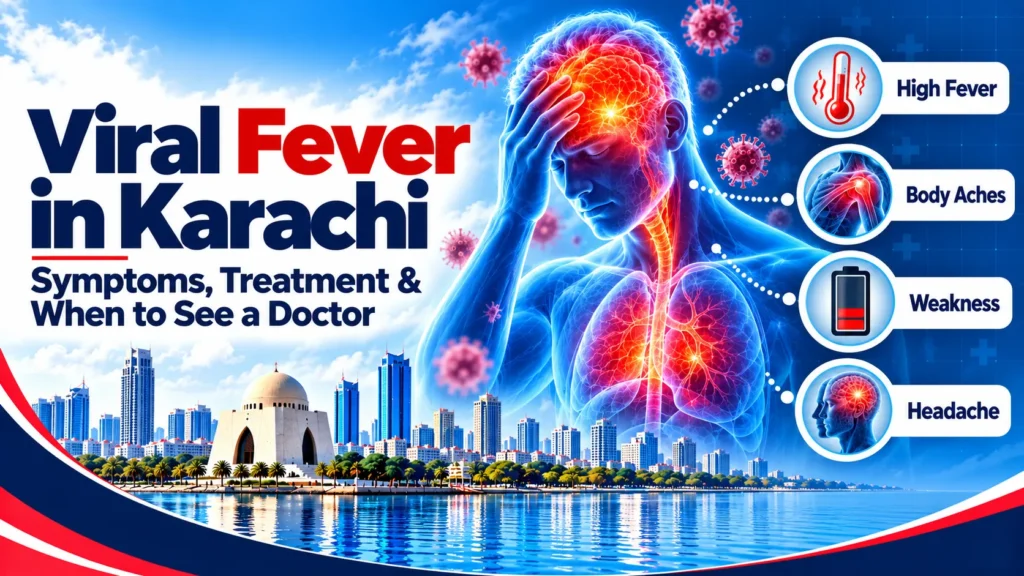
Viral fever is a rise in body temperature caused by an infection with a virus. It occurs when your immune system responds to an infection. A fever is generally considered a body temperature of 38°C (100.4°F) or higher, although the reading may vary based on how and where you measure it.
Many viruses can cause fever, including influenza viruses, respiratory viruses, dengue virus, and chikungunya virus. Viral fever is not a single disease. It is a symptom that can occur with several infections.
Some people have mild symptoms, while others develop intense body aches, fatigue, or dehydration. The type of virus, the person’s age, and their general health can affect how the illness progresses.
Most uncomplicated viral infections improve without specific antiviral medicine. Still, medical assessment is important when the fever lasts, becomes severe, or occurs with concerning symptoms.
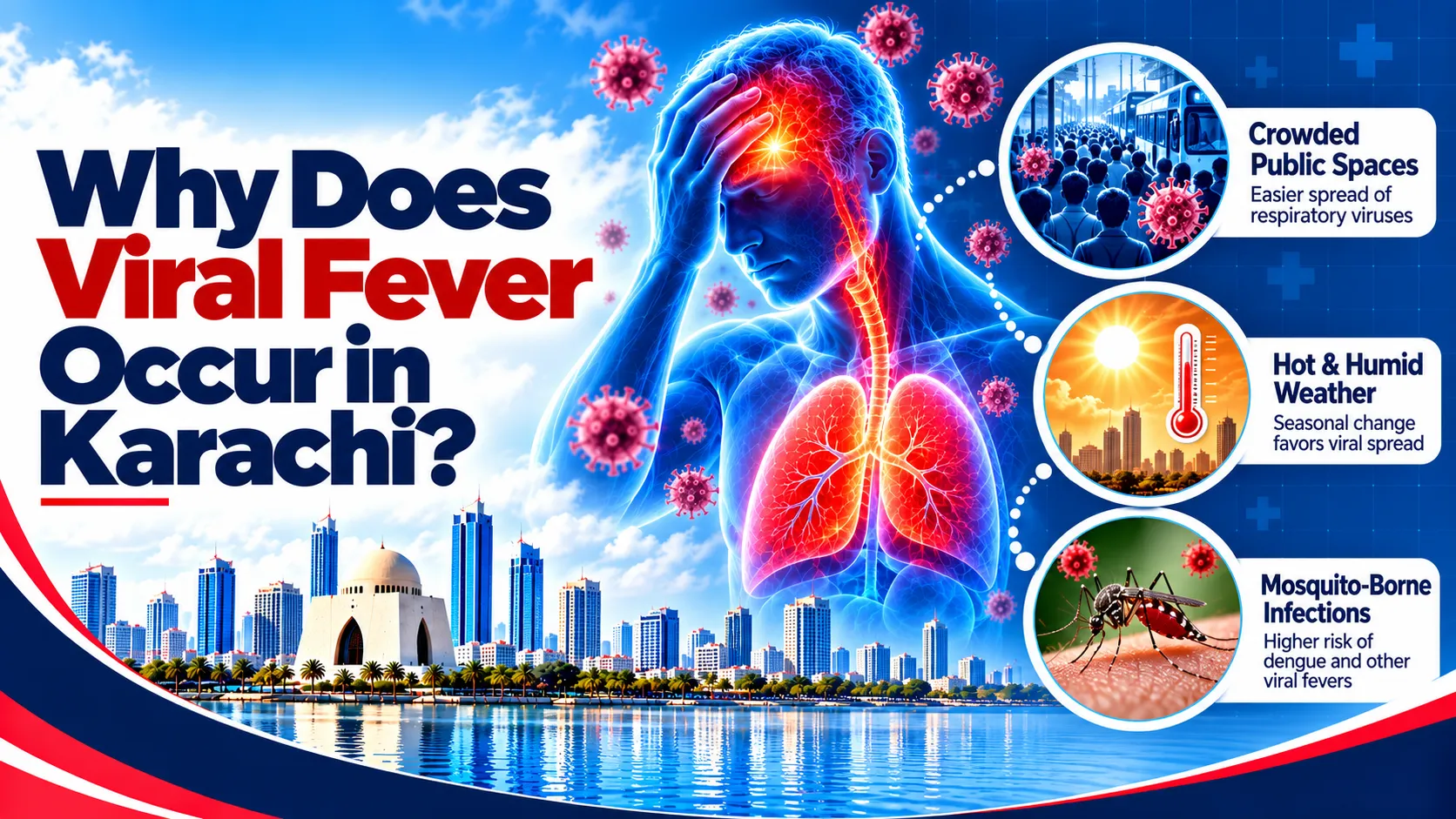
Karachi has conditions that allow several types of infections to spread. However, the causes differ depending on the virus involved.
Viruses that cause flu and other respiratory illnesses can spread through infectious particles released when a person breathes, talks, coughs, or sneezes.
Schools, offices, public transport, and indoor gatherings may increase exposure, especially when ventilation is poor. People who are infected may also spread certain respiratory viruses before they realize they are sick.
Dengue and chikungunya spread mainly through bites from infected Aedes mosquitoes. Standing water in open containers, uncovered tanks, and discarded items can provide mosquito breeding sites.
Rainfall and local environmental conditions can influence mosquito activity. However, mosquito-borne infections are not limited to rainy days.
Changes in weather may affect human behavior, mosquito populations, and the spread of certain infections. However, cold weather, rain, or temperature changes do not directly cause a viral infection. A person becomes infected through exposure to a virus.
This distinction matters because not every fever during a seasonal change is viral. Malaria, typhoid fever, and bacterial infections can also cause fever and may require different treatment.
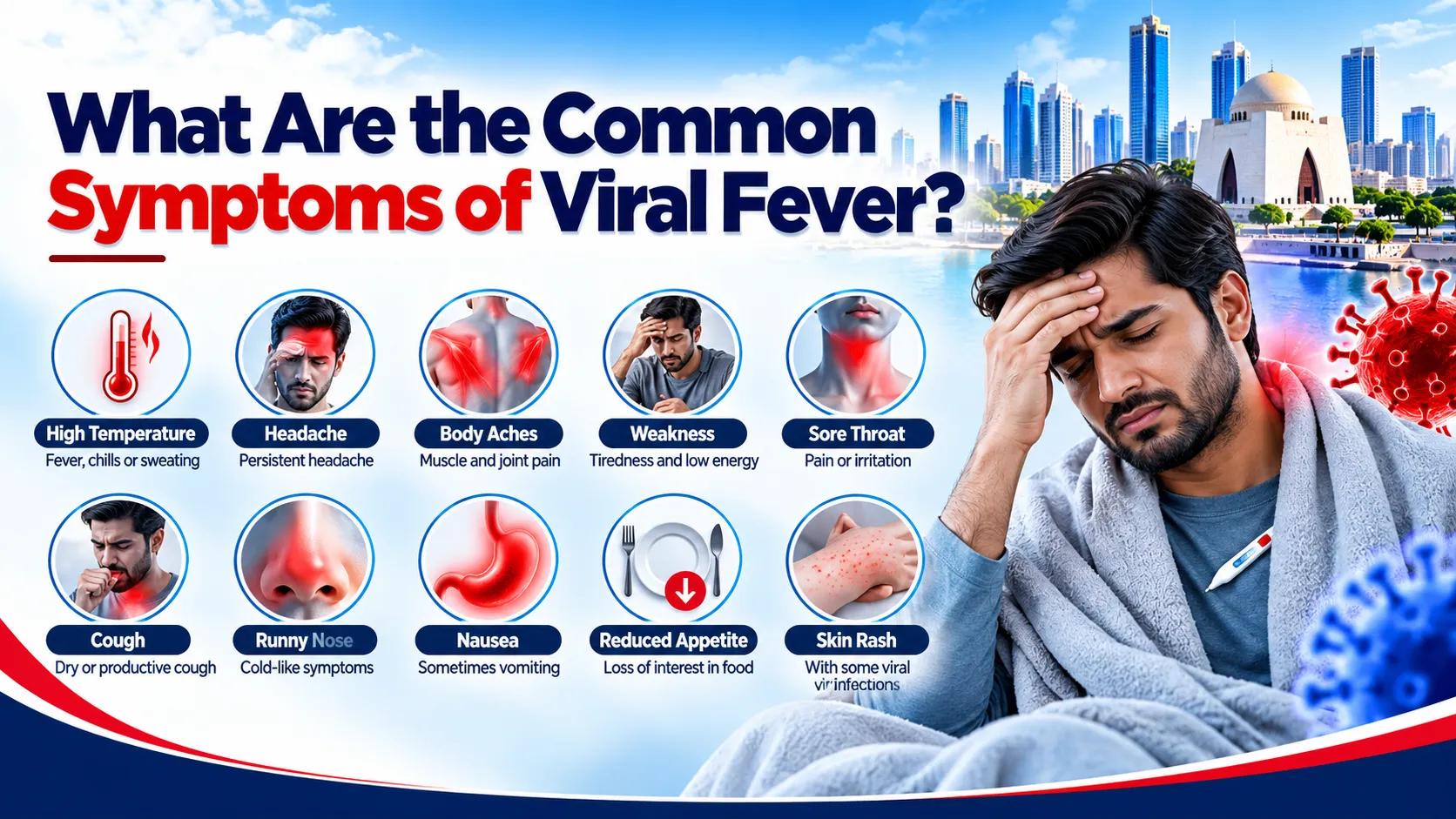
The symptoms of viral fever depend on the virus responsible. Some infections mainly affect the respiratory system, while others cause body pain, digestive symptoms, or skin rashes. Common symptoms of viral fever include:
Not everyone develops all these symptoms. A person with influenza may experience fever, cough, and muscle pain. Someone with dengue may experience fever, severe body aches, nausea, or pain behind the eyes.
Symptoms alone cannot always identify the infection. A doctor may need to assess your medical history, examine you, and recommend tests.
Yes. Viral infections can cause significant fatigue because the immune system uses energy to fight infection. Poor sleep, low food intake, sweating, and dehydration may make weakness worse.
Mild tiredness can continue after the fever improves. However, severe weakness, fainting, confusion, or difficulty standing requires urgent medical attention.
Fever is a symptom shared by many illnesses in Karachi. This makes it difficult to identify the cause without proper assessment. The following comparison can help you understand the differences.
Condition | Common symptoms | Important distinction |
Common respiratory viral infection | Fever, cough, sore throat, runny nose, tiredness | Usually spreads through respiratory exposure |
Influenza (flu) | Sudden fever, muscle pain, cough, marked fatigue | Can cause serious illness in high-risk patients |
Dengue fever | Fever, severe aches, headache, nausea, rash | May cause bleeding or other severe complications |
Chikungunya | Fever, prominent joint pain, sometimes rash | Joint pain may continue after the fever ends |
Malaria | Fever, chills, sweating, headache, weakness | Caused by a parasite, not a virus |
Typhoid fever | Persistent fever, headache, abdominal symptoms, fatigue | Caused by bacteria and needs specific assessment |
This table is for general awareness. It cannot confirm a diagnosis. Dengue may look similar to other febrile illnesses during its early stages. The CDC also warns that serious dengue symptoms can appear as the fever begins to settle.
Different infections need different approaches. Antibiotics do not treat viral infections. Malaria needs appropriate antimalarial treatment, while typhoid requires evaluation for antibiotic therapy.
Dengue treatment focuses on careful monitoring, fluids, symptom relief, and early detection of complications. Using medication without knowing the cause can delay necessary treatment.
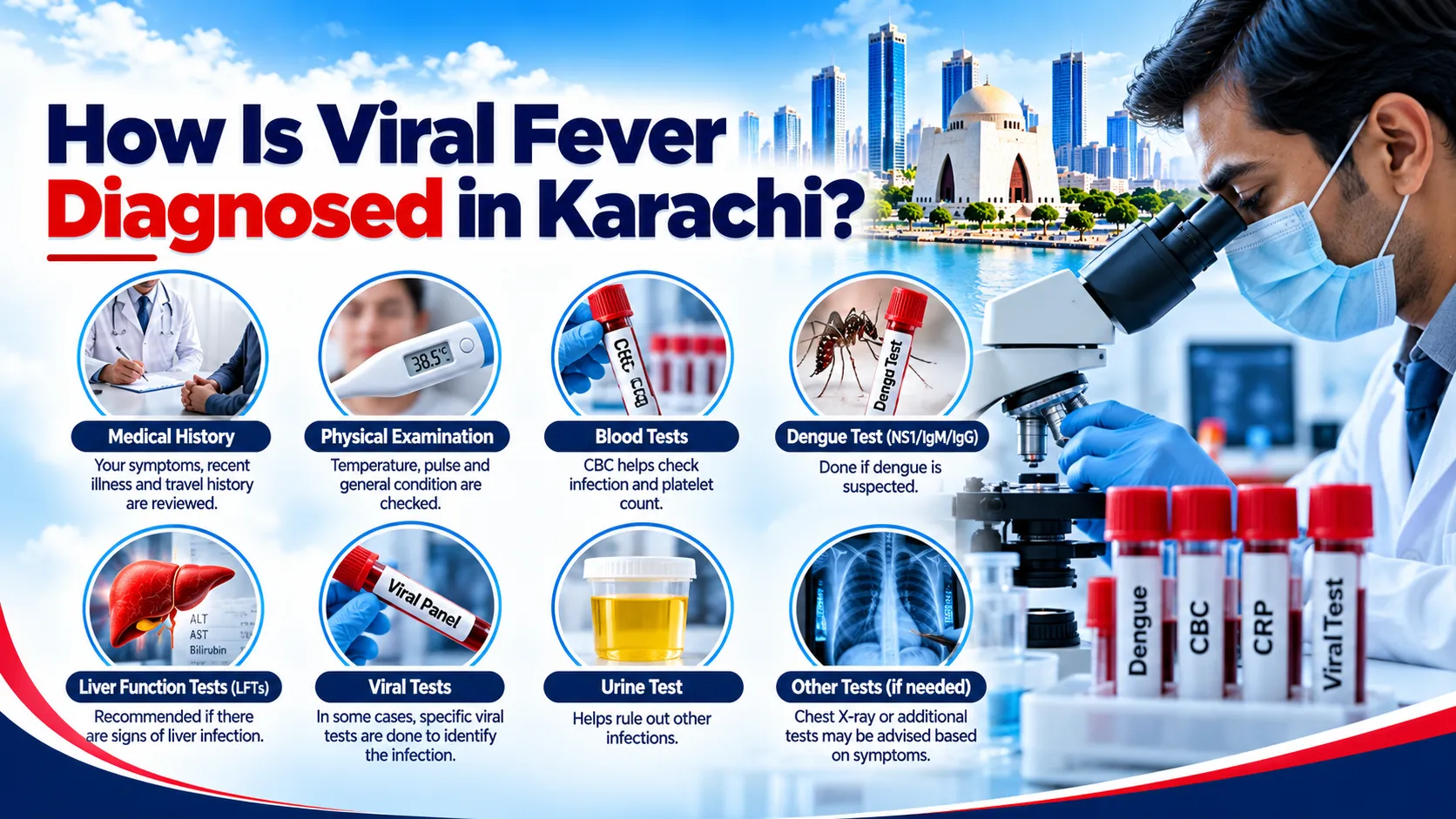
A physician usually begins by reviewing your symptoms, medical history, and vital signs. The doctor may ask when the fever started, how high it has been, whether you have a cough or rash, and whether anyone around you has been unwell.
Recent travel, mosquito exposure, existing health conditions, and medication use can also provide useful information.
Not every patient with a mild fever needs laboratory testing. Tests depend on the symptoms, examination, duration of illness, and suspected cause. A doctor may recommend:
Test | Why it may be used |
Complete Blood Count (CBC) | To assess blood cells, including white blood cells and platelets |
Dengue NS1 antigen or PCR | To help detect dengue during the early stage of illness |
Dengue IgM antibody test | To help assess dengue infection at an appropriate stage |
Malaria blood smear or rapid test | To check for malaria parasites |
Influenza or COVID-19 test | To identify specific respiratory infections when indicated |
Blood culture | To investigate suspected bacterial bloodstream infection or enteric fever |
A CBC alone cannot confirm dengue, malaria, or a general viral infection. The timing of testing also matters. For example, dengue tests have different uses at different stages of the illness. A physician can decide which tests are useful and interpret the results alongside your symptoms.
The treatment of viral fever depends on the virus, symptom severity, and the patient’s overall health. For many mild viral infections, supportive care is enough. This means helping the body recover while watching for complications.
Rest gives your body time to recover. Avoid intense exercise and strenuous physical work while you have a fever or significant weakness. Return to regular activity gradually as your health improves.
Fever can increase fluid loss through sweating. Vomiting, diarrhea, and poor fluid intake may cause further dehydration. Drink water regularly. Oral rehydration solution (ORS) may help when fluid and electrolyte losses are a concern.
Soups and other suitable fluids can also support hydration. People with kidney or heart conditions who have fluid restrictions should follow their doctor’s advice rather than increase fluids without guidance.
Paracetamol may help reduce fever and body aches when used at an appropriate dose. The correct dose depends on age, weight, liver health, and other medicines. Avoid taking multiple cold and flu medicines that contain paracetamol, as this can cause accidental overdose.
Important: If dengue is possible, do not self-medicate with aspirin or ibuprofen. These medicines can increase bleeding risk.
A poor appetite is common during fever. Choose food that you can tolerate, such as soup, rice, fruit, vegetables, and other balanced meals.
There is no proven special food that cures viral fever. Adequate nutrition supports recovery, but it does not replace medical treatment.
Some viral infections have specific antiviral medicines, including certain influenza and COVID-19 cases. These treatments are not appropriate for every patient.
Your physician will consider the infection, symptom duration, and risk factors before recommending treatment. Do not start antibiotics, steroids, or other prescription medicines without medical advice.
Many uncomplicated viral fevers begin to improve within a few days. Recovery time varies depending on the virus and the person’s health. Some respiratory infections improve within three to seven days, although a cough or tiredness may last longer.
Dengue symptoms often last two to seven days, and some patients need more time to regain their strength. A fever that improves does not always mean the illness is over. In dengue, warning signs can appear around the time the temperature drops.
Not every fever lasting three days is dangerous, but it should not be ignored. If your fever continues beyond two to three days, keeps returning, or becomes worse, consult a doctor.
You should seek help earlier if you have significant symptoms, dehydration, or an existing medical condition. The cause matters more than the number of days alone.
Seek medical advice when a fever is persistent, worsening, unusually high, or accompanied by symptoms that concern you. Early consultation is especially important for older adults, pregnant patients, young children, and people with diabetes, heart disease, kidney disease, or weakened immune systems.
Go to the nearest emergency department immediately if you develop:
These symptoms may indicate a serious infection or complication. Do not wait for a routine clinic appointment when emergency symptoms are present.
Not all viral infections spread in the same way. Respiratory viruses can pass between people, while dengue and chikungunya spread through infected mosquito bites. Prevention should address both risks.
Regular handwashing, good ventilation, and staying away from others when sick can help reduce transmission. A well-fitting mask may provide extra protection in crowded indoor settings, especially for people at higher risk of severe illness.
Influenza vaccination can also help reduce the risk of flu and its complications. Ask your physician which vaccines are suitable for you.
Mosquito prevention is especially important in Karachi. Keep household water containers covered and remove standing water from balconies, rooftops, and outdoor areas.
Use suitable mosquito repellents, window screens, and protective clothing. Remember that Aedes mosquitoes can bite during the day. These steps help reduce dengue and chikungunya exposure, but they do not prevent every cause of fever.
Some patients need closer medical attention, even if the initial symptoms seem mild. Older adults may become dehydrated more easily or experience complications from existing conditions.
People with diabetes, heart disease, chronic kidney disease, or weakened immune systems may also face higher risks from certain infections.
Pregnant women and young children need age-appropriate assessment and treatment. If you belong to one of these groups, do not wait several days before seeking advice about persistent or worsening fever.
If you are searching for the best doctor for viral fever in Karachi, focus on medical qualifications, clinical experience, diagnostic skills, and access to appropriate follow-up care.
A good physician should assess the cause of your fever rather than assume that every infection is viral. They should also explain when tests are necessary, which medicines may help, and what symptoms require urgent attention.
A consultant physician evaluates acute and chronic medical conditions. This is useful when symptoms overlap with dengue, malaria, typhoid, influenza, or other illnesses.
A physician can also assess how fever may affect patients with diabetes, high blood pressure, or other long-term health concerns. The goal is to identify the likely cause, avoid unnecessary medication, and develop a safe treatment plan.
If you are looking for an experienced consultant physician for viral fever in Karachi, Dr. Asif Aziz Sahito is an option for general medical assessment.
According to his official website, Dr. Asif Aziz Sahito has over 17 years of medical experience. His practice covers the diagnosis and management of acute and chronic illnesses, including general health concerns, diabetes, respiratory conditions, and other internal medicine problems.
During a consultation for fever, clinical assessment can help determine whether home care, laboratory testing, follow-up, or hospital treatment is needed.