Subtotal $0.00


Medova is a convenience services to the adaptability, Spacious modern villa living room with centrally placed swimming pool blending indooroutdoor
Medova is a convenience services to the adaptability, Spacious modern villa living room with centrally placed swimming pool blending indooroutdoor
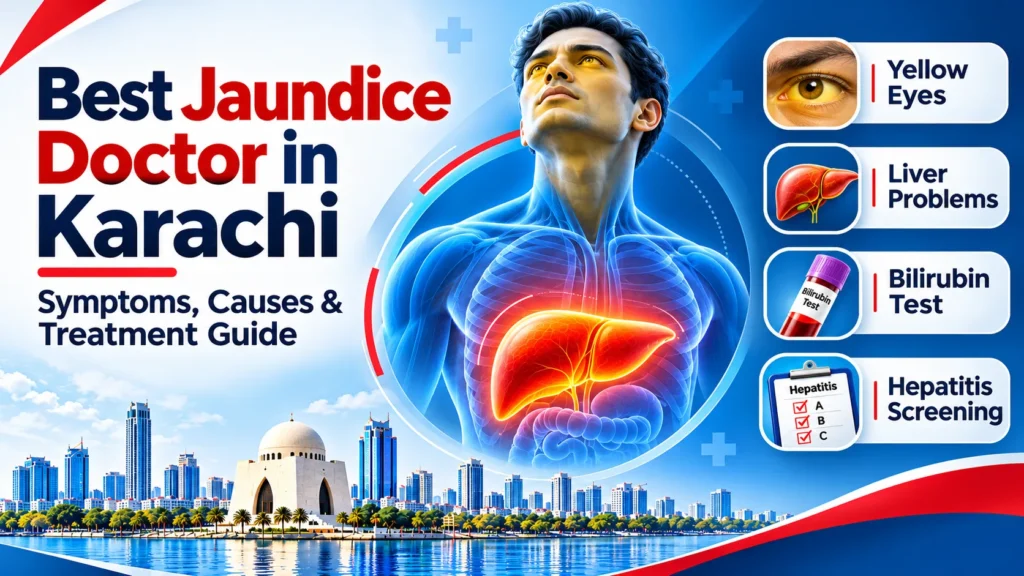
Jaundice is the yellowing of the skin or whites of the eyes caused by excess bilirubin in the blood. It is a symptom of an underlying condition rather than a disease on its own.
Bilirubin is a yellow substance produced when the body breaks down old red blood cells. The liver normally processes bilirubin and helps remove it through bile.
When the liver cannot process bilirubin properly, the body produces too much of it, or bile flow becomes blocked, bilirubin can accumulate in the bloodstream.
According to the American Academy of Family Physicians, visible jaundice often develops when bilirubin rises above approximately 3 mg/dL. However, blood tests are needed to measure bilirubin accurately.
No. Liver disease is a common cause, but jaundice can also develop due to gallstones, blood disorders, and conditions affecting the pancreas or bile ducts. For example, a person may develop yellow eyes because of viral hepatitis. Another person may experience similar symptoms due to a blocked bile duct.
Although the symptoms can look alike, these conditions require different treatments. This is why choosing a doctor who performs a careful medical evaluation matters more than simply taking medicine to reduce bilirubin.
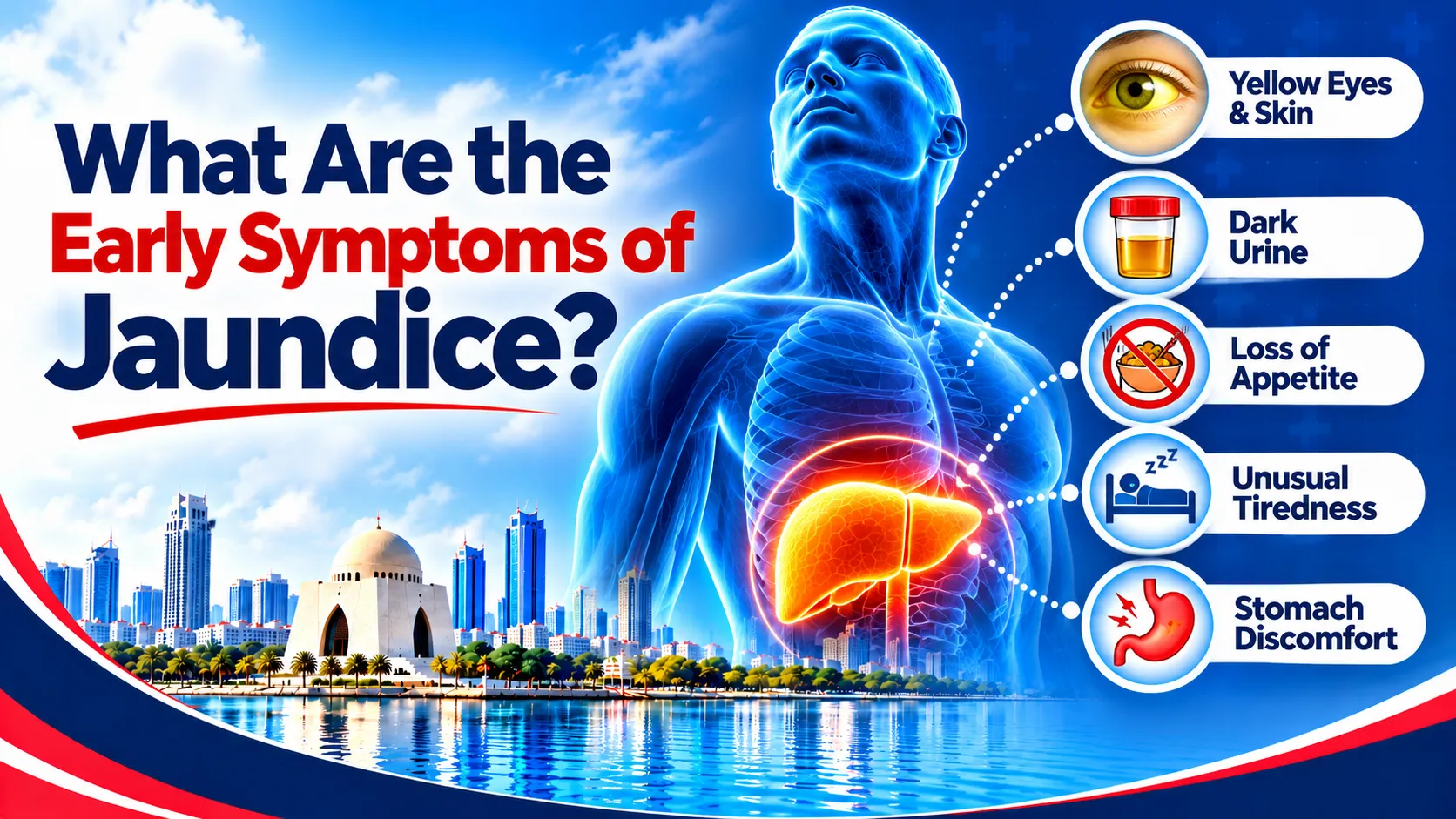
Jaundice may begin with mild symptoms before noticeable yellowing appears. Some patients first experience tiredness, nausea, or a loss of appetite. The most common warning signs include:
Symptoms vary depending on the cause. Not every patient experiences all these changes. Yellowing may also be harder to notice on darker skin tones. Changes in the whites of the eyes can be more noticeable.
The NHS recommends urgent medical assessment when the skin or whites of the eyes turn yellow because jaundice can indicate a serious underlying illness.
Yes. Bilirubin may rise before jaundice becomes clearly visible. Early symptoms can include fatigue, dark urine, and poor appetite.
However, these symptoms are not specific to jaundice. Dehydration, infections, and other medical conditions may cause similar changes. A blood test can help determine whether bilirubin is elevated.
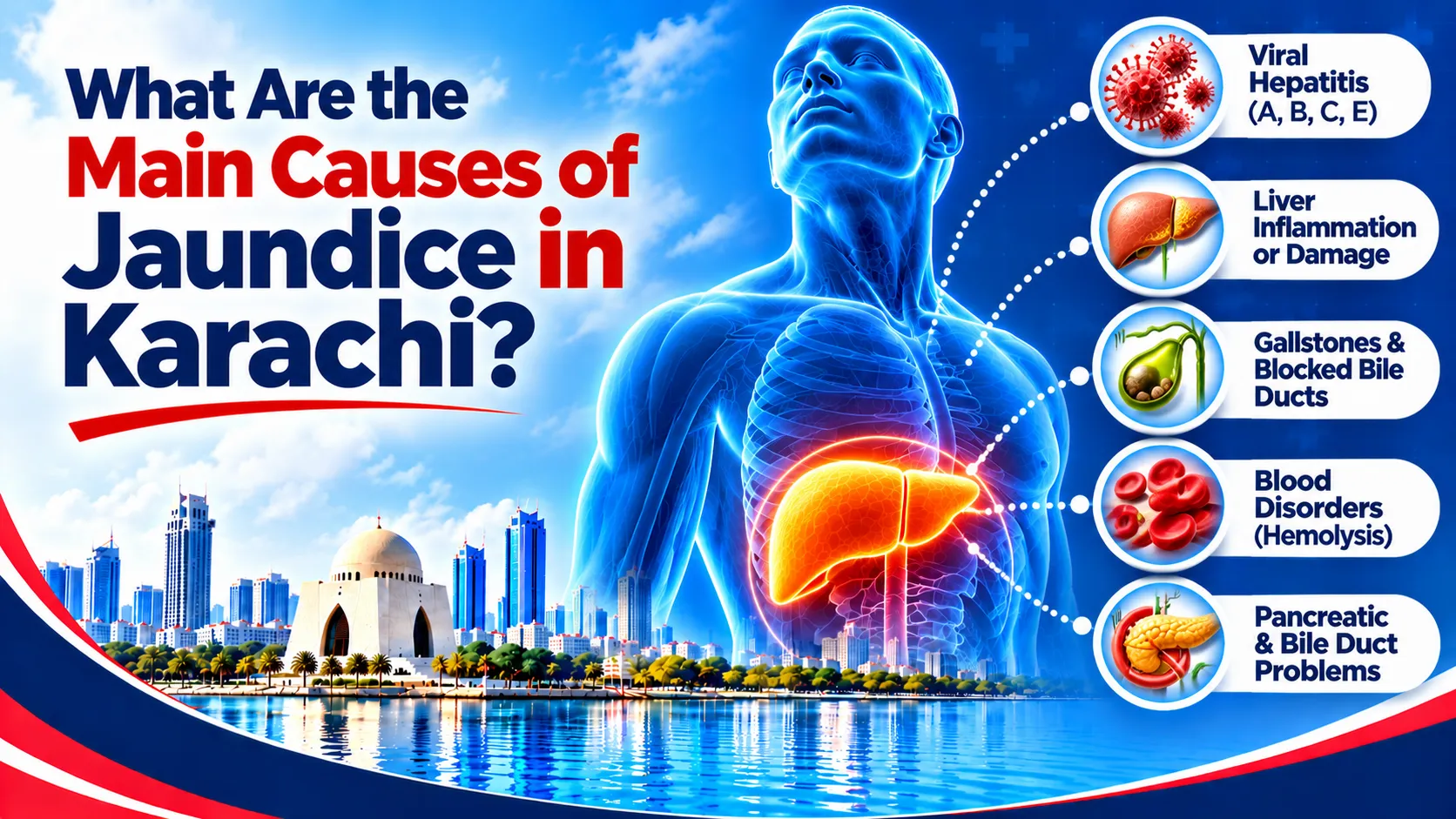
Jaundice has several possible causes. In Karachi, doctors must consider viral hepatitis alongside gallbladder disease, medicine-related liver injury, and other conditions.
Hepatitis means inflammation of the liver. Several viruses can cause it. Hepatitis A and E commonly spread through contaminated food or water. Hepatitis B and C spread mainly through infected blood or certain body fluids.
These infections can affect liver function and lead to jaundice. The World Health Organization confirms that hepatitis E spreads mainly through contaminated water in settings where sanitation is inadequate.
Gallstones are hardened deposits that form in the gallbladder. Sometimes, a stone enters a bile duct and blocks the normal flow of bile. This can cause bilirubin to build up.
Patients may experience abdominal pain, yellow eyes, dark urine, or pale stools. A blocked bile duct may require specialist treatment or a medical procedure rather than medicine alone.
The liver may become damaged due to infections, certain medications, autoimmune disorders, or long-term liver disease. Some herbal products and supplements may also cause liver injury. Patients should tell their doctor about all medicines and supplements they take.
Some blood disorders cause red blood cells to break down faster than normal. This increases bilirubin production and may lead to jaundice, even when the liver itself is not the main problem.
Certain conditions involving the pancreas or bile ducts can block bile flow. These problems sometimes produce painless jaundice. Painless yellowing of the eyes, especially with unexplained weight loss, requires prompt investigation.
A consultant physician or gastroenterologist can often perform the initial evaluation of an adult with jaundice. More complex liver disease may require a hepatologist, while bile duct obstruction may require a gastroenterologist experienced in endoscopic procedures. The right specialist depends on the diagnosis.
Type of doctor | Role in jaundice care | When they may be needed |
Consultant Physician | Initial assessment, blood tests, diagnosis, and medical management | New jaundice symptoms or suspected hepatitis |
Gastroenterologist | Digestive system, liver, gallbladder, and bile duct conditions | Complex digestive or biliary problems |
Hepatologist | Specialist care for liver diseases | Advanced or complicated liver disease |
General Surgeon | Surgical management of gallbladder or related conditions | Gallbladder surgery when indicated |
Pediatrician | Assessment of jaundice in children and newborns | Babies and younger patients |
The best doctors for jaundice in Karachi should be able to identify when a patient needs additional investigations or referral to another specialist.
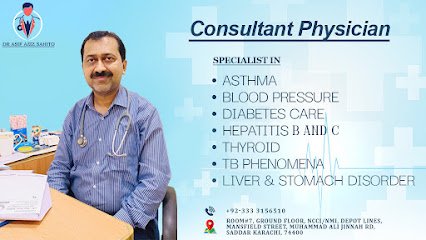
Consultant Physician — Saddar, Karachi
His official website describes over 17 years of clinical experience, with services covering liver disorders, hepatitis B and C, and general medicine.
For patients searching for jaundice treatment in Karachi, Dr. Asif Aziz Sahito is one physician to consider for an initial medical consultation. His clinic website lists liver and stomach disorders among his areas of clinical care.
Jaundice can develop when hepatitis or another illness affects liver function. A physician familiar with liver-related symptoms can help assess the patient’s history, examine the symptoms, and determine which tests may be appropriate. Dr. Asif’s listed services include hepatitis B and C consultations and care for liver-related disorders.
Jaundice may occur alongside diabetes, infections, and other medical conditions. A consultant physician can assess a patient’s wider health needs rather than looking at bilirubin results alone.
Two patients with jaundice may have different causes, even if their symptoms appear similar. Effective care begins with identifying those differences and planning further investigation or referral when needed.
Dr. Asif’s clinic describes its approach as patient-centered, with an emphasis on diagnosis and individualized medical care. These details make him a relevant option to consider, although they do not establish an independent ranking against other doctors in Karachi.
Jaundice is diagnosed through a medical examination, blood tests, and sometimes imaging tests. The aim is to discover why bilirubin has increased.
A doctor may begin by asking when the symptoms started, whether the patient has a history of hepatitis, and which medicines they have recently taken. The doctor may also ask about drinking water, food hygiene, previous medical procedures, and any history of liver disease.
Test | What it checks | Why it matters |
Liver Function Tests (LFTs) | Bilirubin, liver enzymes, and other markers | Helps identify patterns of liver or bile duct problems |
Total and Direct Bilirubin | Different forms of bilirubin | Helps narrow down possible causes |
Complete Blood Count (CBC) | Blood cell levels | Helps assess infections, anemia, and blood disorders |
Hepatitis Screening | Evidence of specific hepatitis infections | Helps identify viral causes |
Abdominal Ultrasound | Liver, gallbladder, and bile ducts | Can detect gallstones or signs of obstruction |
PT/INR | Blood clotting | Helps assess liver function and disease severity |
CT Scan or MRI/MRCP | Detailed internal structures | Used when further evaluation is necessary |
Not every patient needs all these tests. A doctor selects investigations based on the patient’s symptoms, examination, and initial results.
The American Academy of Family Physicians recommends evaluating bilirubin, liver enzymes, blood counts, albumin, and clotting function when investigating adult jaundice. Imaging may be needed when obstruction or another structural problem is suspected.
Not always. An LFT can show abnormal bilirubin and liver enzyme levels. However, it may not identify the exact disease.
For example, hepatitis and bile duct obstruction may both affect blood test results. Further testing can help distinguish between them.
The best jaundice treatment depends on the underlying cause, not simply the bilirubin level. There is no single medicine that treats every type of jaundice.
Some patients recover with supportive care and follow-up. Others require antiviral treatment, hospital care, or procedures to restore bile flow.
Hepatitis A and E are viral infections that can cause acute liver inflammation. Many patients recover with supportive medical care. A doctor may recommend adequate fluids, appropriate nutrition, and monitoring of liver function.
Severe symptoms, dehydration, or signs of liver failure may require hospitalization. Hepatitis E is especially concerning during pregnancy because the infection can lead to serious complications.
Hepatitis B and C require different management approaches. Some patients with chronic hepatitis B need antiviral medication, while others need regular monitoring.
Hepatitis C can often be cured with prescribed direct-acting antiviral medicines. Treatment decisions depend on testing, the stage of infection, and the patient’s overall liver health.
When a gallstone blocks a bile duct, supportive medicines alone may not solve the problem. A specialist may recommend a procedure called ERCP to remove the obstruction.
Some patients also need gallbladder surgery. The exact approach depends on the location of the blockage, symptoms, and imaging findings.
If a medicine or supplement is suspected of causing liver injury, the doctor reviews the patient’s complete medication history. Treatment may involve stopping the responsible product under medical supervision and monitoring liver function. Patients should not stop essential prescribed medicines without appropriate medical advice.
New yellowing of the skin or eyes should receive urgent medical assessment, even if there is no pain. Some symptoms may indicate a medical emergency rather than a routine clinic visit. Seek emergency hospital care if jaundice occurs with confusion, unusual sleepiness, bleeding, severe abdominal pain, high fever with chills, or repeated vomiting that prevents fluid intake.
Fever, abdominal pain, and jaundice together can suggest an infected, blocked bile duct. This condition may require emergency treatment. Pregnant patients who develop jaundice also need urgent evaluation. Patients with existing liver disease should seek prompt medical advice when new symptoms appear, or their condition worsens.
Diet can support general health during recovery, but food cannot directly cure jaundice or replace treatment of its cause. A patient recovering from an illness such as hepatitis may find smaller, regular meals easier to tolerate when appetite is reduced.
There is no need to eliminate all fats, protein, or solid foods simply because a patient has jaundice. Dietary needs vary. Patients with advanced liver disease or other medical conditions may require a more specific nutrition plan.
Not all causes of jaundice are preventable. However, several infections associated with jaundice can be avoided through vaccination, hygiene, and safer medical practices. In Karachi, clean drinking water and safe food handling are especially relevant to preventing hepatitis A and E.
Practical precautions include drinking properly treated water, washing hands with soap, eating safely prepared food, and avoiding ice made from uncertain water sources.
Hepatitis A and B vaccines can protect against those infections. Hepatitis C does not currently have a vaccine. Avoid sharing needles, razors, or equipment that may have contact with blood.
According to the CDC, vaccination is an effective preventive measure for hepatitis A and B. The WHO also emphasizes sanitation and clean water for preventing hepatitis E. Regular medical follow-up is particularly important for people already diagnosed with chronic hepatitis or other liver conditions.
Choosing a doctor involves more than comparing online ratings or advertisements. A good starting point is to check the doctor’s registration, relevant clinical experience, and approach to diagnosing liver-related symptoms.
Patients should also consider whether the doctor explains test results in clear language and provides appropriate follow-up care.
For a routine initial assessment, a qualified consultant physician may be suitable. If tests suggest advanced liver disease, a complex bile duct problem, or another serious condition, specialist referral may be needed.
Before starting treatment, consider asking:
Clear answers can help patients understand their diagnosis and make informed treatment decisions.
Dr. Asif Aziz Sahito — Consultant Physician
Room #7, Ground Floor, NCCI/NMI, Depot Lines, Mansfield Street, Muhammad Ali Jinnah Road, Saddar, Karachi 74400.
0333 3156510
Clinic profile and appointment information
Contact and location details are listed on the official clinic website. Confirm current consultation hours before visiting.
For patients seeking medical advice about yellow eyes, abnormal bilirubin results, hepatitis, or related liver symptoms, a consultation can help determine the appropriate next steps. However, severe symptoms require immediate emergency assessment rather than waiting for a routine appointment.