Subtotal $0.00


Medova is a convenience services to the adaptability, Spacious modern villa living room with centrally placed swimming pool blending indooroutdoor
Medova is a convenience services to the adaptability, Spacious modern villa living room with centrally placed swimming pool blending indooroutdoor
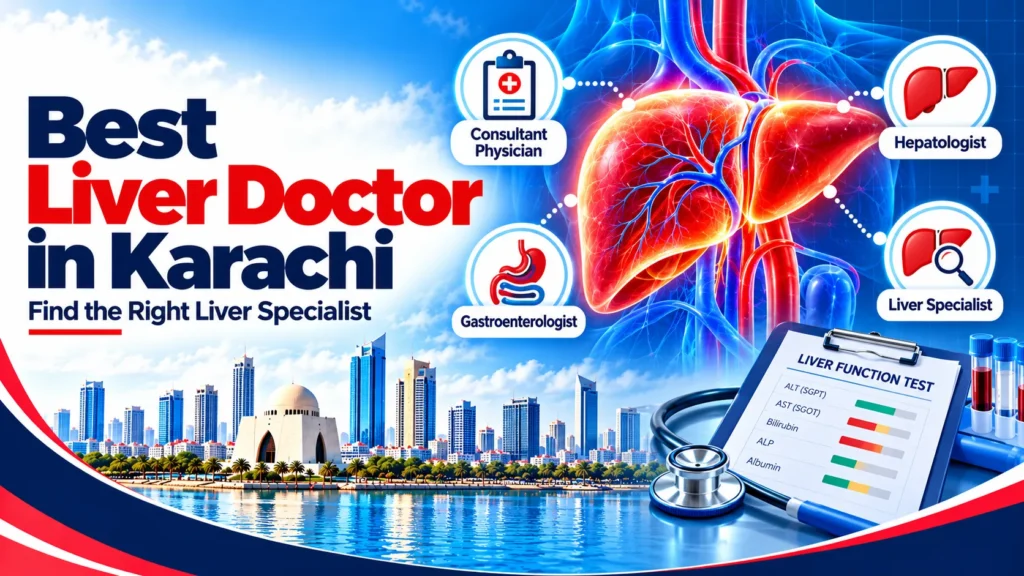
The best liver doctor in Karachi is a qualified medical professional who can assess your condition, recommend appropriate tests, and provide safe treatment or specialist referral when needed.
There is no single doctor who is best for every liver problem. The right choice depends on your diagnosis, the severity of your condition, and the type of care you need.
For example, someone with mildly raised liver enzymes may need an initial assessment. A person with advanced cirrhosis may need a hepatologist and care from a specialist hospital team. An experienced Consultant Physician can be a useful starting point for many common liver concerns.
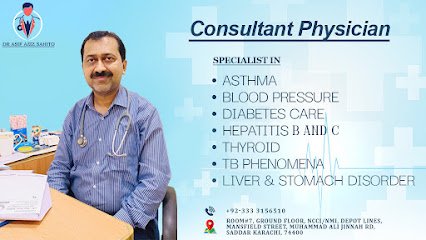
Dr. Asif Aziz Sahito provides consultations for liver and stomach disorders, including hepatitis. His broader medical practice also covers diabetes and high blood pressure. These conditions matter when assessing metabolic liver disease. Patients should always check a doctor’s qualifications, professional registration, and experience before booking an appointment.
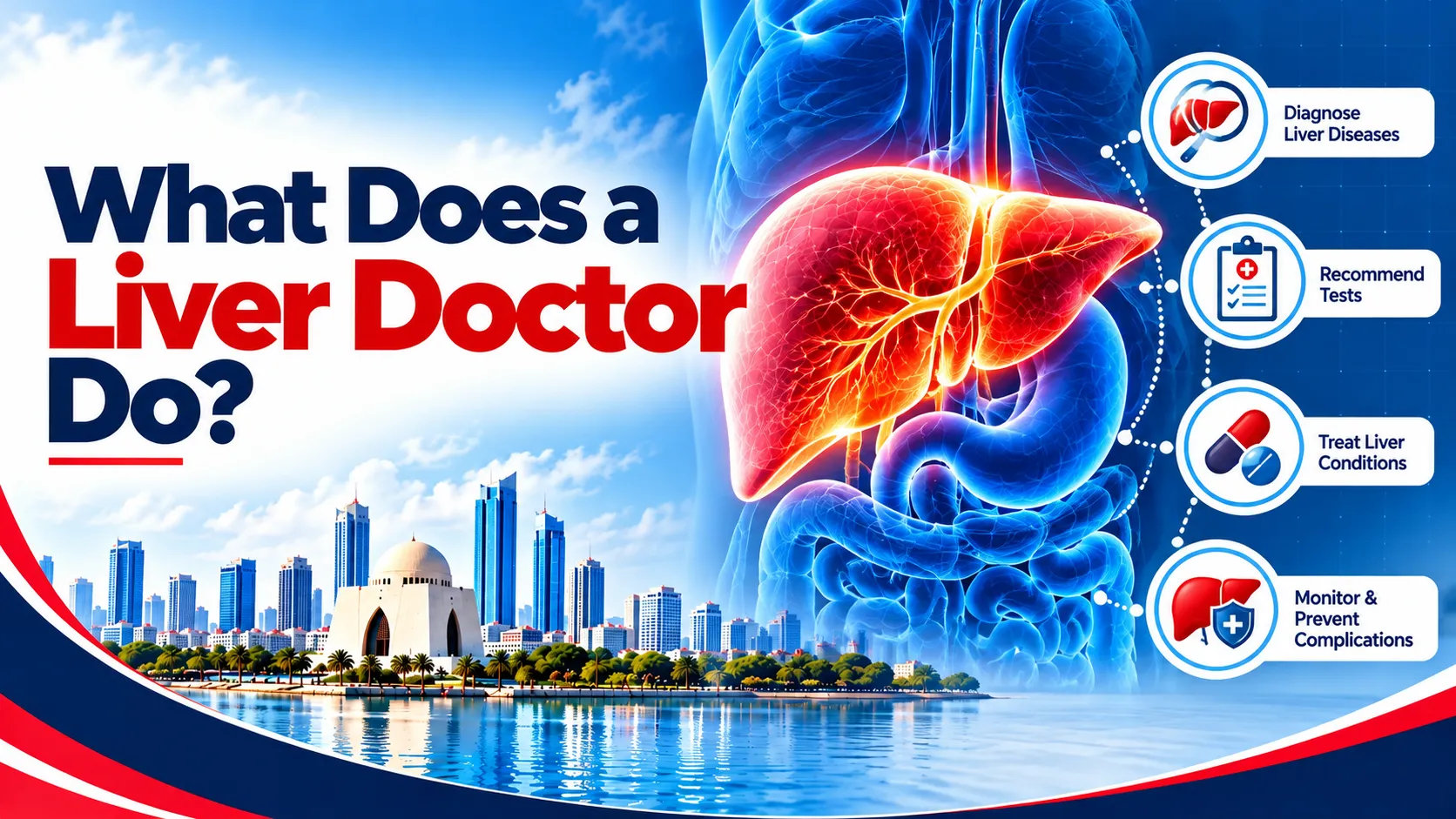
A liver doctor diagnoses, monitors, and treats liver conditions. The doctor first tries to understand why your liver may not be working normally. This often involves reviewing symptoms, medical history, medicines, and test results.
A liver assessment may also include checking your weight, examining your abdomen, and looking for signs of jaundice or swelling. Not every patient needs advanced tests or long-term medication. Some people need lifestyle changes and routine monitoring. Others require antiviral treatment or specialist care.
A hepatologist is a medical specialist with advanced expertise in liver diseases. Hepatologists often manage conditions such as advanced cirrhosis, complex viral hepatitis, autoimmune liver disease, and liver failure.
A gastroenterologist may also treat liver conditions alongside diseases of the stomach and digestive system. A Consultant Physician can assess many common liver concerns and refer patients for more specialized care when necessary.
This distinction matters when searching for the best hepatologist in Karachi. A Consultant Physician and a hepatologist have different professional roles and training.
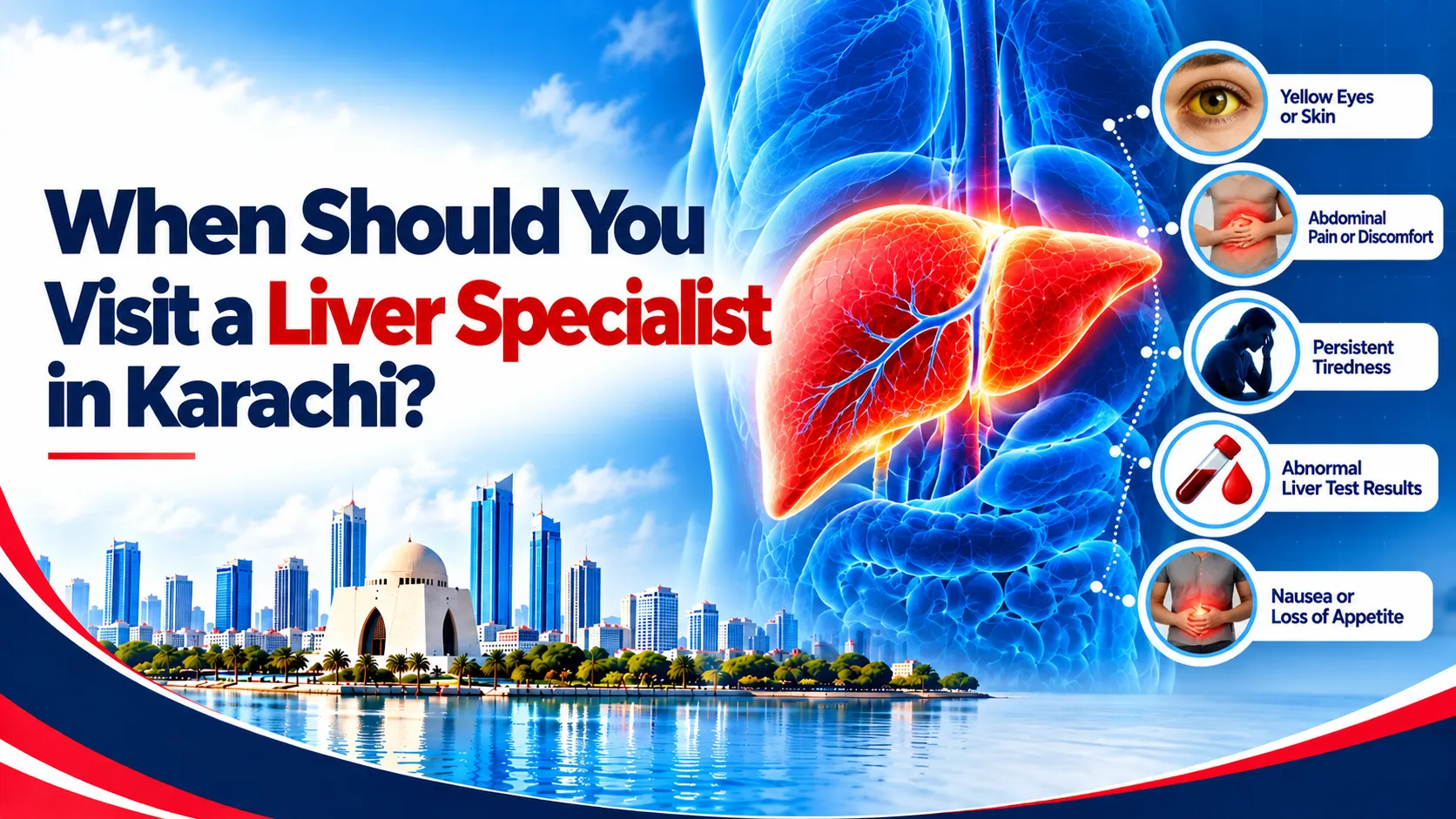
You should seek medical advice if you develop possible signs of liver disease, have abnormal liver test results, or have risk factors for liver damage.
Some people wait until they feel unwell. However, hepatitis and fatty liver disease may remain silent for years. A timely medical assessment can help identify problems before serious complications develop.
Possible warning signs include:
These symptoms can have causes other than liver disease. A medical examination is needed to understand them.
Yes. Many liver conditions cause few or no symptoms in their early stages. A person with hepatitis C may feel healthy while the infection slowly affects the liver. Fatty liver disease can also go unnoticed. This is why relevant screening, blood tests, and follow-up care matter for people with known risks.
Seek emergency medical care if you experience vomiting blood, black or tar-like stools, sudden confusion, or severe illness with jaundice. These signs may indicate serious complications, including internal bleeding or acute liver problems. Do not wait for a routine clinic appointment when emergency symptoms appear.
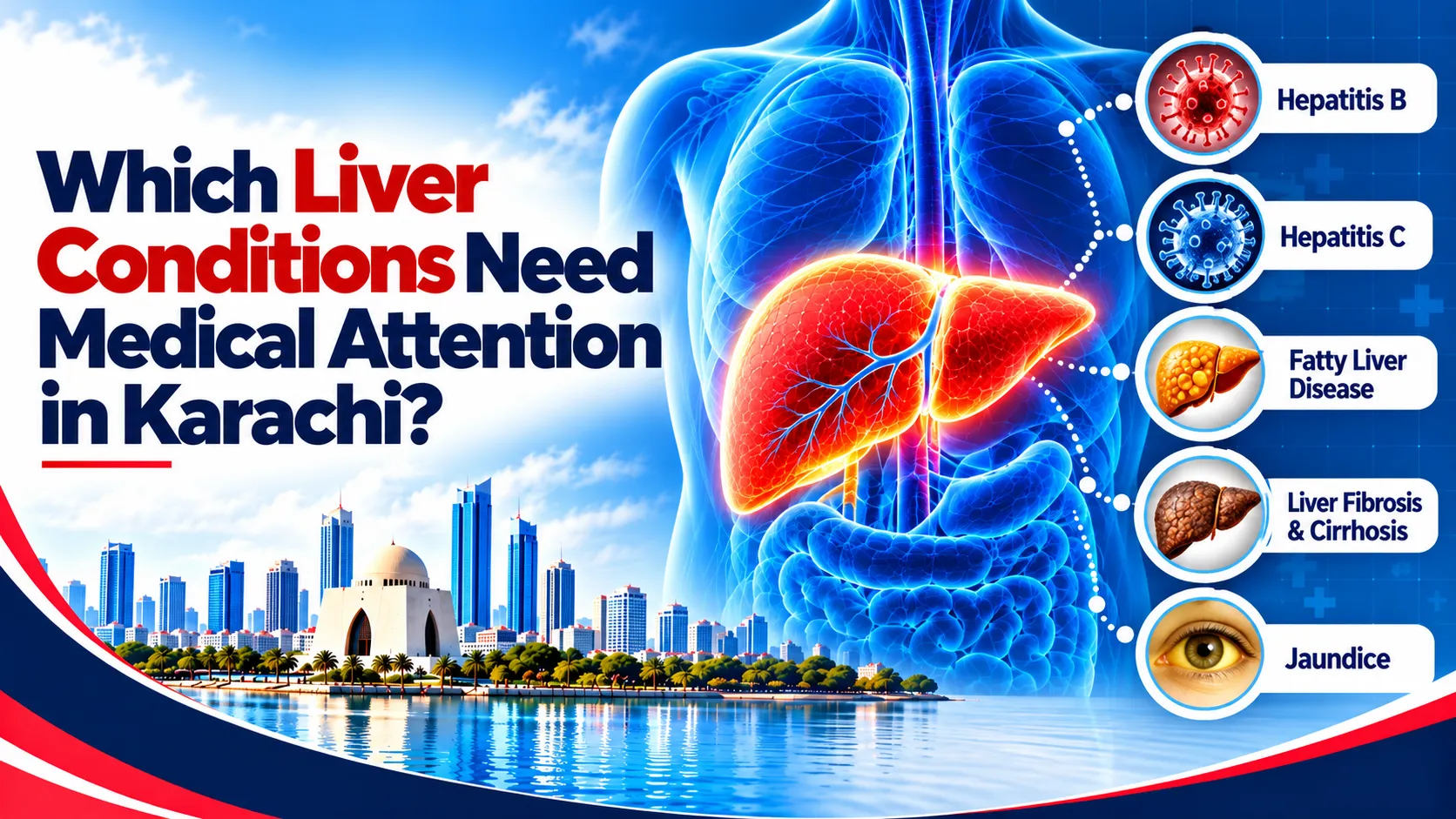
Different liver diseases need different forms of care. Finding the cause is essential because one treatment cannot work for every condition.
Hepatitis B is a viral infection that can cause inflammation and damage to the liver. It can spread through infected blood and certain body fluids. It can also pass from mother to baby during birth.
Some infections resolve on their own, while others become chronic. People with chronic hepatitis B may need regular blood tests, liver monitoring, and antiviral treatment when appropriate. Hepatitis B vaccination offers effective protection against infection.
Hepatitis C is a bloodborne viral infection that can cause long-term liver damage. Many people do not know they have the infection until they undergo testing. A positive hepatitis C antibody test does not always mean the virus is still active. An HCV RNA test helps confirm current infection.
The World Health Organization reports that modern direct-acting antiviral medicines can cure more than 95% of hepatitis C infections. Treatment should follow proper testing and medical evaluation.
Fatty liver disease occurs when excess fat builds up in the liver. The term metabolic dysfunction-associated steatotic liver disease (MASLD) is used for a common form linked to metabolic risk factors. These include type 2 diabetes, excess body weight, and abnormal blood fats.
Not every person with fatty liver has severe liver damage. However, some develop inflammation and scarring. A doctor may assess your metabolic health, review blood tests, and check your risk of liver fibrosis.
Liver fibrosis means scar tissue has formed following repeated liver injury. Cirrhosis is an advanced form of liver scarring. It can affect the liver’s ability to function and may lead to serious complications.
Patients with suspected advanced liver disease often need specialist assessment and regular monitoring. Treatment focuses on managing the cause, reducing further damage, and identifying complications early.
Doctors use different tests to understand liver health. The right tests depend on your symptoms, examination, and medical history. An abnormal test does not always mean severe disease. Results must be assessed together.
Test | What it helps assess | Why it matters |
Liver function blood tests | Liver enzymes, bilirubin, and proteins | Help identify signs of liver injury or changes in function |
Hepatitis B and C tests | Viral infection status | Help guide further investigation and treatment |
Abdominal ultrasound | Liver appearance and certain structural changes | May show fat, fluid, or other abnormalities |
FibroScan or elastography | Liver stiffness | Helps assess possible liver scarring |
Complete blood count | Blood cells and platelets | Supports assessment of possible complications |
INR and albumin | Blood clotting and protein production | Help assess important aspects of liver function |
A liver specialist may also use a blood-based score called FIB-4 to assess the risk of advanced fibrosis in suitable patients. No single test gives the full picture. For example, normal liver enzyme levels do not always rule out advanced liver disease.
Clinical guidance supports combining medical history, blood tests, and non-invasive liver assessments when appropriate.
Choosing a liver doctor is about more than finding a familiar name online. You need a medical professional whose training and experience match your health needs. Use these steps to make a better decision.
Patient reviews may provide useful feedback about communication and clinic services. However, online ratings alone cannot confirm clinical expertise.
Dr. Asif Aziz Sahito is a Consultant Physician based in Karachi. His official website reports more than 17 years of medical experience. His practice includes the assessment and management of liver disorders, hepatitis B and C, stomach problems, diabetes, and other general medical conditions.
His clinical scope makes him an option to consider for an initial liver health consultation, particularly when liver concerns occur alongside other medical problems.
Liver health is often connected to overall health. For example, a person with type 2 diabetes may also have fatty liver disease. Managing blood sugar, weight, and other metabolic risks may form part of their care plan.
A Consultant Physician can assess these related concerns and determine whether further liver-focused investigation is needed.
Every patient has a different medical history. One person may need hepatitis screening after a possible exposure. Another may need a review of abnormal liver enzymes discovered during a routine checkup.
The appropriate treatment depends on the patient’s examination, test results, risk factors, and diagnosis. Dr. Asif Aziz Sahito’s official website describes a patient-centered approach to care.
Importantly, his published professional title is Consultant Physician, not hepatologist. Patients who need advanced hepatology services should confirm referral options.
Your first consultation usually begins with a discussion about your health. The doctor may ask when your symptoms started, whether you have a history of hepatitis, and whether you take any regular medicines.
You may also be asked about previous blood tests, diabetes, weight changes, alcohol use, and possible exposure to bloodborne infections.
The doctor may examine your abdomen, check for jaundice, and review your existing medical reports. If more information is needed, further tests may be recommended.
The goal is to find a possible cause rather than assume every symptom comes from the liver. For example, stomach discomfort can have several causes. An examination helps the doctor decide which tests are appropriate.
Bring previous liver function tests, hepatitis reports, ultrasound results, and a list of your current medicines. Include vitamins, herbal products, and supplements.
If you have diabetes or high blood pressure, bring recent relevant records as well. These details can help your doctor understand your health history and reduce unnecessary repeat testing.
Liver treatment depends on the cause, severity, and overall health of the patient. There is no single medicine that treats every liver disorder. For hepatitis C, doctors may prescribe direct-acting antiviral medicines after confirming active infection and assessing the patient.
For chronic hepatitis B, some patients need antiviral treatment, while others may need regular monitoring without immediate medication.
For fatty liver disease, improving metabolic health is often an important part of care. This may involve changes in diet, physical activity, and weight management.
People with cirrhosis may require more frequent monitoring, treatment for complications, and specialist care. The WHO’s 2026 consolidated guidance emphasizes appropriate testing, treatment, monitoring, and access to person-centered hepatitis care.
Some liver conditions can improve when the underlying cause is treated. Fatty liver may improve with better metabolic health. Treating hepatitis C can stop ongoing damage caused by the active virus.
However, advanced liver scarring may not fully reverse. Even after successful hepatitis treatment, some patients need continued monitoring. Early assessment offers more opportunities to prevent complications.
Healthy habits can support liver function and reduce some common risks. Practical steps include:
These steps support liver health, but they do not replace treatment for viral hepatitis or other diagnosed diseases.
Dr. Asif Aziz Sahito — Consultant Physician
Room #7, Ground Floor, NCCI/NMI, Depot Lines, Mansfield Street, Muhammad Ali Jinnah Road, Saddar, Karachi 74400
0333 3156510
The clinic’s About Us page lists Monday to Saturday, 3:00 PM to 6:00 PM, while the homepage lists Monday to Friday. Please confirm the current schedule before visiting. If you have severe symptoms, seek emergency care instead of waiting for a clinic appointment.