Subtotal $0.00


Medova is a convenience services to the adaptability, Spacious modern villa living room with centrally placed swimming pool blending indooroutdoor
Medova is a convenience services to the adaptability, Spacious modern villa living room with centrally placed swimming pool blending indooroutdoor
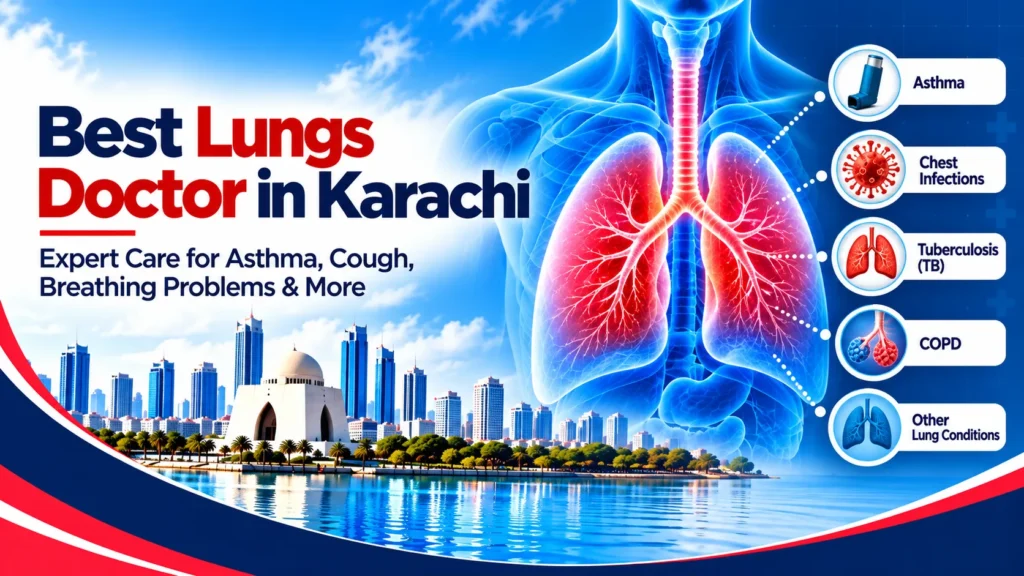
The best lungs doctor in Karachi is a qualified medical professional whose training and experience match your health needs. For complex lung diseases, a pulmonologist may be the right choice. For common breathing symptoms, a Consultant Physician may be a suitable first point of contact.
A good doctor should listen to your concerns and review your medical history. They should also explain why certain tests or treatments may be needed.
There is no single doctor who is best for every patient. Someone with mild asthma may need different care from a person with severe lung disease. The right choice depends on your symptoms, diagnosis, medical history, and access to suitable treatment.
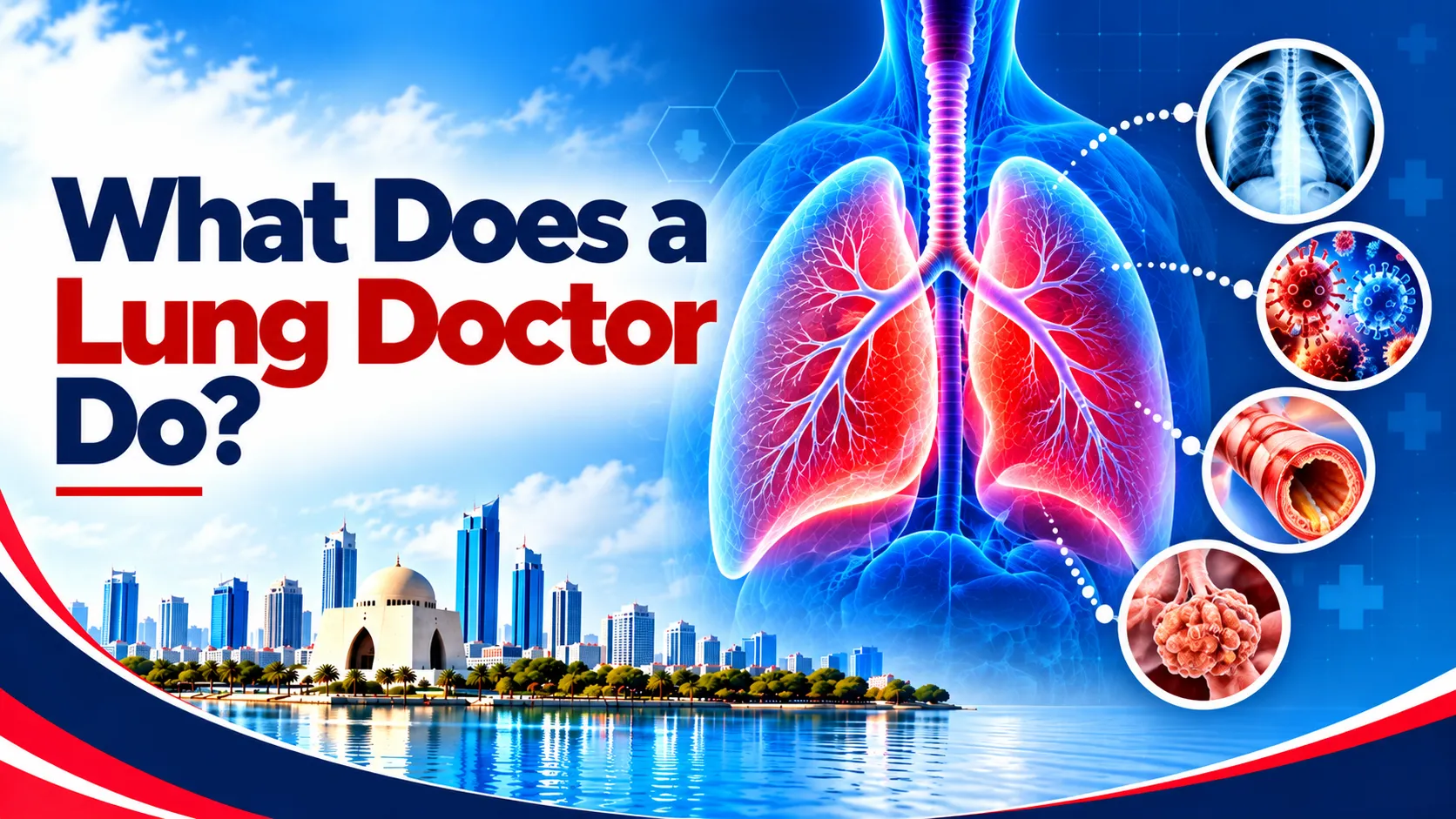
A lung doctor helps identify and manage diseases that affect breathing. These conditions may involve the lungs, airways, or other parts of the respiratory system. A pulmonologist is a doctor with specialist training in respiratory medicine. A chest specialist is a term often used for doctors who focus on chest and lung conditions.
A Consultant Physician works with a wider range of medical conditions. They may assess cough, asthma symptoms, infections, and breathing difficulties. They can also decide when specialist care is needed.
Both doctors can play an important role in respiratory care. However, their training and scope of practice are different.
Type of Doctor | Main Area of Care | When to Consider |
Consultant Physician | General adult medical conditions, including common breathing problems | First assessment, cough, asthma review, and related health concerns |
Pulmonologist | Specialist diagnosis and treatment of lung diseases | Severe asthma, complex COPD, unexplained breathlessness, or advanced lung disease |
Chest Specialist | Focused assessment of chest and respiratory conditions | Ongoing chest symptoms and conditions that need respiratory expertise |
Emergency Physician | Immediate assessment of serious medical problems | Severe breathing difficulty, major chest pain, or other urgent symptoms |
For many patients, the first step is a medical consultation. The doctor can then recommend suitable tests or refer you to a specialist.
You should seek medical advice if you have breathing symptoms that persist, return often, or affect daily life. Some symptoms appear slowly. Others develop after a chest infection. Even mild symptoms deserve attention when they do not improve as expected.
Most short-term coughs improve over time. However, a cough that lasts several weeks may need further assessment. Possible causes include asthma, infections, airway irritation, and acid reflux.
A cough lasting two weeks or more may also need TB assessment, especially when it occurs with fever, weight loss, or night sweats.
You may feel breathless while climbing stairs, walking, or doing simple tasks. Asthma, lung disease, heart problems, and anaemia can all cause shortness of breath. A doctor can help identify the cause. New or worsening breathlessness should not be ignored.
Wheezing is a whistling sound that may happen when you breathe. It is common in asthma, but other conditions can also cause it. Chest tightness may occur with breathing problems. However, sudden or severe chest discomfort can also signal a medical emergency.
Frequent chest infections may need further medical review. A doctor may examine your lungs, review past infections, and decide whether imaging or other tests are needed.
Blood in your sputum should always be assessed by a medical professional. It may occur with infections or other lung conditions. Some causes are serious. Seek urgent care if you cough up more than a few streaks of blood, especially with breathing trouble, dizziness, or chest pain.
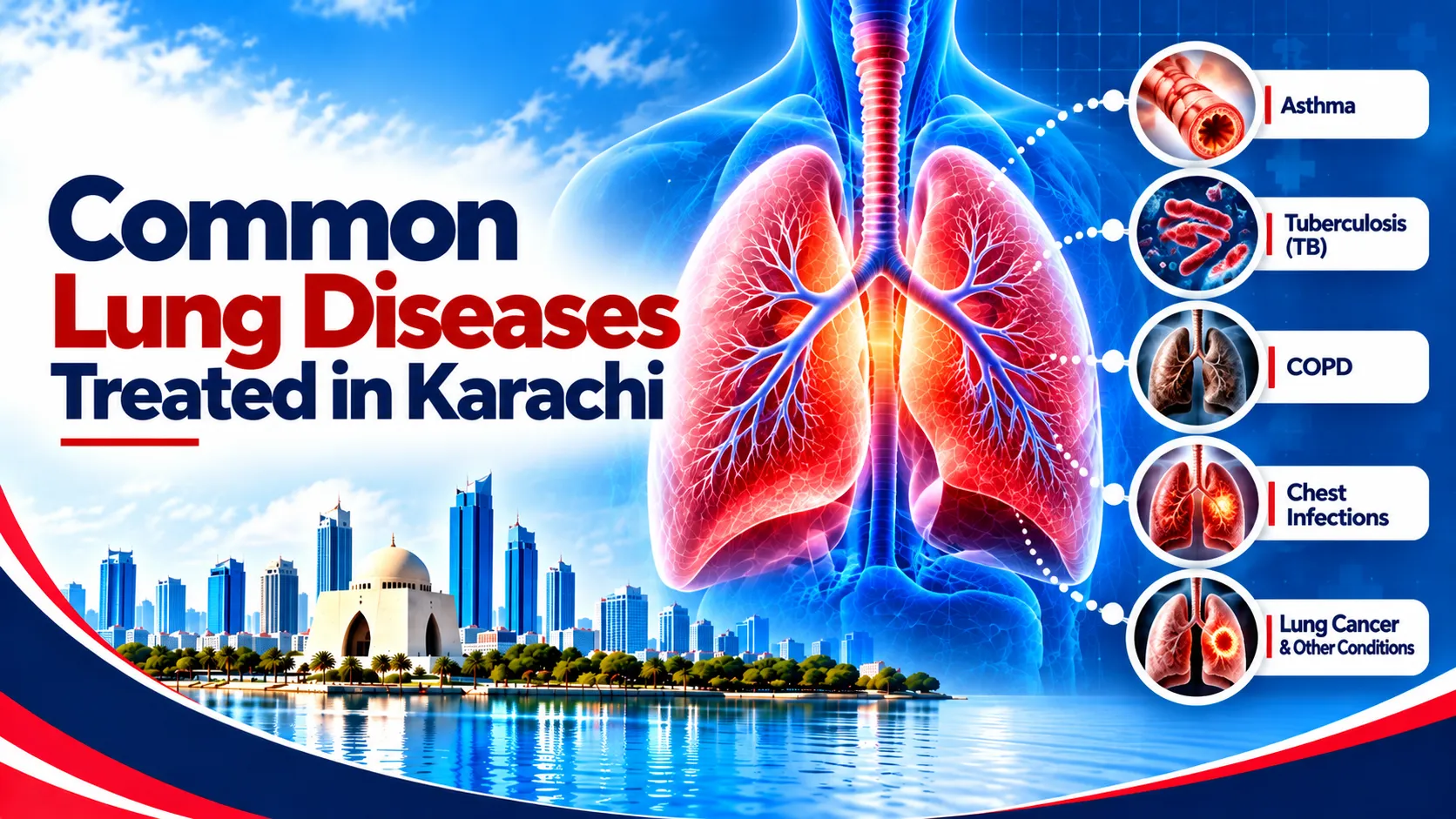
Many people search for the best chest specialist in Karachi because they want help with a specific condition. The following are common reasons for seeking respiratory care.
Asthma is a long-term condition that affects the airways. The airways become inflamed and can narrow. This makes breathing harder. Common symptoms include wheezing, coughing, chest tightness, and shortness of breath. Symptoms may become worse at night or early in the morning.
Dust, smoke, infections, exercise, and allergens may trigger asthma symptoms. Asthma cannot usually be permanently cured, but treatment can help control symptoms and reduce attacks. Doctors may recommend inhaled medicines, a written asthma action plan, and regular medical reviews.
COPD is a long-term lung condition that causes airflow blockage. Smoking is a major risk factor. Long-term exposure to harmful fumes, dust, or smoke can also contribute. People with COPD may experience a daily cough, mucus production, tiredness, and breathlessness.
Spirometry is an important test used to confirm airflow obstruction. Treatment may include inhaled medicines, smoking cessation, vaccinations, exercise support, and pulmonary rehabilitation.
Tuberculosis is an infectious disease caused by bacteria. It often affects the lungs. Possible symptoms include a lasting cough, fever, night sweats, weight loss, and tiredness. TB requires proper diagnosis and a complete course of treatment.
Doctors may recommend sputum testing, chest imaging, and other tests. If you have symptoms of TB, do not delay a medical consultation. Early diagnosis supports timely treatment and helps limit the spread of infection.
Pneumonia is an infection that causes inflammation in the lungs. Symptoms may include fever, cough, chest discomfort, and difficulty breathing.
The cause may be bacterial, viral, or another infection. Treatment depends on the cause, severity, age, and other health conditions. Not every chest infection needs antibiotics.
Some people experience repeated pauses in breathing while asleep. Obstructive sleep apnoea is one possible cause. Common signs include loud snoring, interrupted sleep, and daytime sleepiness. A doctor may recommend a sleep assessment or specialist referral.
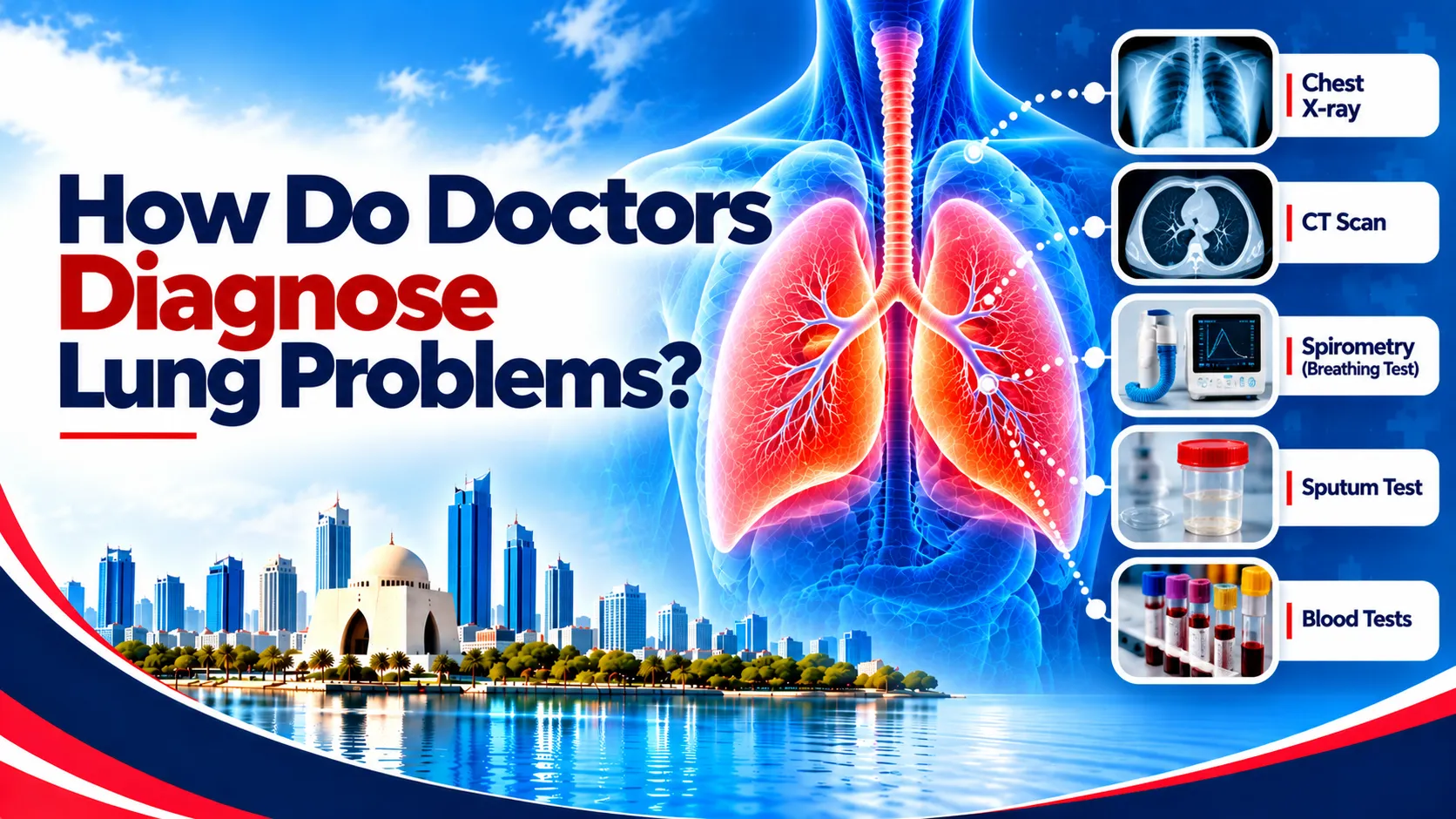
A correct diagnosis is the starting point for effective care. A doctor will usually ask about your symptoms, medical history, lifestyle, and possible exposures. They may also ask whether you smoke, work around chemicals, or have a family history of lung disease.
Spirometry: This breathing test measures how much air you can breathe out and how quickly. It helps assess asthma and COPD.
Chest X-ray: An X-ray can help detect some chest infections and lung abnormalities. It does not identify every lung condition.
CT scan: A CT scan provides detailed images of the lungs. It may be needed when an X-ray or clinical assessment does not provide enough information.
Pulse oximetry: A small device placed on your finger estimates the oxygen level in your blood.
Sputum examination: A laboratory may test mucus from the lungs to check for infections, including TB.
Blood tests: These may help identify infections, anaemia, or other conditions that affect breathing.
Not every patient needs all these tests. Your doctor should select investigations based on your symptoms and medical findings.
Finding the right doctor involves more than searching for a popular name online. Consider these points before booking an appointment:
A doctor’s experience matters, but a good patient-doctor relationship is important too. You should feel comfortable asking questions and discussing treatment concerns.
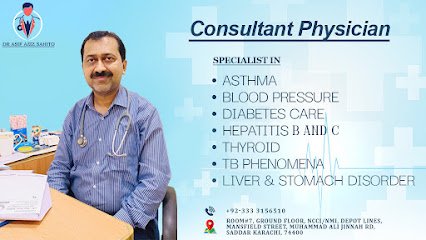
Dr. Asif Aziz Sahito is a Consultant Physician practicing in Karachi. His official website lists more than 17 years of clinical experience. His areas of care include asthma and respiratory treatments, tuberculosis diagnosis and treatment, general medical care, and several long-term health conditions.
For patients experiencing cough, wheezing, or other common breathing symptoms, a Consultant Physician can provide an initial medical assessment.
This may include reviewing the patient’s symptoms, examining the chest, considering possible causes, and recommending appropriate investigations. If the condition requires advanced respiratory assessment, referral to a pulmonologist may be appropriate.
Breathing problems do not always come from a single lung disease. For example, a person with shortness of breath may also have anaemia, a heart condition, obesity, or another medical issue.
A Consultant Physician can assess general health alongside respiratory symptoms. This broader evaluation may be useful when the cause is unclear.
Dr. Asif Aziz Sahito’s practice lists care for asthma and TB, along with other medical conditions. Patients can learn more about his background, qualifications, and services on the official About Us page.
The official website lists his practice at:
Room No. 7, Ground Floor, NCCI/NMI Hospital, Depot Lines, Mansfield Street, Muhammad Ali Jinnah Road, Saddar, Karachi, Pakistan.
For appointments, call 0333 3156510.
Confirm the current clinic schedule, consultation availability, and appointment requirements before travelling.
Yes. Air pollution can irritate the respiratory system and make symptoms worse in people with asthma, COPD, and other lung conditions. In Karachi, some residents may face exposure to traffic exhaust, road dust, industrial fumes, and smoke.
Outdoor pollution is not the only concern. Indoor smoke, poor ventilation, cleaning chemicals, and workplace dust may also affect breathing.
Simple daily habits can help reduce exposure to common respiratory triggers.
These habits support lung health. However, they cannot replace medical care when you have an existing respiratory condition.
Your first visit usually begins with a discussion about your symptoms. Your doctor may ask when the problem started, how often it occurs, and whether anything makes it worse. They may also ask about past illnesses, medicines, smoking history, and exposure to dust or fumes.
Next, the doctor may check your breathing, listen to your chest, and measure your oxygen level if needed. Based on the examination, they may recommend treatment, further tests, or specialist referral.
Bring any recent chest X-rays, CT scan reports, blood tests, or breathing test results. Also bring a list of your current medicines and inhalers.
Try to remember when your symptoms started and whether they become worse at specific times. If you have asthma, bring your inhaler so the doctor can review how you use it. These details can make your consultation more useful.
Some breathing symptoms require immediate hospital care. Seek emergency help if you experience severe difficulty breathing, sudden severe chest pain, fainting, confusion, or blue or grey lips. Coughing up a large amount of blood also requires emergency assessment.
If you have asthma and your symptoms are severe or do not improve with your prescribed emergency treatment, follow your asthma action plan and seek urgent medical help. Do not wait for a routine appointment when breathing becomes difficult, or symptoms worsen rapidly.