Subtotal $0.00

Medova is a convenience services to the adaptability, Spacious modern villa living room with centrally placed swimming pool blending indooroutdoor
Medova is a convenience services to the adaptability, Spacious modern villa living room with centrally placed swimming pool blending indooroutdoor
Have you ever visited a doctor for a routine checkup and been told that your blood pressure is high?
Many people hear this news and ignore it because they feel completely healthy. Unfortunately, this mistake can lead to serious health problems in the future.
Millions of people around the world live with high blood pressure without realizing it. It often develops slowly and shows no clear warning signs.
By the time symptoms appear, the condition may already have damaged the heart, kidneys, brain, or eyes.
If you have ever wondered what is hypertension, why it happens, and how you can protect yourself and your family, this guide will answer your questions.
You will also learn about the causes, symptoms, treatment options, and lifestyle changes that can help you live a healthier life.
Hypertension is the medical term for high blood pressure. Blood pressure is the force that your blood uses to move through your arteries.
When this pressure remains too high for a long time, it puts extra stress on your blood vessels and important organs.
A normal blood pressure reading is usually around 120 over 80 mmHg. A reading that stays at or above 140 over 90 mmHg may indicate hypertension, although doctors may diagnose it earlier depending on your overall health.
Many people ask, what is hypertension and why it develop? The answer is that there is not always one single cause. It usually happens because of a combination of lifestyle habits, genetics, and age.
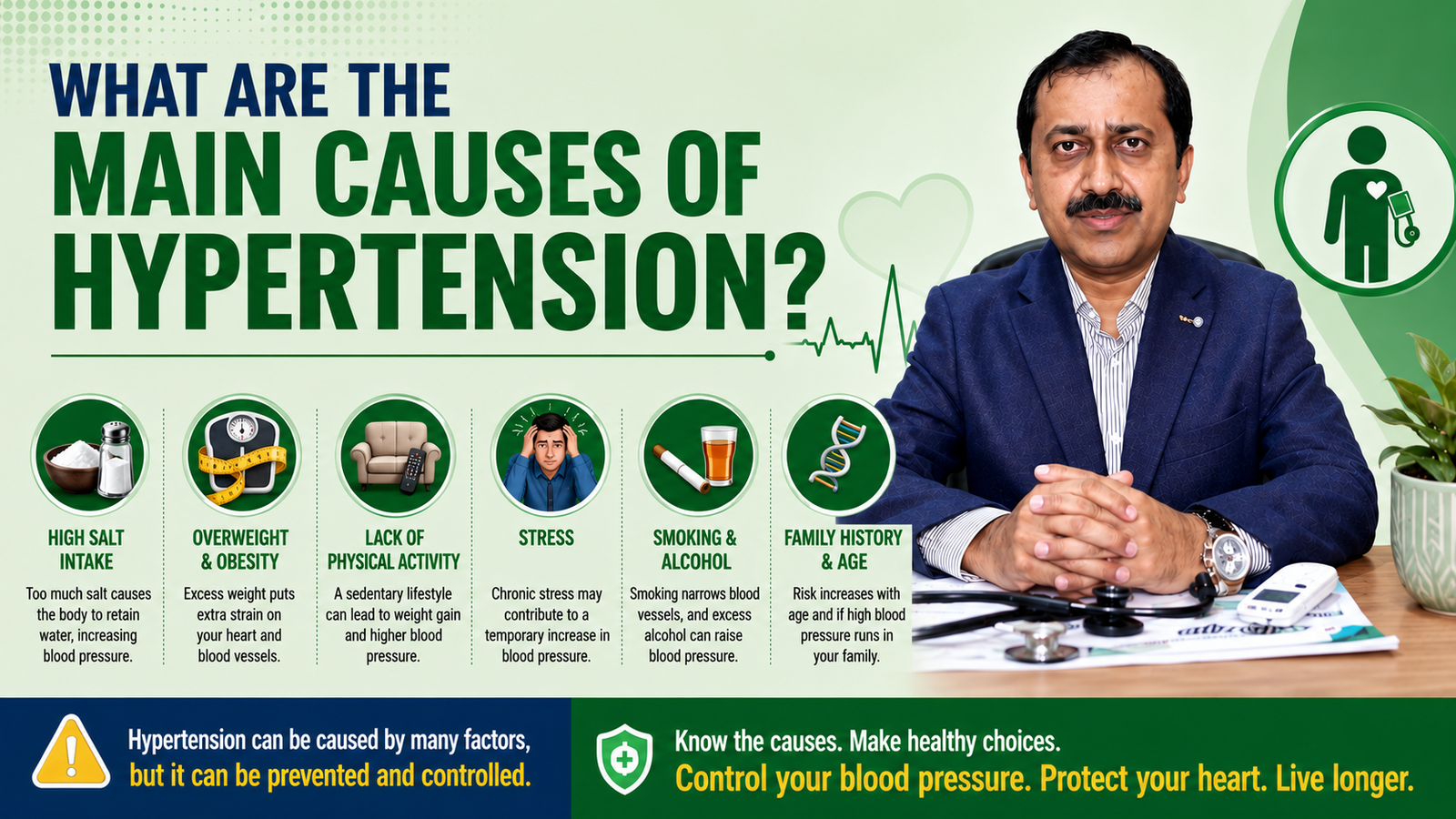
Several factors can increase the risk of developing high blood pressure.
If your parents or close relatives have hypertension, your chances of developing it may also increase.
Eating too much salt, processed food, and unhealthy fats can raise blood pressure over time.
People who rarely exercise are more likely to gain weight and develop heart-related problems.
Being overweight forces the heart to work harder, which can increase blood pressure.
Long periods of emotional stress may contribute to unhealthy habits that affect blood pressure.
Tobacco products damage blood vessels, while excessive alcohol intake can increase blood pressure levels.
Kidney disease, diabetes, and hormonal disorders may also lead to hypertension.
One of the biggest dangers of hypertension is that many people experience no symptoms at all.
However, some individuals may notice:
These symptoms do not always mean you have hypertension, but they should never be ignored. Regular blood pressure checks are the best way to detect the condition early.
Doctors often c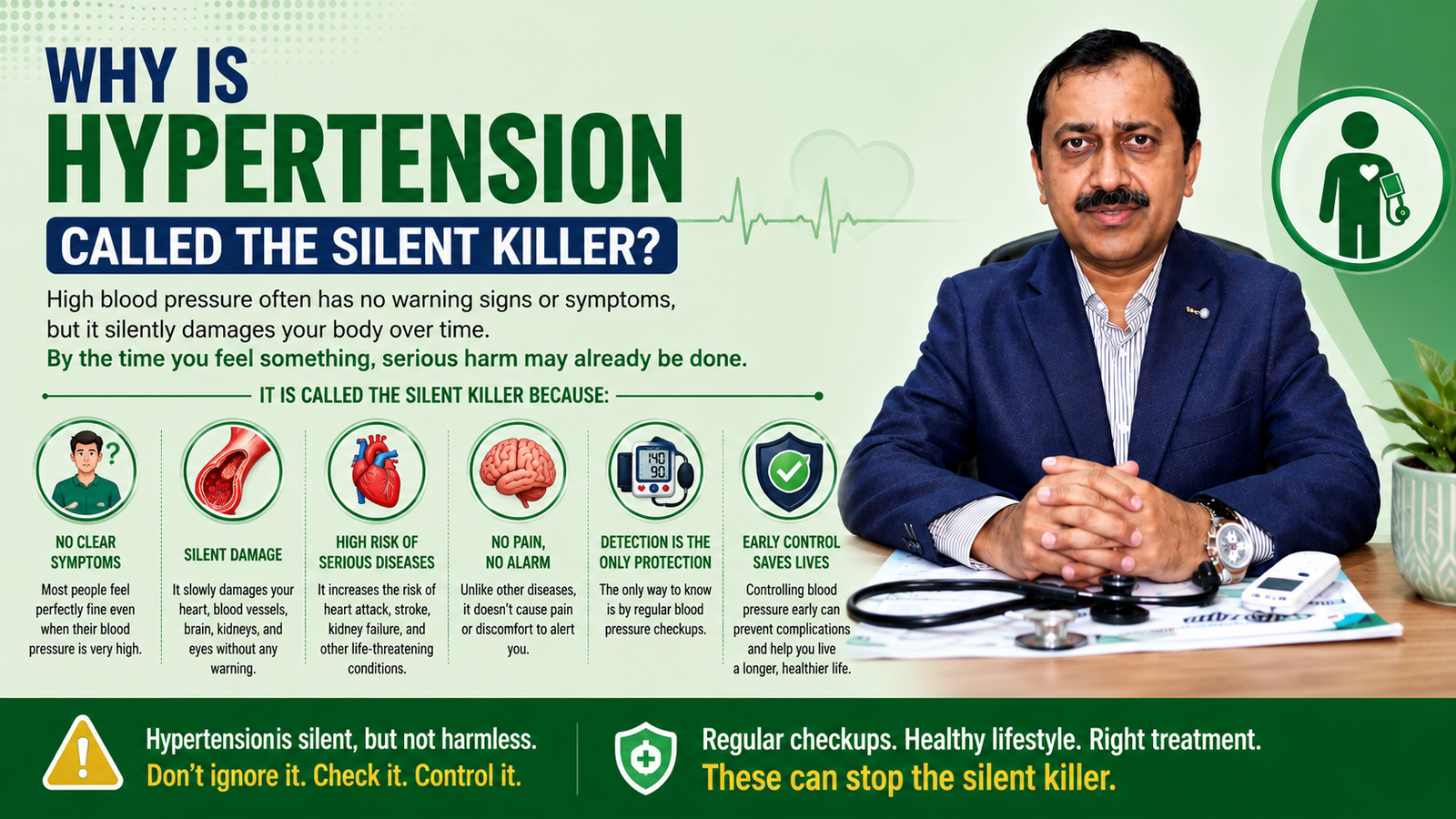 all high blood pressure the silent killer because it can quietly damage the body for years without causing noticeable symptoms.
Untreated hypertension increases the risk of:
Many people only discover they have hypertension after experiencing a serious medical emergency.
Anyone can develop high blood pressure, but some groups face a greater risk.
Risk factors include:
Even younger adults can develop hypertension if they have unhealthy daily habits.
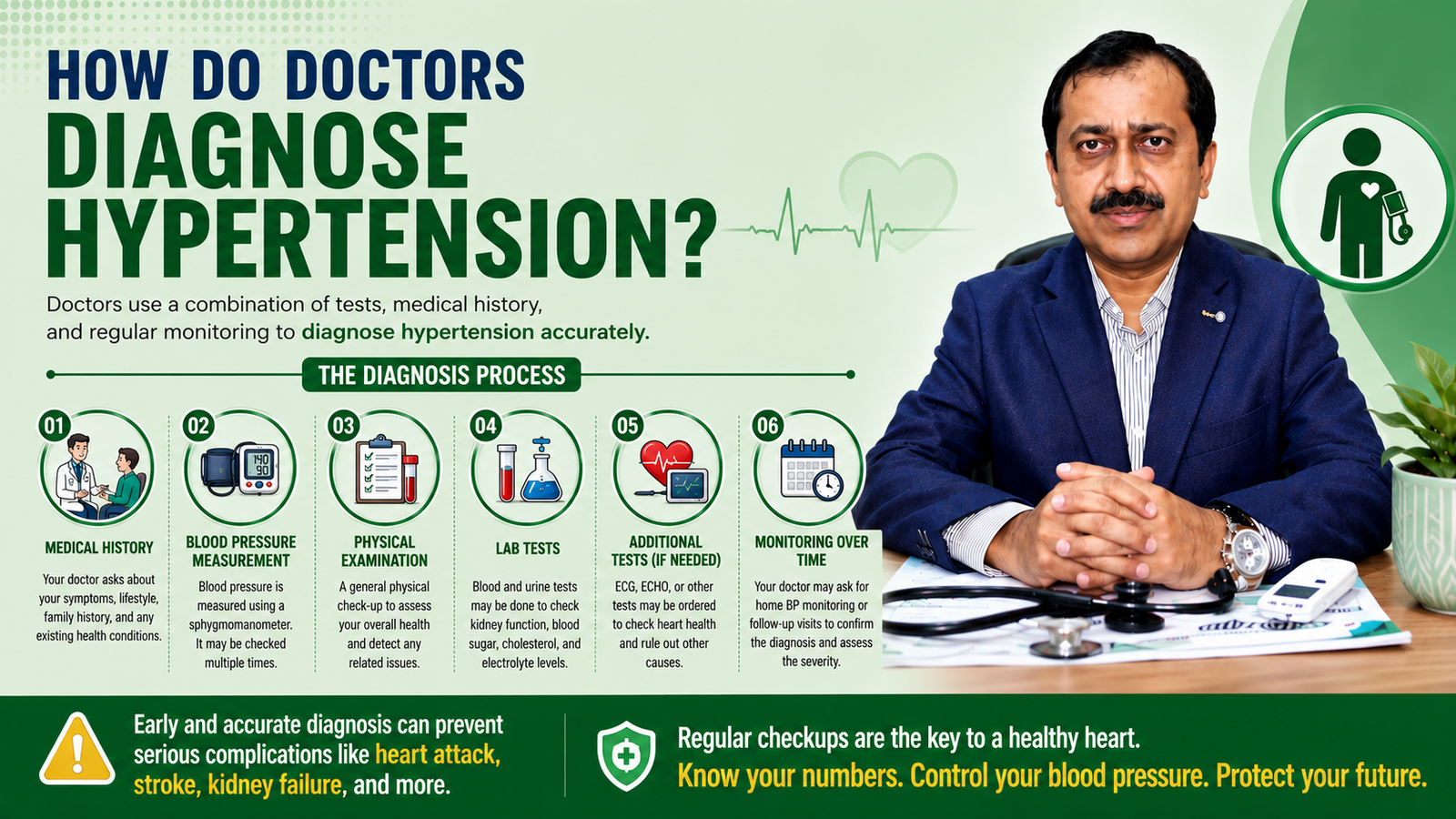
Diagnosing hypertension is simple and painless. A healthcare professional uses a blood pressure monitor to measure the force of blood against the artery walls.
Usually, several readings taken on different days are needed before making a final diagnosis. This helps avoid false results caused by stress or temporary anxiety.
In some cases, doctors may recommend:
These tests help identify any underlying health conditions.
The good news is that hypertension can often be controlled with proper treatment and healthy habits.
Doctors may recommend:
A balanced diet rich in fruits, vegetables, whole grains, and lean proteins supports heart health.
Lowering daily salt consumption can significantly reduce blood pressure.
Walking, swimming, cycling, or other physical activities for at least thirty minutes most days can improve cardiovascular health.
Losing even a small amount of extra weight can help lower blood pressure.
Relaxation techniques, quality sleep, and hobbies may help reduce stress levels.
Some people require prescription medicine to keep their blood pressure under control. These medications should always be taken exactly as directed by a healthcare professional.
A heart-healthy diet plays an important role in blood pressure management.
Helpful foods include:
It is also wise to reduce processed foods, sugary drinks, and meals with high sodium content.
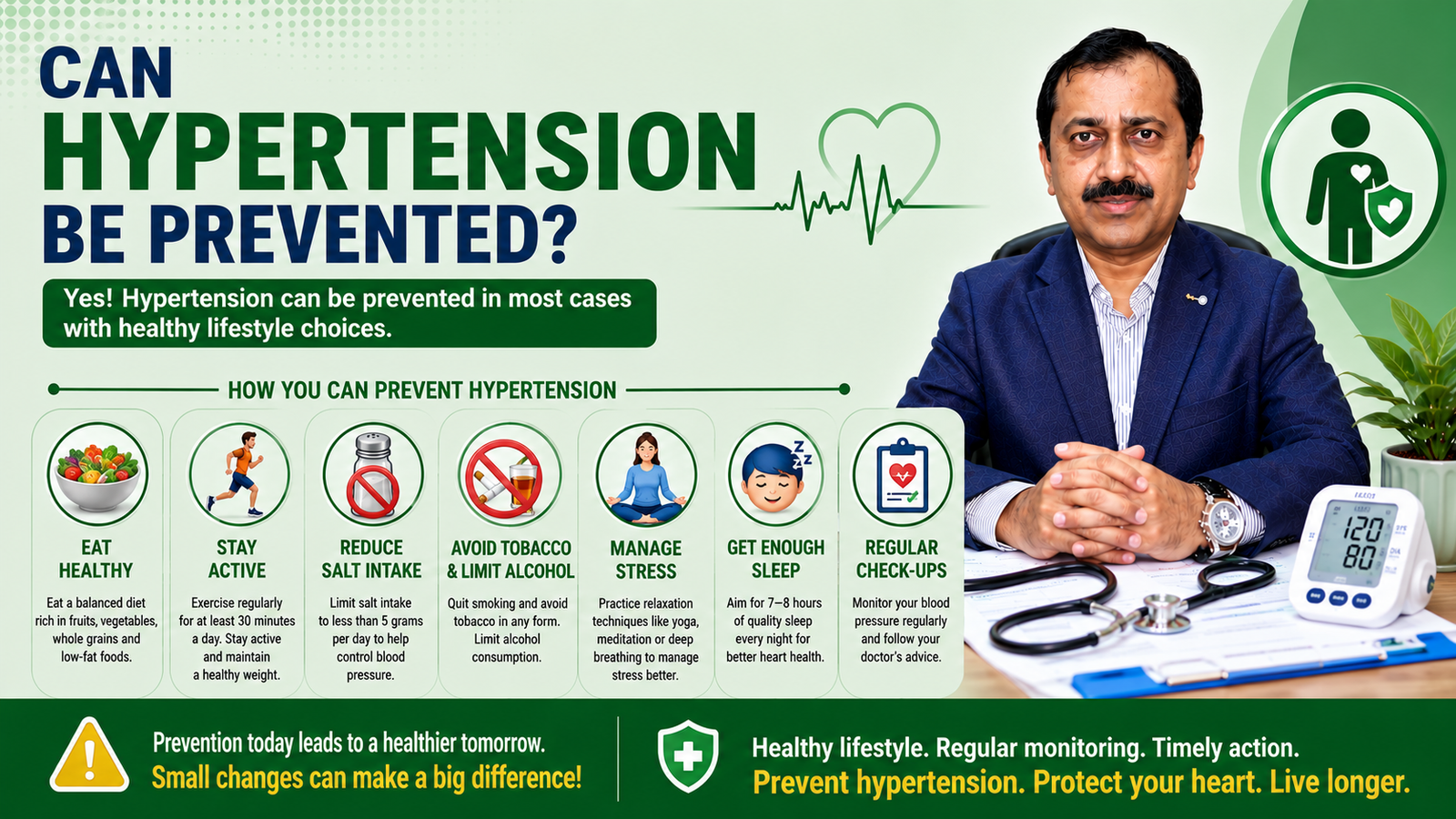
In many cases, yes.
Simple daily habits can reduce your risk:
These steps not only help prevent hypertension but also improve your overall quality of life.
Many people search for what hypertension is only after receiving a high blood pressure reading. Early detection allows treatment to begin before serious complications develop.
Routine health screenings can identify problems before they become dangerous. Even if you feel healthy, checking your blood pressure regularly is one of the simplest ways to protect your future health.
Hypertension is another name for high blood pressure. It means the force of blood pushing through your arteries is consistently too high.
Some people can lower their blood pressure through healthy lifestyle changes, but others may also need medication.
Yes. If left untreated, it can increase the risk of heart attack, stroke, kidney disease, and other serious health problems.
There is no single cause, but unhealthy eating habits, excess weight, lack of exercise, family history, and stress are common factors.
Healthy adults should check their blood pressure at least once a year, while people with risk factors may need more frequent monitoring.
If you have been asking yourself what hypertension is, the answer is simple but important.
It is a condition where blood pressure remains higher than normal, putting extra strain on your heart and blood vessels.
Although hypertension often develops without symptoms, it can lead to life-threatening complications if left untreated.
The good news is that healthy eating, regular exercise, stress management, and proper medical care can help control it effectively.
Taking action today can protect your heart, kidneys, brain, and overall well being for years to come.