Subtotal $0.00

Medova is a convenience services to the adaptability, Spacious modern villa living room with centrally placed swimming pool blending indooroutdoor
Medova is a convenience services to the adaptability, Spacious modern villa living room with centrally placed swimming pool blending indooroutdoor
High blood pressure affects millions of people worldwide, yet many individuals do not realize they have it until serious health complications develop.
This silent condition can damage the heart, brain, kidneys, and blood vessels for years without obvious signs.
While many people experience no noticeable symptoms, others may develop warning signals that should never be ignored.
Recognizing hypertension symptoms early can help prevent severe complications such as heart attack, stroke, kidney disease, and vision problems.
Knowing what to watch for allows you to seek medical advice, monitor your blood pressure, and take steps to protect your long term health.
This guide explains the possible signs of high blood pressure, risk factors, diagnosis methods, treatment options, and practical ways to maintain healthy blood pressure levels.
Blood pressure measures the force of blood pushing against artery walls as the heart pumps blood throughout the body.
Healthcare providers measure blood pressure using two numbers:
When blood pressure remains consistently elevated, it increases strain on blood vessels and vital organs.
Over time, uncontrolled high blood pressure may contribute to:
Because complications often develop gradually, regular monitoring remains essential.
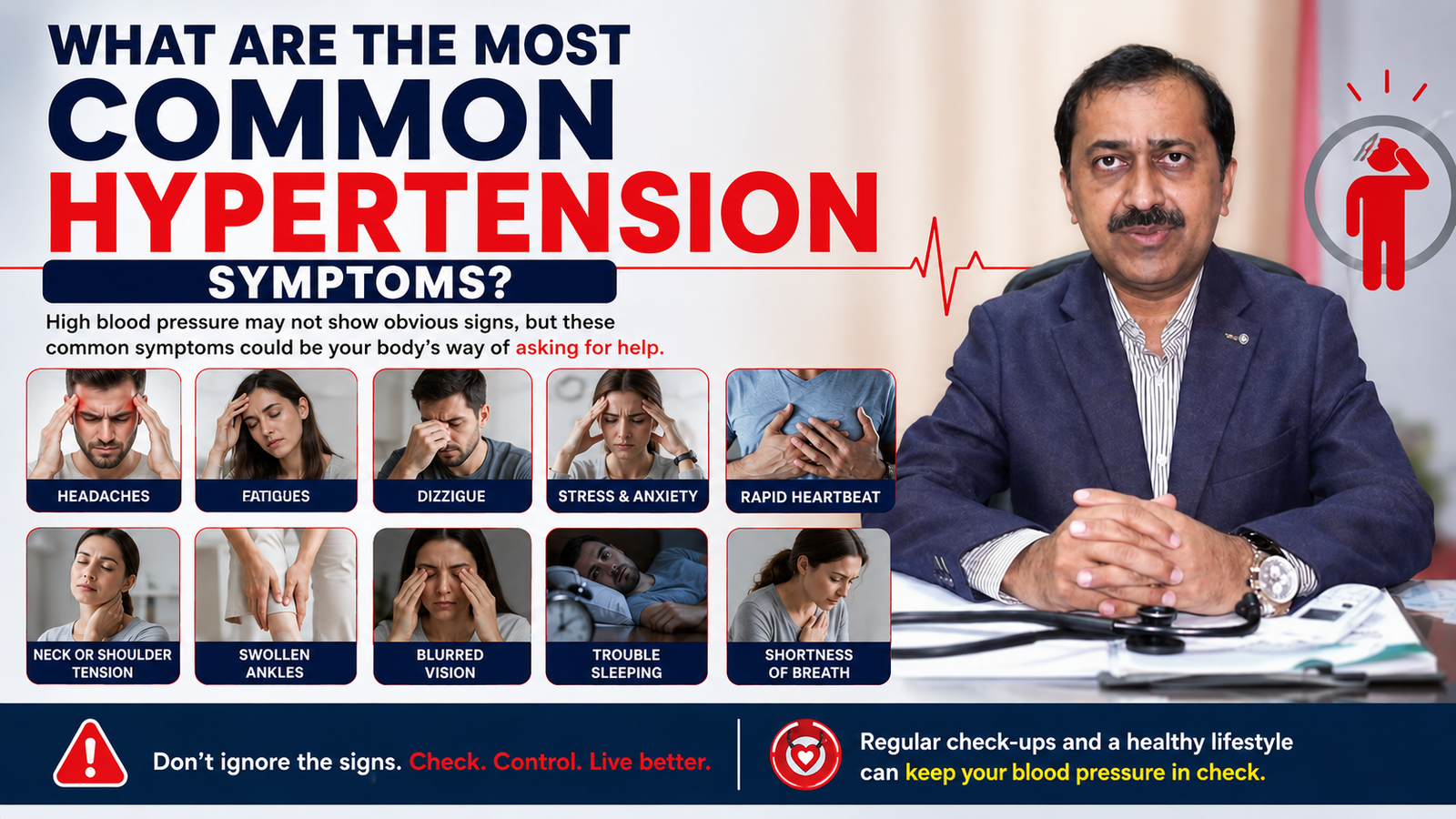
Many people refer to high blood pressure as a silent condition because symptoms may not appear until blood pressure reaches dangerous levels.
Possible warning signs include:
Persistent or intense headaches can sometimes occur when blood pressure rises significantly.
Some individuals report feeling lightheaded or dizzy during episodes of elevated blood pressure.
Difficulty breathing may develop when the cardiovascular system experiences excessive strain.
Chest discomfort should always receive immediate medical evaluation because it may signal a serious cardiovascular problem.
Blurred vision or other visual disturbances can occur when blood vessels in the eyes become affected.
Frequent nosebleeds occasionally accompany severely elevated blood pressure levels.
Unexplained tiredness may occur when the body struggles to function efficiently under increased cardiovascular stress.
Although these signs can occur, many people with high blood pressure experience no symptoms at all.
One of the greatest challenges associated with high blood pressure is that it often develops gradually.
Blood vessels and organs may experience damage for years without causing noticeable discomfort. This is why routine blood pressure screening remains one of the most important preventive health measures.
Many patients discover their condition during:
Regular testing remains the only reliable way to identify high blood pressure before complications arise.
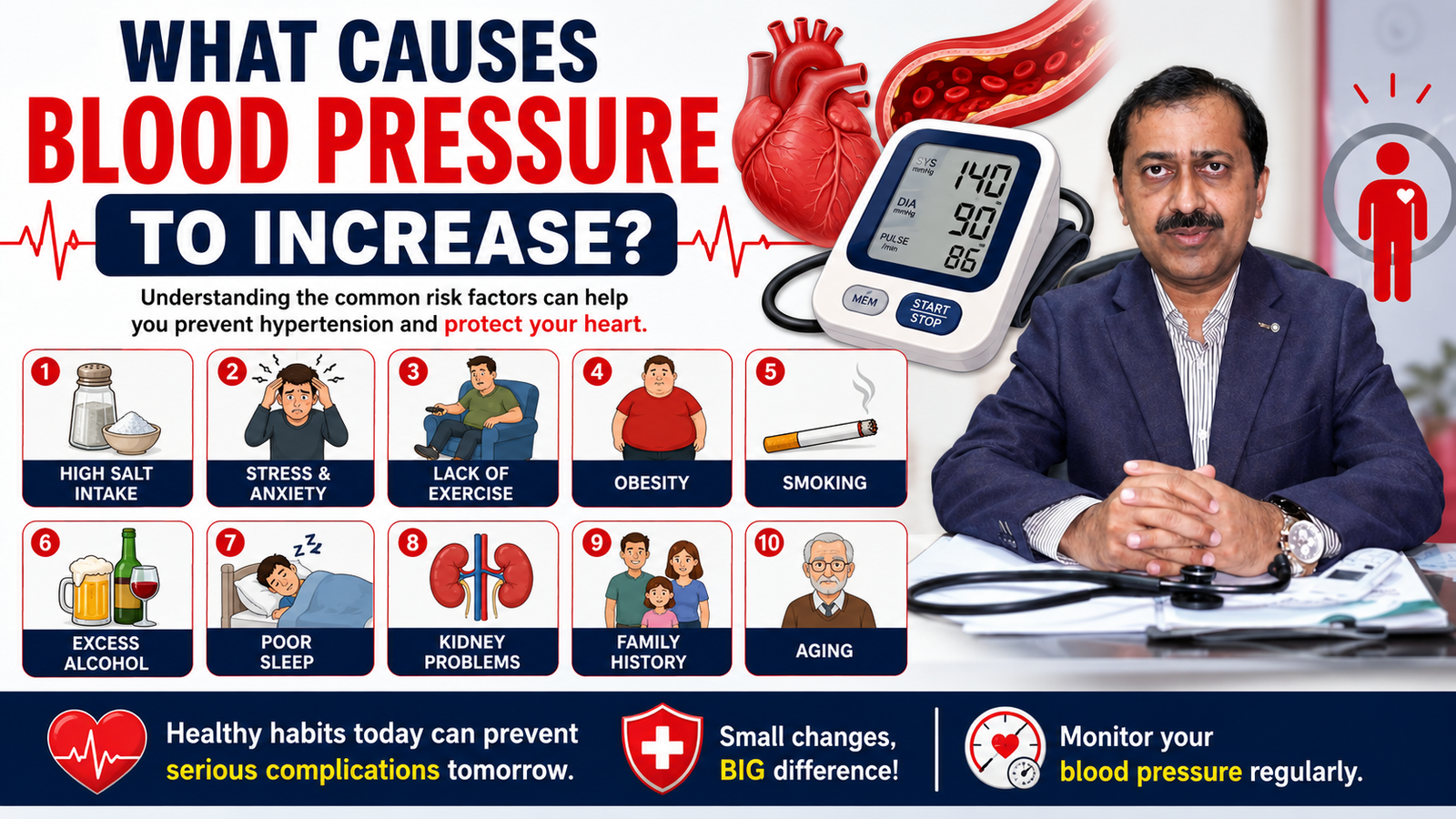
Several factors can contribute to elevated blood pressure.
Genetics can influence blood pressure regulation and cardiovascular health.
Blood pressure often increases with age as blood vessels become less flexible.
Carrying extra weight places additional strain on the heart and circulatory system.
Lack of regular exercise can contribute to poor cardiovascular health.
Excess sodium may cause the body to retain fluid, increasing blood pressure levels.
Tobacco use damages blood vessels and increases cardiovascular risk.
Heavy alcohol use can raise blood pressure over time.
Long periods of stress may contribute to unhealthy lifestyle habits and elevated blood pressure.
Healthcare professionals diagnose high blood pressure through blood pressure measurements.
A proper diagnosis typically involves:
Doctors may also recommend home blood pressure monitoring to provide a more complete picture of cardiovascular health.
Accurate diagnosis helps determine the most effective treatment plan.
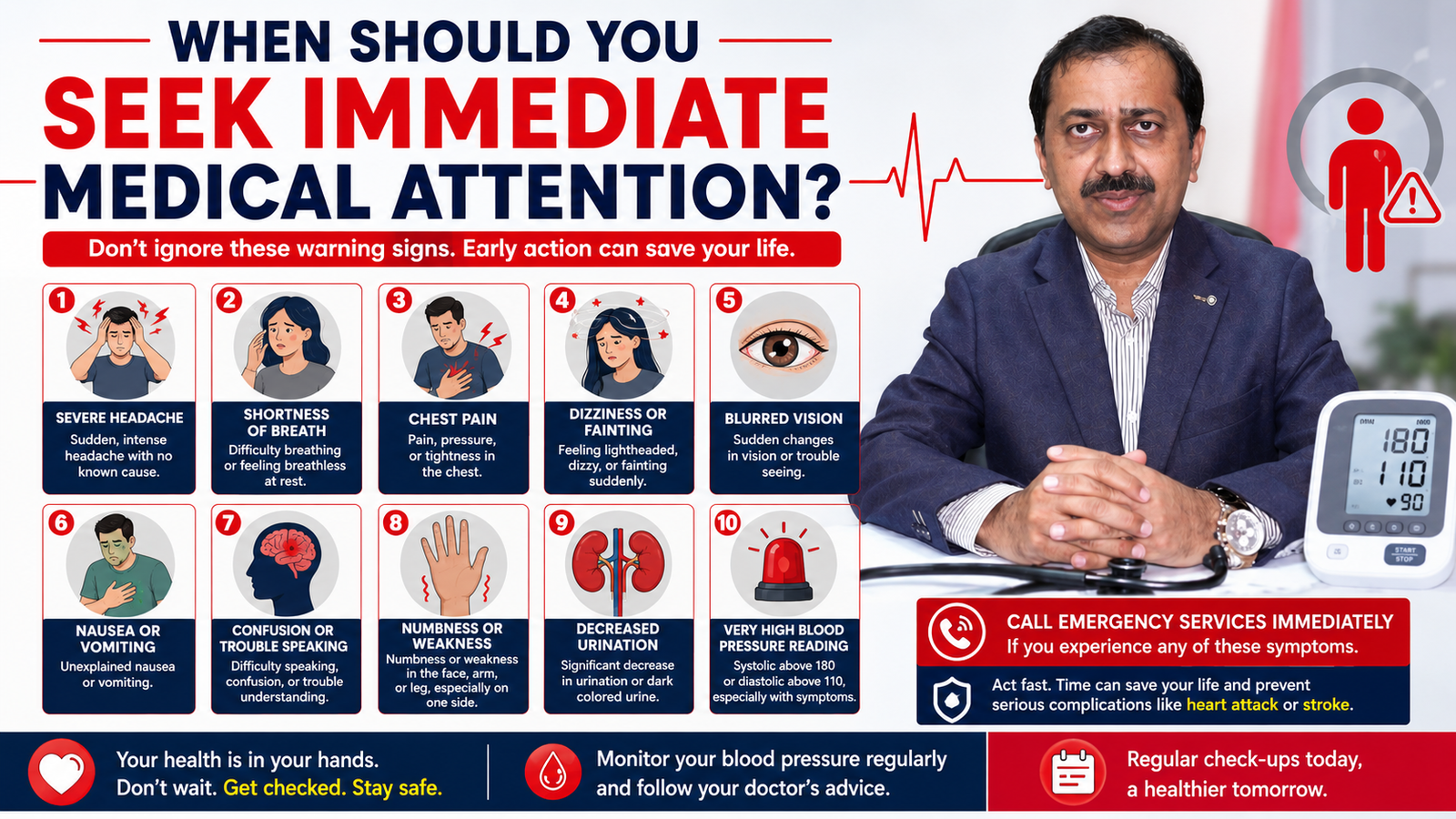
Certain symptoms may indicate a medical emergency rather than routine high blood pressure.
Seek urgent medical care if you experience:
These signs may indicate complications such as stroke, heart attack, or hypertensive crisis.
Prompt treatment can save lives and reduce long-term damage.
Treatment depends on blood pressure levels, overall health, and individual risk factors.
Doctors often recommend lifestyle improvements as the first step.
Common recommendations include:
Some patients require medication to help control blood pressure.
Common medication categories include:
A healthcare provider selects treatment based on individual medical needs.
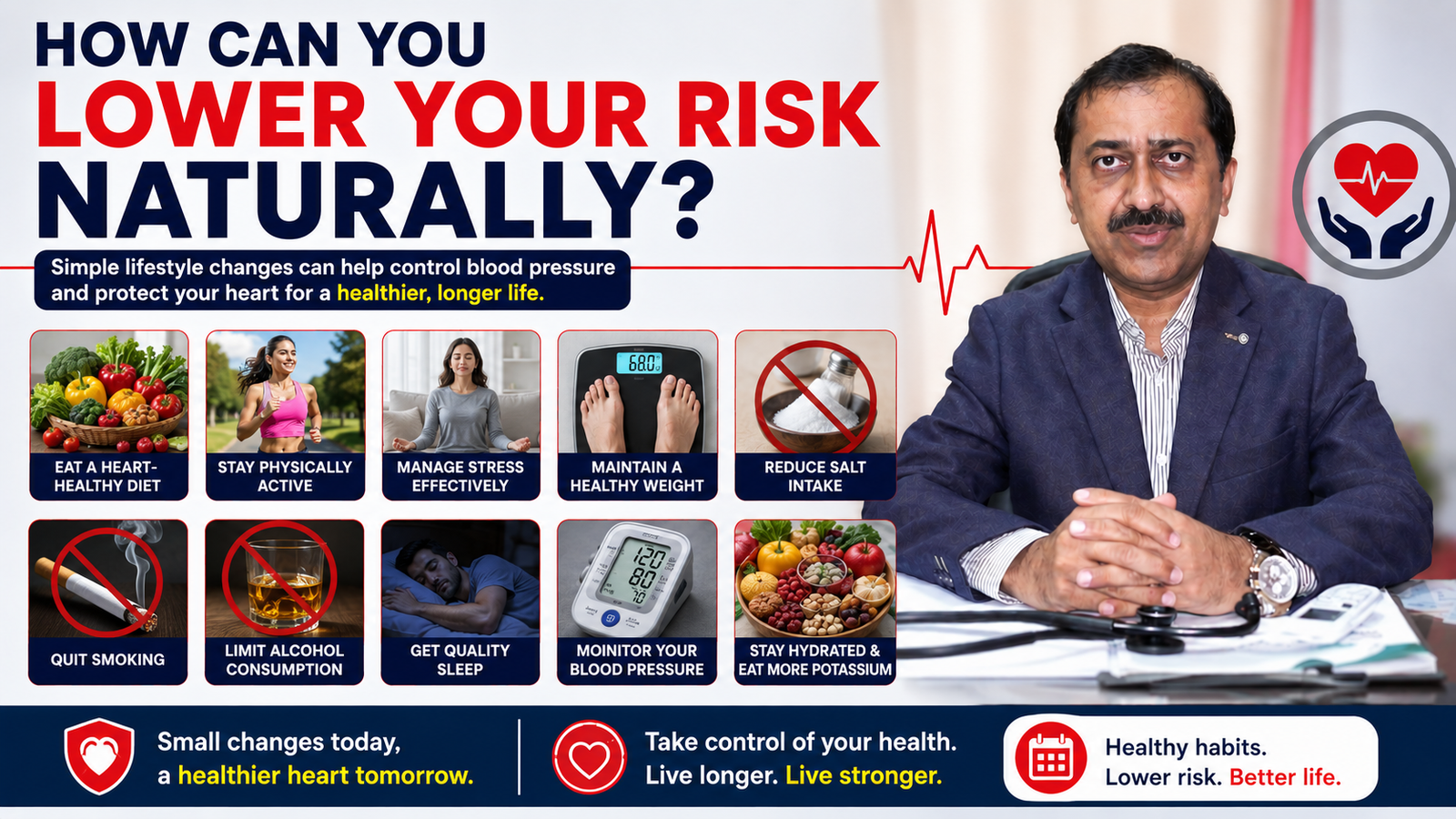
Many healthy habits support better blood pressure control.
Focus on fruits, vegetables, whole grains, lean proteins, and healthy fats.
Regular physical activity strengthens the heart and improves circulation.
Weight management can significantly improve blood pressure levels.
Poor sleep may contribute to elevated blood pressure and cardiovascular risk.
Relaxation techniques, meditation, and regular exercise can help reduce stress.
Home monitoring helps identify changes before complications occur.
Consistent healthy habits often provide long-term benefits for cardiovascular health.
Yes. Persistent or severe symptoms may suggest that high blood pressure is affecting major organs.
Potential complications include:
Elevated blood pressure forces the heart to work harder, increasing cardiovascular risk.
Damaged blood vessels in the brain can lead to a stroke.
The kidneys rely on healthy blood vessels to function properly.
Damage to blood vessels in the eyes can affect vision.
Poor blood vessel health may affect memory and cognitive performance over time.
Early diagnosis and proper treatment can significantly reduce these risks.
The ideal frequency depends on age, health status, and risk factors.
Generally:
Routine monitoring remains one of the most effective ways to prevent complications associated with hypertension symptoms and uncontrolled blood pressure.
Yes. Many people with high blood pressure experience no symptoms, which is why regular monitoring is important.
There is often no first sign. Some individuals may experience headaches, dizziness, or blurred vision when blood pressure becomes very high.
Chronic stress can contribute to elevated blood pressure and unhealthy lifestyle habits that increase cardiovascular risk.
Yes. Uncontrolled high blood pressure can increase the risk of heart disease, stroke, kidney damage, and other serious health problems.
Yes. Regular exercise, healthy eating, weight management, stress reduction, and limiting salt intake can help improve blood pressure control.
Although many people experience no warning signs, hypertension symptoms can sometimes indicate dangerously elevated blood pressure levels.
Severe headaches, dizziness, chest pain, vision changes, and shortness of breath should never be ignored.
Regular blood pressure monitoring, healthy lifestyle choices, and timely medical care can help prevent serious complications.
If you have risk factors or concerns about your blood pressure, consult a healthcare professional and take proactive steps to protect your heart, brain, kidneys, and overall wellbeing.