Subtotal $0.00


Medova is a convenience services to the adaptability, Spacious modern villa living room with centrally placed swimming pool blending indooroutdoor
Medova is a convenience services to the adaptability, Spacious modern villa living room with centrally placed swimming pool blending indooroutdoor
High blood pressure, medically known as hypertension, is one of the most common chronic health conditions affecting adults worldwide. Despite its prevalence, many people remain unaware they have hypertension because the condition often develops silently without obvious symptoms.
Over time, uncontrolled blood pressure can damage blood vessels and vital organs, increasing the risk of heart attacks, strokes, kidney disease, and vision problems.
If you are searching for a high blood pressure doctor, a Best doctor for Blood Pressure in Karachi, a BP specialist doctor, or a Hypertension specialist in Karachi, understanding the condition and seeking timely medical care can significantly improve long-term health outcomes.
Many patients in Karachi only discover they have high blood pressure during a routine medical examination, pre-employment screening, or after experiencing complications related to cardiovascular disease. Early detection and proper management remain the most effective ways to reduce health risks and maintain a healthy quality of life.
This comprehensive guide explains hypertension, its causes, symptoms, diagnosis, treatment options, lifestyle modifications, and how to choose the right blood pressure specialist in Karachi.
A high blood pressure doctor is a healthcare professional who diagnoses, treats, and manages hypertension to reduce the risk of heart disease, stroke, kidney disease, and other serious health complications.
In Karachi, patients with high blood pressure are commonly treated by experienced physicians, internal medicine specialists, and cardiologists, depending on the severity of their condition and overall cardiovascular risk profile.
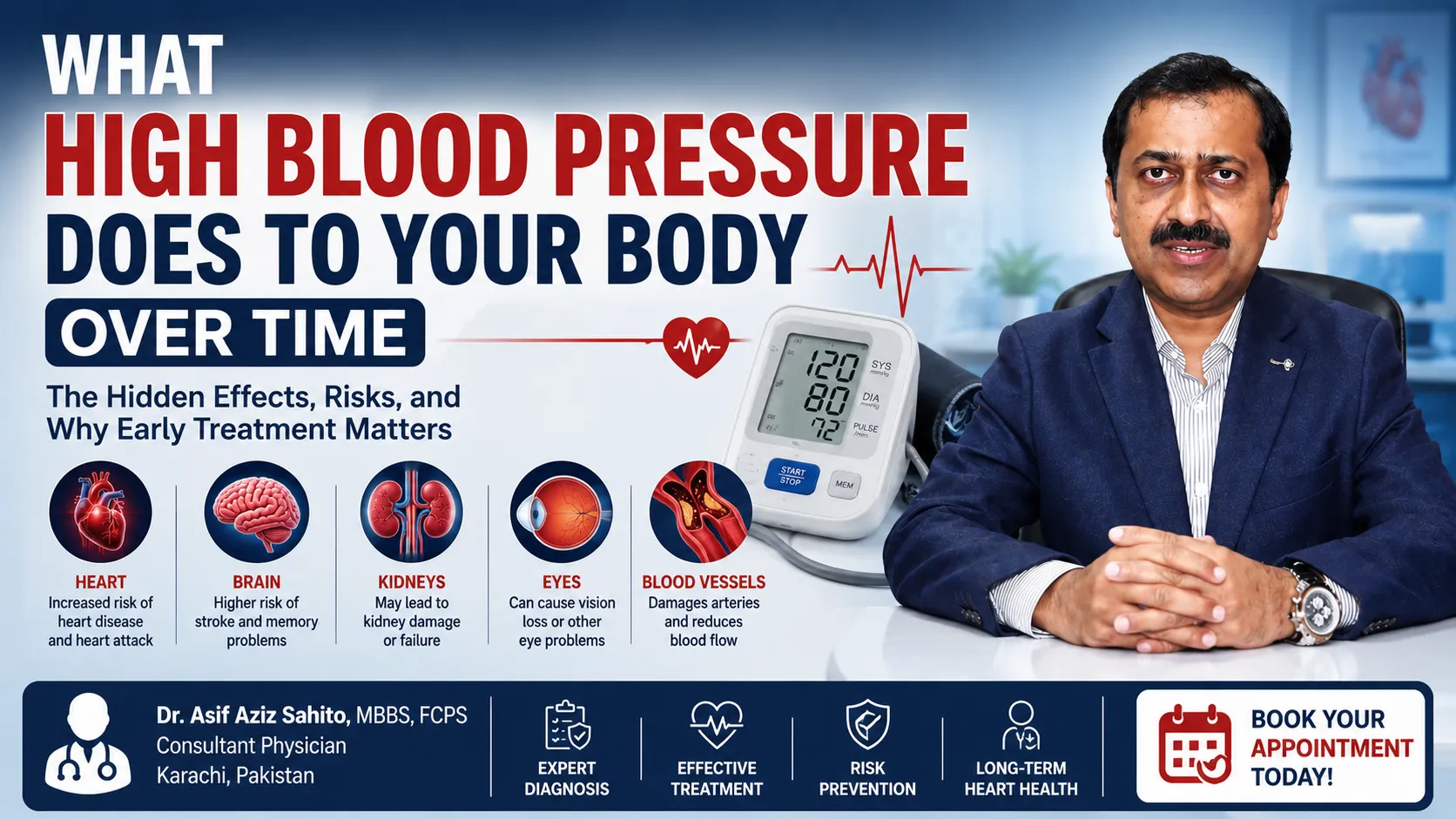
Blood pressure is the force that circulating blood exerts against the walls of the arteries. It plays a vital role in delivering oxygen and nutrients throughout the body. However, when blood pressure remains consistently elevated, it places excessive stress on the cardiovascular system.
Blood pressure readings include two measurements. The systolic reading measures pressure when the heart pumps blood, while the diastolic reading measures pressure when the heart relaxes between beats.
A normal blood pressure reading is generally below 120/80 mmHg. Persistent readings above recommended levels may indicate hypertension and require medical evaluation.
High blood pressure is more than a number on a monitor. It is a long-term condition that can silently affect the heart, kidneys, brain, eyes, and blood vessels if left untreated.
Hypertension is often called the silent killer because many people experience no symptoms even when their blood pressure reaches dangerous levels.
Unlike many illnesses that produce clear warning signs, high blood pressure can cause gradual damage over several years without noticeable discomfort. During this period, arteries become less flexible, the heart works harder, and vital organs may suffer progressive damage.
This silent progression explains why regular blood pressure monitoring is essential, especially for adults with risk factors such as obesity, diabetes, smoking, or a family history of cardiovascular disease.
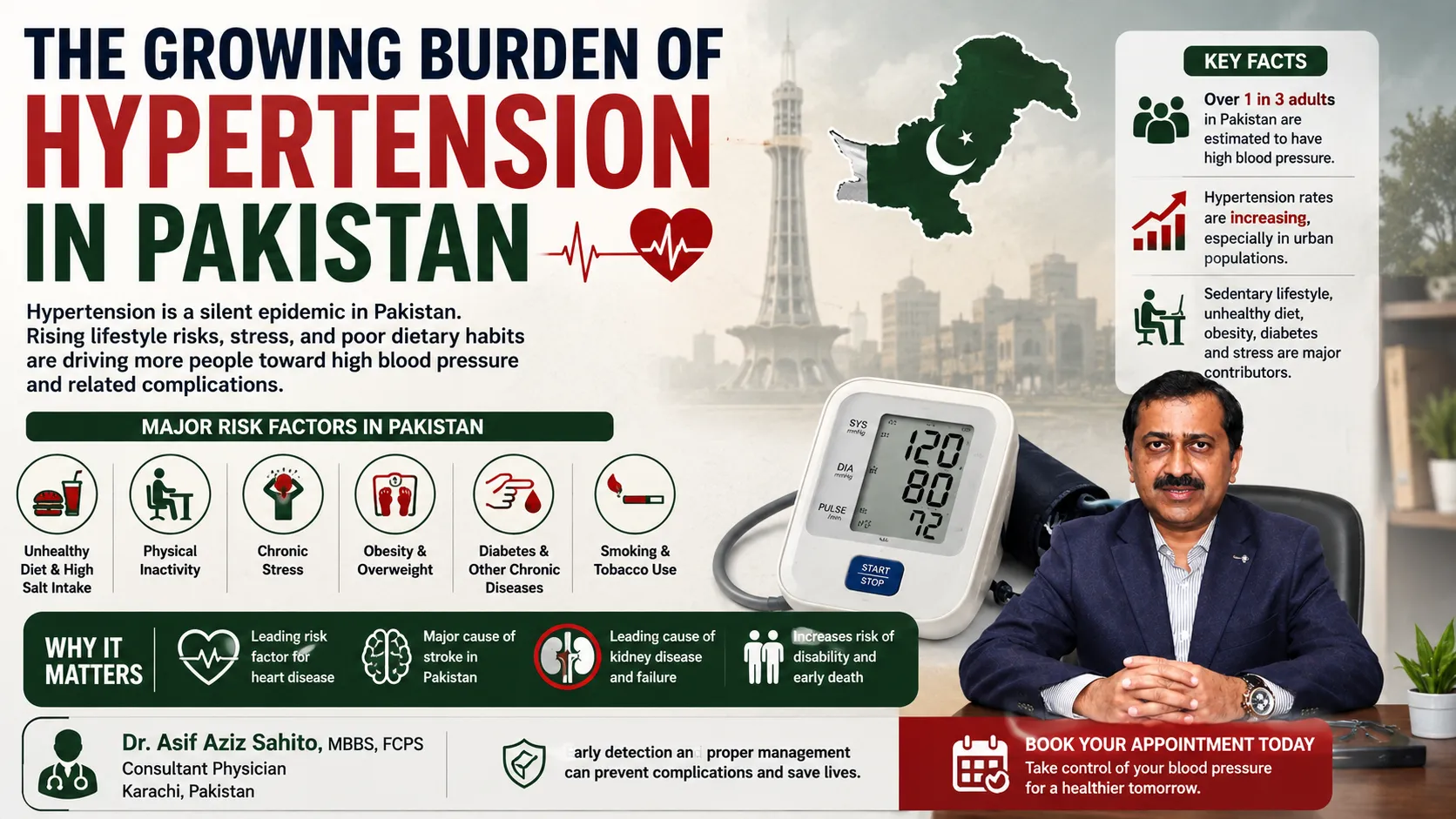
Hypertension has become a major public health concern across Pakistan. Healthcare experts report increasing rates of high blood pressure among adults, particularly in urban populations where sedentary lifestyles, unhealthy eating habits, stress, and obesity are becoming more common.
The combination of reduced physical activity, increasing diabetes prevalence, tobacco use, and high sodium consumption contributes significantly to cardiovascular disease risk. Public health experts continue to emphasize the importance of early screening and preventive healthcare because many people remain unaware they have hypertension until complications develop.
This trend highlights the growing need for access to qualified blood pressure specialists and preventive healthcare services throughout Karachi and other major cities.
Karachi’s fast-paced lifestyle presents several challenges that may contribute to elevated blood pressure. Long commuting times, traffic-related stress, demanding work schedules, inadequate sleep, limited physical activity, and increased dependence on processed foods all play a role.
Many office workers spend long hours sitting at desks, often consuming high-calorie meals and experiencing chronic stress without sufficient exercise. Healthcare professionals in Karachi frequently encounter patients who develop hypertension alongside diabetes, obesity, and cholesterol abnormalities.
These conditions often occur together and significantly increase the risk of cardiovascular disease. The good news is that many of these risk factors can be improved through lifestyle modifications and appropriate medical care.
One of the most challenging aspects of hypertension is that symptoms are often absent. Some individuals may experience persistent headaches, dizziness, fatigue, blurred vision, shortness of breath, chest discomfort, or occasional nosebleeds when blood pressure becomes significantly elevated. However, many patients with severe hypertension feel completely normal.
Because symptoms are not a reliable indicator of blood pressure levels, routine monitoring remains the most effective method for early detection.
High blood pressure develops due to a combination of genetic, lifestyle, and medical factors. Primary hypertension is the most common type and usually develops gradually over time. Factors such as aging, obesity, excessive salt intake, smoking, physical inactivity, chronic stress, and family history contribute significantly to its development.
Secondary hypertension occurs when another medical condition causes elevated blood pressure. Common causes include kidney disease, thyroid disorders, hormonal abnormalities, sleep apnea, and certain medications. A qualified Hypertension specialist in Karachi can evaluate these factors and determine the most appropriate treatment plan.
You should seek medical attention if:
Early medical intervention can prevent complications and improve long-term outcomes.
Many patients are unsure whether they should consult a physician or a cardiologist. For newly diagnosed hypertension, an experienced physician or internal medicine specialist can usually provide diagnosis, treatment, and ongoing monitoring.
However, patients with severe hypertension, uncontrolled blood pressure, heart disease, kidney disease, previous stroke, or multiple cardiovascular risk factors may benefit from consultation with a cardiologist. The right healthcare professional can identify underlying causes, assess cardiovascular risk, and create a personalized treatment strategy.
The first consultation typically involves a detailed evaluation of your health status and risk factors. Your doctor will review your medical history, family history, medications, dietary habits, physical activity levels, sleep patterns, and previous blood pressure readings. A physical examination will also be performed.
Additional investigations may include blood sugar testing, cholesterol evaluation, kidney function tests, urine analysis, electrocardiography, or other cardiovascular assessments, depending on individual circumstances. These investigations help physicians develop a comprehensive and personalized treatment plan.
Understanding blood pressure classifications helps patients recognize when medical attention may be necessary.
Category | Systolic Pressure | Diastolic Pressure |
Normal | Below 120 | Below 80 |
Elevated | 120–129 | Below 80 |
Stage 1 Hypertension | 130–139 | 80–89 |
Stage 2 Hypertension | 140 or Higher | 90 or Higher |
Hypertensive Crisis | Above 180 | Above 120 |
Individuals experiencing hypertensive crisis readings require immediate medical evaluation.
Early diagnosis remains one of the most effective strategies for preventing serious complications associated with hypertension.
When high blood pressure is identified early, doctors can implement lifestyle interventions and treatment plans before significant organ damage occurs. Early management reduces the likelihood of heart attacks, strokes, kidney disease, heart failure, and vision complications.
Patients diagnosed during routine health screenings often achieve better long-term outcomes than those who seek medical care only after symptoms or complications appear.
Treatment depends on blood pressure levels, age, overall health, and associated medical conditions. Healthcare professionals focus on reducing blood pressure safely while lowering overall cardiovascular risk. Most treatment plans combine lifestyle modifications with medication when necessary.
Successful hypertension management requires consistent follow-up, patient education, and long-term commitment to healthy habits.
Lifestyle modifications remain the foundation of hypertension management. Reducing sodium intake can significantly improve blood pressure control. Healthcare professionals often recommend increasing the consumption of vegetables, fruits, whole grains, legumes, and lean protein sources while limiting processed foods.
Regular exercise strengthens the heart and improves circulation. Activities such as walking, cycling, swimming, and moderate aerobic exercise can help lower blood pressure naturally.
Weight management is equally important. Even modest weight reduction can produce measurable improvements in blood pressure and cardiovascular health. Adequate sleep, stress reduction, smoking cessation, and limiting alcohol intake further support long-term blood pressure control.
Diet plays a significant role in hypertension management. Many commonly consumed foods contain substantial amounts of sodium, including pickles, fried foods, processed snacks, bakery products, instant meals, and restaurant food. Excessive sodium intake can increase fluid retention and contribute to elevated blood pressure.
Healthcare professionals often encourage patients to prepare more meals at home, reduce added salt, and increase their intake of fresh fruits, vegetables, legumes, and potassium-rich foods. These dietary adjustments may appear simple, but they can have a meaningful impact on cardiovascular health over time.
Lifestyle changes alone may not always be sufficient to achieve healthy blood pressure levels. Medication may be recommended when blood pressure remains elevated despite lifestyle improvements or when patients have additional risk factors such as diabetes, kidney disease, or established cardiovascular disease.
Several classes of medications are commonly prescribed, including ACE inhibitors, ARBs, calcium channel blockers, diuretics, and beta blockers. The most appropriate option depends on each patient’s individual health profile and treatment goals.
Untreated hypertension can gradually damage multiple organs throughout the body. The heart may develop coronary artery disease, enlargement, heart failure, or experience a heart attack. The brain becomes increasingly vulnerable to stroke and cognitive decline.
Kidney function may deteriorate, and damage to retinal blood vessels can affect vision. These complications often develop slowly and silently, making regular monitoring and treatment essential.
Several factors increase the likelihood of developing high blood pressure.
Risk Factor | Impact on Blood Pressure |
Obesity | Increases genetic susceptibility |
Obesity | Places additional strain on the cardiovascular system |
Diabetes | Increases the risk of vascular damage |
Smoking | Damages blood vessels |
Aging | Reduces arterial flexibility |
Chronic Stress | Contributes to elevated blood pressure |
High Salt Intake | Promotes fluid retention |
Recognizing these risk factors allows individuals to take preventive measures before hypertension develops.
According to healthcare professionals who regularly manage hypertension, one of the most common misconceptions among patients is that medication alone can solve the problem. In reality, long-term success usually depends on combining appropriate medical treatment with healthy lifestyle choices.
Patients who maintain a healthy weight, reduce salt intake, stay physically active, manage stress effectively, and attend regular follow-up appointments often achieve better blood pressure control and lower cardiovascular risk.
Choosing the right healthcare provider is an important step toward successful hypertension management. Look for a physician or cardiologist with experience in diagnosing and treating hypertension. Consider qualifications, clinical experience, communication skills, patient reviews, accessibility, and follow-up care.
Many patients searching for the Best doctor for Blood Pressure in Karachi or an experienced BP specialist doctor benefit from selecting a healthcare professional who emphasizes both medical treatment and preventive care. The best outcomes are often achieved when patients and healthcare providers work together to create realistic and sustainable health goals.
Medically Reviewed By:
Dr. Asif Aziz Sahito, MBBS, FCPS
Consultant Physician
Karachi, Pakistan
This article has been medically reviewed for educational accuracy and is based on established hypertension management principles and current clinical recommendations.
Some individuals can achieve normal blood pressure through lifestyle modifications, especially when hypertension is detected early. However, many patients require ongoing management and regular monitoring.
Blood pressure readings above 180/120 mmHg are considered a medical emergency and require immediate medical attention.
Yes. Chronic stress can contribute to elevated blood pressure and may increase overall cardiovascular risk.
The recommended frequency depends on age, risk factors, and existing medical conditions. Your healthcare provider can recommend an appropriate monitoring schedule.
Genetics can increase susceptibility to hypertension, but lifestyle factors also play a significant role in determining overall risk.
This article is intended for educational and informational purposes only. It should not be considered a substitute for professional medical advice, diagnosis, or treatment. Always consult a qualified healthcare provider regarding any medical condition or concerns related to blood pressure or cardiovascular health.
High blood pressure is a serious but manageable condition when diagnosed and treated early. Regular monitoring, healthy lifestyle changes, and timely medical care can significantly reduce the risk of heart disease, stroke, kidney disease, and other complications.
If you are looking for an experienced high blood pressure doctor or a hypertension specialist in Karachi, Dr. Asif Aziz Sahito, MBBS, FCPS, Consultant Physician, provides comprehensive diagnosis and treatment for hypertension and related health concerns.
Book your appointment today with Dr. Asif Aziz Sahito to receive expert medical guidance and take the first step toward better blood pressure control and long-term heart health.