Subtotal $0.00


Medova is a convenience services to the adaptability, Spacious modern villa living room with centrally placed swimming pool blending indooroutdoor
Medova is a convenience services to the adaptability, Spacious modern villa living room with centrally placed swimming pool blending indooroutdoor
A gastrology doctor is commonly known as a gastroenterologist. Gastroenterology is the medical field that focuses on the digestive system and its related organs.
A digestive specialist may assess problems involving the esophagus, stomach, small intestine, colon, rectum, liver, gallbladder, bile ducts, and pancreas.
Patients may also search online for terms such as stomach doctor, stomach specialist, gastro doctor, or digestive specialist. These terms are often used for doctors who treat digestive health problems.
A gastroenterologist may manage conditions such as acid reflux, gastritis, stomach ulcers, bowel disorders, liver disease, and other gastrointestinal problems. Some specialists may also perform procedures such as endoscopy and colonoscopy.
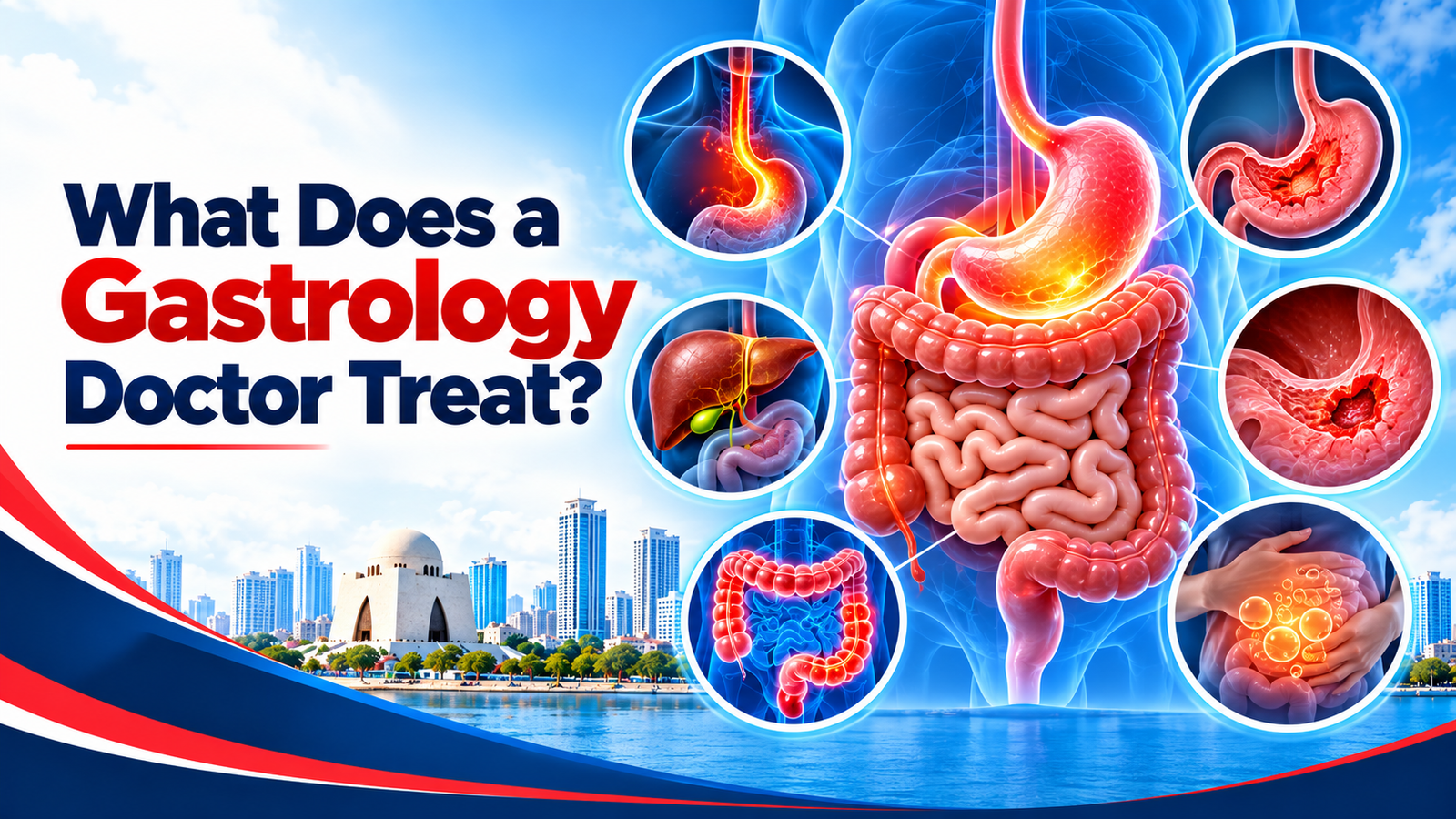
Digestive symptoms do not always come from the stomach. A problem may begin in the bowel, liver, gallbladder, pancreas, or another part of the digestive system.
A gastrology doctor may assess conditions such as:
The correct treatment depends on the cause. For example, indigestion does not always mean that you have too much stomach acid. Several conditions may cause similar symptoms.
A doctor may first review your symptoms, medical history, eating habits, and medicines before deciding whether further testing is needed.
Not every mild stomach problem needs specialist care. Occasional indigestion after a heavy meal may settle on its own.However, digestive symptoms that continue for several days, return often, or interfere with daily life should not be ignored.
You may need medical assessment if you frequently experience heartburn, acid reflux, stomach pain, bloating, constipation, diarrhea, nausea, or changes in bowel habits.Difficulty swallowing or pain while swallowing may also require medical attention.
Another reason to see a doctor is when digestive symptoms keep coming back even after basic treatment. In such cases, proper assessment can help identify the possible cause instead of only providing temporary relief.
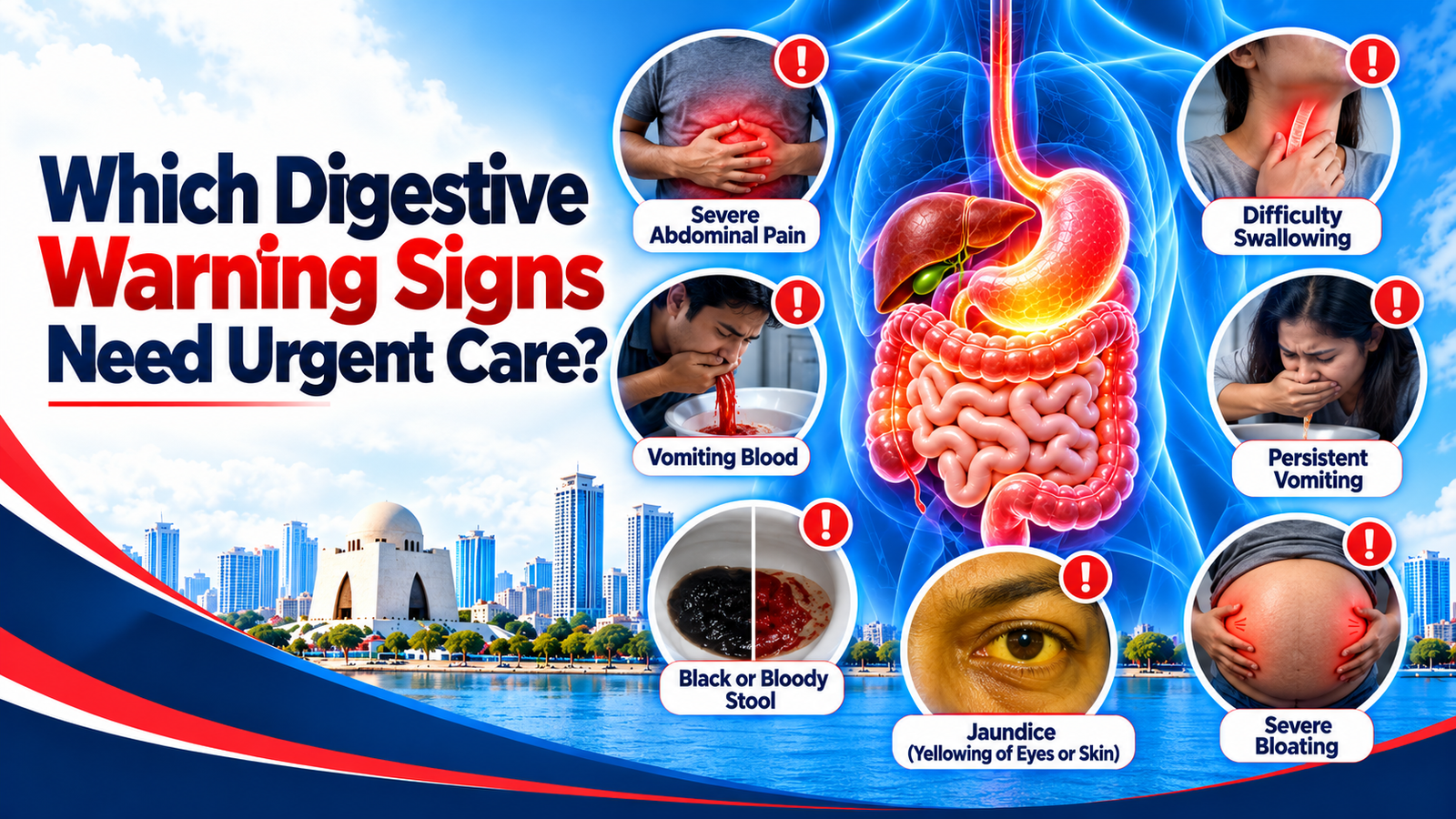
Some symptoms need faster medical attention because they may point to a more serious problem.
Seek urgent medical care if you experience:
These symptoms can have several causes. They should not be diagnosed at home or treated only with home remedies.
Digestive conditions often share similar symptoms. This is why one symptom does not always point to one disease.For example, upper abdominal pain may occur with gastritis, indigestion, reflux, stomach ulcers, or other digestive problems.
A doctor may ask when the symptoms started, how often they occur, whether they become worse after meals, and whether certain foods trigger them.The doctor may also ask about bowel habits, previous digestive problems, current medicines, family history, and any recent changes in weight.
Upper digestive symptoms may include heartburn, reflux, nausea, vomiting, indigestion, upper stomach discomfort, and feeling full too quickly.
Lower digestive symptoms may include constipation, diarrhea, stomach cramps, urgency, changes in stool, or long-term changes in bowel habits.
Other concerns may include unexplained weight loss, blood in the stool, trouble swallowing, or symptoms linked with liver or pancreatic problems.A professional evaluation is important because symptoms alone cannot confirm a diagnosis.
Diagnosis usually begins with a detailed medical history.Your doctor may ask about your symptoms, diet, medicines, bowel habits, previous medical conditions, and family history.
A physical examination may also be done.After this, the doctor may decide whether you need laboratory tests, imaging, endoscopy, or another investigation.Not every patient needs every test. The type of investigation depends on your symptoms and the suspected condition.
Blood tests may help identify anemia, infection, inflammation, liver-related changes, or other health problems.Stool tests may be used when the doctor needs to check for blood, infection, inflammation, or certain bowel conditions.pylori testing may be considered in some patients with gastritis, indigestion, or suspected stomach ulcers.
An abdominal ultrasound may help doctors examine organs such as the liver and gallbladder.In some cases, an upper GI endoscopy may be advised to look inside the upper digestive tract.
A colonoscopy may also be recommended when the doctor needs to examine the colon and rectum.The choice of test depends on your age, symptoms, medical history, and the possible cause of your condition.
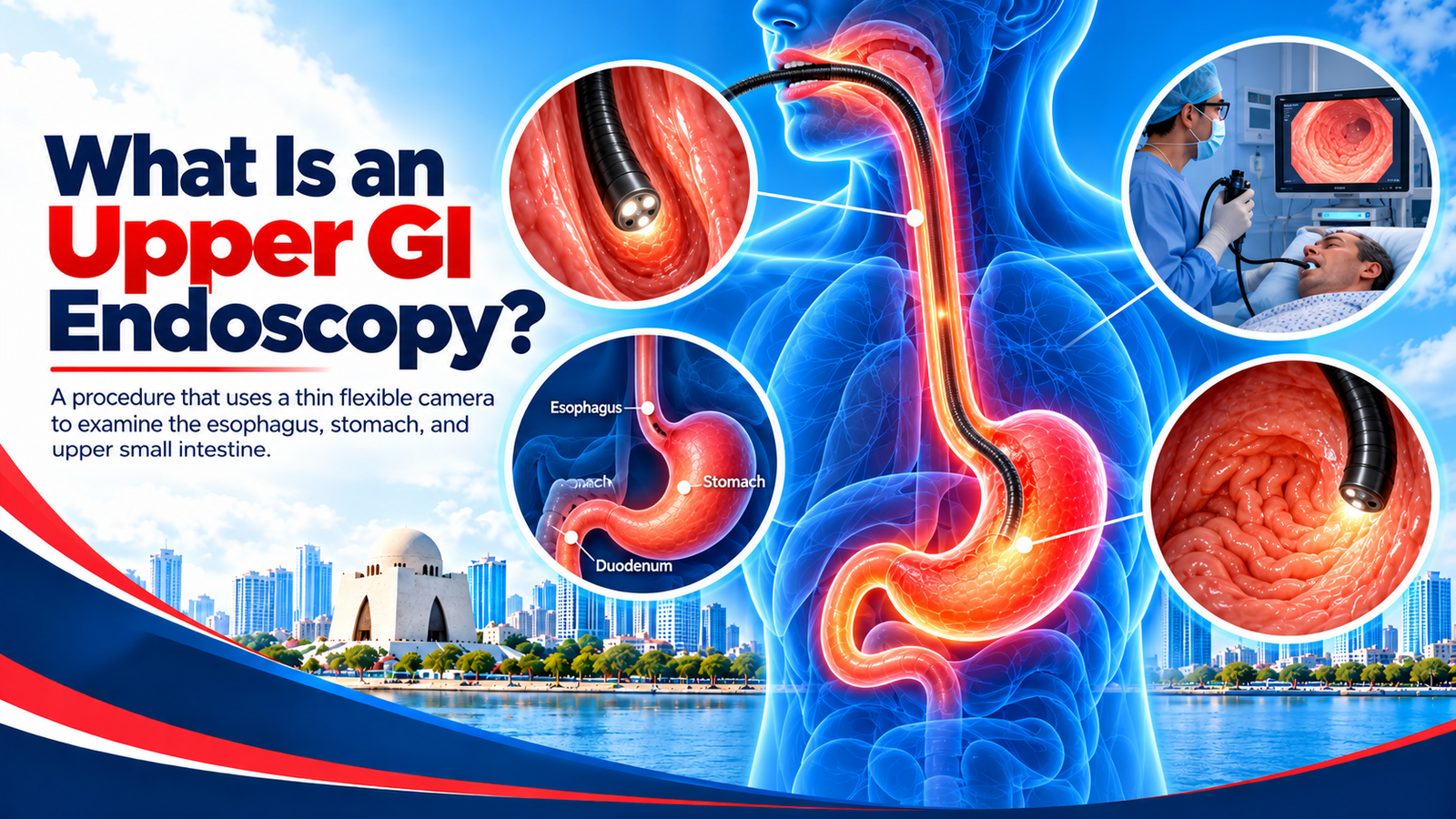
An upper GI endoscopy is a medical procedure used to examine the upper digestive system.During the procedure, a thin and flexible tube with a small camera is passed through the mouth. It allows the doctor to look at the esophagus, stomach, and the first part of the small intestine.
An endoscopy may help detect inflammation, ulcers, bleeding, or other changes. The doctor may also take a small tissue sample if needed.However, having acidity does not automatically mean that you need an endoscopy.The decision depends on your symptoms, age, medical history, warning signs, and response to treatment.
A colonoscopy is a procedure used to examine the inside of the colon and rectum.A flexible tube with a camera allows the doctor to look for changes in the bowel.
A colonoscopy may be suggested for ongoing bowel problems, rectal bleeding, changes in bowel habits, suspected polyps, or colorectal cancer screening when appropriate.
The bowel usually needs to be cleaned before the procedure. Your doctor will explain how to prepare and whether any medicines need to be adjusted.
Sedation may also be used, depending on the procedure and the patient’s condition.
If your doctor recommends a colonoscopy, ask why the test is needed, how to prepare, when you will receive the results, and whether follow-up will be required.
Searching for the best gastrology doctor in Karachi may bring up many names. However, the right doctor depends on your medical needs.One patient may need treatment for frequent reflux. Another may need help with liver disease. Someone else may require an endoscopy or assessment for bowel symptoms.
When comparing doctors, look at their qualifications, area of practice, clinical experience, hospital or clinic location, and access to diagnostic services.It is also useful to see whether the doctor’s experience matches your main concern.
A doctor who often manages stomach and liver problems may be suitable for one patient, while another patient may need someone with more focused expertise in bowel disease or digestive procedures.
Good communication also matters. A useful consultation should help you understand your symptoms, possible causes, treatment options, and next steps.
Dr. Asif Aziz Sahito is listed as a Consultant Physician in Karachi.His published areas of care include stomach disorders and liver conditions. These include concerns such as gastritis, GERD, ulcers, and hepatitis.
His official information also states that he has more than 17 years of clinical experience.His clinic is listed at NCCI/NMI Hospital in Saddar, Karachi.The published consultation timing is Monday to Friday, from 3:00 PM to 6:00 PM.Patients should confirm the latest clinic timing and availability before visiting because schedules may change.
Preparing before your appointment can make the consultation more useful.Take any previous blood test reports, ultrasound reports, CT scans, MRI reports, endoscopy reports, colonoscopy results, or old prescriptions that may relate to your condition.
You should also bring a list of medicines and supplements that you currently use.It can be helpful to write down your main symptoms before the visit.
Note when the symptoms happen, how long they last, and whether they are linked to meals, certain foods, stress, or bowel movements.This information can help the doctor identify patterns and better understand your condition.
A consultation is also your chance to understand what may be causing your symptoms.You can ask what conditions may be responsible, whether any tests are needed, and why a specific test is being recommended.
You may also want to ask whether your current medicines could be affecting your digestive system.If your doctor recommends lifestyle or diet changes, ask which changes are most important for your condition.
You should also ask about warning signs, follow-up timing, and whether another specialist may be needed.Clear communication can help you understand your care plan and make informed decisions.
One common mistake is assuming that every stomach problem is caused by acidity.Symptoms such as pain, bloating, nausea, and indigestion may have several causes.
Another mistake is using the same medicine repeatedly without knowing why the symptoms keep returning.Temporary relief does not always mean that the underlying problem has been treated.
Some people also depend only on home remedies even when symptoms are severe or persistent.Simple diet changes may help mild digestive discomfort, but they should not replace medical care when warning signs are present.
Delaying care is another concern. Blood in vomit, black stool, serious abdominal pain, difficulty swallowing, or unexplained weight loss should be medically assessed.
Patients should also avoid attending an appointment without previous reports when those reports are available. Old test results may give the doctor useful information and may help avoid unnecessary repeat testing.
A general physician can manage many common medical problems, including mild digestive complaints.For new or less severe symptoms, a general physician may be a reasonable first point of care.
A gastroenterologist or doctor with focused digestive experience may be more suitable when symptoms are persistent, complex, or recurrent.
Specialist care may also be needed when gastrointestinal bleeding is suspected or when tests such as endoscopy or colonoscopy are being considered.The right choice depends on your symptoms and medical assessment rather than the title alone.
Lifestyle changes may improve some digestive symptoms, but the right approach depends on the cause.For some patients, eating smaller meals may help. Others may benefit from avoiding foods that clearly trigger symptoms.
Adequate water intake, regular physical activity, and a balanced diet may also support digestive health.Some people with reflux may benefit from avoiding large meals close to bedtime.
However, there is no single diet that works for every digestive condition.A diet that helps one person may not be suitable for another.If you have a diagnosed digestive disorder, ask your doctor before making major changes to your diet or supplements.