Subtotal $0.00


Medova is a convenience services to the adaptability, Spacious modern villa living room with centrally placed swimming pool blending indooroutdoor
Medova is a convenience services to the adaptability, Spacious modern villa living room with centrally placed swimming pool blending indooroutdoor
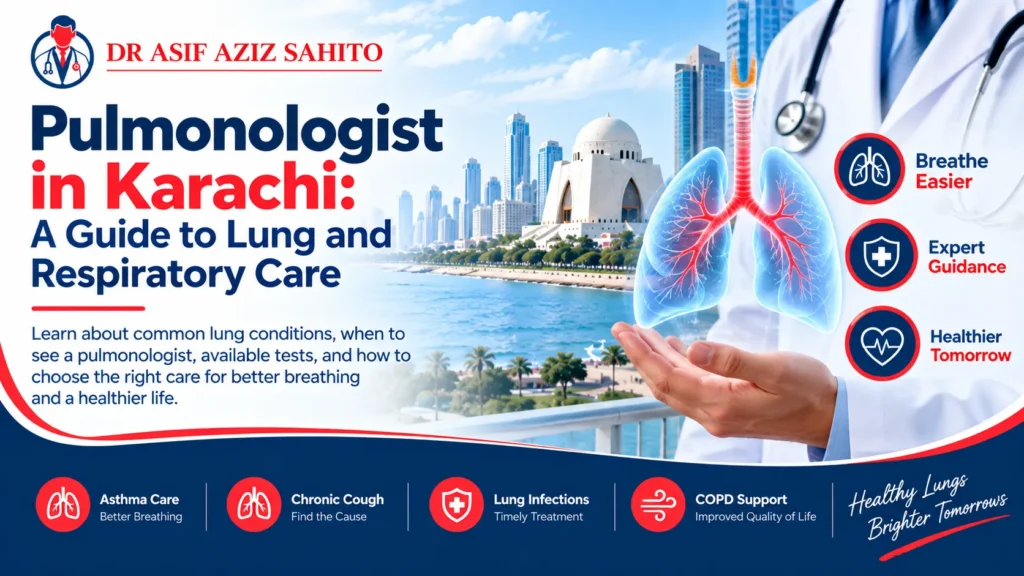
A pulmonologist treats diseases of the lungs and airways. You may need respiratory care if you have a long-lasting cough, wheezing, repeated chest infections, or unexplained shortness of breath.
You should also seek medical advice if asthma is hard to control. The same applies if you have symptoms that may suggest TB or another lung condition. The right doctor depends on your symptoms and medical history.
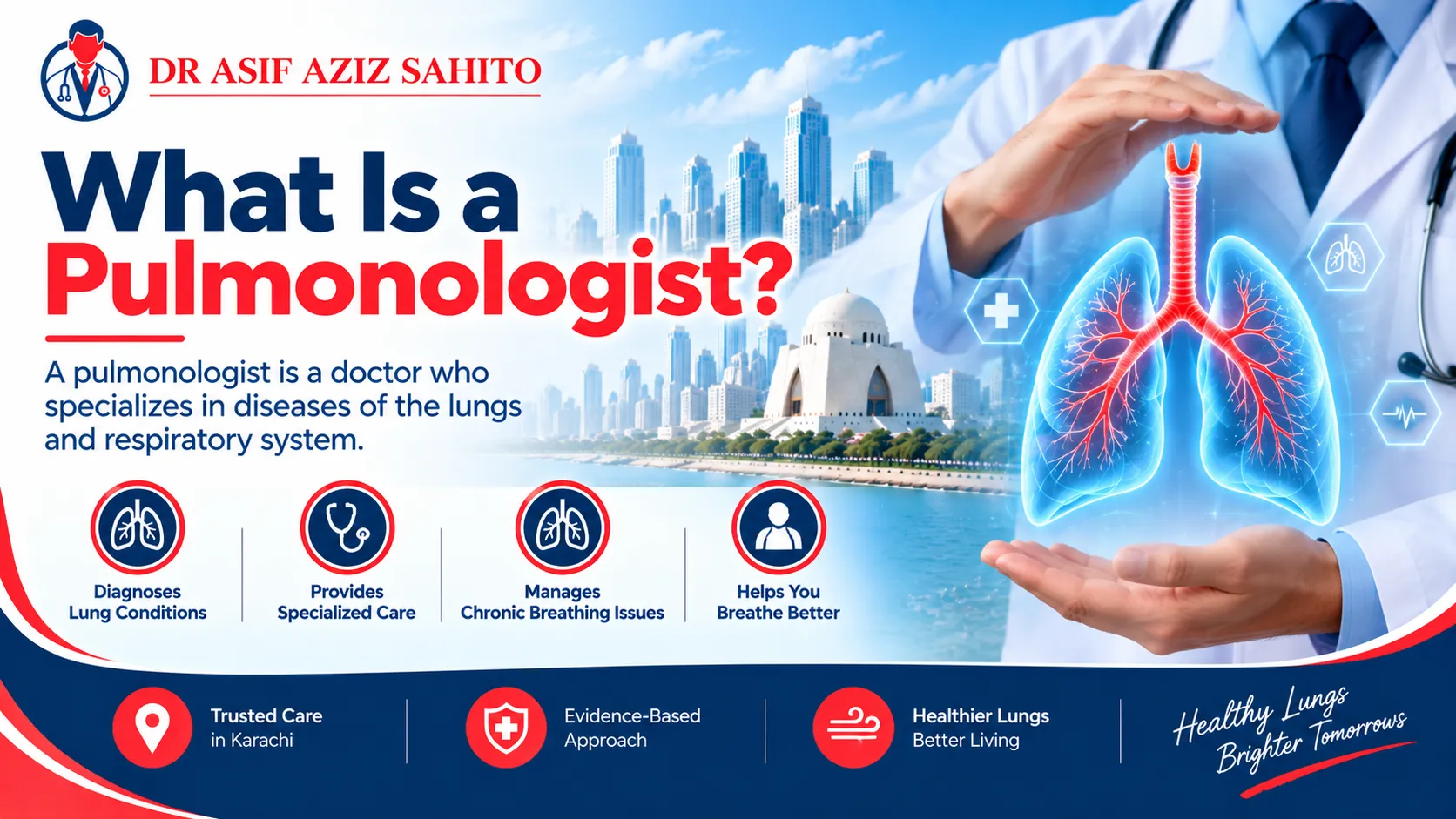
A pulmonologist is a doctor who specializes in lung and breathing disorders. The lungs are part of the respiratory system. This system also includes the airways that carry air in and out of the lungs. Pulmonologists often see people with long-term or complex breathing problems. They can also help manage chronic lung diseases.
Your first visit usually starts with a medical history and physical exam. The doctor will ask about your symptoms. Tests may be advised if the cause is not clear. This matters because one symptom can have several causes. For example, a cough may be linked to asthma or an infection. It may also be related to smoking, allergies, or acid reflux.
Not every cough needs specialist care. A cough from a common cold may improve on its own. However, ongoing or severe symptoms need more attention. Consider medical assessment if you have:
These symptoms do not prove that you have lung disease. A doctor needs to assess the cause. Do not wait for a routine appointment if you have severe trouble breathing. Urgent care may also be needed for fainting, confusion, blue or grey lips, or severe chest pain.
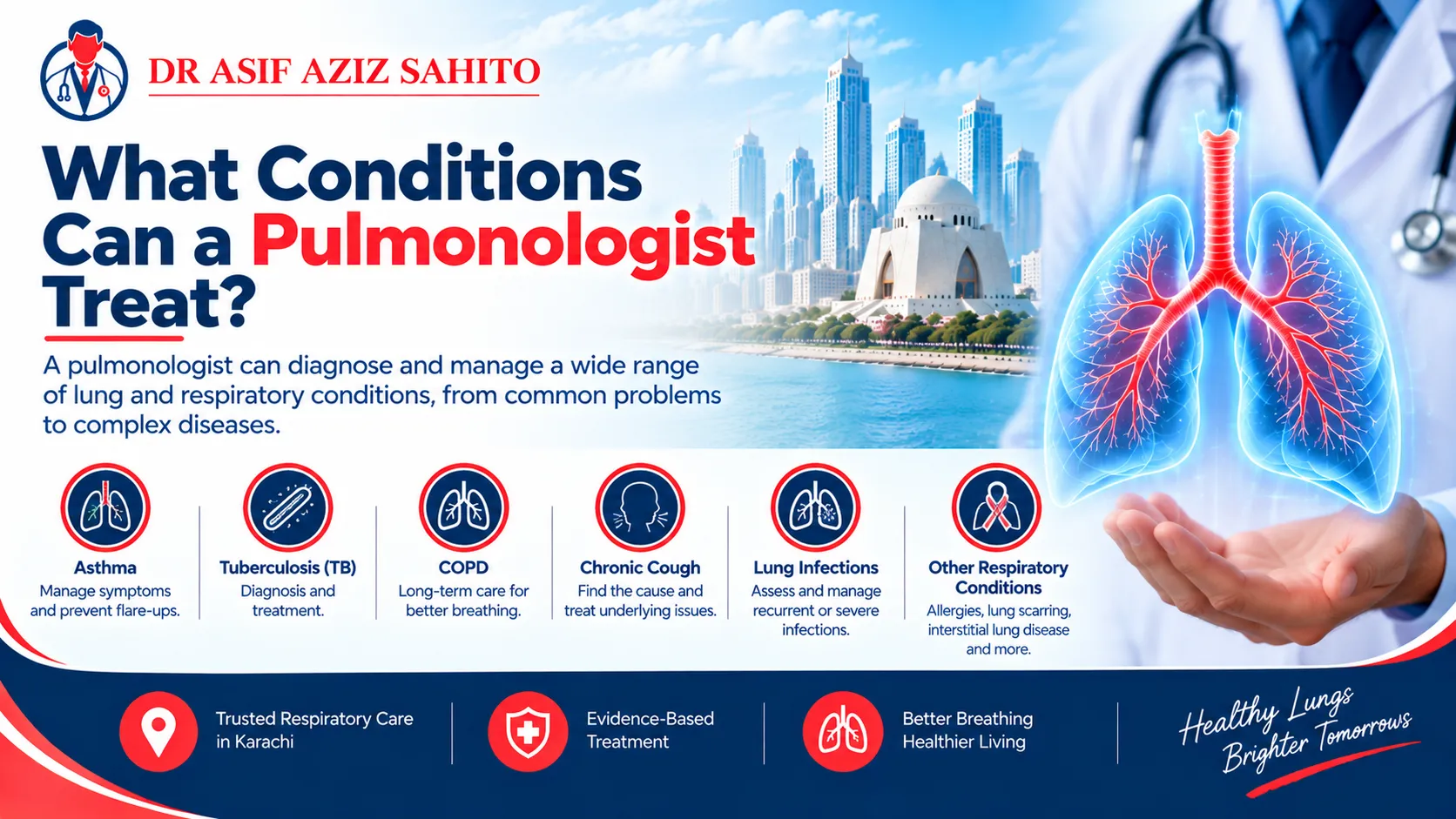
A pulmonologist can assess many diseases that affect breathing. The exact treatment depends on the diagnosis.
Asthma is a long-term lung disease. It causes inflammation and narrowing of the airways. Common symptoms include cough, wheezing, chest tightness, and shortness of breath. Symptoms may come and go.
Triggers can vary from person to person. Dust, smoke, pollen, fumes, and weather changes can make symptoms worse. Exercise or a respiratory infection may also trigger symptoms.
Treatment often includes inhaled medicine. Avoiding known triggers can also help. A doctor can create a treatment plan based on the patient’s symptoms.
Tuberculosis, or TB, is an infectious disease. It is caused by bacteria and most often affects the lungs. Common symptoms can include a long-lasting cough, fever, tiredness, weight loss, and night sweats. Some people may also cough up blood.
TB can be treated, but the correct medicines must be taken as prescribed. Patients should not stop TB medicine without medical advice. Stopping treatment early can increase the risk of drug resistance.
Pakistan is also among the countries with a high burden of TB. WHO reported that Pakistan accounted for about 6.3% of estimated new TB cases worldwide in 2024.
A cough can continue after a common respiratory infection. However, a cough that lasts for several weeks needs attention. There are many possible causes.
Asthma may cause a long-lasting cough. Other causes can include allergies, smoking, infections, acid reflux, or environmental irritants. Treatment depends on the cause. This is why proper assessment matters.
COPD stands for chronic obstructive pulmonary disease. It is a long-term lung condition that limits airflow. People with COPD may have a chronic cough. They may produce mucus or become short of breath during activity.
Smoking is a major risk factor. Exposure to air pollution, dust, and chemical fumes may also be relevant when a doctor assesses a patient. Doctors often use spirometry to help diagnose COPD. This test measures how much air you can breathe out and how quickly you can do it.
Many chest infections improve with suitable care. However, repeated infections may need further assessment. The doctor may look for an underlying cause. This may include asthma, another airway problem, or a chronic infection. Tests depend on the symptoms and medical history.
Both doctors may care for people with breathing problems. Their roles are different.
Doctor | Main Role | When You May See Them |
Consultant Physician | Treats a wide range of adult medical conditions | Cough, fever, infections, common breathing symptoms, and chronic health problems |
Pulmonologist | Specializes in lung and respiratory diseases | Complex asthma, COPD, chronic lung disease, or unexplained breathing problems |
Emergency Doctor | Treats urgent medical problems | Severe breathlessness, major chest pain, fainting, or other emergencies |
A consultant physician can often provide the first assessment. If the problem needs specialist lung care, the patient may be referred to a pulmonologist.
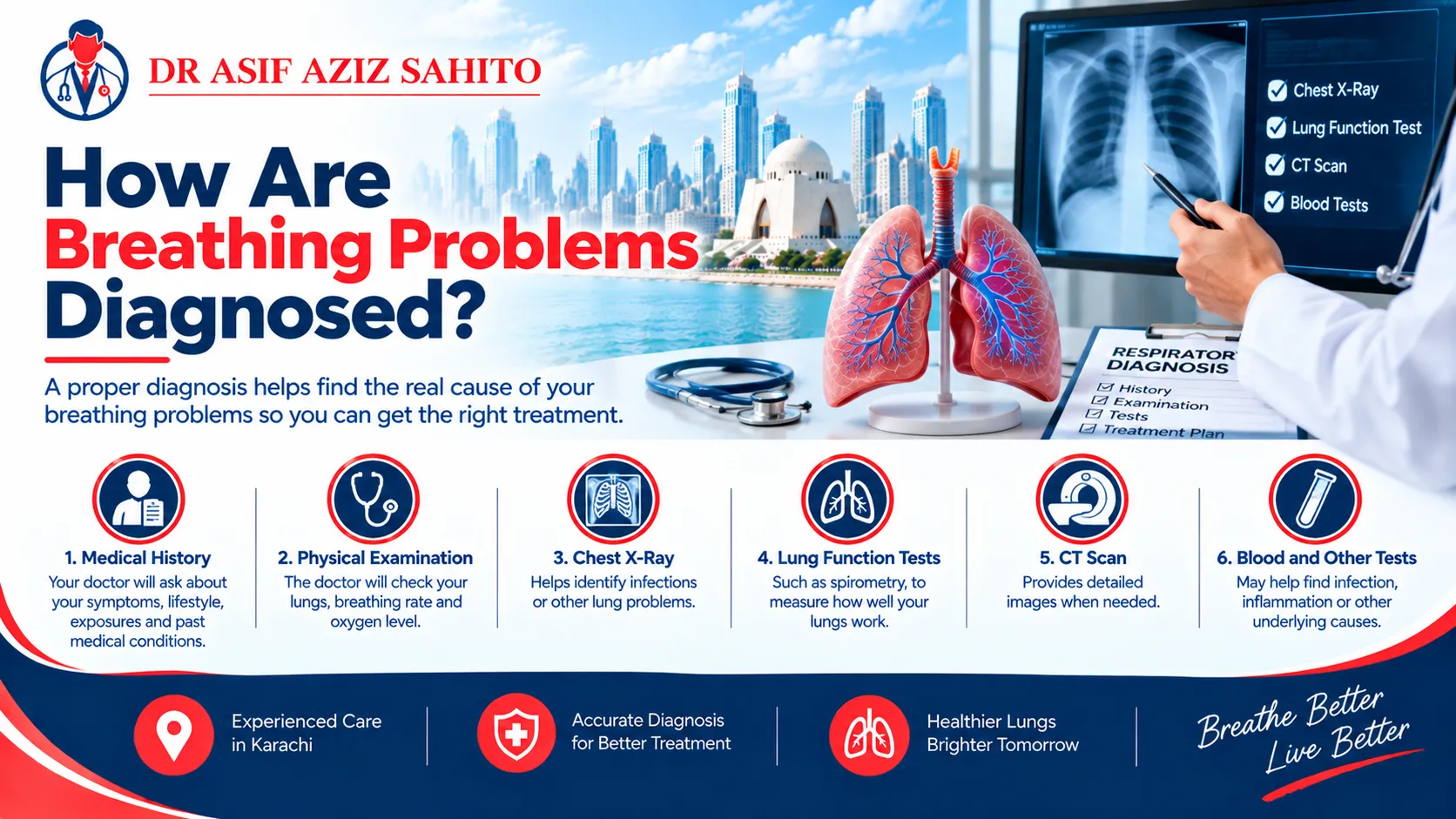
Diagnosis starts with your symptoms. The doctor may ask when the problem began. They may also ask what makes it better or worse. Smoking history is important. So is exposure to dust, fumes, chemicals, and secondhand smoke.
The doctor may also ask about allergies and past infections. Current medicines and other health conditions can provide useful clues.
Next comes a physical exam. The doctor may listen to your lungs. Your breathing rate and oxygen level may also be checked. Tests are ordered when they can help find the cause.
There is no single test for every lung condition. Your doctor will choose tests based on your symptoms.
A chest X-ray creates an image of the chest and lungs. It may help detect some infections and other chest problems. However, an X-ray cannot identify every lung disease.
Spirometry measures airflow. You take a deep breath and then blow into a device. The test measures how much air you breathe out. It also measures how fast you can blow it out. It is commonly used when COPD or another airflow problem is suspected.
A CT scan gives more detailed images of the lungs than a standard X-ray. It may be useful when a doctor needs a closer view of the chest. Not every patient needs a CT scan.
Blood tests may help find signs of infection or other health problems. Other tests may be needed if TB is suspected. WHO recommends rapid diagnostic tests as the initial tests for people with signs or symptoms of TB. The doctor will decide which tests are suitable.
People in a large city may be exposed to many things that irritate the lungs. These can include traffic pollution, smoke, construction dust, and workplace fumes. Air pollution can also make asthma worse. WHO identifies indoor and outdoor air pollution as factors linked to asthma risk and symptoms.
But pollution is not the only possible cause of breathing problems. Infections, allergies, smoking, heart problems, anemia, and acid reflux may also cause breathing symptoms. For this reason, it is better to get persistent symptoms assessed rather than guess the cause.
The tests you need will depend on your symptoms. Some patients may need a chest X-ray. Others may need lung function tests, blood tests, or more detailed imaging.
Ask the doctor where the recommended test is available. You can also ask if the clinic can arrange a referral. This is useful when you need several tests or follow-up visits.
There is no single doctor who is right for every patient. People searching for the best pulmonologist in Karachi should focus on factors they can check.
Start with the doctor’s medical qualifications. Then look at experience with your type of condition. Also consider clinic access and follow-up care. Good communication matters too.
The doctor should explain the problem in clear language. You should understand why a test is needed and what the treatment is meant to do. For long-term diseases, regular follow-up may be important.
Many patients want a doctor close to home. This can make follow-up visits easier. But location should not be the only factor. Consider the doctor’s qualifications and relevant experience. Also check access to tests and hospital care when needed.
For a simple breathing problem, a nearby physician may be a good place to start. A complex lung condition may need specialist care. Choose based on your medical needs as well as convenience.
The first appointment usually focuses on your symptoms. The doctor may ask how long you have been coughing. They may ask if you feel breathless while walking or climbing stairs. You may also be asked about fever, allergies, wheezing, weight loss, or past chest infections. Take your old medical records with you if possible.
Bring previous X-rays, scans, blood reports, and prescriptions. A list of your current medicines can also help. After the assessment, the doctor will explain the next step. This may include treatment, testing, follow-up, or referral.
Asking simple questions can help you understand your condition and treatment. You may want to ask:
Write down important questions before your appointment. This can help you remember them during the visit.
Healthy habits can support lung health. They do not replace medical treatment. Avoid smoking and secondhand smoke when possible. If your job exposes you to dust or fumes, follow suitable workplace safety measures.
People with asthma should learn which triggers affect them. They should also use medicines as prescribed. Regular activity can support general health. The right level of activity depends on your condition. Your doctor can also advise you about vaccines that may be suitable for you.
Inhalers send medicine directly into the airways. But the medicine may not work as expected if the device is used incorrectly. WHO notes that inhaler treatment can help control asthma symptoms. Correct use is an important part of treatment.
Ask your doctor, nurse, or pharmacist to show you how to use your inhaler. It is also useful to have your technique checked during follow-up visits. Do not stop a prescribed controller medicine on your own.
Some symptoms need urgent medical care. Seek emergency help if you have severe breathing difficulty. The same applies if you faint, become confused, or notice blue or grey lips. Severe chest pain also needs urgent assessment.
Coughing up a large amount of blood is another warning sign. If you have asthma, follow your emergency action plan if your doctor has given you one. Do not wait for a routine clinic appointment when symptoms are severe.
Dr. Asif Aziz Sahito is a Consultant Physician in Karachi. His official profile states that he has more than 17 years of medical experience. His profile lists Tuberculosis (TB) Diagnosis & Treatment and Asthma & Respiratory Treatments among the areas of care available through his practice.
This distinction is important. His official profile identifies him as a Consultant Physician. It does not identify him as a pulmonologist on the About page reviewed for this article.
Patients with breathing symptoms can review his qualifications and listed services before arranging a consultation. For complex lung problems, the need for a pulmonologist or another specialist should be based on the patient’s condition.