Subtotal $0.00


Medova is a convenience services to the adaptability, Spacious modern villa living room with centrally placed swimming pool blending indooroutdoor
Medova is a convenience services to the adaptability, Spacious modern villa living room with centrally placed swimming pool blending indooroutdoor
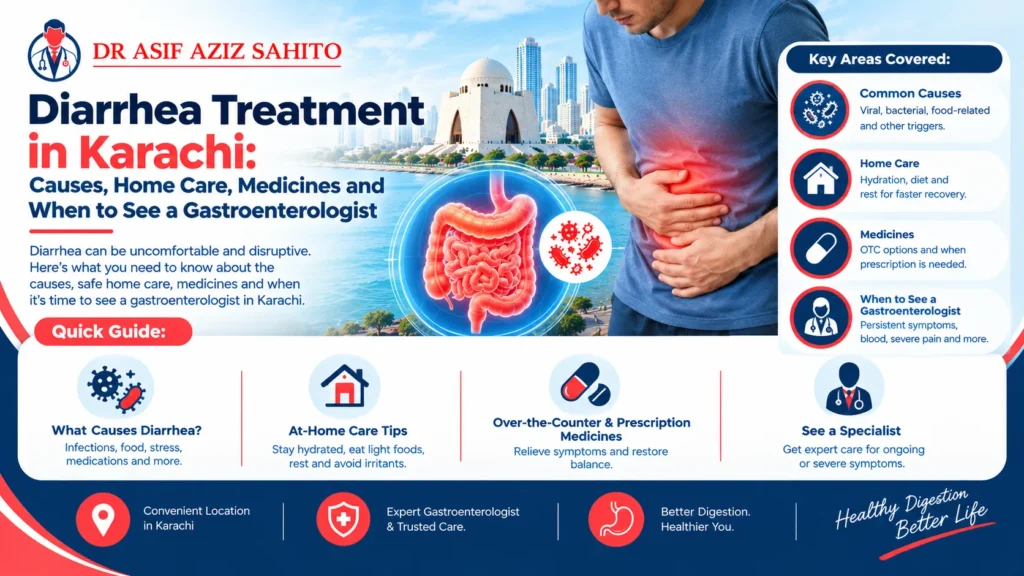
Diarrhea means passing loose or watery stools more often than usual. WHO generally describes diarrhea as three or more loose or liquid stools in one day. It can also mean passing loose stools more often than is normal for that person.
Diarrhea is a symptom rather than one single disease. It may start suddenly and last only a few days. In other cases, it may continue for much longer.
Doctors may classify diarrhea by its duration. Acute diarrhea usually lasts for a short period. Persistent diarrhea is commonly described as lasting 14 days or longer. Repeated or long-lasting symptoms may need further investigation.
Other symptoms can occur with diarrhea. These may include stomach cramps, nausea, vomiting, fever, and an urgent need to use the toilet.
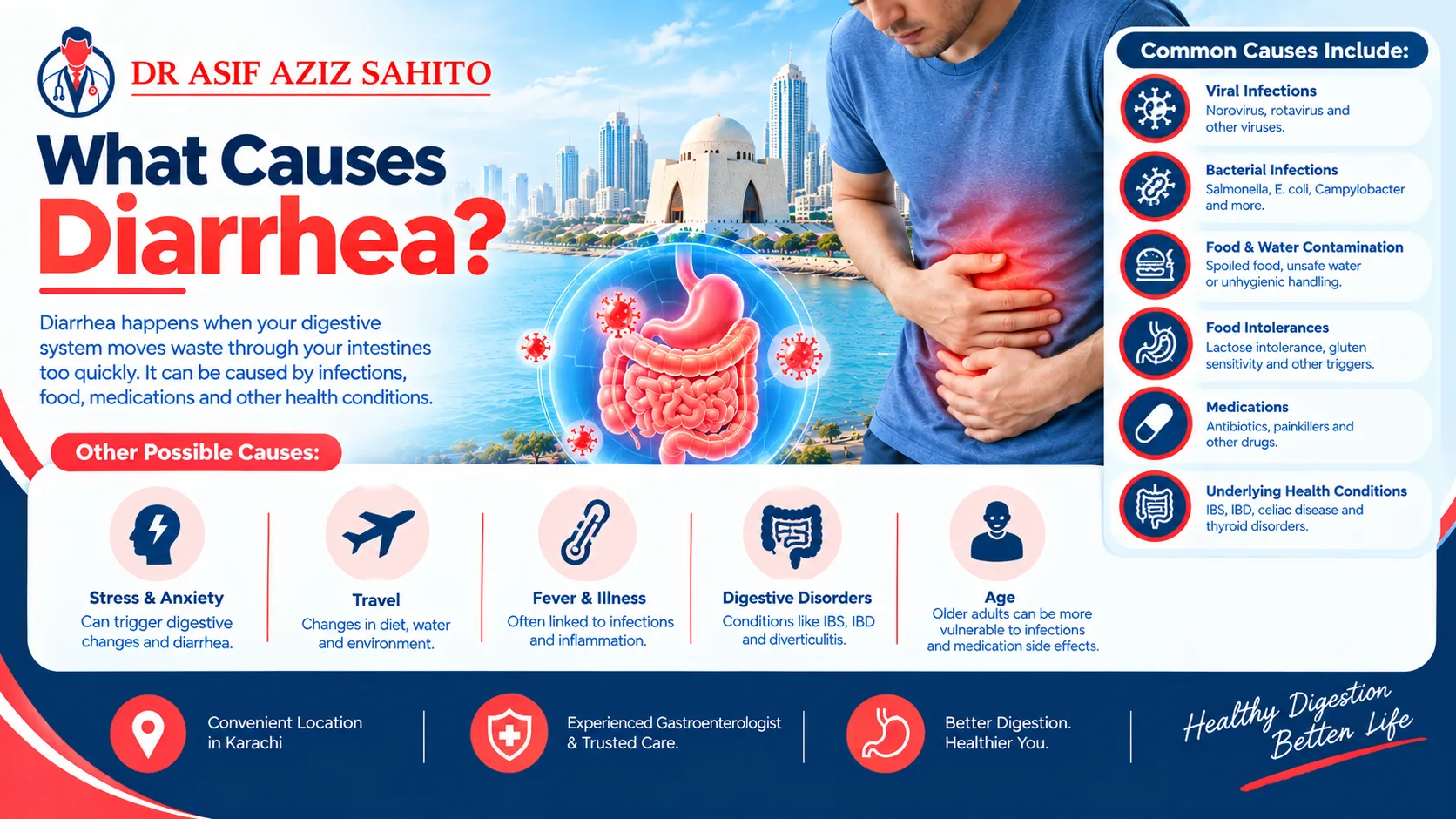
Many conditions can cause diarrhea. Short-term diarrhea is often linked to an infection in the gut. Viruses, bacteria, and parasites can all cause it. Some infections spread through unsafe food or drinking water. Poor hand hygiene can also help infections spread.
Other causes include food intolerance and side effects from medicines. Some long-term digestive conditions can also cause diarrhea. Examples include irritable bowel syndrome and inflammatory bowel disease. Finding the cause is important when symptoms are severe or do not improve.
A mild infection may only need fluids and supportive care. Long-lasting diarrhea may need tests and a different treatment plan. This is also why antibiotics should not be used for every case.
For most mild acute diarrhea, replacing lost fluids is the first step. Watery stools cause the body to lose both water and electrolytes. These losses can lead to dehydration if they are not replaced.
ORS is useful because it replaces both fluid and important salts. WHO lists ORS as a key treatment for diarrhea. The basic approach is simple:
Severe dehydration may need intravenous (IV) fluids. This treatment is usually given in a medical setting. There is no single medicine that is right for every person with diarrhea.
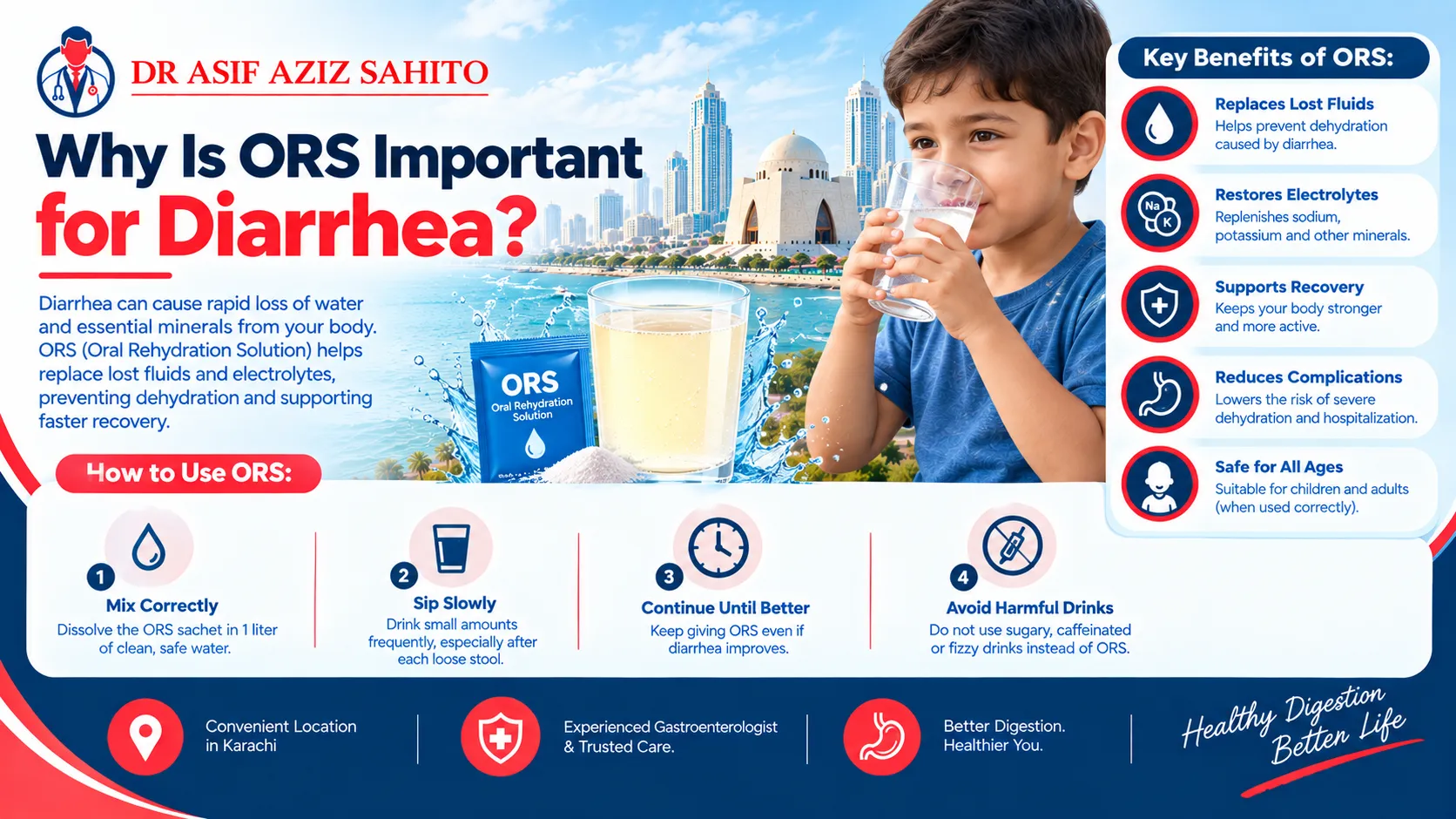
ORS stands for oral rehydration solution. It is one of the most useful ways to replace fluids lost during diarrhea. ORS contains glucose and electrolytes. The intestine can absorb these ingredients along with water. This helps replace some of the water and salts lost through watery stools.
ORS does not cure every cause of diarrhea. It also does not simply stop bowel movements. Its main purpose is to prevent or treat dehydration.
Prepare ORS exactly as directed on the packet. Use the amount of safe water stated in the instructions. Do not add extra salt or sugar. Do not use more or less water than the packet requires.
People with certain medical conditions may need personal advice about fluid intake. This can include some people with kidney disease or other health problems.
You do not usually need to stop eating because you have diarrhea. Your appetite may fall for a short time. When it returns, you can usually start eating again. Choose foods that you can tolerate.
Simple meals may feel easier on the stomach. Large or very fatty meals may make some people feel worse. During recovery:
Some people may tolerate dairy poorly for a short time after an intestinal infection. If milk or other dairy foods clearly make symptoms worse, reducing them for a short period may help. There is no need to follow an overly strict diet without a medical reason.
Some medicines can reduce diarrhea symptoms in adults. However, they are not suitable for everyone. For example, loperamide and bismuth subsalicylate may be used in some cases of acute diarrhea. They can reduce symptoms, but they do not treat every cause.
NIDDK advises against routine use of over-the-counter diarrhea medicines in infants and children. Such medicines may also be unsuitable when a person has bloody stools or fever.
Do not focus only on stopping bowel movements. The cause and risk of dehydration are more important. If you have another medical condition or take regular medicine, ask a healthcare professional before using an antidiarrheal medicine.

Most people with diarrhea should not automatically take antibiotics. Some bacterial infections may need antibiotic treatment. Many other cases do not. Viral diarrhea, for example, will not be cured by an antibiotic.
A doctor may consider several factors before prescribing one. These include the symptoms, severity, travel history, and likely cause. CDC guidance for travelers’ diarrhea also supports limiting antibiotics mainly to cases where they are needed, rather than using them for every mild illness.
Unnecessary antibiotic use can cause side effects. It also contributes to antibiotic resistance. If diarrhea is severe, bloody, or persistent, medical assessment may be more useful than starting an antibiotic on your own.
Children need special care during diarrhea. They can become dehydrated faster than healthy adults. Replacing lost fluids is very important. ORS is widely used for children with diarrhea. Breastfeeding should also continue for breastfed babies.
WHO also recommends zinc supplementation as part of diarrhea management in children in appropriate settings. The recommended course is based on the child’s age. Parents should confirm the right product and dose with a healthcare professional.
Do not give young children adult diarrhea medicines without medical advice. Get medical advice early if a baby or young child cannot drink enough. The same applies if the child is very sleepy, has repeated vomiting, or shows signs of dehydration.
Dehydration is one of the main risks of diarrhea. Repeated watery stools cause the body to lose fluid. Vomiting can make this loss worse. Signs of dehydration can include:
Babies and young children may also have fewer wet diapers. They may have no tears when crying or become unusually sleepy. Severe dehydration needs urgent medical care. A person who becomes confused, very weak, or unable to drink enough should be assessed quickly.
Most mild diarrhea is not an emergency. Certain symptoms are more serious. Seek urgent medical care for black or tarry stools, visible blood in the stool, vomiting blood, severe abdominal pain, fainting, confusion, or signs of severe dehydration.
NIDDK also advises prompt medical attention for frequent vomiting, severe abdominal or rectal pain, black or bloody stools, and dehydration.
Adults should seek medical advice if diarrhea continues for more than two days. They should also get advice if stools are unusually frequent or symptoms are getting worse. Fever, dehydration, or blood in the stool are other reasons to seek care.
Babies, older adults, and pregnant people may need medical advice sooner. The same applies to people with a weak immune system or important medical conditions.
One short episode of mild diarrhea does not usually require a specialist. A gastroenterology consultation in Karachi may be useful when diarrhea does not improve or keeps returning. Specialist assessment may also be needed if you have unexplained weight loss, ongoing abdominal pain, blood in the stool, or a major change in bowel habits.
A gastroenterologist can look beyond the immediate symptom. The aim is to find out why diarrhea is happening. This can be important in cases of chronic diarrhea or persistent digestive symptoms.
People searching for the Best Gastroenterologist in Karachi should look at more than online claims. Relevant qualifications and experience matter. Clear communication and access to suitable tests are also important. The best choice can vary from one patient to another.
Diagnosis usually starts with a medical history. The doctor may ask when the problem started. They may ask how often you pass stool and whether there is blood. Food habits, recent travel, medicines, and antibiotic use may also be important.
The doctor may then examine you for dehydration or abdominal tenderness. Tests are not always needed. If symptoms continue, the doctor may order blood or stool tests. Other tests may be considered when the history suggests a digestive disease.
Some patients may need an endoscopy or colonoscopy. These tests are not required for every case. The type of testing depends on your symptoms, age, health history, and how long the problem has lasted.
The main difference is how long the symptoms last. Persistent diarrhea also has a greater need for medical review because an ongoing cause may need to be found.
Feature | Acute Diarrhea | Persistent Diarrhea |
Duration | Usually short-term | 14 days or longer |
Common concern | Infection and dehydration | Infection or another ongoing cause |
Early care | Fluids, ORS, and supportive care | Hydration plus medical assessment |
Testing | Often not needed in mild cases | More likely to be considered |
Specialist care | Often not needed | May be needed |
Main goal | Prevent dehydration | Find and treat the cause |
WHO describes persistent diarrhea as diarrhea lasting 14 days or longer. Duration is not the only sign of severity. Serious symptoms can need medical care even on the first day.
Diarrhea that keeps returning may have a different cause from a short stomach infection. Possible causes include food intolerance, medicine side effects, and some digestive disorders. Irritable bowel syndrome may cause changes in bowel habits. Inflammatory bowel diseases can also cause long-term diarrhea.
Persistent infections are another possible cause. NIDDK notes that treatment for chronic diarrhea depends on the condition causing it. Examples include Crohn’s disease, ulcerative colitis, and irritable bowel syndrome.
This is why repeated self-treatment may not solve the problem. A chronic diarrhea specialist in Karachi or a qualified gastroenterologist can assess ongoing symptoms and decide whether tests are needed.
Many intestinal infections spread through contaminated food, unsafe water, or poor hygiene. WHO lists safe drinking water, sanitation, handwashing, and good food hygiene among the main ways to reduce diarrheal disease.
Wash your hands with soap before preparing or eating food. Wash them again after using the toilet. Use water from a safe source. Store drinking water in clean containers. Take care when preparing raw foods and meat.
Food should also be stored safely, especially during hot weather. These steps cannot prevent every case of diarrhea. They can, however, lower the risk of many common infections.
Start with the doctor’s qualifications and experience. A good gastro doctor in Karachi should review your symptoms and medical history before suggesting treatment or tests.
For ongoing diarrhea, tests such as blood or stool tests may sometimes be needed. Further digestive tests may also be considered based on your symptoms.
When choosing a doctor, consider experience, communication, and follow-up care rather than relying only on terms like “top” or “best.” You can also review the professional background of Dr. Asif Aziz Sahito when considering care for digestive symptoms.