Subtotal $0.00


Medova is a convenience services to the adaptability, Spacious modern villa living room with centrally placed swimming pool blending indooroutdoor
Medova is a convenience services to the adaptability, Spacious modern villa living room with centrally placed swimming pool blending indooroutdoor
Digestive health is essential for overall well-being, but problems like acidity, stomach pain, bloating, constipation, diarrhea, and indigestion are often ignored until they become serious. While occasional discomfort is normal, persistent symptoms require professional medical evaluation.
If you’re looking for a digestive health doctor in Karachi, an accurate diagnosis is the first step toward effective treatment. Dr. Asif Aziz Sahito (MBBS, FCPS) is an experienced Consultant Physician with over 17 years of clinical experience in managing digestive and general medical conditions.
He focuses on identifying the root cause of symptoms through evidence-based care and refers patients for advanced gastroenterology procedures when needed.
This guide explains what a digestive health doctor does, common digestive disorders, available diagnostic tests, treatment options, and practical tips for maintaining long-term digestive health.
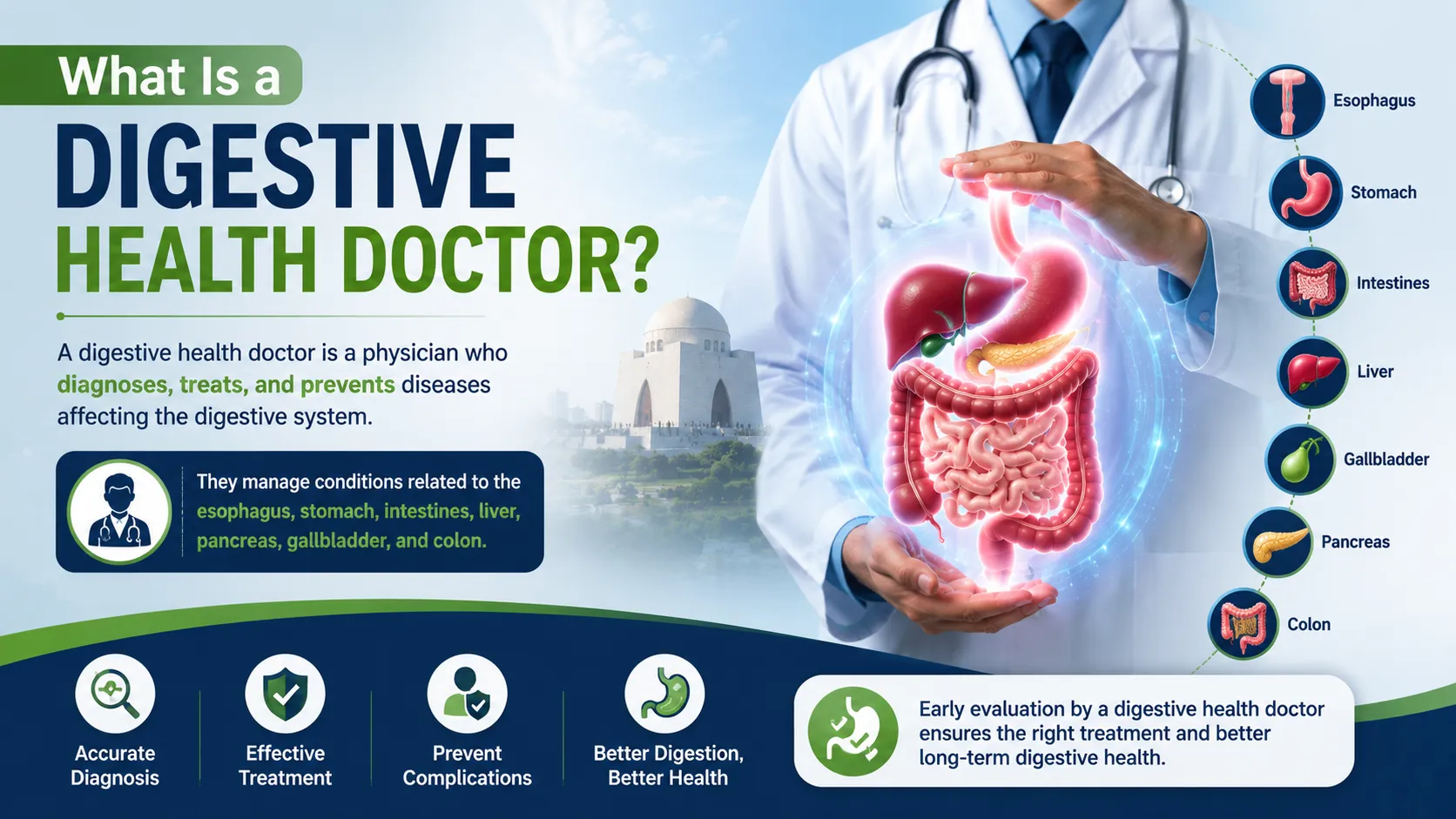
A digestive health doctor specializes in diagnosing, treating, and preventing diseases of the digestive system, including the esophagus, stomach, intestines, liver, pancreas, gallbladder, and rectum.
Many people believe every digestive problem requires a gastroenterologist, but an experienced Consultant Physician is often the first doctor to evaluate symptoms, recommend appropriate tests, start treatment, and refer patients to a gastroenterologist when advanced care is needed.
Digestive conditions range from common indigestion and acid reflux to liver disease, inflammatory bowel disease, and gastrointestinal cancers. Because many disorders have similar symptoms, an accurate diagnosis is essential. Early medical evaluation helps identify the underlying cause and prevents complications before they become more serious.
One of the most common questions patients ask is whether they should see a Consultant Physician or visit a gastroenterologist directly. Although both professionals treat digestive diseases, their roles are slightly different.
Healthcare Professional | Primary Role | When You May Need Them |
Consultant Physician | Evaluates symptoms, diagnoses common digestive diseases, manages medical treatment, orders investigations, and coordinates overall care. | Persistent acidity, abdominal pain, bloating, constipation, diarrhea, liver problems, general digestive complaints, or unexplained digestive symptoms. |
Gastroenterologist | Specializes in advanced digestive diseases and performs procedures such as endoscopy and colonoscopy. | Complex gastrointestinal disorders, gastrointestinal bleeding, inflammatory bowel disease, advanced liver disease, colon polyps, or when specialized procedures are required. |
This collaborative approach ensures patients receive the right level of care at the right time. Many digestive conditions improve with medical treatment under the care of a Consultant Physician, while more complex cases benefit from additional gastroenterology expertise.

Your digestive system does much more than process food. It is responsible for absorbing nutrients, maintaining hydration, supporting immunity, regulating metabolism, and eliminating waste from the body.
When digestion is not functioning properly, the effects can extend far beyond the stomach. Many patients notice fatigue, weight changes, poor appetite, vitamin deficiencies, skin problems, or reduced productivity long before they realize the digestive system may be responsible.
Ignoring symptoms often allows diseases to progress silently. Conditions such as fatty liver disease, stomach ulcers, inflammatory bowel disease, and even colorectal cancer may develop gradually without causing severe pain during the early stages. By the time symptoms become significant, treatment may become more complicated.
Seeking timely medical advice allows doctors to identify problems while they are still easier to manage, reducing the risk of long-term complications and improving overall quality of life.
Digestive symptoms can appear suddenly or develop gradually over time. While occasional stomach discomfort is normal, persistent symptoms such as heartburn, stomach pain, difficulty swallowing, bloating, constipation, diarrhea, nausea, unexplained weight loss, blood in the stool, or jaundice should not be ignored.
Many people rely on home remedies or over-the-counter medicines for temporary relief, but recurring symptoms often indicate an underlying digestive condition.
A digestive health doctor carefully reviews your medical history, symptoms, lifestyle, diet, medications, and family history to identify the root cause and recommend the most appropriate treatment. Early diagnosis not only improves recovery but also helps prevent serious complications.
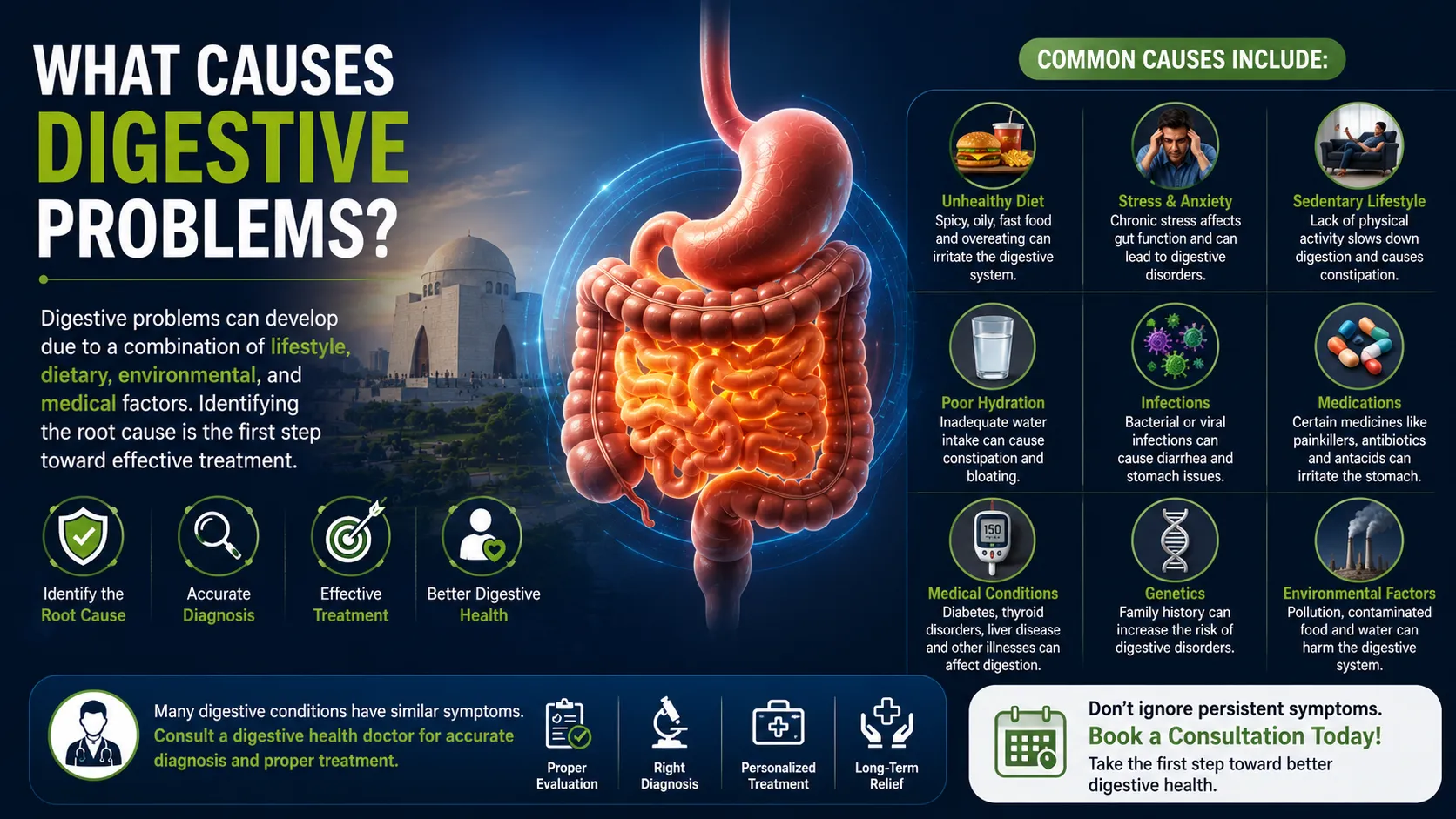
Digestive disorders usually develop due to a combination of lifestyle, dietary, and medical factors rather than a single cause. Irregular eating habits, fast food, stress, lack of exercise, bacterial infections, viral hepatitis, certain medications, diabetes, and hereditary conditions can all affect digestive health.
Because many digestive diseases have similar symptoms, self-diagnosis can be misleading. What seems like simple acidity or bloating may actually be GERD, gastritis, gallbladder disease, IBS, or another digestive disorder. If symptoms persist or gradually worsen, a medical evaluation is essential to identify the underlying cause and begin appropriate treatment.
Digestive diseases affect people of all ages, but some conditions are particularly common among adults in Pakistan due to dietary habits, infections, sedentary lifestyles, and increasing rates of obesity and diabetes.
Among the conditions most frequently diagnosed by digestive health doctors are acid reflux disease (GERD), gastritis, peptic ulcer disease, irritable bowel syndrome (IBS), chronic constipation, diarrhea, fatty liver disease, viral hepatitis, gallstones, pancreatitis, and inflammatory bowel disease.
Each condition has different causes, symptoms, and treatment approaches, making accurate diagnosis essential before starting any medication.
Rather than treating every patient the same way, experienced physicians focus on identifying the exact disease responsible for the symptoms. This personalized approach improves treatment success and helps prevent unnecessary investigations or medications.
Digestive diseases can develop gradually, and many of them produce similar symptoms during the early stages. Heartburn, abdominal discomfort, bloating, constipation, and changes in bowel habits may seem minor at first, but they can sometimes indicate conditions that require proper medical evaluation.
Identifying the exact cause is one of the most important responsibilities of a digestive health doctor. Below are some of the digestive disorders most frequently seen in clinical practice.
Acid reflux is one of the most common digestive problems worldwide, and its prevalence is increasing in Pakistan due to changing eating habits and sedentary lifestyles.
Normally, a circular muscle at the lower end of the esophagus prevents stomach acid from flowing backward. When this muscle becomes weak or relaxes inappropriately, acid repeatedly moves into the esophagus, irritating it. This condition is known as Gastroesophageal Reflux Disease (GERD).
Patients commonly experience burning pain in the chest after meals, a sour taste in the mouth, frequent burping, chronic throat irritation, nighttime coughing, or difficulty swallowing. Many people mistake these symptoms for ordinary acidity and continue taking antacids without seeking medical advice.
Occasional reflux usually improves with lifestyle modifications, but persistent GERD requires medical evaluation because untreated acid exposure may damage the lining of the esophagus over time.
Gastritis refers to inflammation of the stomach lining. It may develop suddenly or gradually over several months. Several factors can contribute to gastritis, including infection with Helicobacter pylori, excessive use of pain-relieving medicines such as NSAIDs, smoking, alcohol consumption, prolonged stress, or certain autoimmune diseases.
People with gastritis often complain of upper abdominal burning, nausea, early fullness after meals, poor appetite, or indigestion. In severe cases, stomach ulcers or bleeding may occur if treatment is delayed.
A digestive health doctor determines the underlying cause before recommending treatment because management differs depending on whether the inflammation is caused by infection, medication use, or another medical condition.
Peptic ulcers are open sores that develop in the stomach or the first part of the small intestine. Most ulcers occur because of Helicobacter pylori infection or prolonged use of anti-inflammatory pain medications. Contrary to popular belief, spicy food alone does not cause ulcers, although it may worsen existing symptoms.
Patients often describe a burning pain between meals or during the night. Some experience nausea, vomiting, bloating, or black-colored stools if bleeding develops. When diagnosed early, most ulcers heal successfully with medication and treatment of the underlying cause.
Irritable Bowel Syndrome is one of the most common functional digestive disorders. Unlike inflammatory diseases, IBS does not damage the intestines, but it can significantly affect daily life.
People with IBS usually experience recurring abdominal discomfort associated with constipation, diarrhea, or alternating bowel habits. Many also notice bloating and excessive gas, especially after meals.
Stress frequently worsens IBS symptoms because the digestive system and the brain communicate closely through the gut-brain axis. Dietary modifications, stress management, and individualized medication often provide significant relief.
Inflammatory Bowel Disease includes Crohn’s disease and Ulcerative Colitis. These are chronic autoimmune conditions in which the body’s immune system mistakenly attacks the digestive tract. Unlike IBS, IBD causes ongoing inflammation that can damage the intestinal lining.
Common symptoms include persistent diarrhea, abdominal pain, rectal bleeding, weight loss, fatigue, and nutritional deficiencies. Because these diseases require long-term management, early diagnosis is essential to reduce complications and preserve quality of life.
Fatty liver disease has become increasingly common due to obesity, diabetes, high cholesterol, and sedentary lifestyles. In many cases, patients do not experience symptoms during the early stages. Some may notice mild discomfort in the upper right abdomen or persistent fatigue.
Although early fatty liver can often improve through weight reduction, healthier eating habits, and regular exercise, advanced disease may progress to liver fibrosis or cirrhosis if left untreated. Routine evaluation by a digestive health doctor helps identify liver disease before irreversible damage occurs.
Hepatitis B and Hepatitis C remain important health concerns in Pakistan. These viral infections affect liver cells and may remain silent for years before symptoms appear. When symptoms do develop, patients may experience fatigue, jaundice, abdominal discomfort, nausea, dark urine, or poor appetite.
Fortunately, modern diagnostic tests allow early detection, and several effective treatment options are available depending on the type and stage of infection.
The gallbladder stores bile produced by the liver and releases it during digestion. Gallstones form when substances within bile become imbalanced, creating hardened deposits. While some gallstones remain harmless, others block the bile ducts and cause severe pain.
Patients often experience sudden pain in the upper right abdomen after eating fatty meals. Pain may spread to the back or right shoulder and may be accompanied by nausea or vomiting. Large or symptomatic gallstones frequently require surgical treatment.
The pancreas produces digestive enzymes and hormones that regulate blood sugar. Inflammation of the pancreas, known as pancreatitis, can occur because of gallstones, alcohol use, high triglyceride levels, certain medications, or infections.
Acute pancreatitis usually causes severe upper abdominal pain that radiates toward the back and often requires urgent hospital treatment.
The large intestine plays a vital role in water absorption and waste elimination. Diseases affecting the colon include chronic constipation, diverticular disease, inflammatory bowel disease, colon polyps, and colorectal cancer.
Although many colon disorders begin with mild symptoms, persistent constipation, rectal bleeding, unexplained anemia, or changes in bowel habits should always be evaluated promptly. Regular screening is especially important for individuals with a family history of colorectal cancer.
One of the biggest misconceptions among patients is that every digestive complaint requires an endoscopy or colonoscopy. In reality, experienced physicians begin with a detailed clinical assessment before deciding which investigations are truly necessary.
Diagnosis starts with understanding the patient’s complete medical history. A digestive health doctor carefully asks about the duration of symptoms, dietary habits, medication use, previous illnesses, family history, weight changes, bowel habits, and lifestyle factors. This information often provides valuable clues before any laboratory test is performed.
A physical examination follows, during which the abdomen is examined for tenderness, swelling, liver enlargement, or other abnormalities. Based on these findings, additional investigations are recommended only when clinically indicated.
This evidence-based approach helps avoid unnecessary testing while ensuring important diseases are not overlooked.
Modern gastroenterology offers several diagnostic tools that allow physicians to identify digestive disorders accurately and at an early stage. Each investigation serves a different purpose, and the choice depends entirely on the patient’s symptoms and clinical findings.
Investigation | Why It Is Performed |
Blood Tests | Assess infection, anemia, liver function, pancreatic enzymes, inflammation, and nutritional deficiencies. |
Stool Analysis | Detect infections, parasites, hidden blood, inflammation, and digestive disorders. |
Abdominal Ultrasound | Evaluate the liver, gallbladder, pancreas, kidneys, and surrounding abdominal organs. |
CT Scan or MRI | Provide detailed imaging when complex abdominal conditions are suspected. |
Upper GI Endoscopy | Examine the esophagus, stomach, and upper small intestine using a flexible camera. |
Colonoscopy | Evaluate the large intestine for polyps, bleeding, inflammation, and colorectal cancer. |
Choosing the right investigation depends on the patient’s individual symptoms rather than applying the same tests to everyone.
An upper gastrointestinal endoscopy is a commonly performed procedure that allows doctors to examine the inside of the esophagus, stomach, and first part of the small intestine.
Before the procedure, patients usually receive local throat anesthesia along with mild sedation to improve comfort. A thin, flexible tube containing a small camera is gently passed through the mouth into the digestive tract.
The camera provides clear images of the digestive lining, allowing the physician to identify inflammation, ulcers, bleeding, polyps, tumors, or other abnormalities. If necessary, tiny tissue samples called biopsies can be collected during the same procedure without causing significant discomfort.
Most endoscopies are completed within 15 to 30 minutes, and patients are typically able to return home the same day after a short observation period.
A colonoscopy allows direct visualization of the large intestine and remains one of the most effective methods for detecting colorectal disease at an early stage.
Doctors may recommend colonoscopy for patients experiencing persistent rectal bleeding, chronic diarrhea, long-standing constipation, unexplained anemia, significant changes in bowel habits, or a strong family history of colorectal cancer.
During the procedure, polyps can often be removed immediately before they develop into cancer, making colonoscopy both a diagnostic and preventive tool.
Treatment depends on the underlying cause of the digestive problem, as similar symptoms can result from different conditions. For example, GERD requires a different approach than gallstones or pancreatitis, making an accurate diagnosis essential.
A digestive health doctor creates a personalized treatment plan based on the patient’s condition, medical history, and overall health.
Treatment may include medications, dietary and lifestyle changes, regular follow-up, or, when necessary, endoscopic procedures or surgical referral. The goal is to treat the root cause, prevent complications, and support long-term digestive health.
The type of medicine prescribed depends entirely on the diagnosed condition. Acid reflux may require medications that reduce stomach acid production, while bacterial infections such as Helicobacter pylori require a carefully planned course of antibiotics.
Patients with inflammatory bowel disease often need anti-inflammatory medicines, whereas liver disorders require treatment directed at the specific liver condition.
Doctors may also prescribe probiotics, digestive enzyme supplements, medications to regulate bowel movements, or medicines that reduce intestinal spasms when clinically appropriate. However, these treatments should always be taken under medical supervision, as prolonged self-medication can sometimes delay the diagnosis of more serious illnesses.
Regular follow-up is equally important because some digestive diseases require adjustments in treatment depending on how the patient responds over time.
Fortunately, many digestive disorders can be managed without surgery. However, there are situations where surgical treatment becomes the safest and most effective option.
Gallstones causing repeated attacks, advanced appendicitis, bowel obstruction, certain cancers, severe ulcer complications, and some cases of inflammatory bowel disease may require surgical intervention. Even then, surgery is usually recommended only after careful evaluation and when less invasive treatments are unlikely to provide lasting benefit.
A digestive health doctor works closely with gastrointestinal surgeons whenever an operation is necessary, ensuring that patients receive coordinated care before and after the procedure.
Medical treatment is only one part of digestive care. Daily habits have a significant impact on how well the digestive system functions. Small, consistent lifestyle improvements often enhance the effectiveness of treatment and reduce the likelihood of symptoms returning.
Maintaining a healthy body weight, eating balanced meals at regular times, staying physically active, drinking enough water, and avoiding smoking all contribute to better digestive function. Patients with acid reflux are often advised to avoid lying down immediately after meals, while those with fatty liver disease benefit greatly from gradual weight reduction and regular exercise.
Stress management is another important factor. Scientific research has shown that emotional stress can influence the communication between the brain and the digestive tract, worsening conditions such as irritable bowel syndrome and functional dyspepsia. Learning healthy ways to manage stress can therefore play an important role in overall digestive health.
Nutrition has a direct influence on digestive health. While there is no single diet that suits everyone, a balanced eating pattern provides the digestive system with the nutrients it needs to function efficiently.
A diet rich in fresh vegetables, seasonal fruits, whole grains, legumes, and lean protein helps maintain healthy digestion while supporting beneficial gut bacteria. Foods naturally high in fiber promote regular bowel movements and may reduce the risk of constipation.
At the same time, highly processed foods, excessive sugary drinks, large amounts of fried foods, and frequent overeating can increase digestive discomfort in many individuals. Patients with specific digestive diseases may also receive personalized dietary advice based on their diagnosis and individual tolerance.
Healthy eating should always be viewed as a long-term lifestyle choice rather than a temporary restriction.
Finding the Gastroenterologist best doctor in Karachi involves more than selecting the first name that appears in an online search. The right specialist combines medical expertise with clear communication, careful diagnosis, and evidence-based treatment.
When selecting a gastroenterologist or digestive health doctor, it is worth considering several important factors.
Patients should feel comfortable asking questions about their diagnosis, investigations, treatment plan, and expected recovery. A doctor who listens carefully and provides understandable explanations often helps patients make more informed healthcare decisions.
Not every digestive disorder can be prevented, as some conditions are influenced by genetics or autoimmune diseases. However, many common digestive problems are closely linked to lifestyle and can be significantly reduced through healthy daily habits.
Maintaining a nutritious diet, exercising regularly, drinking safe water, avoiding unnecessary use of pain-relieving medicines, limiting smoking and tobacco exposure, and seeking early medical advice when symptoms persist all contribute to better digestive health.
Routine health checkups are particularly valuable for individuals with diabetes, obesity, liver disease, or a family history of gastrointestinal cancers. Early detection frequently allows treatment before serious complications develop.
A digestive health doctor diagnoses and manages diseases affecting the esophagus, stomach, intestines, liver, pancreas, gallbladder, and colon. Common conditions include acid reflux, gastritis, irritable bowel syndrome, fatty liver disease, hepatitis, constipation, diarrhea, and digestive infections.
No. Many digestive symptoms result from temporary dietary changes or mild infections. However, symptoms that continue for several weeks, recur frequently, or are associated with weight loss, bleeding, or persistent pain should always be evaluated by a medical professional.
You should consider consulting a Gastroenterologist in Karachi if you experience ongoing digestive symptoms such as severe abdominal pain, chronic acid reflux, persistent constipation or diarrhea, blood in the stool, difficulty swallowing, or if your doctor recommends specialized procedures like endoscopy or colonoscopy.
Upper GI endoscopy is generally well tolerated. Most patients receive local anesthesia and mild sedation, making the procedure comfortable while allowing the doctor to examine the upper digestive tract safely.
In many patients, early-stage fatty liver disease can improve significantly through weight management, regular exercise, healthy eating habits, and treatment of associated conditions such as diabetes or high cholesterol. Advanced liver disease, however, requires ongoing medical supervision.
Your digestive system plays a vital role in your overall health. While occasional digestive discomfort is common, persistent symptoms such as acidity, stomach pain, bloating, constipation, or liver-related concerns should not be ignored. Early diagnosis helps identify the underlying cause, improves treatment outcomes, and reduces the risk of complications.
If you’re looking for a trusted digestive health doctor, Dr. Asif Aziz Sahito (MBBS, FCPS) offers over 17 years of clinical experience in diagnosing and managing digestive and general medical conditions. With a patient-centered and evidence-based approach, he focuses on accurate diagnosis, personalized treatment, and long-term digestive health.
If advanced gastroenterology care is required, appropriate specialist referral is also provided. If you have ongoing digestive symptoms, don’t wait for them to worsen. Book a consultation with Dr. Asif Aziz Sahito and take the first step toward better digestive health.