Subtotal $0.00


Medova is a convenience services to the adaptability, Spacious modern villa living room with centrally placed swimming pool blending indooroutdoor
Medova is a convenience services to the adaptability, Spacious modern villa living room with centrally placed swimming pool blending indooroutdoor
Diabetes is a common long-term condition that can affect the heart, kidneys, eyes, nerves, and blood vessels if left untreated. Choosing the Best diabetes doctor in Karachi is essential for early diagnosis, effective blood sugar control, and the prevention of serious complications.
If you are looking for expert diabetes care, Dr. Asif Aziz Sahito (MBBS, FCPS – Consultant Physician) provides comprehensive diagnosis, treatment, and long-term diabetes management tailored to your individual needs. This guide explains when to see a specialist, available treatment options, and how to choose the right diabetes doctor for better long-term health.
Diabetes is a chronic medical condition that develops when the body cannot properly regulate blood sugar (glucose). Glucose is the body’s primary source of energy, and insulin, a hormone produced by the pancreas, helps move glucose from the bloodstream into the body’s cells.
When insulin is not produced in sufficient amounts, or the body cannot use it effectively, blood sugar levels rise. Over time, persistently high blood sugar can affect nearly every major organ, increasing the risk of heart disease, kidney failure, nerve damage, vision loss, and stroke.
Although diabetes is a lifelong condition, it can often be managed successfully through early diagnosis, appropriate medication, healthy eating habits, regular physical activity, and routine medical follow-up. Many people with well-controlled diabetes continue to live active and healthy lives.
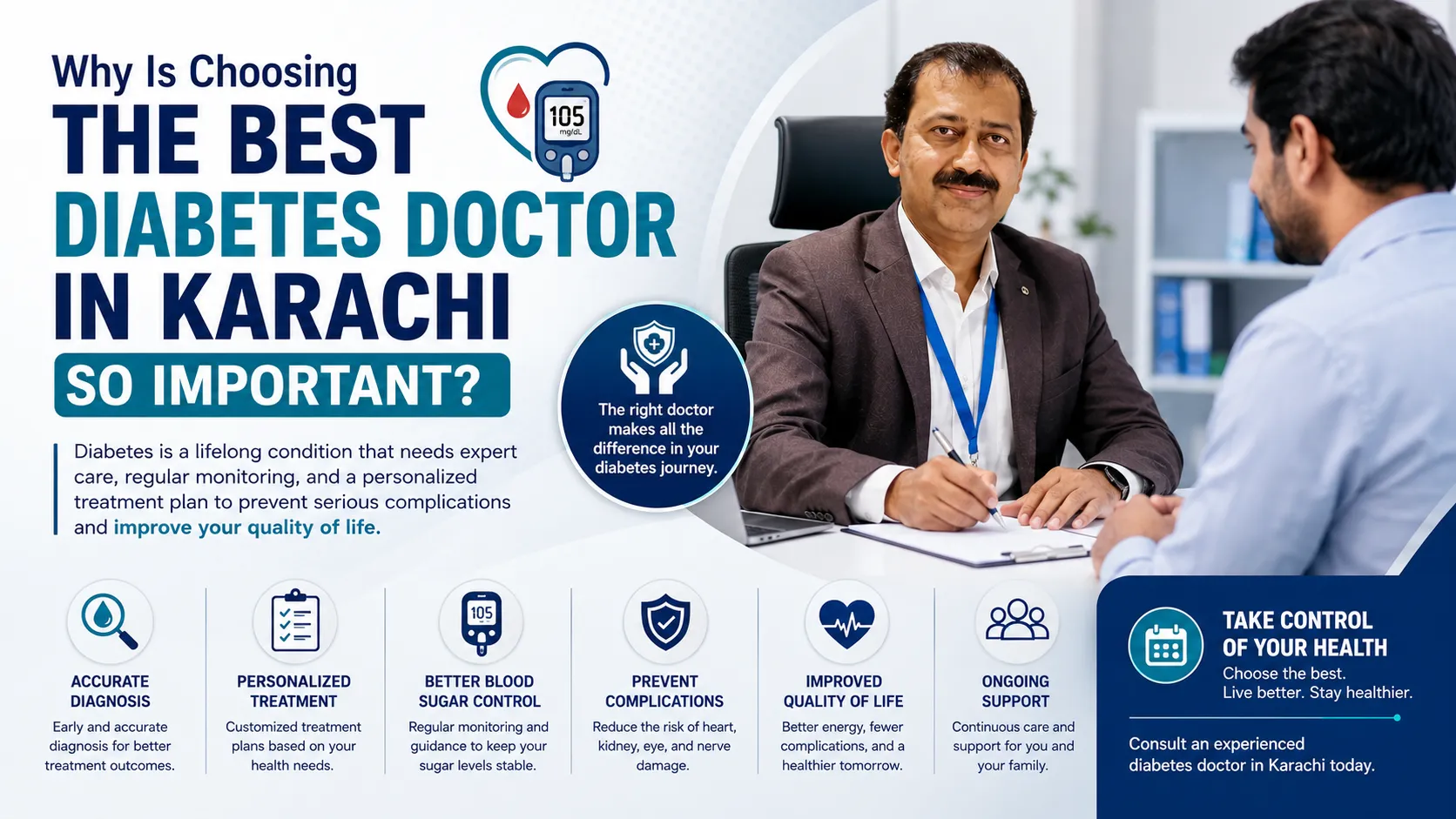
Managing diabetes is not simply about lowering blood sugar numbers. Every patient has different health conditions, risk factors, lifestyle habits, and treatment goals. An experienced physician develops a personalized care plan instead of relying on the same treatment for every patient.
A qualified doctor regularly evaluates blood sugar trends, monitors important organs that may be affected by diabetes, adjusts medications when necessary, and educates patients about making healthier daily choices. This ongoing approach helps reduce the risk of complications while improving quality of life.
Patients who receive regular medical care are generally more likely to maintain stable blood sugar levels, recognize warning signs early, and avoid emergency hospital admissions. They also gain a better understanding of how nutrition, exercise, sleep, stress, and medications influence diabetes management.
Many people believe they only need specialist care after diabetes becomes severe. In reality, consulting a Diabetes specialist in Karachi early can help prevent complications before they develop.
You should consider scheduling a medical consultation if you have been diagnosed with diabetes, have repeatedly high blood sugar readings, or have a strong family history of the disease. Individuals who are overweight, physically inactive, or living with high blood pressure also have a greater risk of developing Type 2 diabetes and benefit from regular screening.
People who experience frequent episodes of low blood sugar, difficulty controlling glucose levels despite medication, or symptoms suggesting diabetes-related complications should also seek specialist evaluation. Women who develop diabetes during pregnancy require careful monitoring to protect both mother and baby.
Early medical intervention often leads to more effective treatment and better long-term outcomes than waiting until symptoms become severe.
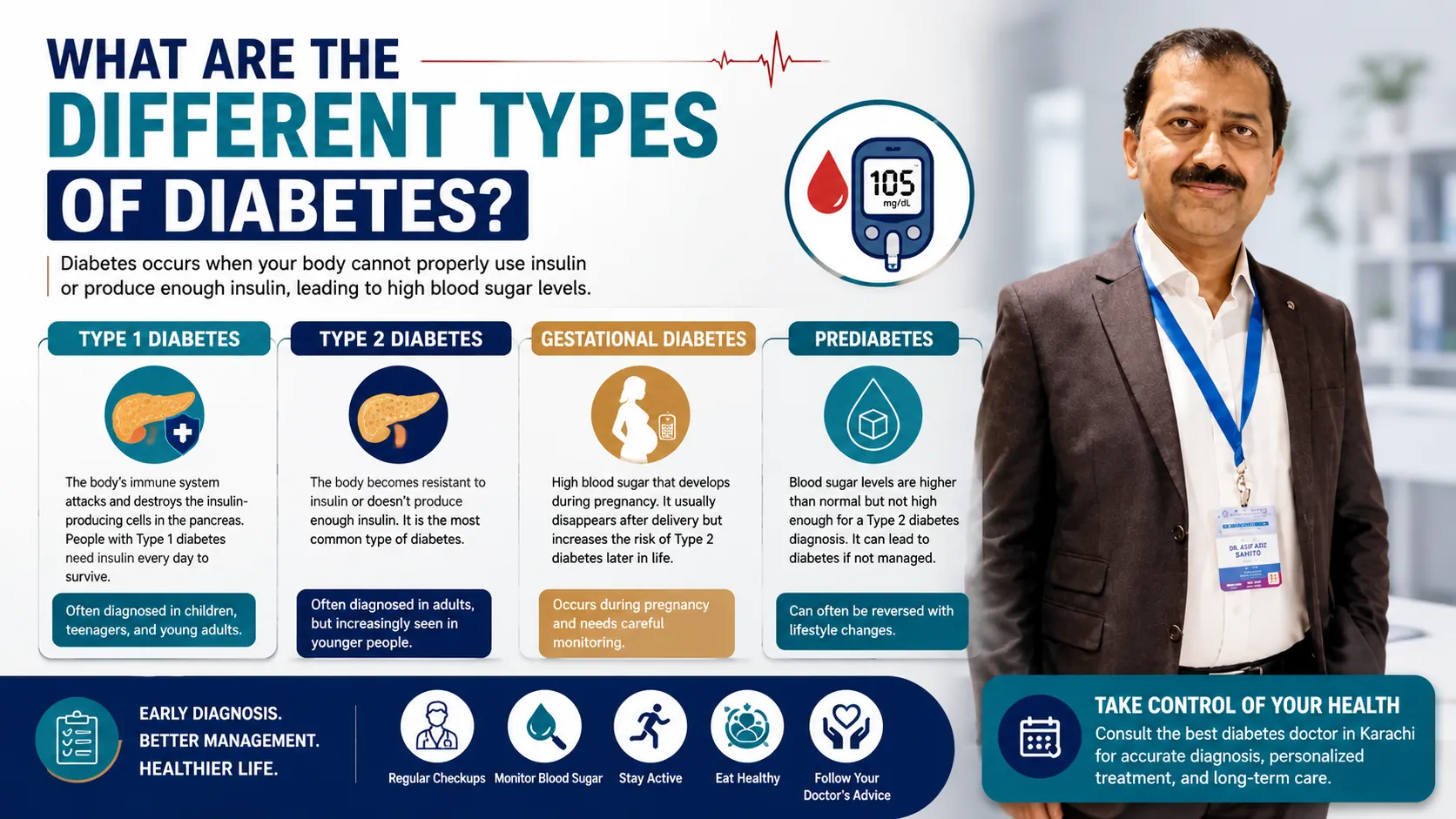
Not all diabetes is the same. Identifying the correct type allows the doctor to recommend the most appropriate treatment plan.
Type of Diabetes | Description | Common Treatment |
Type 1 Diabetes | An autoimmune condition where the pancreas produces little or no insulin. | Lifelong insulin therapy and regular monitoring |
Type 2 Diabetes | The body becomes resistant to insulin or does not produce enough of it. | Lifestyle changes, oral medicines, and sometimes insulin |
Gestational Diabetes | Develops during pregnancy and usually improves after delivery, but increases future diabetes risk. | Diet, exercise, blood sugar monitoring, and insulin if required |
Prediabetes | Blood sugar is higher than normal but not yet in the diabetic range. | Lifestyle modification to reduce the risk of Type 2 diabetes |
Understanding the type of diabetes helps ensure patients receive the safest and most effective treatment while reducing the likelihood of future complications.
Diabetes often develops gradually, especially Type 2 diabetes. Some people experience symptoms for months before seeking medical attention, while others remain unaware until routine blood tests reveal elevated glucose levels.
Recognizing the warning signs early allows treatment to begin before significant organ damage occurs.
Although these symptoms do not always indicate diabetes, they should never be ignored. A medical evaluation can identify the underlying cause and determine whether further testing is needed.
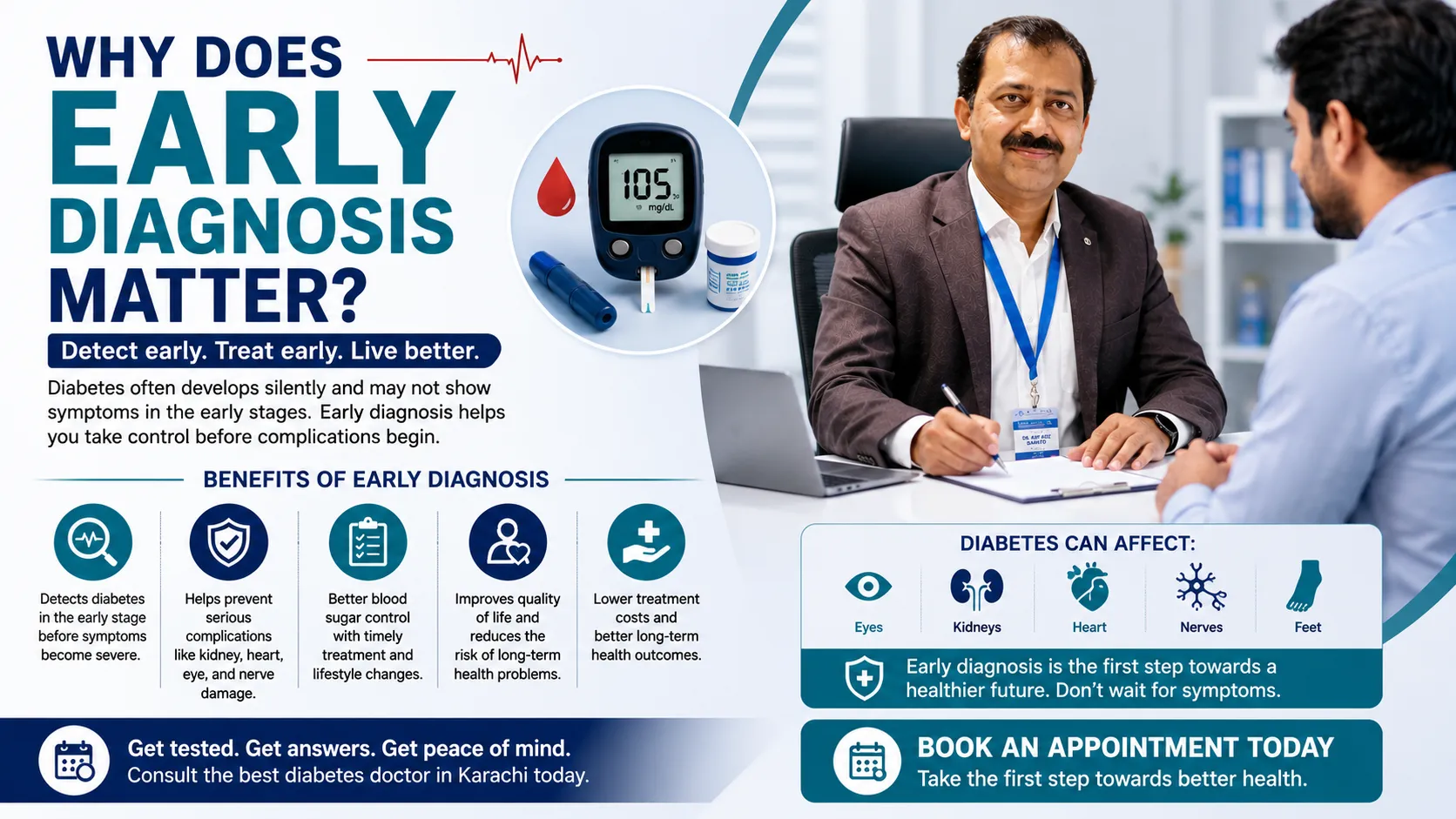
One of the biggest challenges with diabetes is that complications often begin long before noticeable symptoms appear. Damage to the kidneys, eyes, nerves, and blood vessels can progress silently for years if blood sugar remains uncontrolled.
Early diagnosis allows doctors to begin treatment before irreversible complications develop. It also allows patients to adopt healthier lifestyle habits that can significantly improve long-term outcomes.
For many individuals with prediabetes, timely intervention through diet, regular exercise, and weight management may delay or even prevent the progression to Type 2 diabetes. Those who are already living with diabetes benefit from earlier medication adjustments, closer monitoring, and education that supports better day-to-day blood sugar control.
Taking action at the earliest stage is often the most effective way to protect long-term health and maintain a better quality of life.
A correct diagnosis is the foundation of successful diabetes management. An experienced Diabetes specialist in Karachi does more than simply check your blood sugar. The doctor evaluates your symptoms, medical history, family history, lifestyle, weight, blood pressure, and any existing health conditions before recommending the most suitable treatment plan.
Because diabetes affects each patient differently, diagnosis focuses not only on confirming the disease but also on assessing its severity and identifying any early complications that may already be present.
During your consultation, the doctor may ask about frequent urination, excessive thirst, unexplained weight changes, fatigue, blurred vision, slow-healing wounds, or a family history of diabetes. This information helps determine which laboratory tests are most appropriate.
Several laboratory tests are used to diagnose diabetes and monitor how well blood sugar is being controlled over time.
This test measures blood glucose after fasting for at least eight hours. It is one of the most common investigations used to identify diabetes and prediabetes.
Abnormal results usually require confirmation through additional testing before a final diagnosis is made.
The HbA1c test is one of the most valuable tools in diabetes care because it reflects the average blood sugar level over the previous two to three months rather than a single day’s reading.
Doctors use this test to diagnose diabetes, monitor treatment effectiveness, and determine whether medications or lifestyle changes need adjustment.
Unlike daily glucose readings, HbA1c provides a broader picture of long-term blood sugar control.
A random blood sugar test measures glucose at any time of the day regardless of when you last ate. If blood sugar is significantly elevated along with typical diabetes symptoms, further investigations may confirm the diagnosis.
This test measures how the body processes sugar after drinking a glucose solution. It is particularly useful when diagnosing gestational diabetes during pregnancy or when routine blood tests produce uncertain results.
Since diabetes can affect multiple organs, your doctor may also recommend tests to evaluate your overall health.
These may include kidney function tests, cholesterol levels, liver function, urine analysis, blood pressure monitoring, foot examinations, eye screening, and heart assessment where appropriate.
Regular monitoring allows potential complications to be identified before they become severe.
There is no single treatment that works for everyone. The best diabetes treatment depends on the type of diabetes, the patient’s age, blood sugar levels, other medical conditions, lifestyle, and overall health.
A personalized treatment plan aims to keep blood sugar within a healthy range while reducing the risk of future complications. Most treatment plans combine medication with healthy lifestyle changes and regular follow-up.
Lifestyle modification is one of the most important parts of diabetes management. Even when medication is necessary, healthy daily habits greatly improve treatment outcomes.
Patients who adopt healthier routines often experience better blood sugar control, improved energy levels, healthier body weight, and a lower risk of diabetes-related complications.
Small, consistent improvements usually provide greater long-term benefits than short-term restrictive diets or extreme exercise programs.
Doctors encourage patients to develop realistic habits that can be maintained throughout life rather than temporary changes that are difficult to continue.
Food directly influences blood sugar levels, making nutrition one of the most important aspects of diabetes care.
A balanced eating plan focuses on controlling portion sizes while including vegetables, whole grains, lean protein, healthy fats, legumes, and fibre-rich foods. Reducing sugary beverages, refined carbohydrates, and highly processed foods can help stabilize blood glucose levels throughout the day.
Instead of eliminating favourite foods, many diabetes specialists recommend moderation and better meal planning. This practical approach is generally easier to maintain over the long term and supports healthier eating habits without unnecessary restrictions.
Exercise helps the body use insulin more efficiently, allowing glucose to move from the bloodstream into the body’s cells where it is needed for energy.
Regular physical activity also supports weight management, improves heart health, lowers blood pressure, and reduces stress, all of which contribute to better diabetes control.
Activities such as walking, cycling, swimming, or light strength training can often be incorporated into everyday life without requiring expensive equipment or gym memberships.
Before beginning a new exercise routine, patients with existing health conditions should consult their doctor for personalized guidance.
Many people with Type 2 diabetes begin treatment with lifestyle modifications, but medication may become necessary if blood sugar remains above the recommended target.
Several types of oral medications are available, each working in different ways to improve blood sugar control. Some increase insulin sensitivity, while others reduce glucose production or improve insulin release from the pancreas.
Doctors carefully select medications based on each patient’s overall health, kidney function, cardiovascular risk, age, and treatment goals. Regular follow-up ensures that medicines continue to provide the desired results and can be adjusted if needed.
Insulin is essential for everyone with Type 1 diabetes because the pancreas no longer produces enough insulin naturally. Some individuals with Type 2 diabetes may also require insulin if oral medications no longer provide adequate control, during pregnancy, after certain surgeries, or when blood sugar becomes significantly elevated.
Modern insulin therapy is available in different formulations and delivery methods, allowing treatment to be tailored according to each patient’s lifestyle and medical needs.
Many patients initially worry about insulin injections, but proper education from healthcare professionals often makes the process much easier and more comfortable.
One of the primary goals of diabetes treatment is preventing damage to organs that may occur after years of uncontrolled blood sugar.
Maintaining healthy glucose levels significantly reduces the risk of developing serious health problems and improves long-term quality of life.
Good Diabetes Control | Poor Diabetes Control |
Stable blood sugar levels | Frequent blood sugar fluctuations |
Lower risk of kidney disease | Higher risk of kidney damage |
Better vision protection | Increased risk of diabetic eye disease |
Reduced nerve damage | Greater chance of numbness and pain |
Healthier heart and blood vessels | Higher risk of heart attack and stroke |
Faster wound healing | Slow healing and increased infection risk |
Better overall quality of life | Greater likelihood of hospital admissions |
Consistent treatment, regular monitoring, and healthy daily habits work together to reduce these risks over time.
Diabetes is not a condition that can be managed through a single consultation. Blood sugar levels, medications, lifestyle, and overall health may change over time, making regular follow-up appointments an essential part of long-term care.
During follow-up visits, doctors review blood sugar records, evaluate HbA1c results, monitor blood pressure, assess kidney function, examine the feet for early signs of nerve damage, and recommend eye examinations when necessary.
These routine evaluations help detect complications at an early stage when treatment is often more effective. They also provide an opportunity to answer questions, adjust medications, and reinforce healthy lifestyle habits that support better diabetes control.
Choosing the Best diabetes doctor in Karachi involves more than finding the nearest clinic. Diabetes is a lifelong condition that requires accurate diagnosis, regular monitoring, and personalized treatment.
An experienced doctor develops a care plan based on your age, lifestyle, medical history, and overall health rather than using the same approach for every patient.
Good communication is equally important. A doctor who explains your condition clearly, answers your questions, and involves you in treatment decisions can help you manage your blood sugar more effectively and reduce the risk of long-term complications.
Finding the right Sugar specialist doctor in Karachi can have a significant impact on your overall health. While qualifications and experience are essential, several other factors contribute to high-quality diabetes care.
An experienced physician keeps up with current diabetes treatment guidelines, explains medical information clearly, and encourages patients to make realistic lifestyle improvements. The doctor should also focus on preventing complications through regular monitoring rather than simply treating problems after they occur.
A comprehensive approach to care includes reviewing blood sugar trends, monitoring blood pressure, checking kidney function, recommending routine eye examinations, and assessing foot health. These evaluations help detect complications early, when they are often easier to manage.
Patients should also consider whether the doctor provides adequate consultation time, encourages regular follow-up visits, and creates a treatment plan that is practical and sustainable for everyday life.
Some diabetes cases can be managed through regular outpatient consultations, while others require hospital-based care. A Best Diabetic Hospital in Karachi offers access to multiple healthcare professionals who work together to manage complex cases and diabetes-related complications.
Hospital care may be necessary for patients with severe infections, diabetic ketoacidosis, uncontrolled blood sugar, diabetic foot ulcers, kidney complications, or other emergencies that require specialised treatment.
Many hospitals also provide access to laboratory services, imaging facilities, diabetes educators, dietitians, ophthalmologists, cardiologists, nephrologists, and other specialists involved in comprehensive diabetes management. This multidisciplinary approach helps ensure patients receive coordinated care under one healthcare system.
Although Type 1 diabetes cannot currently be prevented, many cases of Type 2 diabetes can be delayed or prevented through healthy lifestyle choices. Prevention becomes especially important for individuals with prediabetes, obesity, high blood pressure, or a strong family history of diabetes.
Maintaining a healthy weight, eating a balanced diet, exercising regularly, avoiding tobacco use, and attending routine medical check-ups all contribute to reducing diabetes risk. Even modest weight loss and regular physical activity have been shown to improve insulin sensitivity and support healthier blood sugar levels.
People who undergo routine health screening often receive earlier diagnoses, allowing treatment to begin before serious complications develop.
Your first consultation focuses on understanding your overall health rather than simply reviewing blood sugar readings. The doctor begins by discussing your symptoms, medical history, family history, current medications, lifestyle habits, and any previous laboratory reports.
A physical examination may include measuring blood pressure, body weight, body mass index (BMI), and examining the feet for signs of nerve damage or poor circulation. Depending on your condition, additional laboratory tests such as HbA1c, fasting blood sugar, kidney function tests, lipid profile, or urine analysis may also be recommended.
Once the evaluation is complete, the doctor explains the diagnosis, discusses treatment options, recommends lifestyle modifications, and develops a personalised follow-up plan. Patients are encouraged to ask questions so they clearly understand their condition and the steps needed to manage it successfully.
The best diabetes doctor is an experienced physician who accurately diagnoses diabetes, creates personalised treatment plans, monitors long-term progress, and helps prevent complications through evidence-based medical care and regular follow-up.
You should consult a specialist if you have symptoms of diabetes, persistently high blood sugar levels, gestational diabetes, difficulty controlling diabetes, or complications affecting the kidneys, eyes, nerves, or feet.
A sugar specialist manages Type 1 diabetes, Type 2 diabetes, gestational diabetes, prediabetes, uncontrolled blood sugar, diabetes-related complications, and other metabolic conditions associated with abnormal glucose regulation.
Many patients successfully manage Type 2 diabetes through healthy lifestyle changes and oral medications. However, some individuals may require insulin depending on disease progression, blood sugar control, and overall health.
The frequency depends on individual health and blood sugar control. Many stable patients require follow-up every three to six months, while newly diagnosed patients or those with complications may need more frequent visits.
Managing diabetes successfully requires more than medication. Regular monitoring, healthy lifestyle habits, and guidance from an experienced physician are essential for maintaining good blood sugar control and reducing the risk of long-term complications.
If you are searching for the Best diabetes doctor in Karachi, Dr. Asif Aziz Sahito (MBBS, FCPS – Consultant Physician) provides comprehensive diabetes diagnosis, treatment, and long-term care tailored to your individual health needs.
Book an appointment today to receive expert diabetes care and take the first step toward better blood sugar control and a healthier future.