Subtotal $0.00


Medova is a convenience services to the adaptability, Spacious modern villa living room with centrally placed swimming pool blending indooroutdoor
Medova is a convenience services to the adaptability, Spacious modern villa living room with centrally placed swimming pool blending indooroutdoor
Diabetes has become one of the most common chronic diseases in Pakistan, affecting millions of adults every year. The condition develops when the body cannot properly regulate blood sugar levels because it either does not produce enough insulin or cannot use insulin effectively.
If left untreated, diabetes can gradually damage the heart, kidneys, eyes, nerves, and blood vessels, leading to serious health complications. If you are searching for a diabetes specialist in Karachi, finding the right doctor is one of the most important decisions you can make for your long-term health.
A qualified physician can diagnose diabetes early, recommend the most suitable treatment, monitor your progress, and help you adopt healthier lifestyle habits that improve blood sugar control.
Whether you have recently been diagnosed, have uncontrolled diabetes, or simply want to reduce your future risk, this guide explains everything you need to know. It covers symptoms, causes, diagnosis, treatment options, lifestyle management, and practical advice for choosing an experienced diabetes physician in Karachi.
A diabetes specialist in Karachi is a qualified physician who diagnoses, treats, and manages diabetes through personalized treatment plans, lifestyle counseling, medication management, blood sugar monitoring, and prevention of long-term complications.
Depending on the patient’s condition, diabetes care may be provided by an experienced consultant physician, an internal medicine specialist, or an endocrinologist. Early diagnosis and regular follow-up are essential for maintaining healthy blood sugar levels and reducing the risk of complications.
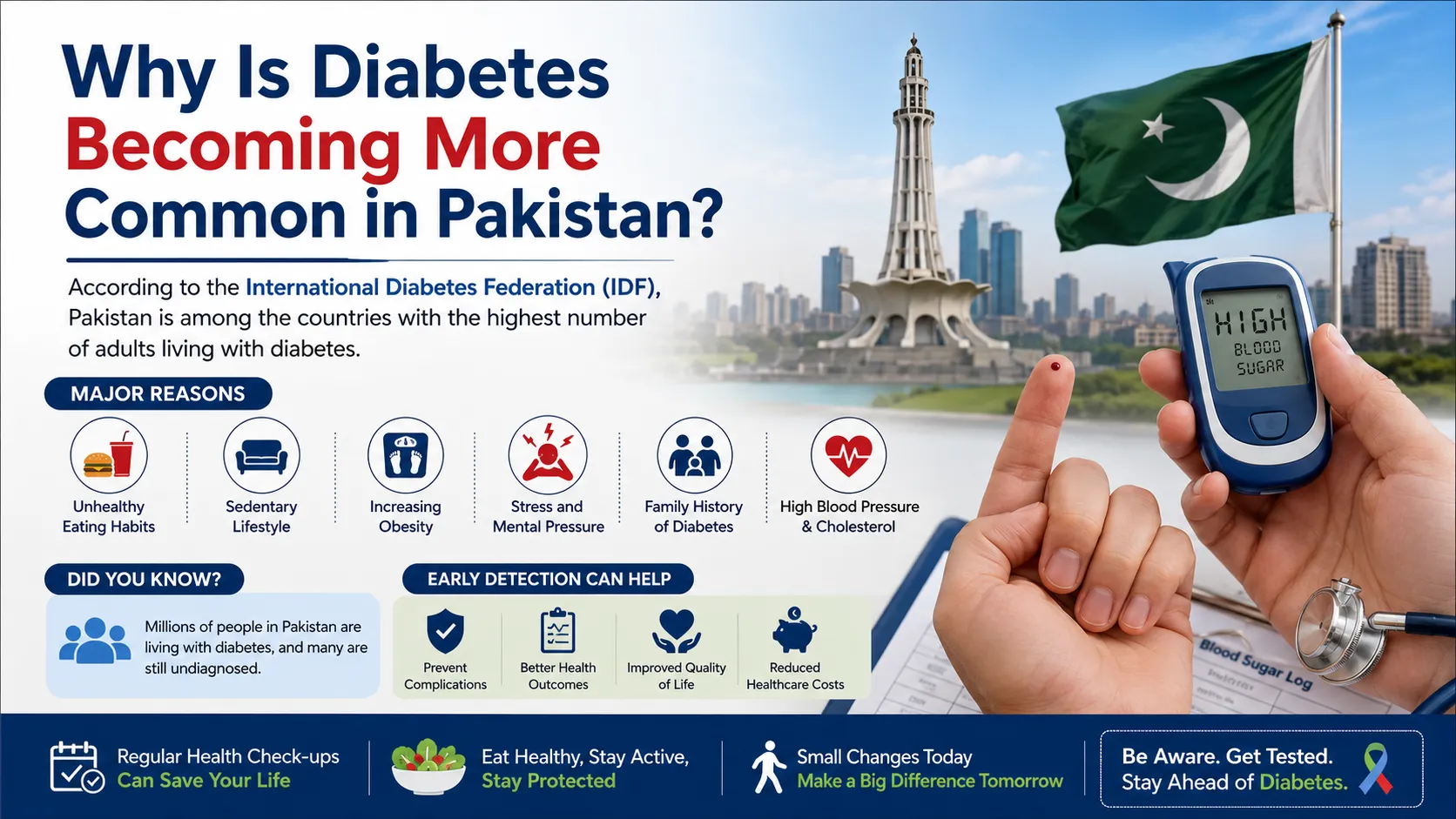
According to the International Diabetes Federation (IDF), Pakistan is among the countries with the highest number of adults living with diabetes worldwide. The rising number of cases is linked to several lifestyle and health factors, including obesity, physical inactivity, unhealthy eating habits, stress, and family history.
In Karachi, doctors frequently diagnose diabetes during routine employment medical examinations, annual health checkups, pre-surgical investigations, or tests performed for other medical conditions. Many patients are surprised because they had no obvious symptoms before their diagnosis.
This is one reason why regular health screening is so important. Early detection allows treatment to begin before diabetes causes permanent damage to vital organs.
A diabetes specialist focuses on diagnosing, treating, and monitoring diabetes while helping patients prevent long-term complications. Diabetes management is not limited to prescribing medicines. It also involves educating patients about nutrition, exercise, blood sugar monitoring, and healthy daily habits.
A diabetes consultation usually includes a detailed medical history, physical examination, laboratory investigations, and an individualized treatment plan based on the patient’s age, medical history, lifestyle, and blood sugar levels.
A qualified physician can help patients:
Because diabetes is a lifelong condition, regular follow-up appointments are essential for maintaining good health.
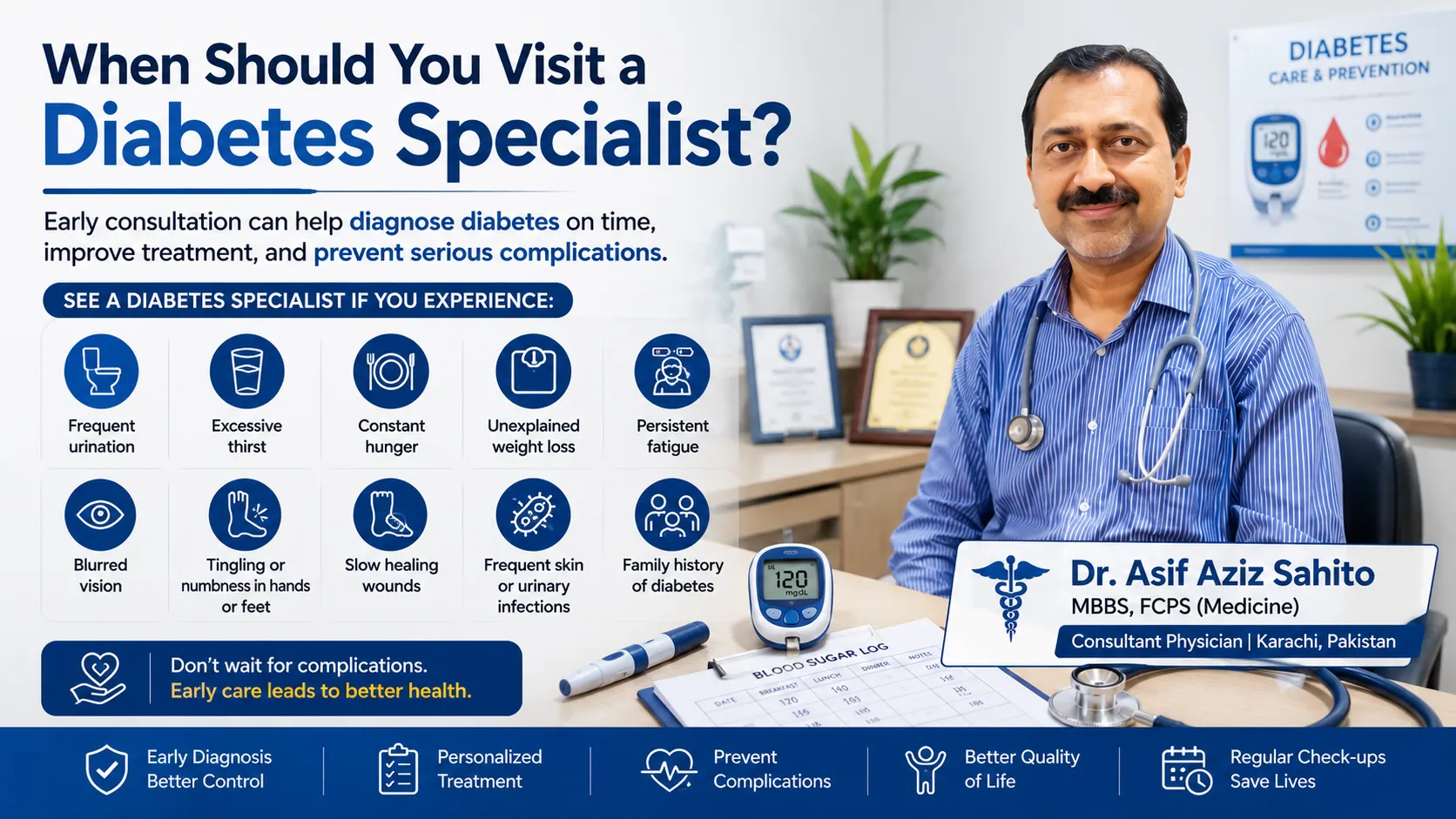
Many people wait until symptoms become severe before seeking medical attention. Unfortunately, diabetes can silently damage the body for years before obvious symptoms appear. You should consider scheduling a medical consultation if you experience:
People who are overweight, have high blood pressure, high cholesterol, or a sedentary lifestyle should also undergo routine diabetes screening even if they feel healthy.
Diabetes develops when blood sugar remains consistently higher than normal because the body cannot produce enough insulin or cannot use insulin efficiently. Different factors contribute to different types of diabetes.
Type 1 diabetes is an autoimmune disease in which the immune system mistakenly attacks the insulin-producing cells of the pancreas. As a result, the body produces little or no insulin, making lifelong insulin therapy necessary.
Type 2 diabetes is the most common form of diabetes. It develops gradually when the body becomes resistant to insulin or does not produce enough insulin to meet the body’s needs. Genetics, obesity, unhealthy eating habits, lack of exercise, and aging all increase the risk.
Some women develop diabetes during pregnancy because pregnancy hormones reduce the body’s ability to use insulin effectively. Blood sugar usually improves after childbirth, but these women have a higher risk of developing Type 2 diabetes later in life.
Prediabetes occurs when blood sugar levels are higher than normal but not yet high enough for a diabetes diagnosis. With healthy lifestyle changes, many people can prevent or delay the development of Type 2 diabetes.
Type of Diabetes | Main Cause | Common Age Group | Typical Treatment |
Type 1 Diabetes | Autoimmune destruction of insulin-producing cells | Children and young adults | Lifelong insulin therapy and regular monitoring |
Type 2 Diabetes | Insulin resistance and reduced insulin production | Adults, but increasingly younger people | Healthy lifestyle changes, oral medications, and insulin if required |
Gestational Diabetes | Hormonal changes during pregnancy | Pregnant women | Healthy diet, blood sugar monitoring, exercise, and medication when necessary |
Prediabetes | Blood sugar higher than normal but not yet diabetes | Adults with risk factors | Weight management, healthier eating, exercise, and regular screening |
Diagnosing diabetes involves more than a single blood sugar test. Your doctor will consider your symptoms, medical history, family history, physical examination, and laboratory findings before confirming the diagnosis. The most commonly used investigations include:
Among these tests, the HbA1c test is especially valuable because it reflects your average blood sugar levels over the previous two to three months. It also helps doctors evaluate how well diabetes is being controlled over time.
Diabetes treatment is individualized because every patient has different health needs. The most appropriate treatment depends on the type of diabetes, blood sugar levels, age, weight, lifestyle, and any other existing medical conditions. Treatment may include lifestyle modifications, oral medications, insulin therapy, or a combination of these approaches.
For many patients with Type 2 diabetes, healthy eating, regular exercise, and weight management significantly improve blood sugar control. Others may require medication or insulin to maintain healthy glucose levels. Regular follow-up appointments allow the doctor to adjust treatment as your condition changes over time.
Lifestyle changes are one of the most effective ways to improve diabetes control. Even small improvements in daily habits can reduce blood sugar levels, improve insulin sensitivity, and lower the risk of future complications.
Developing healthy habits gradually is usually more successful than making drastic lifestyle changes that are difficult to maintain.
Managing diabetes in Pakistan often requires practical adjustments rather than completely changing traditional eating habits. Many local foods can still be enjoyed in moderation with proper portion control.
For example, eating smaller portions of rice, choosing whole wheat chapati instead of refined flour products, limiting sugary tea, soft drinks, bakery items, mithai, and fried snacks can make a meaningful difference in blood sugar control.
Adding more vegetables, lentils, grilled chicken, fish, yogurt, and seasonal fruits in appropriate portions can help patients maintain healthier glucose levels without giving up traditional Pakistani meals.
Regular walking after meals, reducing sitting time during office hours, and staying physically active throughout the week are simple but effective ways to improve insulin sensitivity.
Blood sugar monitoring is one of the most valuable tools in diabetes management. It helps both patients and doctors understand how the body responds to food, medications, physical activity, stress, and illness. Regular monitoring also allows treatment to be adjusted before serious complications develop.
Checking blood sugar regularly provides important information about your overall diabetes control. It can identify unusually high or low glucose levels, measure how well medications are working, and encourage healthier daily habits. Patients who consistently monitor their blood sugar often become more aware of the impact that diet and lifestyle have on their health.
The frequency of monitoring varies from person to person. Some patients only require periodic testing, while others using insulin may need to check their blood sugar several times a day. Your doctor will recommend a monitoring schedule based on your individual condition.
Diabetes is often called a “silent disease” because complications may develop gradually without noticeable symptoms. Poorly controlled blood sugar can damage blood vessels and nerves throughout the body over many years.
One of the most common complications is cardiovascular disease. People with diabetes have a higher risk of heart attacks, strokes, and high blood pressure. Diabetes can also damage the kidneys, leading to chronic kidney disease or kidney failure if blood sugar remains uncontrolled.
Eye problems are another serious concern. High blood sugar can affect the small blood vessels in the retina, increasing the risk of diabetic retinopathy and vision loss. Regular eye examinations help detect these changes early.
Nerve damage, known as diabetic neuropathy, may cause numbness, tingling, burning sensations, or pain in the hands and feet. Reduced sensation in the feet also increases the risk of ulcers and infections, making proper foot care an essential part of diabetes management.
Slow wound healing, frequent infections, and gum disease are also more common in people with poorly controlled diabetes. The encouraging news is that many of these complications can be prevented or delayed through early diagnosis, consistent treatment, and regular medical follow-up.
Choosing the right doctor is about more than qualifications alone. Diabetes is a lifelong condition, so you need a physician who provides ongoing guidance, listens to your concerns, and develops a treatment plan that suits your lifestyle.
When selecting a diabetes specialist, consider the doctor’s education, clinical experience, communication style, and approach to long-term diabetes management. A good physician should explain your condition in simple language, answer your questions, and encourage you to participate actively in your treatment.
It is also helpful to choose a doctor who offers regular follow-up appointments, focuses on preventing complications, and coordinates care with other specialists whenever necessary.
Instead of looking only for titles such as the Top diabetes doctor in Karachi, focus on finding an experienced consultant physician who practices evidence-based medicine and provides patient-centered care.
Your first consultation is designed to give the doctor a complete understanding of your health. A detailed evaluation helps create a treatment plan that is specific to your medical needs.
During the visit, the doctor may discuss your symptoms, family history, current medications, dietary habits, physical activity, and previous laboratory reports. A physical examination is usually performed, followed by recommendations for blood tests if required.
Based on the results, your doctor will explain your diagnosis, discuss treatment options, recommend lifestyle modifications, and schedule future follow-up visits to monitor your progress.
Many patients in Karachi first discover diabetes during routine blood tests before surgery, employment medical examinations, or annual health checkups. Detecting diabetes at this early stage provides the best opportunity to prevent long-term complications.
Feature | General Physician | Diabetes Specialist |
Diabetes Diagnosis | Diagnoses common diabetes cases | Diagnoses both simple and complex diabetes cases |
Treatment Planning | Provides basic treatment and follow-up | Develops personalized long-term diabetes management plans |
Blood Sugar Monitoring | Monitors routine blood sugar control | Provides advanced blood sugar management and treatment adjustments |
Insulin Therapy | Prescribes insulin for standard cases | Optimizes insulin therapy for uncontrolled or complex diabetes |
Complication Management | Refers patients when complications develop | Evaluates and manages diabetes-related complications |
Long-Term Follow-up | Suitable for routine diabetes care | Best suited for difficult, uncontrolled, or high-risk diabetes cases |
Although Type 1 diabetes cannot currently be prevented, many cases of Type 2 diabetes can be delayed or even prevented by adopting healthier lifestyle habits. Maintaining a healthy body weight, eating a balanced diet, exercising regularly, avoiding tobacco products, limiting sugary drinks, and attending routine health screenings all reduce the risk of developing diabetes.
People with a family history of diabetes should be especially proactive about regular health checkups because early detection significantly improves long-term outcomes.
Diabetes management is not the same for everyone because each patient has different health needs, blood sugar levels, lifestyle, age, and medical history. Some people can manage Type 2 diabetes with healthy eating, regular exercise, and oral medication, while others may require insulin therapy or more advanced treatment.
Conditions such as high blood pressure, obesity, kidney disease, or heart disease also influence the treatment plan. An experienced diabetes specialist in Karachi develops a personalized care plan based on each patient’s overall health and regularly reviews progress through follow-up visits.
This individualized approach helps achieve better blood sugar control, lowers the risk of long-term complications, and supports a healthier, more active life.
Early treatment offers the best opportunity to protect your health and prevent irreversible complications. Patients who begin treatment soon after diagnosis generally achieve better blood sugar control, require fewer hospital admissions, and experience a higher quality of life. Delaying medical care allows high blood sugar to silently damage the body’s organs over time.
For this reason, anyone experiencing symptoms or belonging to a high-risk group should seek medical advice without unnecessary delay.
Effective diabetes management requires accurate diagnosis, personalized treatment, and regular follow-up. Dr. Asif Aziz Sahito, MBBS, FCPS, Consultant Physician, Karachi, Pakistan, provides comprehensive evaluation and evidence-based care for individuals living with diabetes and other chronic medical conditions.
Every patient has different health goals and medical needs. Treatment plans are developed according to blood sugar levels, age, existing medical conditions, lifestyle, and individual risk factors. Regular follow-up appointments help ensure that treatment remains effective while reducing the risk of long-term complications.
Many patients discover diabetes during routine health screenings before noticeable symptoms appear. Early diagnosis at this stage allows treatment to begin before permanent damage affects the eyes, kidneys, heart, or nervous system. This preventive approach plays an important role in improving long-term health outcomes.
Whether you have recently been diagnosed, need better blood sugar control, or require ongoing diabetes management, consulting an experienced physician can help you maintain a healthier and more active life.
Diabetes is generally considered a lifelong condition. However, many people successfully control their blood sugar through healthy lifestyle habits, regular monitoring, and appropriate medical treatment.
You should seek medical advice if you experience symptoms of diabetes, have persistently high blood sugar levels, a family history of diabetes, or difficulty controlling your condition despite treatment.
The HbA1c test is widely used because it measures the average blood sugar level over the previous two to three months and helps assess long-term diabetes control.
For many individuals with prediabetes or early Type 2 diabetes, healthier eating habits, regular exercise, and weight management may significantly improve blood sugar control. However, any changes to medication should only be made under medical supervision.
The frequency depends on individual health needs and blood sugar control. Many patients benefit from follow-up appointments every three to six months, while others with uncontrolled diabetes may require more frequent monitoring.
Diabetes is a lifelong condition, but with the right medical care and healthy lifestyle choices, it can be managed successfully. Early diagnosis, regular monitoring, balanced nutrition, physical activity, and personalized treatment all play an important role in maintaining healthy blood sugar levels and preventing serious complications.
If you are looking for a diabetes specialist in Karachi, choosing an experienced and qualified physician can help you better understand your condition and develop a treatment plan tailored to your individual needs. Rather than waiting for complications to develop, seeking medical advice early provides the best opportunity to protect your long-term health.
Dr. Asif Aziz Sahito, MBBS, FCPS, Consultant Physician, Karachi, Pakistan, offers comprehensive diabetes evaluation, personalized treatment plans, and long-term management for patients living with diabetes.
If you are experiencing symptoms, have recently been diagnosed, or need ongoing diabetes care, book an appointment today to receive professional guidance and evidence-based treatment for better health.
This article is intended for educational and informational purposes only. It should not replace professional medical advice, diagnosis, or treatment. Every patient has unique health needs, and treatment decisions should always be made in consultation with a qualified healthcare professional.
If you have symptoms of diabetes or concerns about your blood sugar levels, seek medical advice from an experienced physician without delaying treatment.