Subtotal $0.00


Medova is a convenience services to the adaptability, Spacious modern villa living room with centrally placed swimming pool blending indooroutdoor
Medova is a convenience services to the adaptability, Spacious modern villa living room with centrally placed swimming pool blending indooroutdoor
Have you ever stood up quickly and suddenly felt dizzy, weak, or lightheaded?
Many women experience these sensations from time to time and often dismiss them as fatigue, stress, or lack of sleep.
However, these signs can sometimes indicate an underlying health issue that deserves attention.
Low blood pressure symptoms in women can range from mild discomfort to serious complications that affect daily life and overall wellbeing.
While low blood pressure is not always dangerous, persistent symptoms may signal dehydration, nutritional deficiencies, hormonal changes, heart conditions, or other medical concerns.
Knowing the warning signs and possible causes can help women take timely action and protect their health.
This guide explores symptoms, risk factors, diagnosis, treatment options, and practical prevention strategies to help you stay informed and healthy.
Blood pressure measures the force of blood moving through the arteries. Healthcare professionals typically consider a reading below 90/60 mmHg as low blood pressure.
A lower reading is not always harmful. In fact, some people naturally have lower blood pressure and experience no symptoms.
Problems arise when blood flow becomes insufficient to supply oxygen and nutrients to vital organs.
When this occurs, women may experience dizziness, weakness, confusion, fainting, or other health concerns that can interfere with everyday activities.
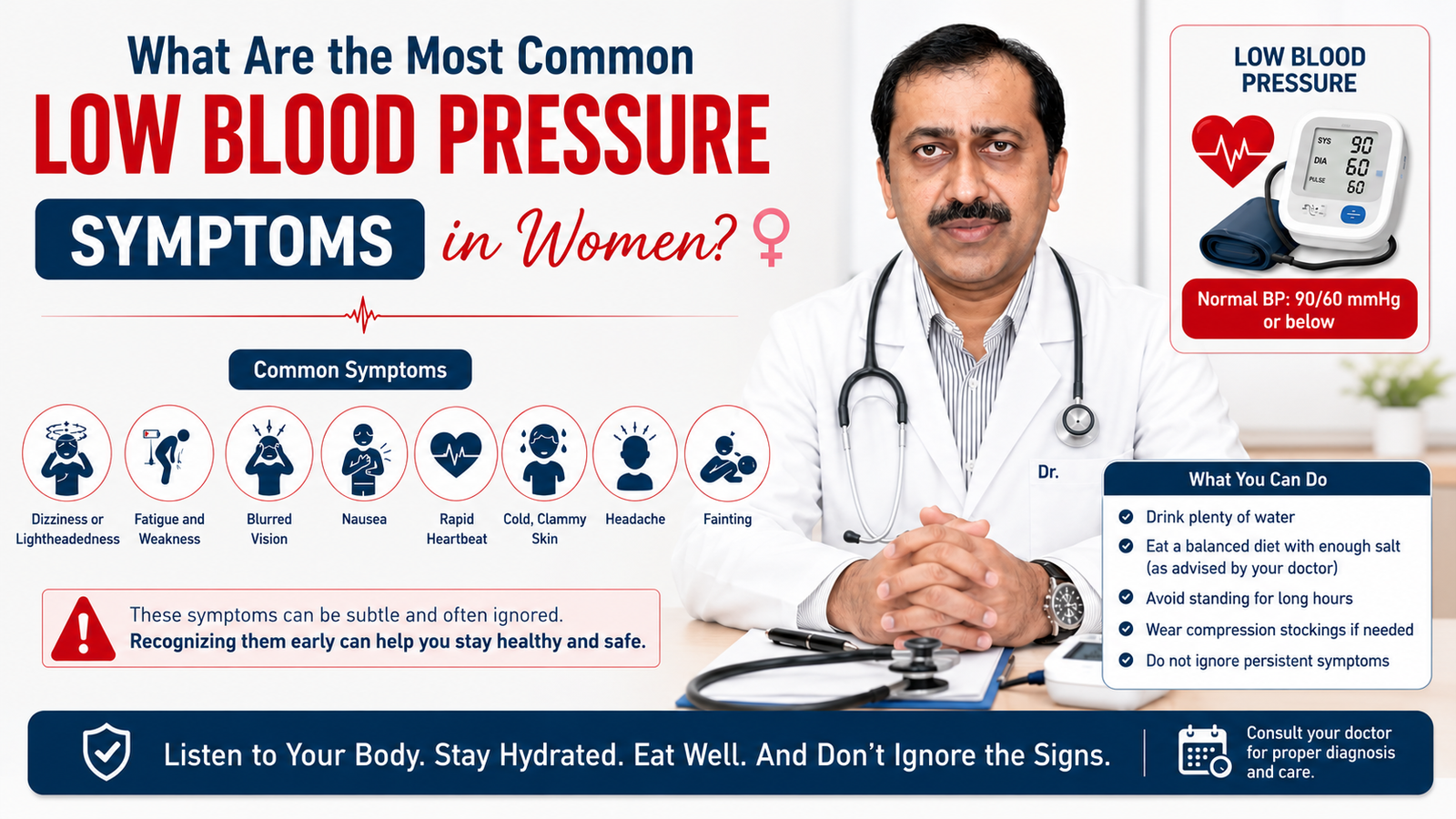
The severity of symptoms varies from person to person. Some women notice occasional mild signs, while others experience symptoms that significantly affect daily life.
Common symptoms include:
These symptoms often become more noticeable after standing up quickly, prolonged periods without eating, intense physical activity, or dehydration.
Women face several unique physiological factors that may increase their risk.
Hormonal fluctuations during menstruation, pregnancy, and menopause can influence blood pressure levels.
During pregnancy, blood vessels expand to support fetal development. This natural process may temporarily lower blood pressure.
Women are more likely to develop iron deficiency due to menstrual blood loss. Low iron levels can contribute to anemia, which may lead to reduced blood pressure and fatigue.
Insufficient intake of essential nutrients such as vitamin B12 and folate can affect red blood cell production and circulation.
Some women naturally have lower blood pressure due to body composition and genetics.
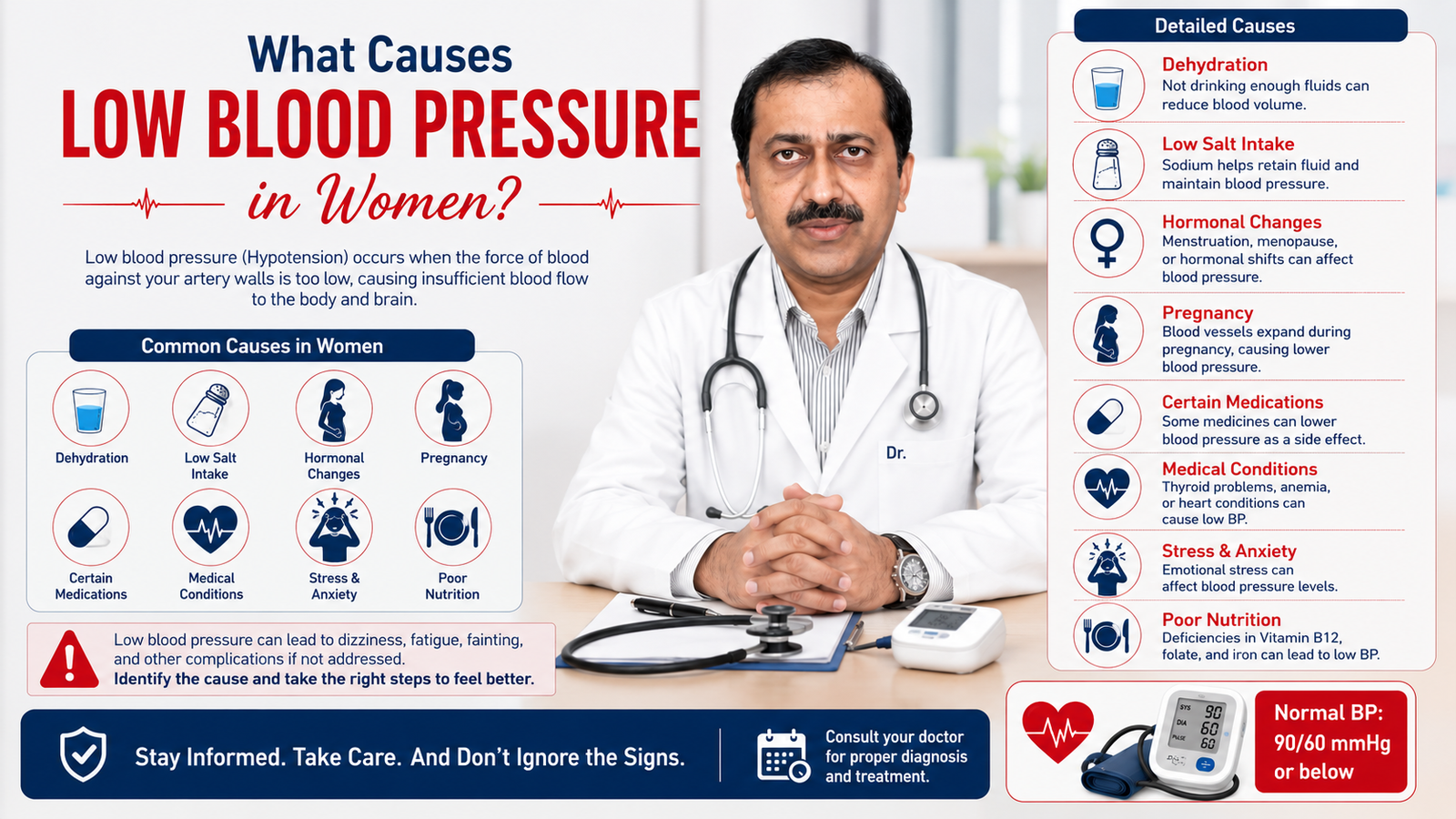
Several medical and lifestyle factors can contribute to low blood pressure.
Not drinking enough fluids reduces blood volume and can lead to dizziness and weakness.
Heavy menstrual periods, injury, or internal bleeding can lower blood volume.
Certain heart disorders may reduce the heart’s ability to pump blood effectively.
Conditions involving the thyroid gland, adrenal glands, or blood sugar regulation can affect blood pressure.
Some medications used for heart disease, anxiety, depression, or high blood pressure may cause blood pressure to drop.
Serious infections can occasionally lead to dangerous drops in blood pressure.
Many women find that symptoms interfere with work, family responsibilities, and personal activities.
For example, frequent dizziness may make driving unsafe. Fatigue can reduce productivity at work, while fainting episodes may increase the risk of falls and injuries.
Persistent symptoms can also affect emotional wellbeing, causing anxiety about future episodes.
Recognizing these challenges early allows women to seek medical advice before complications develop.
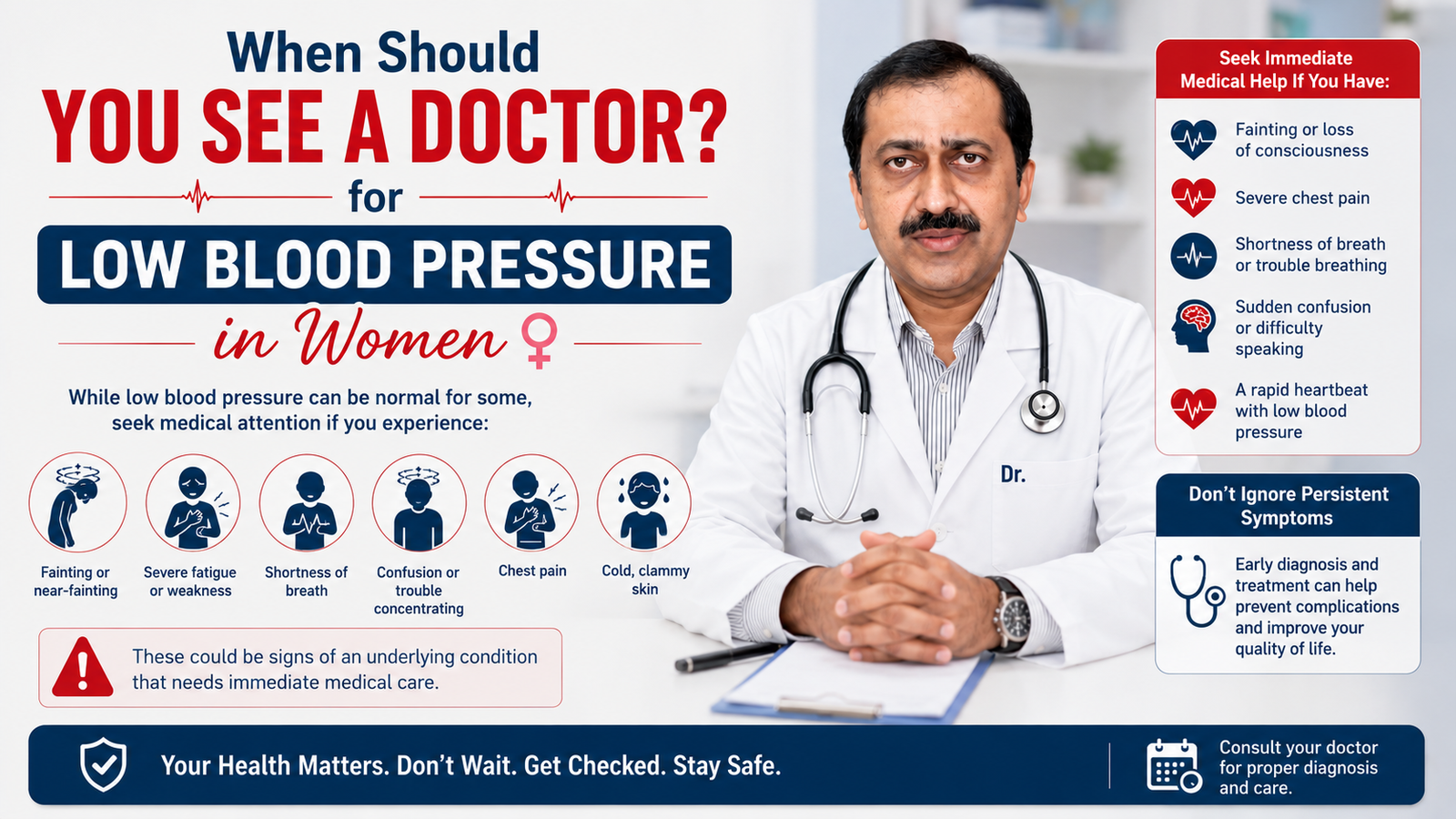
Occasional mild dizziness may not require urgent medical attention. However, certain symptoms should never be ignored.
Seek medical care if you experience:
A healthcare professional can determine whether an underlying medical condition is contributing to the problem.
Diagnosis begins with a thorough medical history and physical examination.
Healthcare providers may perform:
Multiple readings help determine whether low blood pressure is persistent.
Tests can identify anemia, infections, vitamin deficiencies, and hormonal disorders.
This test evaluates heart rhythm and electrical activity.
An ultrasound examination helps assess heart structure and function.
This specialized test evaluates how blood pressure responds to changes in body position.
Accurate diagnosis helps guide effective treatment.
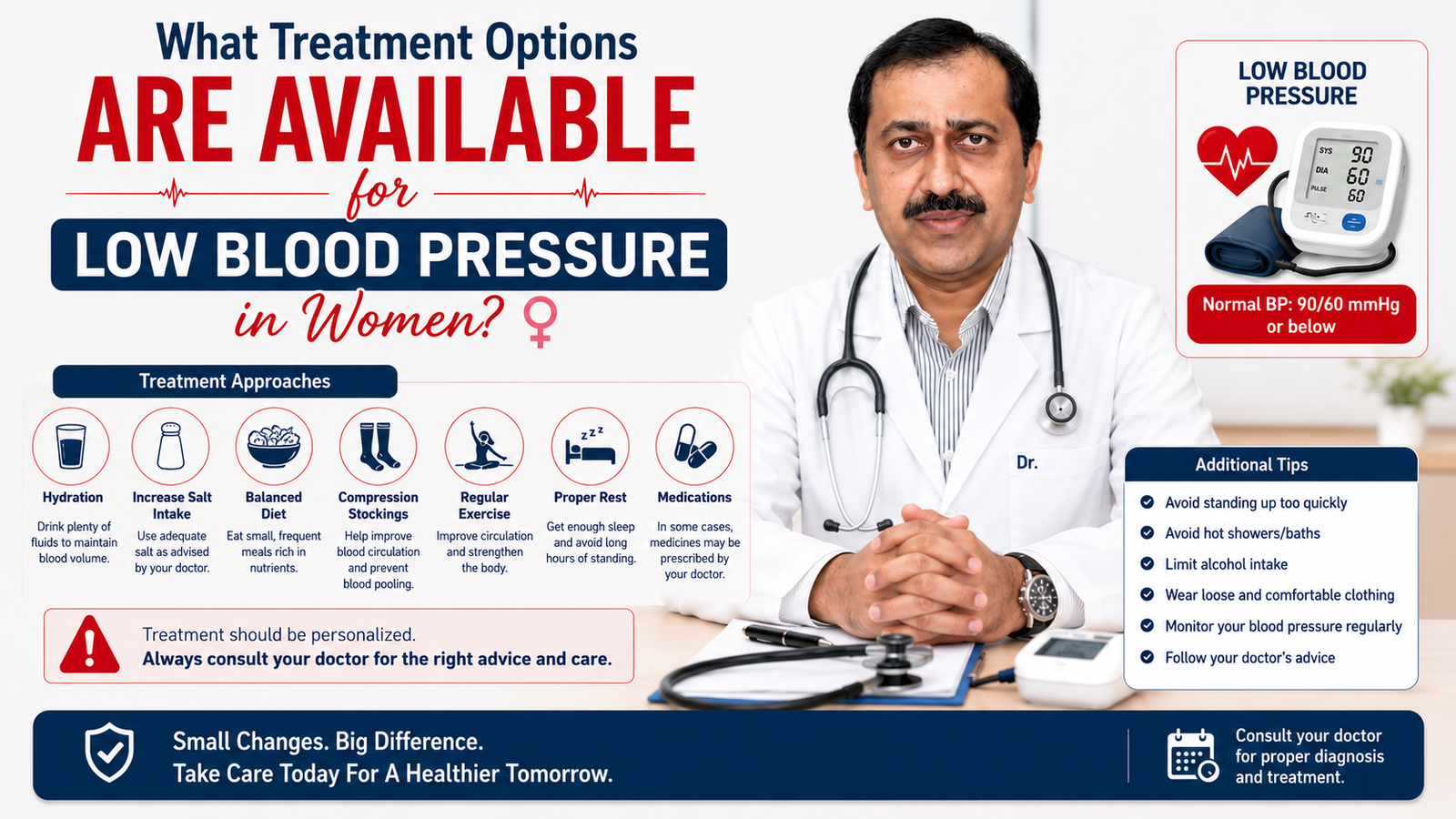
Treatment depends on the underlying cause.
Drinking adequate water helps maintain blood volume and circulation.
A balanced diet rich in vitamins, minerals, and iron supports healthy blood pressure regulation.
Doctors may modify medications that contribute to low blood pressure.
These garments help improve circulation in some individuals.
Addressing anemia, thyroid disorders, infections, or heart problems often improves symptoms.
Simple changes, such as standing up slowly and avoiding prolonged standing, can reduce symptoms.
Women experiencing frequent low blood pressure symptoms in women should consult a healthcare professional before starting any treatment plan.
Prevention often involves simple daily habits.
Helpful strategies include:
These habits support healthy circulation and reduce symptom frequency.
Although many cases are mild, severe low blood pressure can become a medical emergency.
Very low blood pressure may reduce blood flow to vital organs such as the brain, heart, and kidneys. This situation can result in shock, which requires immediate medical attention.
Warning signs include:
Prompt treatment is essential in these situations.
Long-term management focuses on identifying triggers and maintaining overall health.
Women should:
For many individuals, consistent self-care and medical guidance significantly reduce recurring episodes of low blood pressure symptoms in women.
Healthcare professionals generally consider blood pressure below 90/60 mmHg as low.
Yes. Dehydration reduces blood volume and can lead to dizziness, weakness, and low blood pressure.
Yes. Blood pressure often decreases during pregnancy because blood vessels expand to support fetal development.
Yes. Iron deficiency anemia can reduce oxygen delivery and contribute to fatigue, dizziness, and lower blood pressure.
Drinking more fluids, eating balanced meals, maintaining adequate salt intake when advised by a doctor, and standing up slowly may help improve blood pressure levels.
Low blood pressure symptoms in women can range from occasional dizziness to more serious health concerns that affect daily life and wellbeing.
Factors such as dehydration, pregnancy, hormonal changes, anemia, medications, and certain medical conditions can contribute to lower blood pressure levels.
Recognizing symptoms early, seeking medical advice when necessary, and following healthy lifestyle practices can help prevent complications and improve quality of life.
If you experience persistent dizziness, fainting, weakness, or other concerning symptoms, consult a healthcare professional for proper evaluation and treatment.