Subtotal $0.00


Medova is a convenience services to the adaptability, Spacious modern villa living room with centrally placed swimming pool blending indooroutdoor
Medova is a convenience services to the adaptability, Spacious modern villa living room with centrally placed swimming pool blending indooroutdoor
Do you frequently feel fatigued, bloated, or experience yellowing of your skin?
These are warning signs that are often overlooked, as many people are unaware that they could be a sign of a liver disorder.
Owing to unhealthy lifestyles, infections, or other chronic diseases, millions of people globally experience liver issues.
The liver is a crucial organ that performs the role of detoxification of the body, the production of the main proteins, and metabolism. Liver complications should not be ignored because they may cause severe complications such as cirrhosis, liver failure, or even liver cancer.
The inability to detect early is a common problem for families and patients due to the subtleties and the ambiguity of the symptoms.
This guide will make you knowledgeable about liver disorders. You will be informed of its prevalent causes, symptoms, treatment, measures of prevention, and lifestyle modifications to ensure liver health.
A liver disorder is any disease that affects the functioning of the liver. This may involve inflammation, infection, scarring, or fat deposition of the liver.
A good liver plays an important role in digestion, detoxification, andthe control of blood sugar.In case the liver is not able to perform these functions effectively, fatigue, digestive issues, and the buildup of toxins occur in the body.
The ability to identify the symptoms early and receive medical care at the right time can make a big difference.
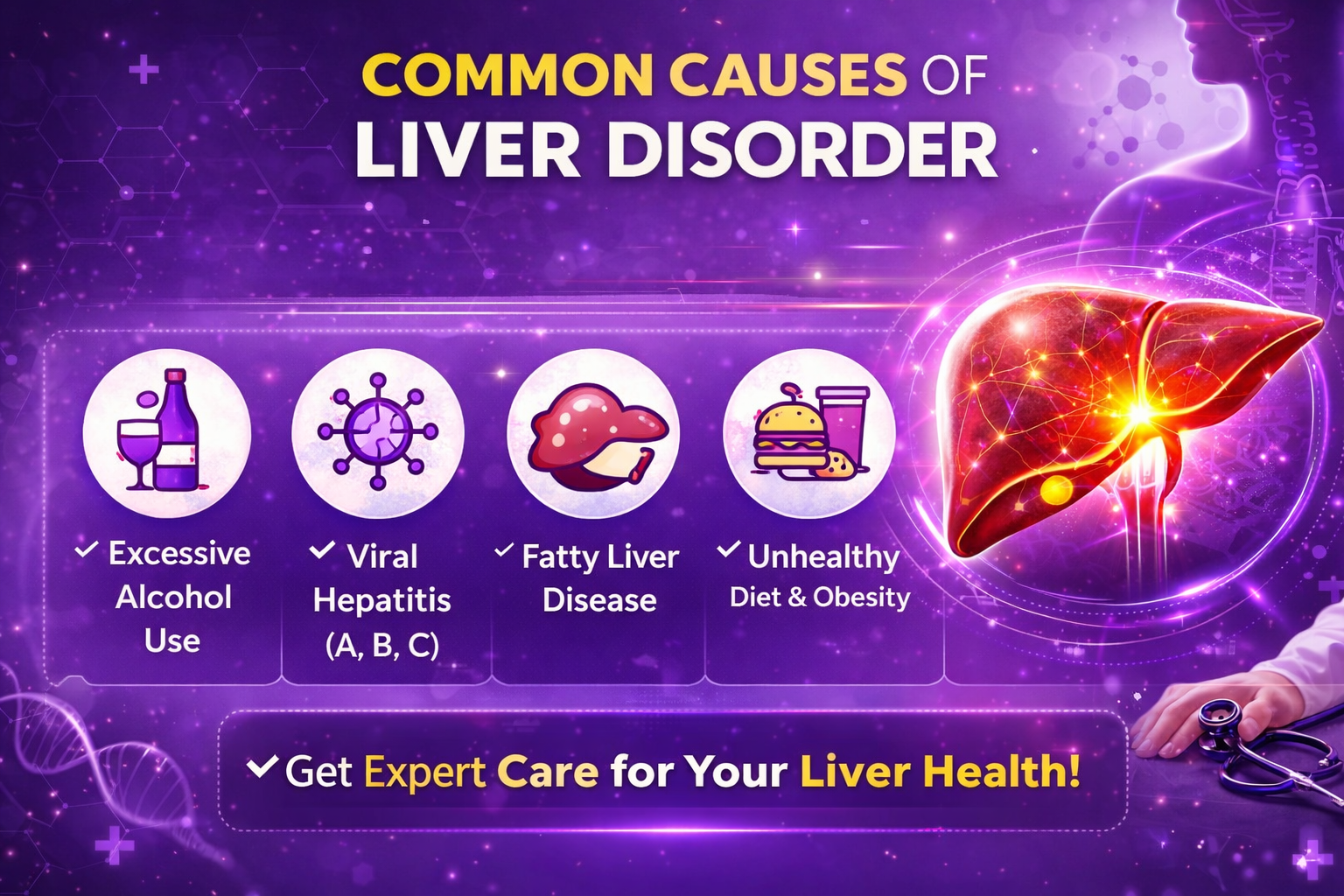
Liver disorders may be different:
Viral Infections
Hepatitis A, B, and C viruses directly affect the liver cells, causing inflammation and chronic illness in the case of untreated infection.
Excess Alcohol Consumption
The liver is overworked in long term alcohol abuse, leading to fatty liver disease, fibrosis, and later cirrhosis.
Poor Diet and Obesity
Fatty liver disease is a result of high sugar and fatty diets, and it impacts the functioning of the liver in the long run.
Medications and Toxins
There are medicines, chemicals, and environmental toxins that may destroy the liver through overuse or misuse.
Genetic Disorders
Such diseases as hemochromatosis or Wilson’s disease influence the liver metabolism and may lead to irreversible problems throughout the life.
Liver problems develop without notice, although there are some early signs:
Fatigue and weakness
Skin and eye(yellowing) (jaundice)
Abdominal or leg edema.
Anorexia or unexplained weight loss.
Dark urine or pale stools
Nausea and vomiting
Itchy skin or rashes
It is necessary to identify these symptoms in time and address the issue with a professional in order to avoid severe complications.
Physicians combine various techniques to diagnose liver disease:
Blood Tests – Determine liver enzymes, bilirubin, and protein production.
Imaging Tests- ultrasound, CT scan, or MRI can identify the liver size, fats, and structural damage.
Liver Biopsy- A small piece of tissue is used to determine inflammation, scarring, or cancer.
Marx History/Physical Examination – Assists in determining the presence of risk factors and overall health.
Treatment can be initiated early enough to cause irreparable harm.
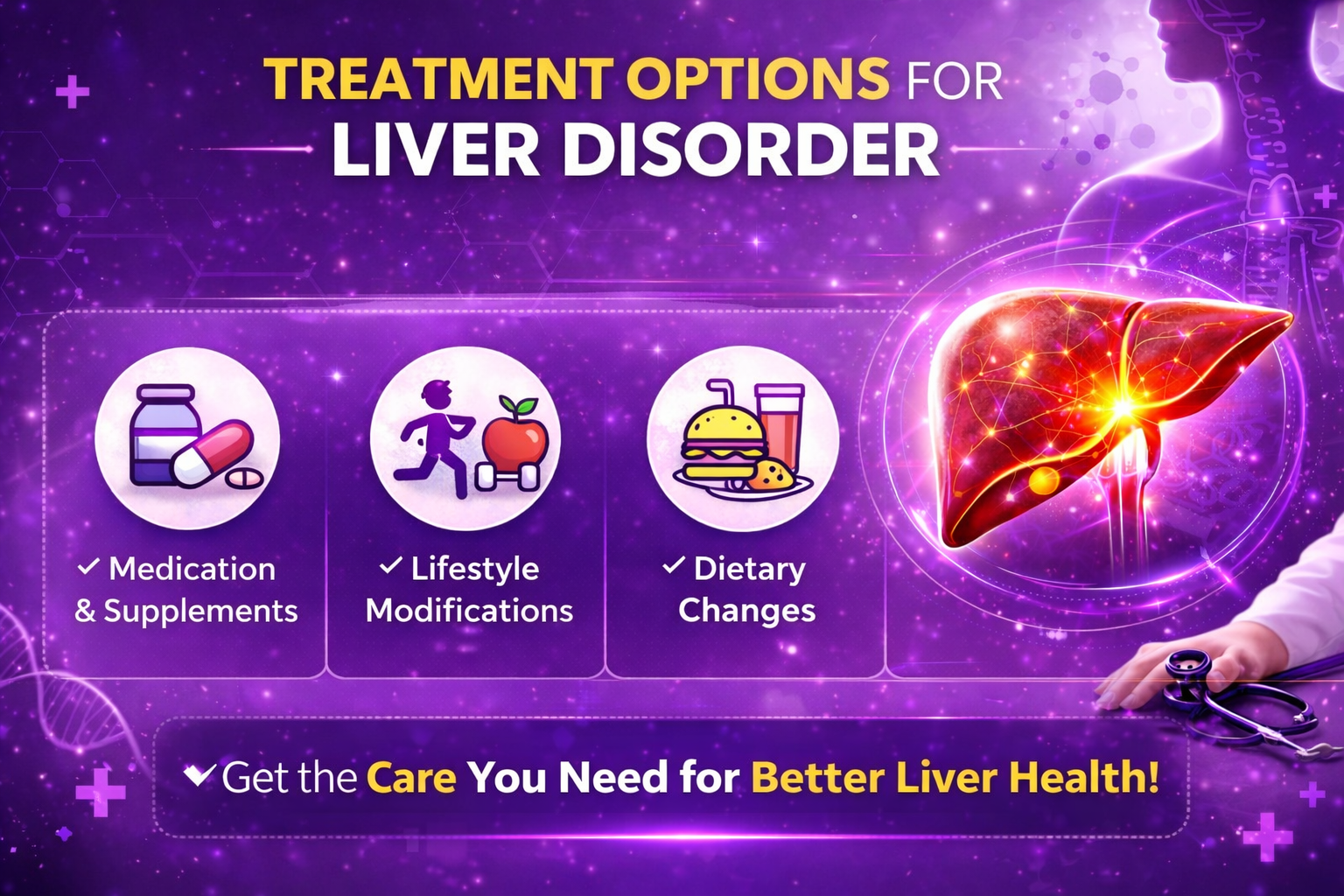
Therapy is based on the cause and severity:
Lifestyle Changes
Avoid alcohol and toxins
Eat a healthy meal that is high in vegetables and fruits, as well as low in protein.
Maintain a healthy weight
Medications
Physicians can prescribe antiviral medication, those that lower liver inflammation or treatments to control symptoms such as itching or fatigue.
Regular Monitoring
Chronic liver patients need frequent blood testing and imaging to monitor liver functioning.
Advanced Interventions
In extreme cases, surgery or a liver transplant can be required.
To preserve liver health, it is simpler through regular preventive actions:
Limit alcohol intake
Do not take uncontrolled drugs and supplements.
Eat healthy and exercise.
Test the hepatitis A and hepatitis B vaccinations.
Do not get in contact with toxins and contaminated food or water.
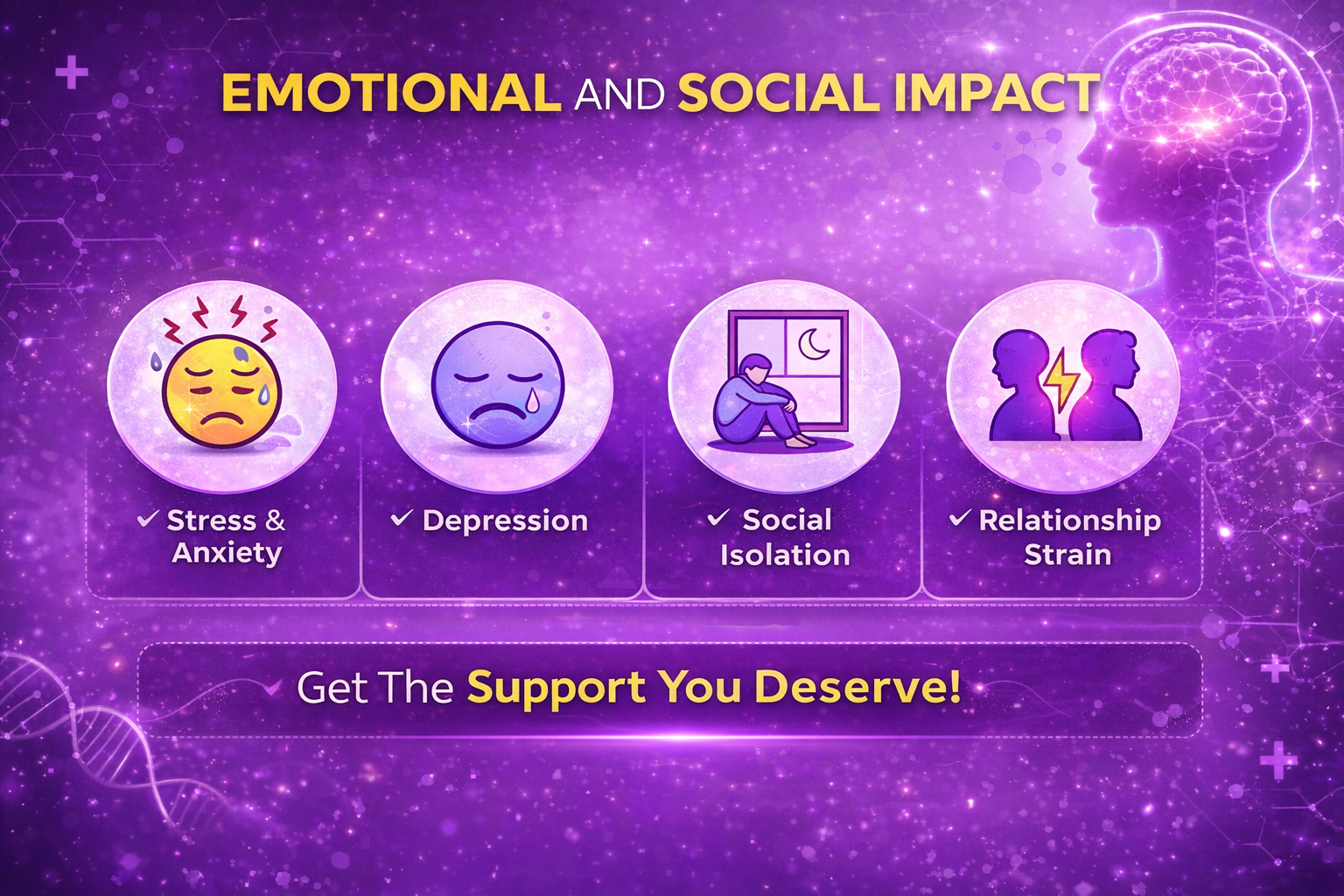
The liver disorders do not impact only the mental well-being but also the physical health as well.
Stress and anxiety, along with social limitations, may occur due to fatigue and diet limitations. Family support, counseling, and lifestyle advice allow patients to have a mental and emotional balance during the treatment process.
It is very important to consult a qualified doctor for the management of liver disorders. Professional assessment means proper diagnosis, successful treatment, and risk-free monitoring. Self medication and unproven treatments should be avoided. Relied upon long term liver health care providers.
Yes. Vital exercise, a healthy diet, alcohol abstinence, and a healthy weight will help to make the liver work much harder and avoid additional harm.
Fried food, processed snacks, sweet beverages, excessive salt, alcohol, and untested supplements of herbal nature are to be avoided as they put an extra burden on the liver.
There are certain herbal supplements that could help to improve the health of the liver, though it should be under the supervision of a doctor. Liver damage may also be aggravated by self-prescribed herbs.
According to the type and the severity of the disorder, recovery time is different. Mild fatty liver can be treated through lifestyle modifications, and over time, the disease will improve, whereas the chronic ones demand chronic treatment.
Yes. Viral infections, hereditary disorders, or bad nutrition can lead to children developing liver disorders. It is essential to treat and identify healthy development at early stages.
There are some liver diseases, like hemochromatosis or Wilson’s disease, that have a genetic factor, but lifestyle and environmental factors are also significant.
Doctors take regular blood tests, imaging, and occasionally biopsies to monitor liver functioning and identify early complications.
Yes. The liver may not work well, leading to an impact on the digestion process, immunity, blood clotting, hormone levels, and putting a patient at risk of cardiovascular or kidney problems.
Mild hepatic diseases, such as fatty liver, may successfully be reversible under proper care. Chronic illnesses such as cirrhosis can be treated or need liver transplant.
Vaccines against hepatitis A and B can help greatly decrease the risk of liver infections caused by viruses and can be used to keep liver health in the long term.
Liver disorder is an ailment that needs attention w, which must be timely, well-diagnosed, and attended to. Being informed about the causes and early warning signs, as well as prevention measures, can enable the patient and the family to gain control over their health.
It is possible to protect your liver and avoid complications through a moderate diet, drinking less alcohol, checking and controlling the activity of the liver, and visiting professional doctors. Today, be healthy in order to live a healthier, more active future.