Subtotal $0.00


Medova is a convenience services to the adaptability, Spacious modern villa living room with centrally placed swimming pool blending indooroutdoor
Medova is a convenience services to the adaptability, Spacious modern villa living room with centrally placed swimming pool blending indooroutdoor
Do you feel tired all the time without any clear reason? Is your weight suddenly increasing or decreasing?
Are you facing hair fall, stress, weakness, or sleeping problems? Many people ignore these symptoms for months because they think these issues are normal.
But sometimes these signs point toward a thyroid problem. A thyroid issue can affect your entire body. It can disturb your energy, mood, heart rate, digestion, skin, and even memory.
The biggest problem is that many people do not know which doctor treats thyroid disease or how thyroid treatment actually works.
In this comprehensive guide, you will learn about the role of a thyroid doctor, when to consult one, common thyroid diseases, diagnostic methods, treatment options, lifestyle tips, and answers to frequently asked patient questions.
A thyroid doctor is a medical specialist who diagnoses and treats thyroid gland diseases. In English, thyroid specialists are usually called endocrinologists.
The thyroid gland is a small butterfly-shaped gland located in the front of the neck.
It produces hormones that control many important body functions, including metabolism, heart rate, temperature, and energy levels.
When the thyroid gland stops working properly, it can create many health problems that require expert medical attention.
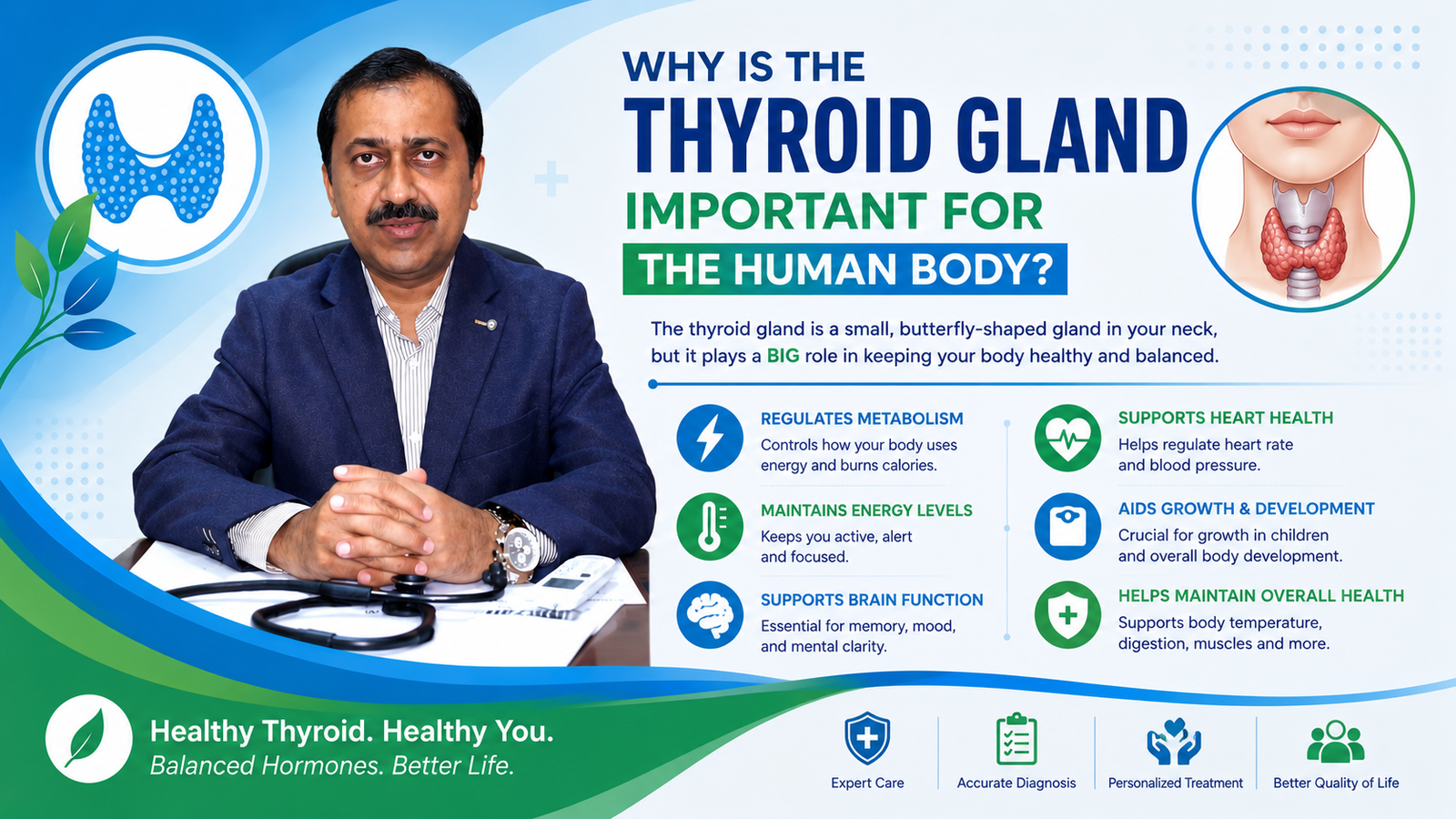
The thyroid gland controls how your body uses energy. It affects almost every organ in the body. Even a small imbalance in thyroid hormones can create serious health complications.
The thyroid gland helps regulate:
Because of these important functions, thyroid diseases should never be ignored.
Many thyroid symptoms develop slowly. Patients often confuse them with stress, aging, or weakness. Visiting a specialist early can prevent complications.
Common symptoms include:
If you experience several of these symptoms together, consulting a thyroid specialist becomes important.
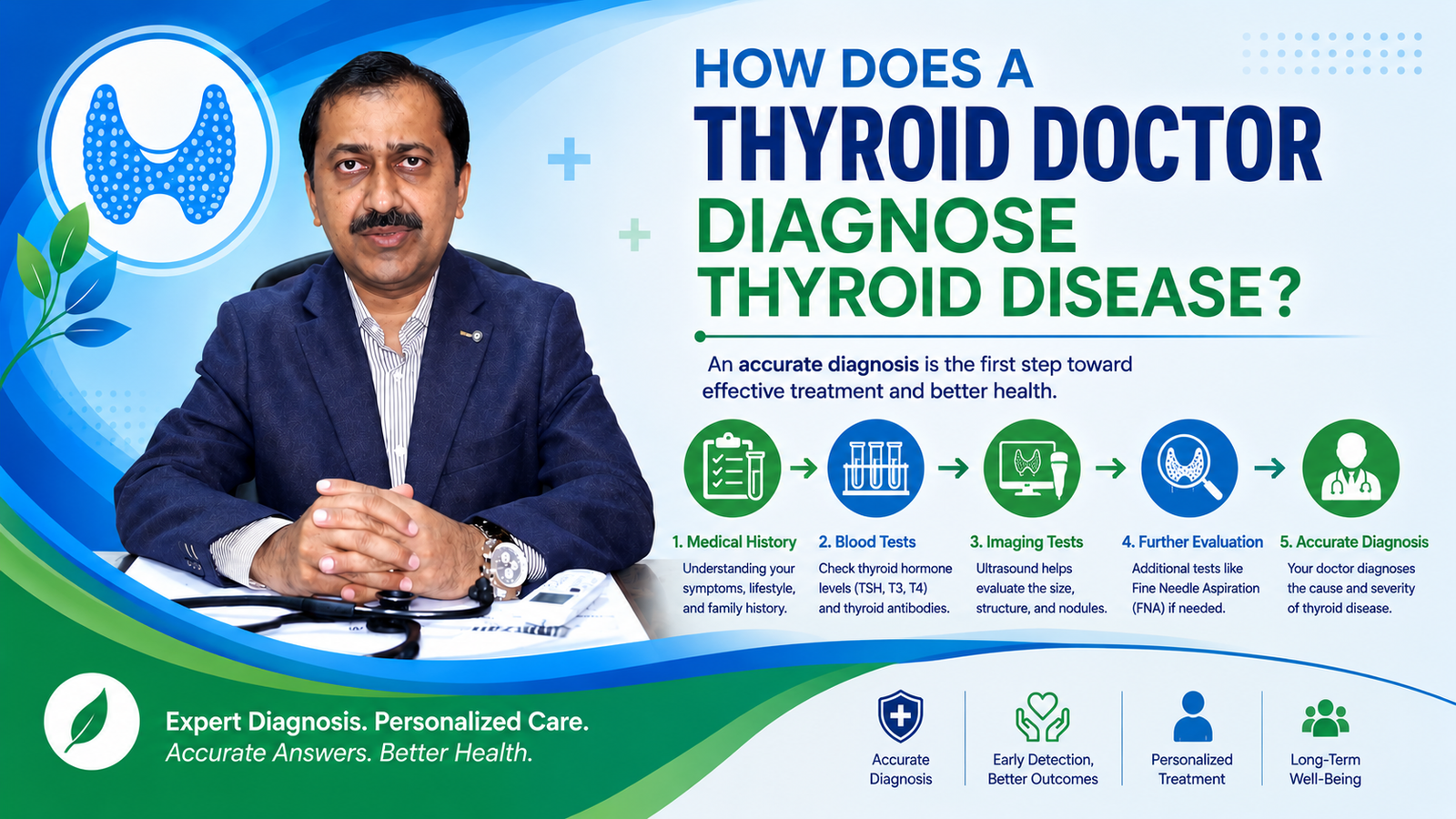
A thyroid specialist uses different methods to diagnose thyroid conditions accurately.
The doctor first asks about your symptoms, family history, lifestyle, and previous medical conditions. A neck examination may also help detect swelling or thyroid enlargement.
Blood tests help measure thyroid hormone levels. Common tests include:
These tests help identify whether the thyroid is overactive or underactive.
An ultrasound checks the size and shape of the thyroid gland. It can also detect nodules or abnormal growth.
Thyroid Scan
In some cases, doctors may recommend imaging scans to examine thyroid function in more detail.
A thyroid specialist treats several thyroid-related conditions.
This condition occurs when the thyroid gland produces fewer hormones than the body needs. It is one of the most common thyroid disorders worldwide.
Patients usually feel weak, tired, and mentally slow.
This happens when the thyroid gland produces too many hormones. It speeds up body functions and may create heart related complications.
Goiter refers to the enlargement of the thyroid gland. It can cause swelling in the neck and difficulty swallowing.
Nodules are small lumps in the thyroid gland. Most are harmless, but some require further medical evaluation.
Although less common, thyroid cancer needs early diagnosis and proper treatment for better outcomes.
Treatment depends on the type and severity of the thyroid problem.
Most thyroid patients receive medicines that either increase or reduce thyroid hormone levels.
Doctors adjust medication dosage according to blood test results and patient condition.
This treatment is sometimes used for overactive thyroid conditions. It helps reduce excessive hormone production.
Surgery may be necessary if the thyroid gland becomes too large, contains suspicious nodules, or develops cancer.
Thyroid diseases often require long-term monitoring. Regular blood tests help doctors keep hormone levels balanced.
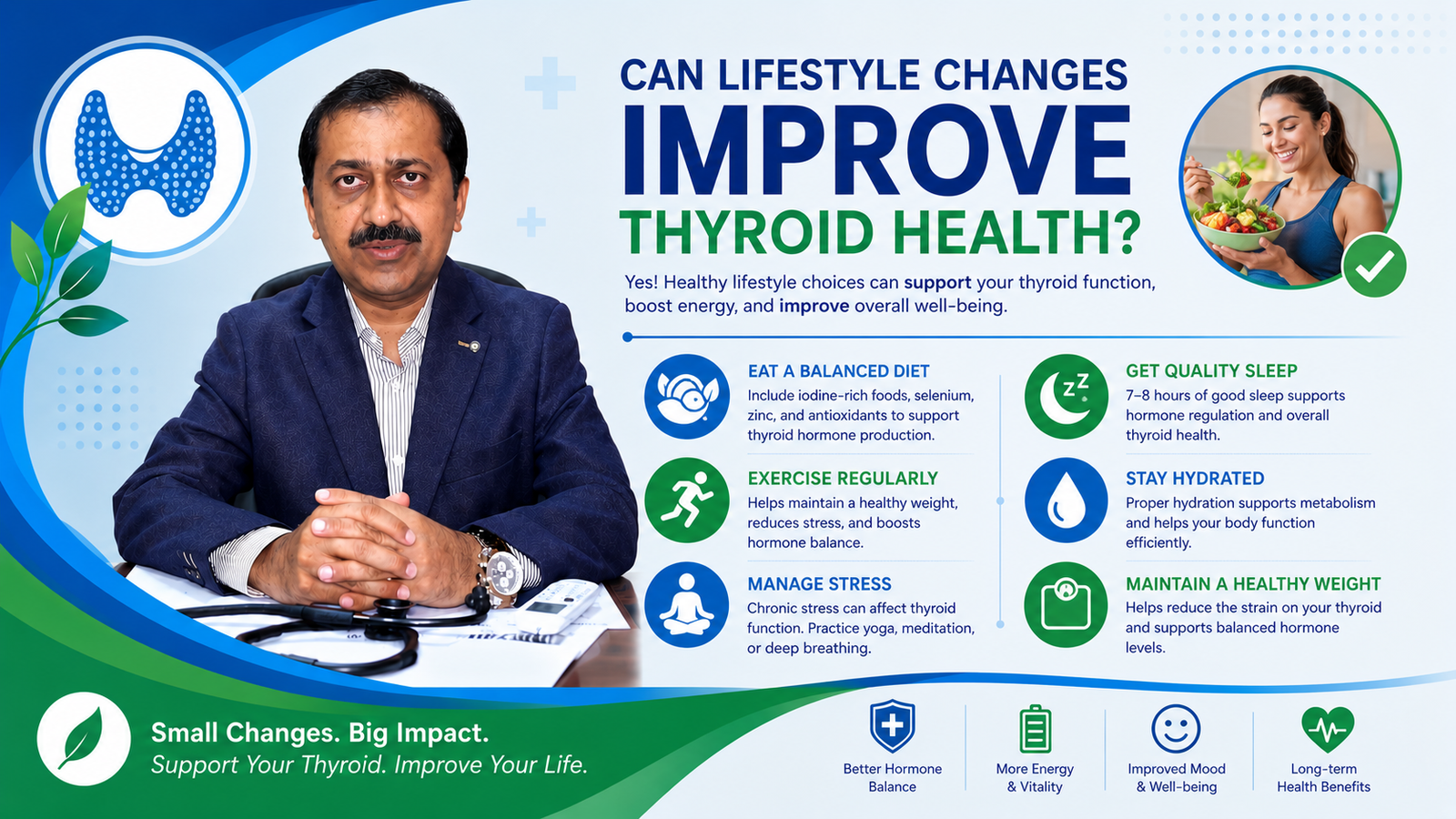
Yes, healthy habits can support thyroid treatment and improve overall health.
Important lifestyle tips include:
Patients should never stop thyroid medicines without medical advice.
A healthy diet can help maintain better thyroid function.
Helpful foods include:
Some thyroid patients may also need iodine, selenium, or vitamin D, depending on their condition. Always consult a healthcare professional before taking supplements.
Yes, thyroid hormone imbalance can strongly affect emotions and mental wellbeing.
Some patients experience:
Proper thyroid treatment often improves these symptoms significantly.
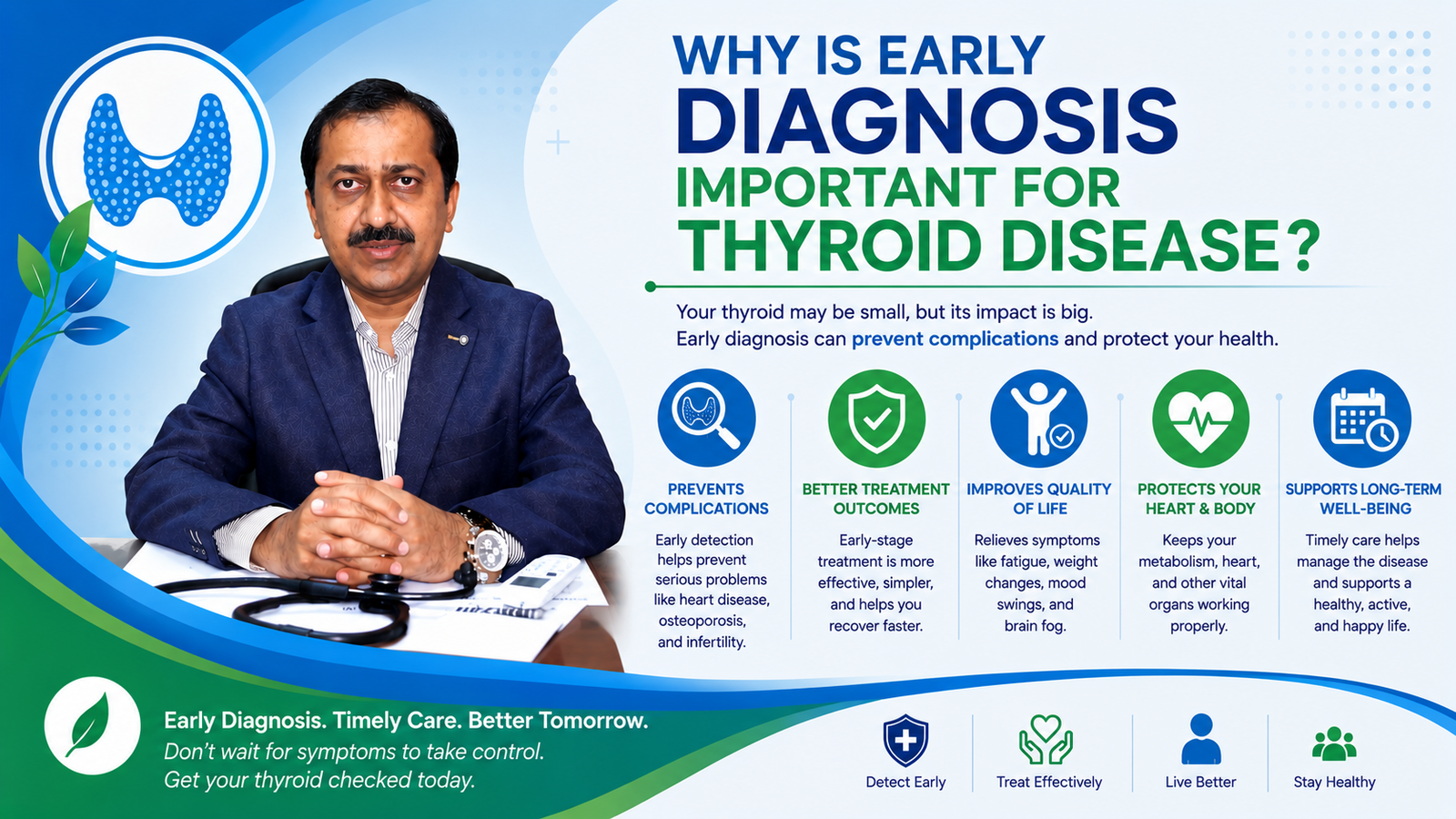
Early diagnosis helps prevent serious complications.
Untreated thyroid disease can affect:
Regular medical checkups become especially important for people with a family history of thyroid disorders.
The frequency depends on your condition.
New patients may need visits every few weeks until hormone levels stabilize. After improvement, many patients continue regular follow-up every few months.Consistent monitoring helps maintain proper hormone balance and prevents complications.
Yes, thyroid disorders can affect people of all ages.
Women are more likely to develop thyroid problems, especially during pregnancy or after childbirth.
Children with thyroid disease may experience:
Early medical care helps manage these issues effectively.
Patients should always understand their condition clearly.
Important questions include:
Clear communication improves patient confidence and treatment success.
Choosing the right doctor plays an important role in successful treatment.
Look for a specialist who:
Reading patient reviews and checking qualifications can also help.
A thyroid specialist is typically referred to as an endocrinologist. This specialist treats hormone-related diseases, including thyroid disorders.
Common early signs include tiredness, weight changes, hair fall, mood swings, dry skin, anxiety, and sleeping problems.
Some thyroid conditions can be controlled very effectively with medicines and lifestyle changes. Treatment depends on the type and severity of the disease.
Doctors commonly recommend TSH, T3, and T4 blood tests to diagnose thyroid disorders and monitor hormone levels.
You should consult a thyroid specialist if you experience constant fatigue, sudden weight changes, neck swelling, rapid heartbeat, or other unusual symptoms for a long time.
Searching for a thyroid doctor in English is often the first step toward better health awareness and proper treatment.
Thyroid diseases may seem small in the beginning, but they can affect the entire body if ignored for too long.
The good news is that most thyroid conditions can be managed successfully with early diagnosis, proper medicines, healthy lifestyle habits, and regular follow-up care.
Paying attention to symptoms and consulting a qualified thyroid specialist can help patients live a healthy and active life.
If you notice unusual weight changes, constant tiredness, mood problems, or neck swelling, do not ignore these warning signs.
Timely medical attention can make a major difference in your health and quality of life.