Subtotal $0.00


Medova is a convenience services to the adaptability, Spacious modern villa living room with centrally placed swimming pool blending indooroutdoor
Medova is a convenience services to the adaptability, Spacious modern villa living room with centrally placed swimming pool blending indooroutdoor
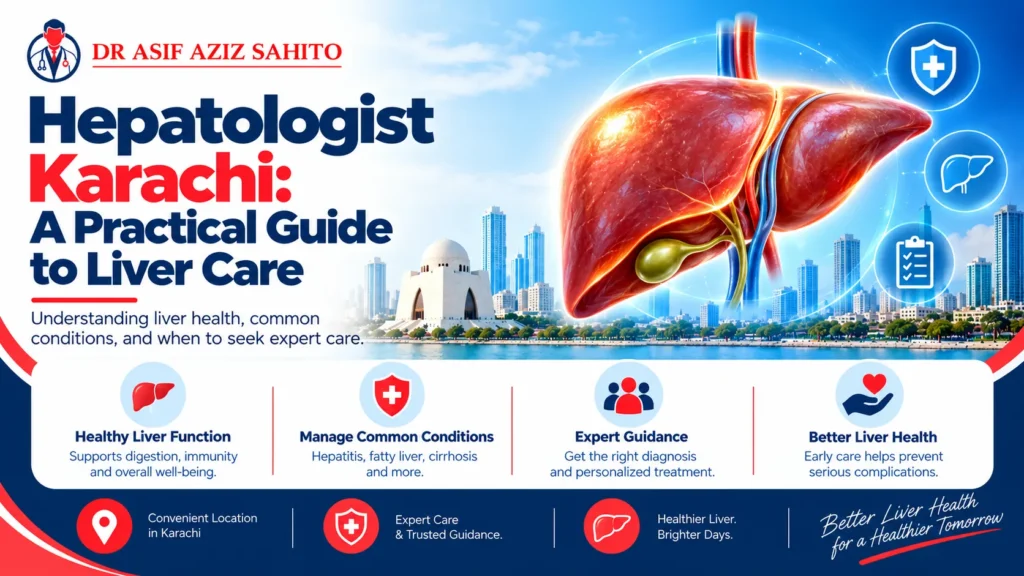
A hepatologist is a doctor who focuses on liver disease. The liver is a large organ in the upper-right part of the abdomen. It helps the body process nutrients. It also supports digestion and removes waste from the blood.
Many health problems can affect the liver. Some develop slowly and cause few early signs. A liver specialist may assess conditions such as:
Not every liver problem needs the same type of care. Some people need regular monitoring. Others may need medicine, further tests, or specialist referral.
A hepatologist mainly focuses on the liver. A gastroenterologist treats a wider range of digestive problems. These may affect the stomach, bowel, pancreas, or other parts of the digestive system.
A Consultant Physician may also assess common liver and medical problems within their training and scope of practice.
Doctor Type | Main Focus | Common Reasons for a Visit |
Hepatologist | Liver conditions | Hepatitis, fatty liver, cirrhosis, abnormal liver tests |
Gastroenterologist | Digestive system | Reflux, ulcers, bowel problems, digestive symptoms |
Consultant Physician | Adult medical care | Initial assessment, chronic illness, liver concerns |
General Physician | General health problems | First check, basic tests, treatment, or referral |
The right doctor depends on your condition. If your main concern is liver disease, choose a doctor with relevant liver experience. If you have complex or advanced liver disease, a referral to a liver specialist may be needed.
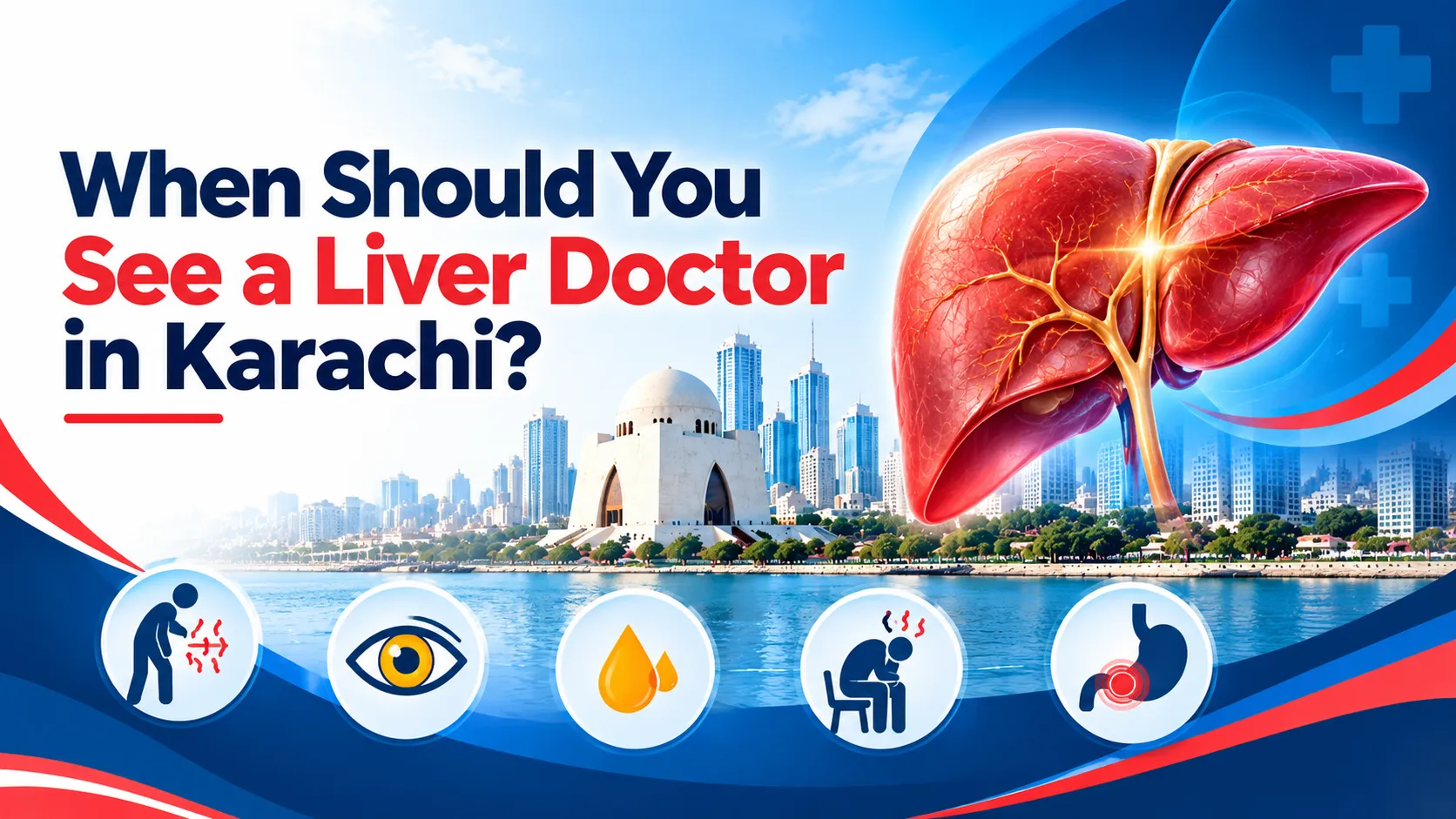
You do not have to wait for severe symptoms. Many liver conditions cause few symptoms at first. Fatty liver disease is one example. Hepatitis C may also stay silent for a long time.
The World Health Organization notes that chronic Hepatitis C can remain unnoticed for years because many people have no early symptoms. You should consider a medical check if you have:
These signs do not always mean liver disease. Other health problems can cause similar symptoms. A doctor can help find the cause.
There are many types of liver disease. The cause and treatment can be different for each one.
Fatty liver develops when too much fat builds up in the liver. Doctors may now use the term metabolic dysfunction-associated steatotic liver disease, or MASLD. Many patients still know it as fatty liver or NAFLD.
Keeping all three terms together is useful because they refer to closely related terminology used in current medical care and patient searches. NIDDK also refers to NAFLD as MASLD. Fatty liver often causes no symptoms.
Some people may feel tired. Others may have mild discomfort on the right side of the abdomen. Risk factors can include excess weight, type 2 diabetes, insulin resistance, and abnormal cholesterol levels.
Treatment depends on the cause and the patient’s health. Weight control, exercise, and management of diabetes or cholesterol may form part of the care plan.
Hepatitis B and C are viral infections that affect the liver. Some people develop symptoms. Others do not know they have the infection until they are tested. A positive hepatitis test may lead to further blood tests. The doctor may also check liver health and signs of liver damage.
Dr. Asif Aziz Sahito’s official website lists Hepatitis B and C and liver disorders among the conditions he manages. Treatment is not the same for every patient. It depends on the type of hepatitis and the stage of the infection.
Cirrhosis means severe scarring of the liver. It can develop after long-term liver damage. Common causes include chronic hepatitis, alcohol-related liver disease, and some forms of fatty liver disease.
Early cirrhosis may cause few signs. Later symptoms may include jaundice, swollen legs, abdominal swelling, easy bleeding, or changes in alertness. Cirrhosis needs regular medical care because it can lead to serious complications.
Abnormal liver tests do not always mean that a person has serious liver disease. A doctor must look at the full picture. This may include your symptoms, past health problems, medicines, supplements, alcohol use, and scan results.
The doctor may also ask about diabetes and cholesterol. One abnormal result is often not enough to make a diagnosis. Further testing may be needed.
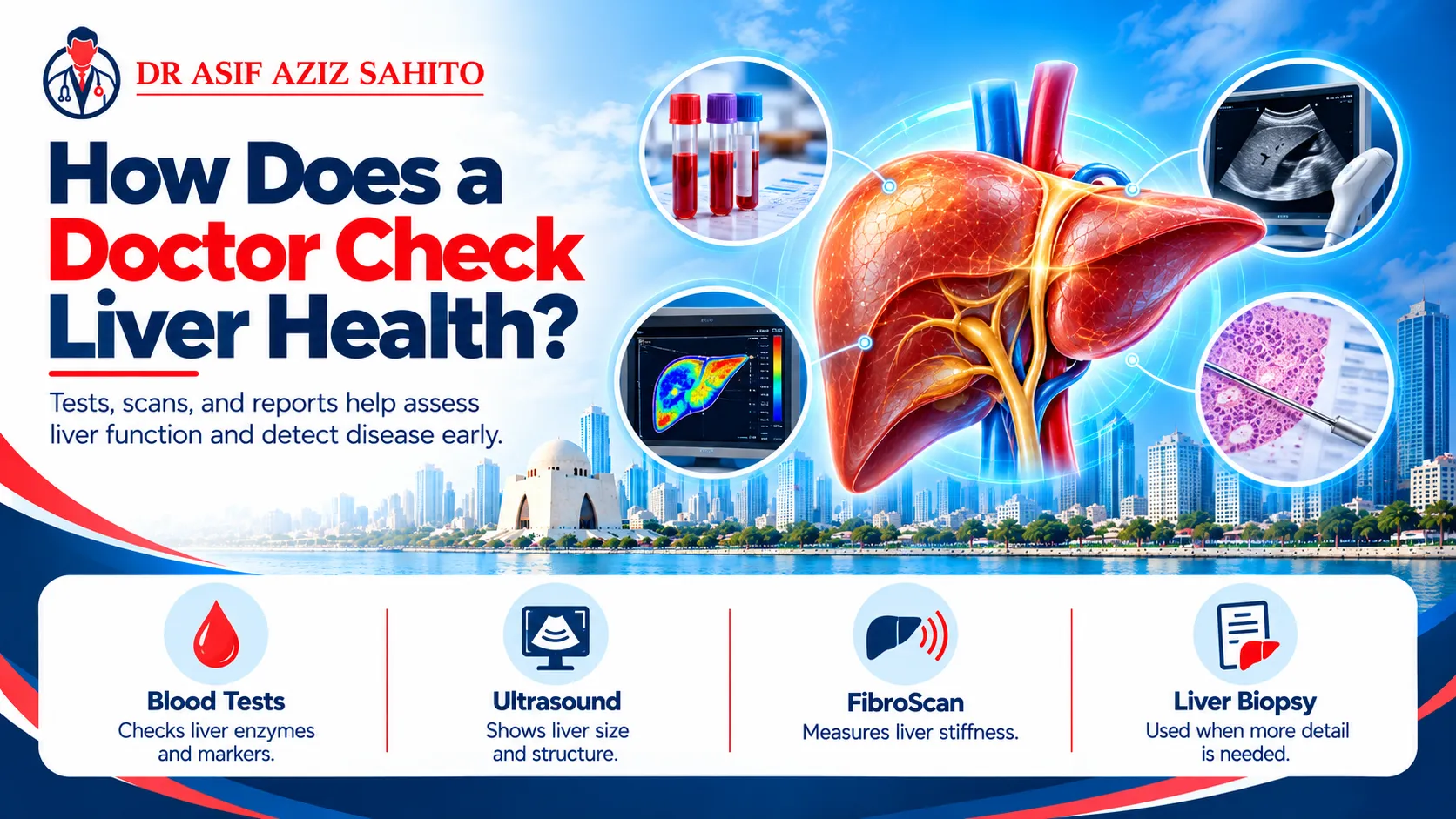
There is no single test that can diagnose every liver condition. The doctor usually starts with your medical history. You may be asked about symptoms, medicines, supplements, alcohol use, and past illnesses. A physical exam may also be done. After that, the doctor may suggest one or more tests.
Blood tests can give useful information about liver health. They may show changes in liver enzymes or other markers. Doctors may also use blood tests to check for viral hepatitis. The meaning of the results depends on the full medical picture.
An ultrasound can show the size and appearance of the liver. In some cases, other scans may be needed. These may include CT or MRI scans. The choice depends on the patient’s condition.
Elastography is a non-invasive test that measures liver stiffness. More stiffness may be a sign of fibrosis, which means liver scarring. FibroScan is a commonly known type of liver stiffness test. It may help doctors assess possible fibrosis without surgery.
NIDDK states that elastography can help assess liver stiffness and possible fibrosis. Not every patient needs this test. The doctor decides if it is useful based on other findings.
A liver biopsy takes a small sample of liver tissue. It is not needed in every case. Doctors may use it when blood tests and scans do not give enough information. It may also help show the type or level of liver damage. NIDDK notes that biopsy may be used when other test results are uncertain.
A first visit usually starts with questions. The doctor may ask when your symptoms began. They may ask about your medicines, previous illnesses, and family history. Previous reports can be very useful. Take your blood reports, ultrasound results, old prescriptions, and discharge papers if you have them.
You should also tell the doctor about any supplements you use. This includes vitamins, herbal products, gym supplements, and traditional remedies. Some products may affect the liver.
After reviewing your health, the doctor may suggest tests or follow-up care. Treatment depends on the cause of the problem.
Many people search for the Best Hepatologist in Karachi or Best Liver Doctor in Karachi. There is no single doctor who is right for every patient. A better approach is to check facts that matter to your condition.
Look at the doctor’s stated medical qualifications. You should also check professional registration when needed.
Choose a doctor who deals with the type of problem you have. For example, a patient with Hepatitis B may have different needs from a patient with advanced cirrhosis.
Some liver conditions need repeat visits and tests. A clinic that is easy to reach can make follow-up simpler.
A good consultation should help you understand your condition. You should know why a test is being ordered and what the next step may be. Ask questions if anything is unclear.
Some liver problems need more advanced care. This may include referral to a gastroenterologist, hepatologist, hospital team, or transplant centre. Referral is part of good medical care when a case needs more specialised treatment.
Choose based on your main health problem. A doctor with liver-focused experience may be suitable for hepatitis, fatty liver, cirrhosis, jaundice, or abnormal liver tests.
A gastroenterologist may be more suitable when your main problem involves the stomach or bowel. These areas can overlap. A Consultant Physician may also provide an initial assessment and decide if referral is needed.
This page focuses on liver care. Digestive conditions such as reflux, stomach ulcers, and bowel problems are separate topics and may need different assessment.
Patients looking for a liver doctor in Karachi may come across Dr. Asif Aziz Sahito. His official website identifies him as a Consultant Physician in Karachi and states that he has more than 17 years of clinical experience. It lists liver disorders and Hepatitis B and C among the conditions he manages.
This distinction is important. The website describes him as a Consultant Physician rather than using the title hepatologist on the About page.
His clinic is listed at:
Room #7, Ground Floor, NCCI/NMI, Depot Lines, Mansfield Street, Muhammad Ali Jinnah Road, Saddar, Karachi 74400. Clinic schedules can change. It is a good idea to confirm the current time before your visit.
A little preparation can save time. Try to bring:
Do not stop a prescribed medicine on your own. Ask the doctor who prescribed it if a change is needed.
Many liver problems can be treated or managed. The type of treatment depends on the cause. Fatty liver does not have the same treatment as viral hepatitis. Cirrhosis also needs a different care plan. Some conditions improve when the cause is treated early.
Cirrhosis involves permanent scarring. However, treatment may still help manage the cause and reduce the risk of further damage. Regular follow-up can also help doctors watch for complications.
Some symptoms need urgent care. Seek emergency medical help if a person has:
Do not wait for a routine appointment if the person looks seriously unwell.