Subtotal $0.00


Medova is a convenience services to the adaptability, Spacious modern villa living room with centrally placed swimming pool blending indooroutdoor
Medova is a convenience services to the adaptability, Spacious modern villa living room with centrally placed swimming pool blending indooroutdoor
A diabetologist is a doctor who focuses on diagnosing, treating, and managing diabetes. Diabetes affects the body’s ability to regulate blood glucose, and managing it can involve much more than checking sugar levels.
Depending on the patient’s condition, a diabetologist may evaluate blood glucose, HbA1c, blood pressure, cholesterol, kidney health, weight, medications, lifestyle factors, and other health risks associated with diabetes. Diabetes management is also different from patient to patient.
A newly diagnosed patient may need help understanding the condition and starting an appropriate treatment plan, while someone who has lived with diabetes for years may need medication adjustment, insulin guidance, or assessment for possible complications. This is why choosing a physician with relevant diabetes and endocrine training can be valuable for patients who need ongoing care.
You do not necessarily have to wait until diabetes becomes difficult to control before consulting a specialist. Some people seek medical advice after noticing symptoms such as excessive thirst, frequent urination, unexplained weight changes, tiredness, blurred vision, or slow-healing wounds.
Others discover elevated blood glucose during a routine medical examination and need help understanding what their results mean.
A diabetes consultation may also be appropriate if you have already been diagnosed, but your blood sugar is frequently outside your recommended range, your medication no longer seems to be working as expected, or you are experiencing repeated episodes of low blood sugar.
Patients with diabetes who also have concerns involving blood pressure, cholesterol, kidney function, nerve symptoms, vision, or foot health may require a broader assessment as part of their ongoing care. The important point is that diabetes care should be based on the individual’s medical situation rather than a single blood sugar reading.
Diabetes is a long-term condition for many patients. Because treatment can change as a person’s health, lifestyle, medications, and glucose control change, continuity of care matters.
A good diabetes specialist should not simply focus on today’s glucose reading. The consultation should consider the patient’s medical history, current treatment, lifestyle, other health conditions, and long-term risk.
For example, two people may both have type 2 diabetes but require completely different treatment approaches. One patient may have well-controlled glucose with lifestyle changes and medication, while another may have persistent hyperglycemia and require a different combination of medicines or insulin.
The goal is therefore not to find a doctor based only on the words “top” or “best.” The more useful question is whether the physician has the appropriate qualifications, experience, communication style, and approach for your particular needs.
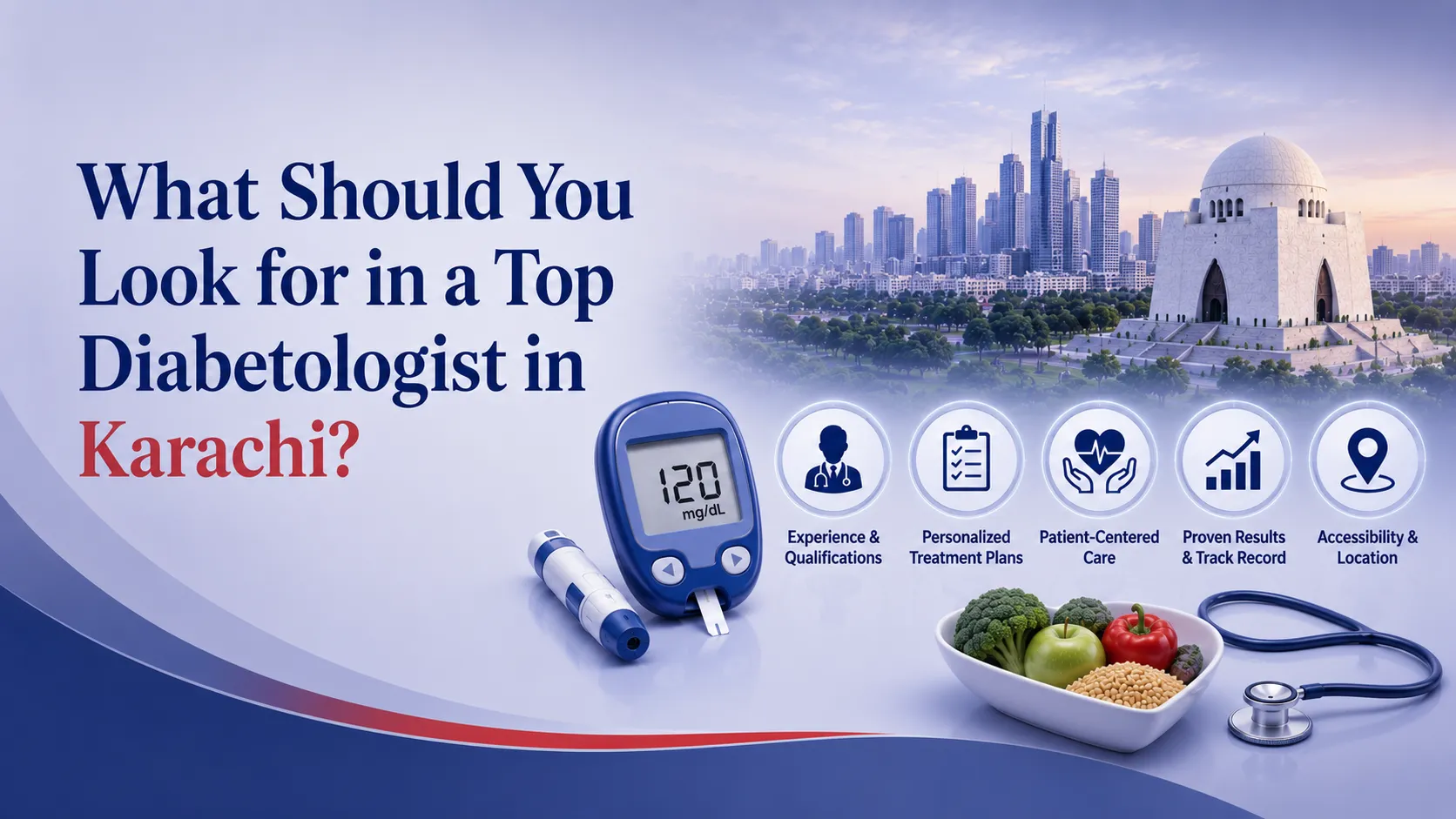
When people search online for a Top Diabetologist in Karachi, they often compare doctors based on experience, qualifications, location, patient reviews, and availability. These factors can help, but medical suitability should remain the priority.
A qualified diabetologist should have appropriate medical training and experience in diabetes management. Patients should also be able to understand their diagnosis and treatment plan after the consultation.
Another important consideration is follow-up. Diabetes management often requires repeated appointments because blood glucose, HbA1c, medication requirements, weight, blood pressure, and other health factors can change over time.
Online reviews can provide insight into patient experience, but they should be considered alongside professional qualifications and clinical expertise rather than being treated as the only measure of a doctor’s quality.
For patients searching for a Top Diabetes doctor in Karachi, Dr. Asif Aziz Sahito provides diabetes care as a Consultant Physician and Diabetologist. He holds MBBS, FCPS Medicine, and M.Sc. in Endocrinology & Diabetes, with 17 years of clinical experience.
His patient-centered practice also covers hypertension, thyroid, liver, and stomach disorders, and preventive healthcare, supporting a comprehensive approach to diabetes management.
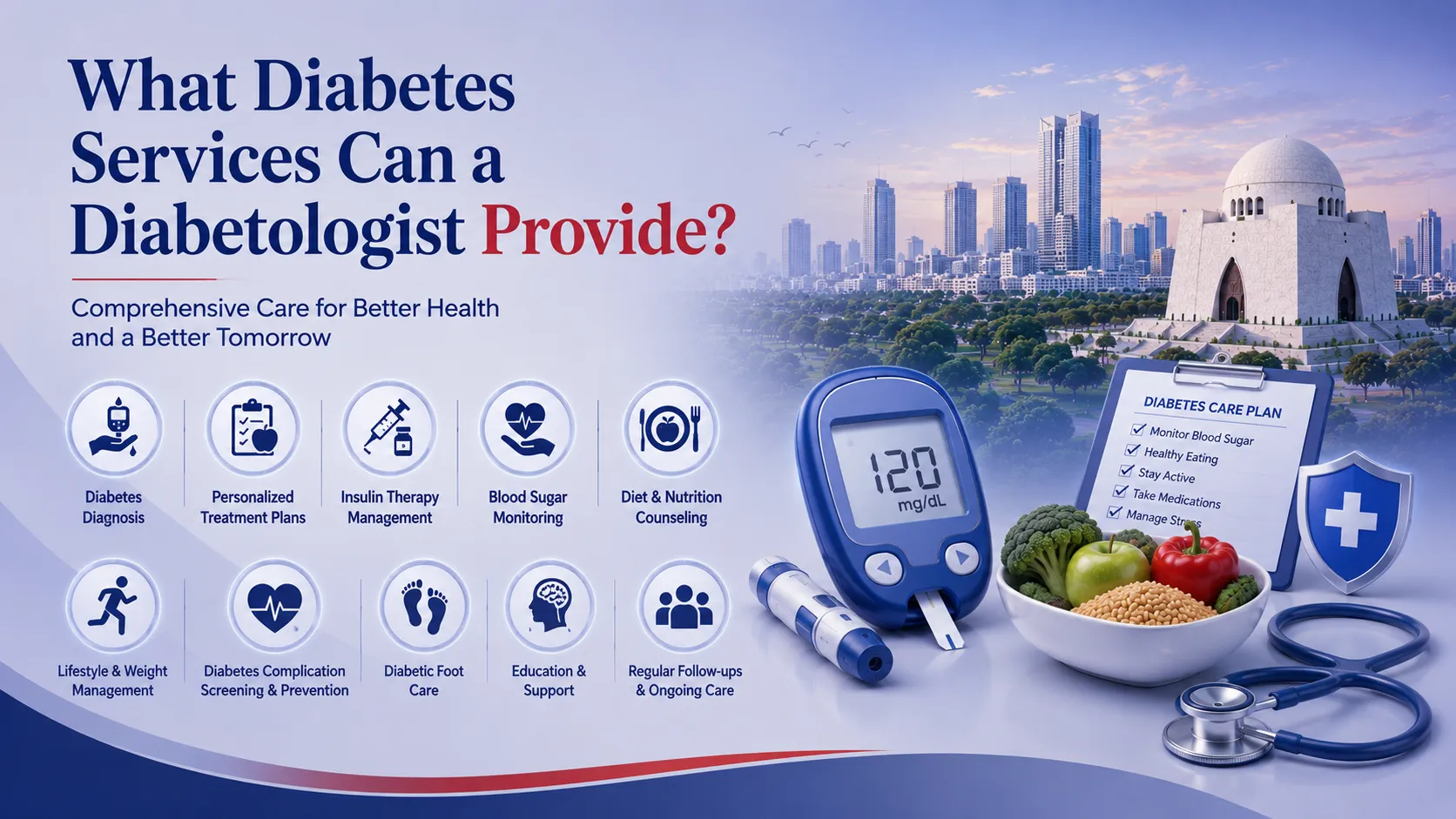
Diabetes care generally begins with understanding the patient’s current health status. The physician may review symptoms, previous diagnoses, medications, laboratory results, family history, eating patterns, physical activity, and other relevant factors.
The exact services depend on the patient’s needs, but diabetes care can include diagnosis, blood glucose assessment, treatment planning, medication review, lifestyle guidance, insulin management when appropriate, and monitoring for complications.
Dr. Asif Aziz’s official diabetes treatment page describes his approach as including diabetes assessment, blood sugar monitoring, medication and insulin management, lifestyle counseling, nutritional guidance, and regular follow-up.
Diabetes Care Area | What It May Involve |
Diagnosis | Reviewing symptoms and appropriate glucose-related tests |
Blood sugar management | Understanding glucose patterns and treatment response |
Medication management | Reviewing existing medicines and adjusting treatment when medically appropriate |
Insulin guidance | Supporting patients who require insulin as part of their treatment |
Lifestyle management | Discussing nutrition, physical activity, weight, and other daily habits |
Long-term monitoring | Assessing diabetes control and watching for potential complications |
Preventive care | Identifying health risks early and supporting long-term disease management |
The purpose of these services is not simply to lower a number on a glucose meter. Effective diabetes management aims to maintain appropriate glucose control while considering the patient’s overall health and reducing the risk of long-term complications.
Many patients feel uncertain about what will happen during their first appointment with a diabetologist.
A consultation generally begins with a discussion of your medical history. The doctor may ask when your symptoms started, whether you have previously been diagnosed with diabetes, what medicines you currently take, and whether you have a family history of diabetes or related conditions.
Previous laboratory reports can also be useful. If you have recently had an HbA1c test, fasting glucose test, lipid profile, kidney-function test, or other relevant investigation, take the reports with you. The doctor may then assess your current health and determine whether additional testing is necessary.
For an existing diabetes patient, the discussion may focus more heavily on glucose control, medication effectiveness, side effects, lifestyle factors, and any symptoms that could suggest complications. The purpose of the consultation is to create a clearer picture of your health rather than making decisions based on one isolated test result.
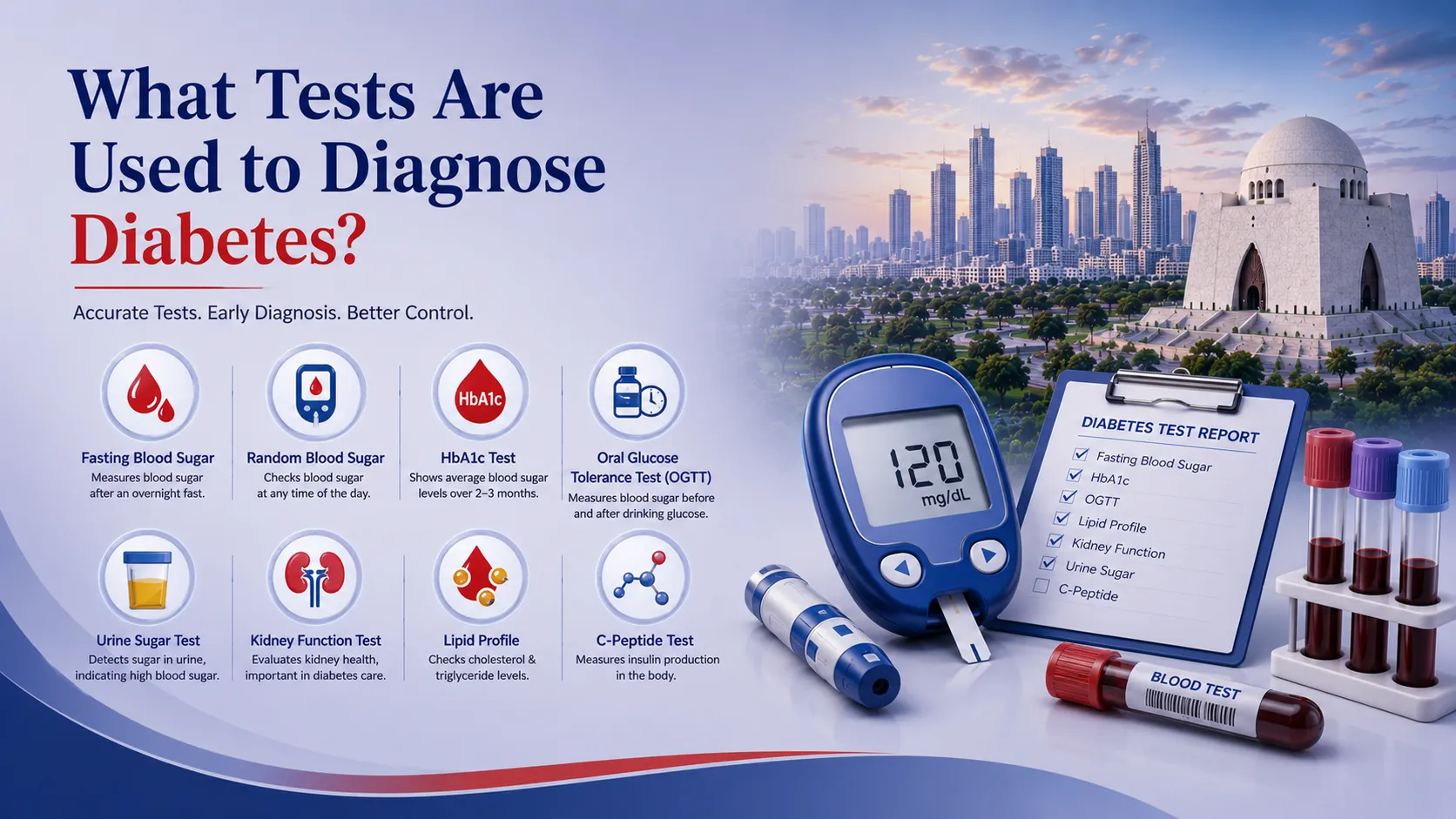
Diabetes cannot always be diagnosed from symptoms alone. Blood tests are used to establish whether glucose levels meet accepted diagnostic criteria. Common tests include HbA1c, fasting plasma glucose, oral glucose tolerance testing, and random plasma glucose in appropriate clinical circumstances.
The American Diabetes Association’s 2026 Standards of Care recognize HbA1c, fasting plasma glucose, and the two-hour glucose measurement during a 75-g oral glucose tolerance test among the tests used for diabetes diagnosis. When there is no unequivocal hyperglycemia, abnormal results generally need appropriate confirmation.
This is one reason it is important not to diagnose yourself solely from an online symptom checklist or a single home glucose reading. A diabetologist can interpret the results in the context of your symptoms, medical history, medications, and overall risk.
Diabetes can develop gradually, and some people may have few noticeable symptoms in the early stages. Without appropriate management, persistently elevated blood glucose can contribute to complications affecting the eyes, kidneys, nerves, blood vessels, and cardiovascular system.
The risk is influenced by factors including the duration of diabetes and how well different health risks are managed. Early medical evaluation allows patients to understand their condition and make informed decisions about treatment and lifestyle.
For someone who has recently discovered elevated blood sugar, the first consultation can therefore be about more than receiving a prescription. It can establish a baseline, identify other risk factors, and provide a practical plan for monitoring the condition. For patients already living with diabetes, regular follow-up can help identify when treatment needs to change.
Location naturally matters when searching for a diabetologist near me in Karachi. Diabetes care may involve regular follow-up, so a clinic that is practical for you to reach can make ongoing care easier. However, proximity should not be the only consideration.
For example, a patient living in Gulshan-e-Iqbal may initially search for a Diabetologist near Gulshan-e-Iqbal, Karachi, while another patient may search around Saddar, Clifton, DHA, North Nazimabad, or another part of the city. The best option depends on the combination of medical expertise, accessibility, appointment availability, and the patient’s specific healthcare requirements.
Dr. Asif Aziz Sahito practices at NCCI/NMI Hospital in Saddar, Karachi. His official website lists his clinic at Room #7, Ground Floor, NCCI/NMI, Depot Lines, Mansfield Street, Muhammad Ali Jinnah Road, Saddar Karachi. For patients elsewhere in Karachi, the practical question is whether the location and appointment schedule are manageable for regular follow-up.
There is no single diabetes plan that works equally well for everyone. Age, weight, activity level, eating habits, kidney function, cardiovascular risk, current medicines, pregnancy status, type of diabetes, and other medical conditions can all influence treatment decisions.
This is particularly important when patients search for the Best diabetes doctor in Karachi because the “best” choice should ultimately be based on the patient’s medical needs rather than a generic ranking.
A doctor who specializes in diabetes management can help patients understand why a particular treatment has been recommended and what needs to be monitored as treatment continues.
For many patients, the relationship with their doctor becomes an ongoing partnership. The aim is to make diabetes management understandable and practical rather than overwhelming.
Before your appointment, gather your previous medical reports and make a note of the medicines you currently take. If you regularly check your blood glucose at home, bring recent readings as well.
You should also mention any symptoms that have appeared since your last consultation, even if they seem unrelated to diabetes. This information can help the physician build a more complete picture of your current health and make the consultation more productive.
Diabetes treatment is not limited to reducing blood sugar. A comprehensive treatment plan considers the patient’s overall health, the type of diabetes, current glucose levels, other medical conditions, lifestyle, and the risk of future complications.
For some people, lifestyle changes may be an important part of treatment. For others, medication is needed from the beginning. Some patients may eventually require insulin or other injectable treatments. The appropriate approach depends on the individual and should be determined by a qualified healthcare professional.
This is why a consultation with a Top Diabetes doctor in Karachi should focus on understanding the patient’s circumstances rather than following a standard treatment plan designed for everyone.
Type 2 diabetes is the most common form of diabetes. It develops when the body does not use insulin effectively and, over time, may also produce insufficient insulin to maintain normal blood glucose levels. Treatment can involve lifestyle changes, oral medicines, injectable medicines, insulin, or combinations of these approaches.
The choice of treatment can depend on factors such as the patient’s glucose levels, kidney function, cardiovascular health, weight, other medications, possible side effects, cost, and personal preferences. A diabetes specialist can review these factors and explain why a particular treatment option may be appropriate.
Type 1 diabetes is different because the body produces little or no insulin due to an autoimmune process affecting insulin-producing pancreatic cells.
People with type 1 diabetes generally require insulin for survival. Their management also involves monitoring glucose levels, understanding carbohydrate intake, recognizing low blood sugar, and knowing how to respond to changes in glucose.
Patients with type 1 diabetes may benefit from specialist care that is familiar with insulin management and the practical challenges of living with an insulin-dependent condition.
HbA1c is one of the most commonly discussed tests during diabetes follow-up. Unlike a single glucose measurement, HbA1c provides an estimate of average blood glucose over approximately the previous two to three months. It can therefore help a physician evaluate longer-term glucose control.
However, HbA1c should not be interpreted in isolation. A patient’s home glucose readings, symptoms, medication use, episodes of low blood sugar, and other medical factors can all provide important information.
For example, two patients may have a similar HbA1c but very different daily glucose patterns. One may experience frequent highs and lows, while another may have relatively stable readings. Their treatment considerations may therefore differ.
This is why a Best Diabetes doctor in Karachi should evaluate the broader clinical picture rather than focusing on a single laboratory value.
This is one of the questions patients frequently ask after receiving an abnormal blood sugar result. The answer depends on the type and severity of diabetes and the patient’s individual circumstances.
Some people with prediabetes or early type 2 diabetes may significantly improve their glucose levels through weight management when appropriate, healthier eating patterns, regular physical activity, and other lifestyle changes. However, lifestyle changes are not a universal substitute for medication.
Some patients require medication to achieve safe glucose control, and people with type 1 diabetes require insulin. Patients should therefore discuss treatment decisions with their physician rather than stopping prescribed medication on their own. The goal is to find an effective and sustainable treatment strategy that fits the patient’s medical needs.
Food has a direct relationship with blood glucose, but diabetes nutrition is not simply about completely avoiding sugar. The amount and type of carbohydrates, overall calorie intake, meal patterns, protein, fiber, physical activity, and individual metabolic factors can all influence glucose levels.
A practical diabetes eating plan should be realistic enough for the patient to maintain over time. For example, a person who regularly eats traditional Pakistani meals does not necessarily need to abandon familiar foods. Instead, portion sizes, meal composition, cooking methods, and overall dietary balance may need to be considered.
This is where individualized nutritional guidance can be more useful than following a generic “diabetes diet” found online.
Regular physical activity can support glucose management, cardiovascular health, fitness, and overall well-being. However, exercise recommendations should consider the individual’s age, fitness level, medications, glucose levels, cardiovascular health, and other medical conditions.
People using insulin or certain glucose-lowering medicines may also need to understand how physical activity can affect blood sugar and how to reduce the risk of hypoglycemia. A physician can help determine what type and level of activity is appropriate for a particular patient.
Good diabetes care includes more than checking glucose. Persistently elevated blood glucose can contribute to problems affecting multiple parts of the body. These can include diabetic eye disease, kidney disease, nerve damage, cardiovascular disease, and foot complications.
Importantly, not every person with diabetes develops these problems. Good management and appropriate screening can help reduce risk and identify complications earlier.
Diabetes can affect the blood vessels in the retina and may eventually lead to diabetic retinopathy. Some people with diabetic eye disease have no noticeable symptoms during the early stages. This is why appropriate eye screening is important even when vision seems normal.
The American Diabetes Association recommends appropriate diabetic retinopathy screening based on diabetes type, duration, age, and other clinical circumstances.
The kidneys are another important area of diabetes care. Diabetes can affect kidney blood vessels and gradually impair kidney function. Regular assessment can help identify early kidney problems before significant symptoms develop.
Depending on the patient’s situation, monitoring may include blood tests that evaluate kidney function and urine testing for albumin.
Diabetes-related nerve damage can cause numbness, tingling, burning, pain, or reduced sensation in the feet. Reduced sensation can make it easier for a person to overlook a small cut, blister, or wound. For this reason, foot health deserves attention during diabetes care.
Patients should report persistent numbness, unexplained foot pain, wounds that do not heal, changes in skin color, or other unusual foot symptoms to a healthcare professional.
Diabetes is also associated with increased cardiovascular risk. For this reason, diabetes management often includes attention to blood pressure, cholesterol, smoking status, weight, physical activity, and other cardiovascular risk factors. A comprehensive diabetes consultation should therefore look beyond glucose alone.
Not every high glucose reading is an emergency, but certain symptoms can indicate a serious medical problem. Severe weakness, confusion, difficulty breathing, persistent vomiting, dehydration, loss of consciousness, or other significant changes in health require urgent medical assessment.
People with diabetes should understand the warning signs relevant to their condition and follow the emergency plan provided by their healthcare professional. If you are experiencing severe symptoms, do not wait for a routine appointment with a diabetologist.
A general physician can diagnose and manage many common medical conditions, including diabetes. A diabetologist, however, has a particular focus on diabetes and related metabolic problems. This can be especially useful when diabetes is difficult to control, treatment becomes complicated, or the patient has multiple diabetes-related concerns.
In some situations, an endocrinologist may also be involved, particularly when diabetes occurs alongside complex hormonal disorders. The appropriate specialist depends on the patient’s individual circumstances.
For someone specifically looking for a diabetologist near me in Karachi, checking the physician’s diabetes-related qualifications and experience can therefore be an important part of the selection process.
Diabetes management changes over time. A patient may initially respond well to a particular treatment and later require adjustment. Weight may change, kidney function may change, other medications may be introduced, or new health conditions may develop.
Experience can help a physician recognize patterns and consider how different factors may affect treatment. Dr. Asif Aziz Sahito’s professional profile lists 17 years of experience, along with MBBS, FCPS Medicine, and M.Sc. in Endocrinology & Diabetes. His official profile also identifies diabetes management as one of his areas of clinical practice. (marham.pk)
His work as a Consultant Physician and Diabetologist also means that diabetes care is considered within the broader context of internal medicine rather than as an isolated health issue. (ncci.org.pk)
Medical treatment works best when patients understand their condition and can realistically follow their care plan. Rather than trying to make dozens of changes at once, patients can work with their physician to identify the most important priorities.
For many people, these may include taking prescribed medicines consistently, monitoring glucose as recommended, improving food choices, maintaining appropriate physical activity, attending follow-up appointments, and completing recommended screening. The exact priorities should be individualized.
Patients often leave medical appointments remembering the diagnosis but forgetting the practical instructions. Asking clear questions can make the consultation more useful. You may want to ask:
The answers will depend on your individual medical situation, which is why personalized medical advice is more useful than applying generic recommendations from the internet.
Patients searching for a Diabetologist near Gulshan-e-Iqbal, Karachi may prioritize convenience, particularly if regular follow-up is expected. Gulshan-e-Iqbal is a large and busy area, and patients may also consider specialists in nearby neighborhoods if they offer suitable expertise and appointment availability.
If you are willing to travel for the right physician, consider the overall quality and suitability of care rather than restricting your search only to a specific neighborhood. For patients considering Dr. Asif Aziz Sahito, his clinic is located in the Saddar area of Karachi. Checking the current clinic schedule before visiting is advisable because appointment arrangements can change.
Not necessarily. The right physician for one patient may not be the right physician for another. Someone recently diagnosed with type 2 diabetes may need extensive education and help establishing a sustainable treatment routine. Another patient may need insulin adjustment or evaluation of diabetes-related complications.
Someone with diabetes and thyroid disease, hypertension, liver problems, or other medical concerns may prefer a physician who can assess these issues together. Therefore, when searching for the Best diabetes doctor in Karachi, think about the type of care you actually need.
A useful doctor-patient relationship should make it easier to understand your condition, discuss concerns openly, follow a treatment plan, and return for appropriate monitoring.
Dr. Asif Aziz Sahito’s official website describes his practice as patient-centered and lists diabetes management among his core areas of care. His professional background combines internal medicine with additional training in endocrinology and diabetes. (drasifazizsahito.com)
This combination is relevant because many adults with diabetes have other medical conditions that need to be considered alongside glucose control.
His listed areas of practice include diabetes, hypertension, thyroid conditions, liver and stomach disorders, asthma, and other internal medicine concerns. (drasifazizsahito.com) For a patient, this means the consultation can focus on the broader health picture rather than treating a glucose reading in isolation.
If you have repeatedly elevated blood sugar, abnormal HbA1c results, symptoms that could indicate diabetes, difficulty controlling an existing diagnosis, or concerns about your current treatment, it is reasonable to discuss your situation with a qualified physician.
For patients searching for a diabetologist near me in Karachi, choosing a doctor who can provide both diabetes-focused care and broader medical assessment may be particularly useful when multiple health concerns are present.
Dr. Asif Aziz Sahito is a Consultant Physician and Diabetologist in Karachi with listed qualifications including MBBS, FCPS Medicine, and M.Sc. Endocrinology & Diabetes. His clinical profile lists 17 years of experience, while his official website highlights diabetes management and patient-centered medical care. (marham.pk)