Subtotal $0.00


Medova is a convenience services to the adaptability, Spacious modern villa living room with centrally placed swimming pool blending indooroutdoor
Medova is a convenience services to the adaptability, Spacious modern villa living room with centrally placed swimming pool blending indooroutdoor
Searching for a diabetologist near me in Karachi often means you need professional help with high blood sugar, diabetes medication, or long-term diabetes management. Effective care goes beyond prescribing medicine; it includes monitoring blood glucose, lifestyle guidance, treatment adjustments, and prevention of complications.
Dr. Asif Aziz Sahito, a Consultant Physician in Saddar, Karachi, provides diabetes management and ongoing medical care based on individual patient needs.
This guide explains when to see a diabetologist, what diabetes treatment involves, and how to choose the right Diabetes Specialist in Karachi.
A diabetologist is a doctor experienced in diagnosing, treating, and monitoring diabetes. A diabetes specialist may help with Type 1 diabetes, Type 2 diabetes, prediabetes, blood sugar monitoring, medication management, insulin guidance, lifestyle modification, and prevention of diabetes-related complications.
If your blood glucose remains difficult to control, your HbA1c is above your recommended target, you experience symptoms associated with high or low blood sugar, or you have recently been diagnosed, scheduling a medical evaluation is important.
The right doctor should not only focus on today’s glucose reading. Diabetes management works best when treatment takes into account your medical history, lifestyle, medications, risk factors, and long-term health.
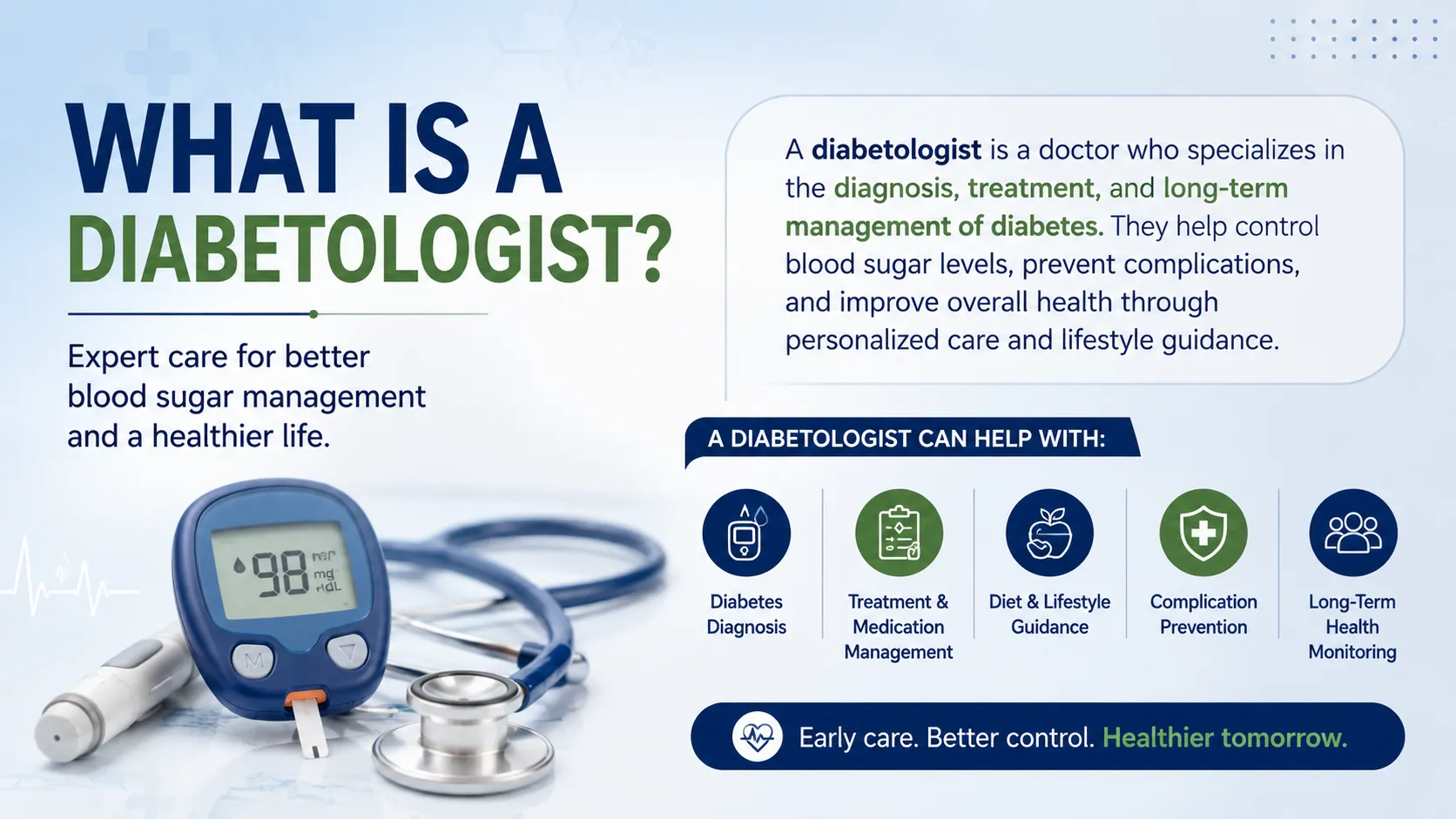
A diabetologist is a physician with a particular clinical focus on diabetes and its management. The goal is to help patients maintain appropriate blood glucose levels while reducing their risk of complications.
Diabetes care may involve blood tests, medication, insulin when indicated, nutrition guidance, physical activity, weight management, and regular monitoring.
A diabetologist can also identify situations where additional specialist care is needed. For example, diabetes can affect the kidneys, eyes, nerves, cardiovascular system, and feet. Coordinated care may therefore involve other healthcare professionals depending on the patient’s condition.
You do not necessarily need to wait until diabetes becomes difficult to manage before seeing a doctor. An evaluation may be appropriate if you have symptoms suggesting abnormal blood glucose or if routine testing identifies elevated glucose levels.
Common reasons to consult a diabetes doctor include:
These symptoms do not automatically mean that someone has diabetes. Several medical conditions can produce similar symptoms, which is why appropriate medical evaluation and testing are important.
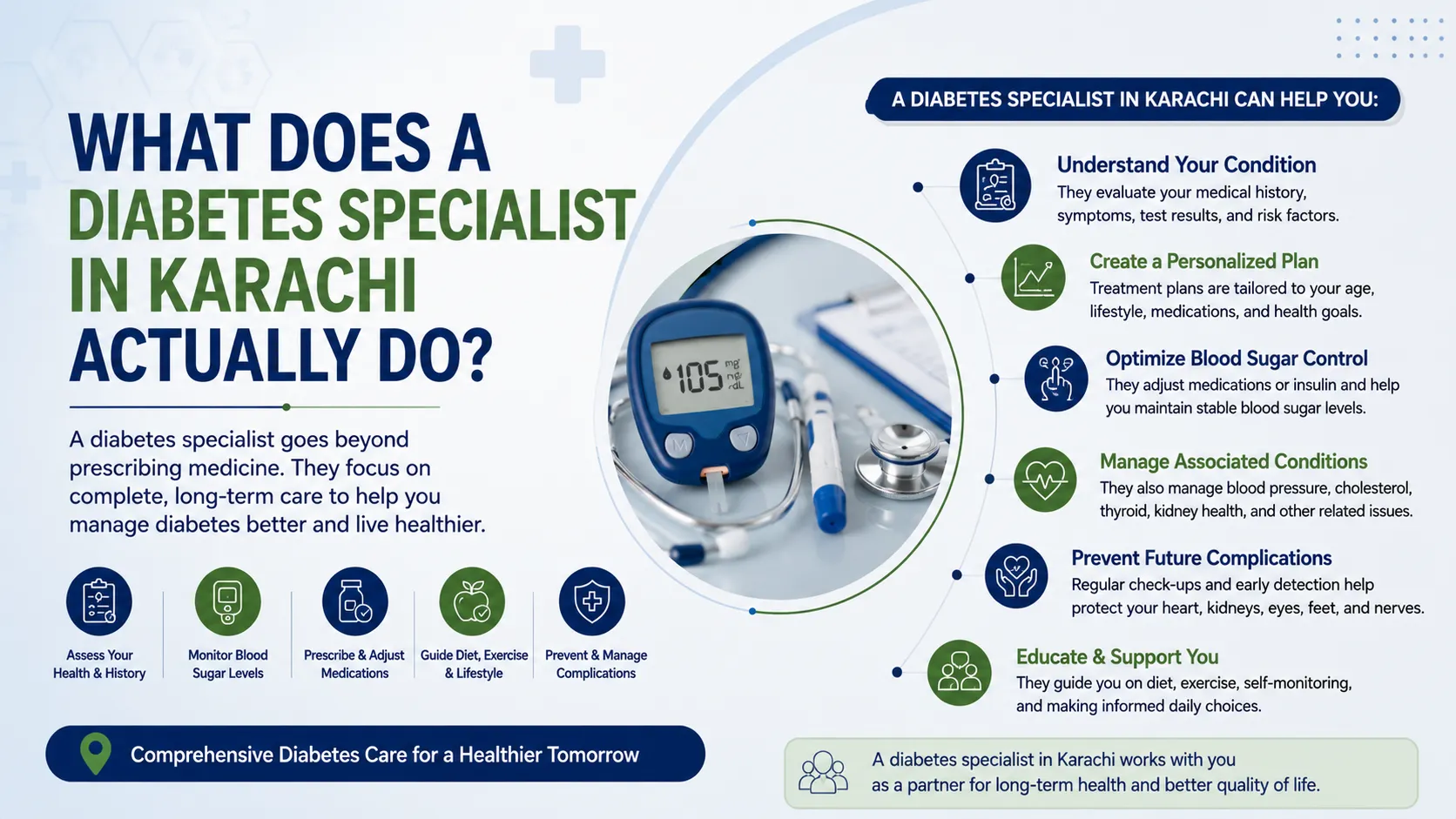
A Diabetes Specialist in Karachi evaluates much more than a single blood sugar reading. During an initial consultation, the doctor may review your symptoms, previous laboratory results, current medications, family history, diet, physical activity, body weight, blood pressure, and other medical conditions.
The doctor can then determine whether additional investigations are needed and develop an individualized management plan.
For someone with established diabetes, treatment may focus on identifying why glucose levels are outside the desired range. Possible factors include diet, inconsistent medication use, inadequate medication response, illness, stress, limited physical activity, or weight changes. The objective is to understand the pattern rather than simply react to one glucose reading.
Doctors use established laboratory tests to diagnose and monitor diabetes. The exact tests required depend on the patient’s symptoms, history, previous results, and current treatment.
Test or Assessment | What It Helps Evaluate | Why It May Be Useful |
Fasting Blood Glucose | Blood glucose after fasting | Helps assess glucose regulation |
HbA1c | Average blood glucose over roughly 2–3 months | Useful for diagnosis and long-term monitoring |
Random Blood Glucose | Glucose at the time of testing | May help evaluate symptomatic patients |
Oral Glucose Tolerance Test | Response to a measured glucose load | Used in selected diagnostic situations |
Kidney Tests | Kidney function and possible diabetes-related changes | Important because diabetes can affect the kidneys |
Lipid Profile | Cholesterol and triglycerides | Helps assess cardiovascular risk |
Blood Pressure | Cardiovascular health | Hypertension commonly requires attention in diabetes care |
Foot Assessment | Circulation, sensation, skin and wounds | Helps identify potential foot complications |
Not every patient needs every investigation at every appointment. Your doctor determines the appropriate testing schedule based on your individual situation.
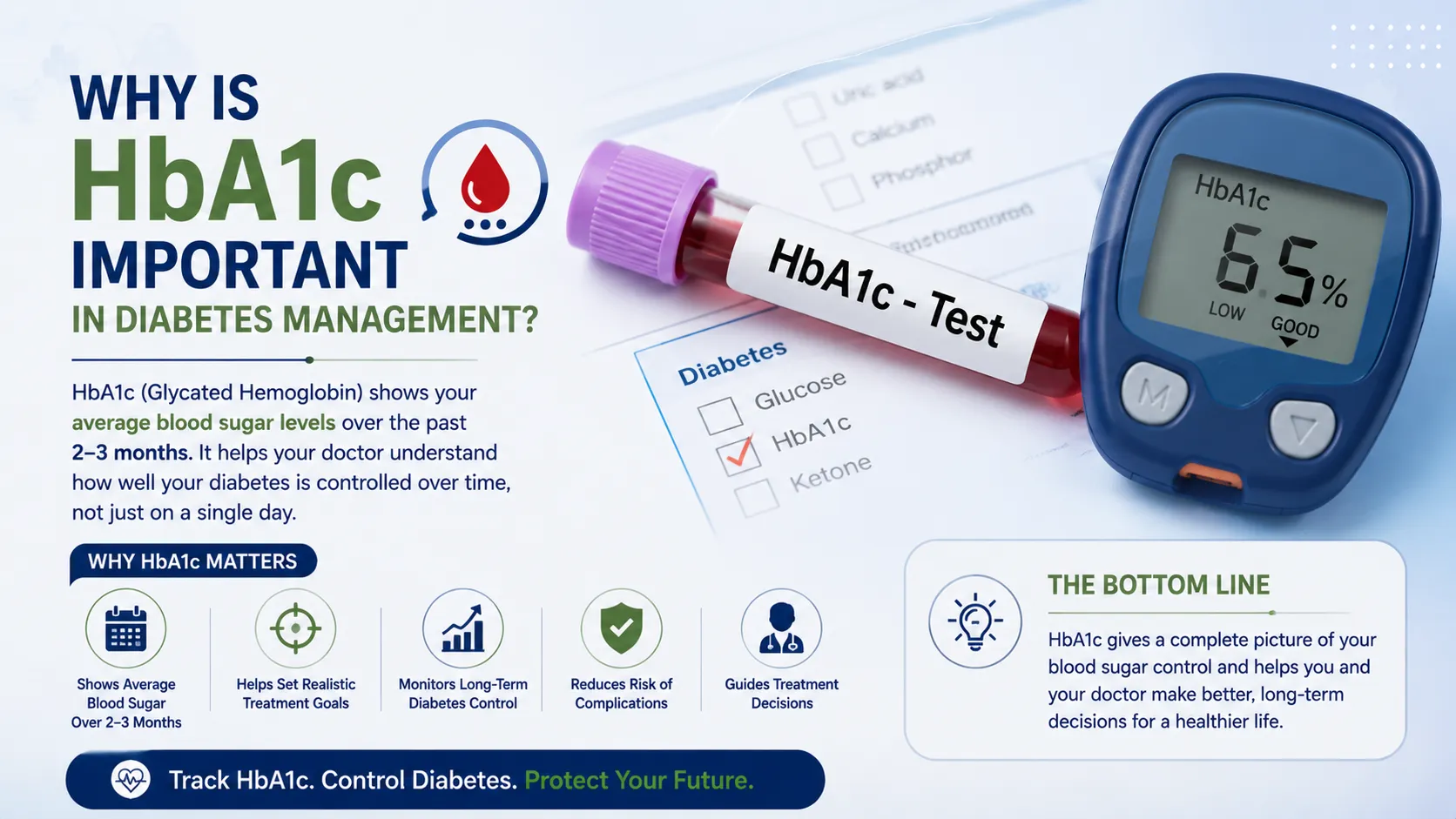
HbA1c is an important tool because it provides information about average blood glucose over approximately the previous two to three months. Home glucose monitoring can tell you what your blood glucose is at particular moments. HbA1c provides a broader picture.
However, an HbA1c number should not be interpreted in isolation. Appropriate targets can differ according to factors such as age, type of diabetes, medications, other health conditions, and risk of hypoglycemia. Your doctor can determine an appropriate target and monitoring schedule for your individual circumstances.
There is no single treatment plan that works for every person with diabetes. Effective management is individualized. A person with early Type 2 diabetes may require a different approach from someone who has lived with diabetes for many years. Likewise, treatment for Type 1 diabetes differs significantly from treatment for prediabetes or gestational diabetes.
Depending on the diagnosis and clinical situation, management can involve nutrition changes, regular physical activity, weight management, oral or injectable medications, insulin therapy, glucose monitoring, and management of related conditions such as hypertension or abnormal cholesterol.
The treatment plan should be reviewed periodically because diabetes can change over time.
No. Whether insulin is needed depends on the type of diabetes and the patient’s individual condition. People with Type 1 diabetes require insulin because their bodies do not produce enough insulin to meet their needs.
Many people with Type 2 diabetes can initially manage their condition through lifestyle measures and non-insulin medications. Some eventually require insulin or other injectable treatment to achieve appropriate glucose control.
Needing insulin should not be viewed as a personal failure. Diabetes is a progressive condition in many people, and treatment sometimes needs to change as the body’s insulin production and response change. Medication or insulin should only be started, stopped, or adjusted with appropriate medical guidance.
Persistently elevated blood glucose can gradually damage blood vessels and nerves. Over time, poorly controlled diabetes can increase the risk of cardiovascular disease, kidney disease, vision problems, nerve damage, foot problems, infections, and slow wound healing. This is why diabetes treatment is not only about reducing today’s glucose reading.
A good long-term strategy also addresses blood pressure, cholesterol, kidney health, eye health, weight, physical activity, smoking status where relevant, and other cardiovascular risk factors. Regular monitoring can help identify changes before they develop into more serious problems.
Lifestyle management is an important part of diabetes care, particularly for people with Type 2 diabetes and prediabetes. A sustainable approach is usually more useful than an extremely restrictive diet that cannot be maintained.
People with diabetes are generally encouraged to pay attention to portion sizes, carbohydrate quality and quantity, vegetables, protein sources, fiber, sugary drinks, highly processed foods, and overall calorie intake where weight reduction is appropriate.
Regular physical activity can also improve insulin sensitivity and support cardiovascular health, weight management, and general well-being.
The best diet and exercise strategy depends on the individual’s medications, glucose levels, age, weight, health conditions, and lifestyle. Patients using insulin or medications that can cause low blood sugar may need specific guidance about exercise and meal timing.
Yes. Managing diabetes does not necessarily mean abandoning traditional Pakistani meals. The more useful approach is often to adjust portions, ingredients, preparation methods, and meal balance.
For example, instead of thinking only about whether roti or rice is “allowed,” consider the total carbohydrate portion and what accompanies it. Adding vegetables and an appropriate protein source can produce a more balanced meal.
Sugary drinks, excessive sweets, oversized carbohydrate portions, and frequent highly processed foods can make glucose management more difficult. A diabetes-friendly diet should be realistic enough to become part of everyday life rather than a short-term punishment.
Search terms such as Best Diabetes doctor in Karachi near me, Top Diabetologist in Karachi, and Best diabetes doctor in Karachi are common, but there is no universal “best” doctor for every patient. The better question is whether the doctor is appropriate for your particular needs.
Look for a physician who has relevant experience in diabetes care, listens carefully to your concerns, reviews your medical history, explains test results clearly, creates an individualized treatment plan, monitors long-term progress, and refers to other specialists when necessary.
Accessibility also matters. Diabetes frequently requires ongoing follow-up, so choosing a clinic that you can realistically revisit can improve continuity of care.
For patients looking for diabetes management in Karachi, Dr. Asif Aziz Sahito provides diabetes care as part of his Consultant Physician practice. According to his official website, Dr. Asif Aziz has more than 17 years of clinical experience and provides care for both chronic and acute medical conditions.
His listed clinical services include diabetes management and long-term care, as well as management of blood pressure, thyroid conditions, liver and stomach disorders, respiratory conditions, and general health concerns.
His diabetes care focuses on assessment, blood glucose monitoring, medication management, lifestyle guidance, and ongoing follow-up based on individual patient needs. The clinic is located at Room #7, Ground Floor, NCCI/NMI, Depot Lines, Mansfield Street, Muhammad Ali Jinnah Road, Saddar, Karachi 74400.
For someone searching online for a diabetologist near me in Karachi, location is only one consideration. Clinical experience, continuity of care, clear communication, individualized treatment, and the ability to manage related medical conditions are also important when selecting a physician.
Preparing before your consultation can help the doctor understand your condition more efficiently. If available, bring previous fasting glucose and HbA1c reports, kidney and cholesterol tests, a list of current medications and doses, recent glucose-monitoring records, information about previous diabetes treatments, and relevant medical records.
It can also help to write down any symptoms or questions beforehand. For example, tell your doctor if your glucose frequently drops too low, rises after particular meals, remains high despite medication, or changes significantly at certain times of day. Patterns can provide useful information for treatment decisions.
The appropriate follow-up schedule varies. Someone whose treatment has recently changed or whose blood glucose is poorly controlled may need more frequent appointments. A patient with stable diabetes may require less frequent visits while continuing recommended monitoring.
Follow-up appointments allow your doctor to review glucose patterns, HbA1c, medications, blood pressure, weight, possible side effects, and signs of complications. Diabetes is a long-term condition, so continuity is often more valuable than relying only on occasional visits when symptoms become severe.
Most diabetes management takes place through scheduled medical care, but certain situations can require urgent attention.
Severe confusion, loss of consciousness, seizures, severe dehydration, persistent vomiting, breathing difficulty, or symptoms of severe hypoglycemia that do not improve appropriately can require urgent medical assessment.
People using insulin should also understand the warning signs and management of low blood sugar according to the instructions provided by their healthcare professional. Do not wait for a routine clinic appointment when symptoms suggest a medical emergency.
Type 2 diabetes cannot always be prevented because genetics and other factors also influence risk. However, people at increased risk can often take meaningful steps to reduce that risk.
Maintaining a healthy weight, staying physically active, following a balanced diet, avoiding tobacco, getting appropriate health screenings, and addressing high blood pressure or abnormal cholesterol can support metabolic and cardiovascular health.
Prediabetes is particularly important because it provides an opportunity to intervene before blood glucose progresses further. If blood tests indicate prediabetes, discuss your individual risk and prevention strategy with a doctor.
Claims of guaranteed or permanent diabetes cures should be approached carefully. Type 1 diabetes currently requires ongoing insulin treatment. Type 2 diabetes can sometimes enter remission, particularly after substantial and sustained weight loss in appropriate individuals, but remission is not the same as guaranteeing that diabetes can never return.
Effective diabetes care should focus on evidence-based treatment, sustainable glucose control, prevention of complications, and overall health rather than unrealistic promises.
A diabetologist focuses specifically on diabetes care, while an endocrinologist specializes more broadly in diseases involving hormones and the endocrine system. Both may manage diabetes. An endocrinologist may be particularly relevant when diabetes occurs alongside complex hormonal or endocrine disorders.
Depending on the patient’s situation, diabetes may also be managed by physicians with substantial experience in diabetes and internal medicine. What matters is choosing a qualified clinician with appropriate expertise for the complexity of your condition.
A diabetologist is a doctor focused on diagnosing, treating, and monitoring diabetes and helping patients reduce the risk of diabetes-related complications.
Consider an evaluation after abnormal glucose results, a new diabetes diagnosis, persistent symptoms, difficulty controlling blood sugar, medication concerns, or suspected complications.
Different qualified doctors provide diabetes care across Karachi. Dr. Asif Aziz Sahito is a Consultant Physician in Saddar whose clinical services include diabetes management and long-term care.
Location matters, but also consider qualifications, diabetes-management experience, communication, treatment approach, follow-up availability, and whether the doctor can coordinate care for related conditions.
The schedule depends on your condition, treatment, and previous results. Your healthcare professional should determine how frequently HbA1c testing is appropriate for you.
Some people with prediabetes or selected cases of Type 2 diabetes can achieve major improvements through lifestyle changes, but others require medication or insulin. Never stop prescribed treatment without medical advice.
Lifestyle and nutrition guidance are important parts of diabetes management. Some patients may also benefit from consultation with a qualified dietitian.
Searching for a diabetologist near me in Karachi is about finding reliable, ongoing diabetes care, not simply the nearest clinic. Effective management includes blood sugar monitoring, appropriate medication, lifestyle guidance, and regular follow-ups.
Dr. Asif Aziz Sahito, a Diabetes Specialist in Karachi with over 17 years of clinical experience, provides personalized diabetes management at his clinic in Saddar.
If your blood sugar is difficult to control or you have recently been diagnosed, book an appointment with Dr. Asif Aziz Sahito for professional evaluation and ongoing diabetes care.
Medical note: This article provides general educational information and is not a substitute for diagnosis or individualized medical advice from a qualified healthcare professional.