Subtotal $0.00


Medova is a convenience services to the adaptability, Spacious modern villa living room with centrally placed swimming pool blending indooroutdoor
Medova is a convenience services to the adaptability, Spacious modern villa living room with centrally placed swimming pool blending indooroutdoor
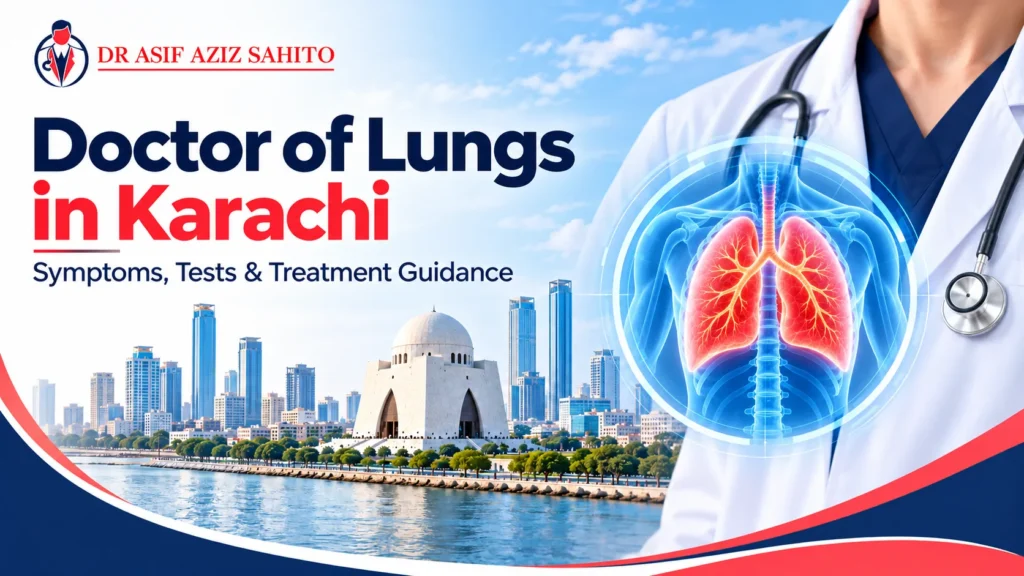
A doctor of lungs is called a pulmonologist. A pulmonologist is a medical specialist who diagnoses and treats diseases of the lungs and respiratory system. The respiratory system includes the lungs, airways, and other structures that help you breathe.
Pulmonologists care for people with asthma, chronic obstructive pulmonary disease (COPD), pneumonia, and other lung conditions. Some pulmonologists also manage complex breathing disorders and help patients who need advanced respiratory care.
However, not every breathing problem requires a pulmonologist. A Consultant Physician can also assess many common symptoms, such as coughing, fever, wheezing, and shortness of breath. The physician may recommend tests, begin treatment, or refer the patient to a lung specialist when needed.
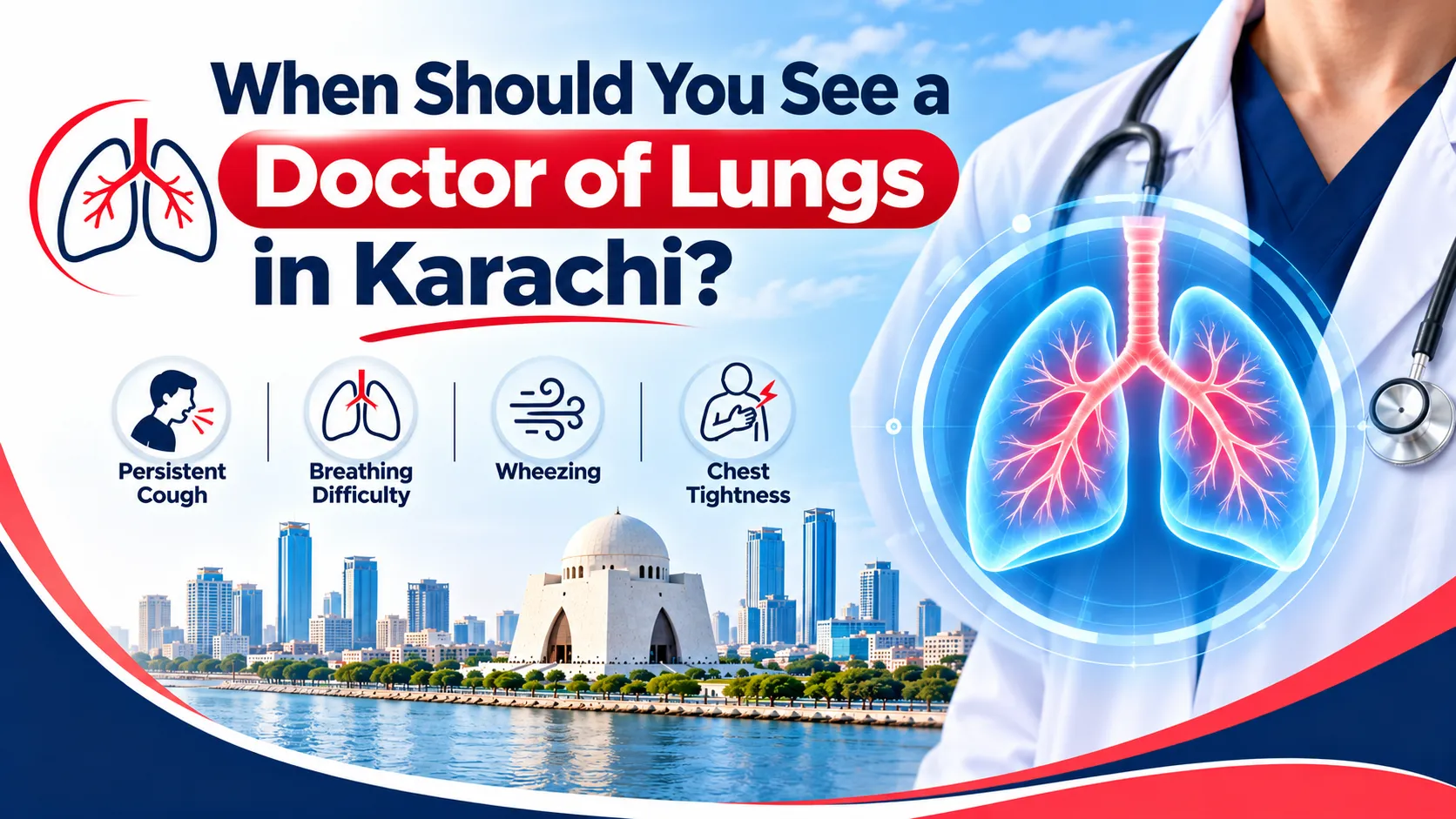
You should seek medical advice if you have a cough that lasts, repeated breathing problems, or chest symptoms that do not improve. Some lung diseases develop slowly. Their early signs may seem like a common cold or mild allergy. Knowing when to get checked can help you avoid delays in care.
Common warning signs include:
These symptoms can have many causes. They do not always mean you have a serious lung disease. Still, a medical check can help identify the problem.
Some symptoms need immediate medical attention. Go to the nearest emergency department if you have severe breathing difficulty, sudden severe chest pain, blue or grey lips, confusion, or fainting.
Do not wait for a routine clinic appointment if you cannot speak normally because of breathlessness. Sudden chest pain and breathing trouble may also be signs of a heart problem or a blood clot in the lungs. Early emergency assessment is important.
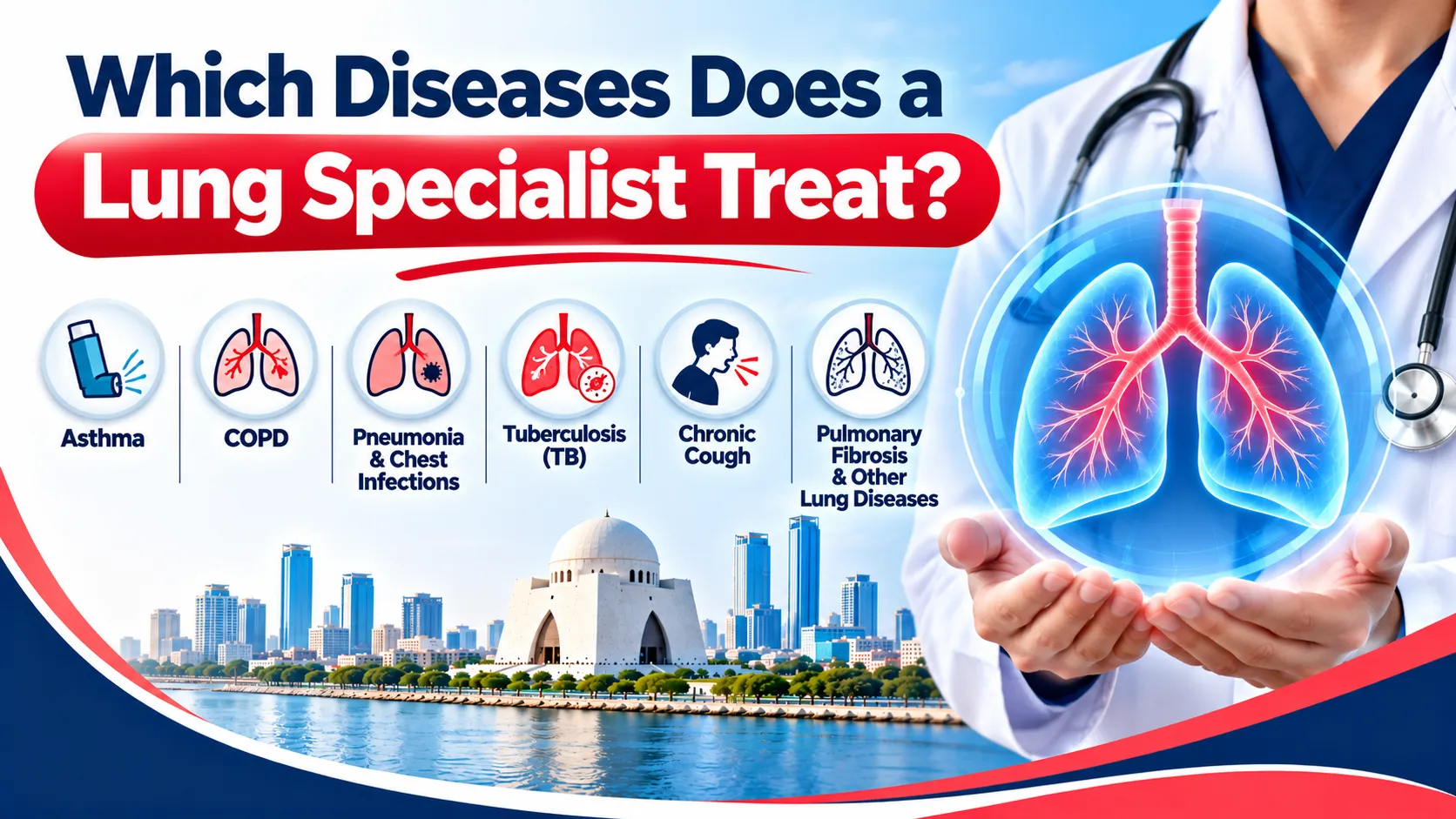
A pulmonologist treats several conditions that affect breathing. Some are short-term illnesses, while others need long-term care.
Asthma is a long-term condition that causes the airways to become inflamed and narrow. Common symptoms include coughing, wheezing, chest tightness, and shortness of breath.
Symptoms may become worse at night, during exercise, or after exposure to triggers. Common triggers include dust, smoke, pollen, strong smells, and respiratory infections.
Asthma treatment often includes inhaled medicines. Some inhalers provide quick relief, while others help control airway inflammation. A doctor can explain which medicine is suitable and how to use an inhaler correctly. Patients with frequent symptoms may need a review of their treatment plan. Learn more about Asthma Treatment in Karachi.
COPD is a long-term lung disease that makes airflow difficult. Smoking is a major cause. Long-term exposure to harmful fumes, dust, and smoke can also increase the risk. People with COPD may experience a daily cough, mucus production, wheezing, and breathlessness.
The condition can become worse over time. Treatment may include inhalers, smoking cessation support, pulmonary rehabilitation, and other care based on disease severity. COPD cannot always be reversed, but treatment can help control symptoms and improve daily life.
Pneumonia is an infection that causes inflammation in the lungs. It may cause fever, cough, chest discomfort, and breathing difficulty. Pneumonia can be caused by bacteria, viruses, or other germs.
Treatment depends on the cause and the patient’s health. For example, antibiotics may be needed for bacterial pneumonia. They are not effective against viral infections.
Older adults and people with chronic illnesses may face a higher risk of complications. A doctor may recommend a chest X-ray or other tests if pneumonia is suspected.
Tuberculosis is an infectious disease caused by bacteria. It most often affects the lungs. TB remains an important health concern in Pakistan.
Common symptoms include a long-lasting cough, fever, night sweats, tiredness, and unexplained weight loss. In Pakistan, a cough that lasts two weeks or more should prompt medical assessment for possible TB, especially when other symptoms are present.
Doctors may use sputum tests, molecular tests, and chest imaging to investigate suspected TB. TB can usually be treated with a course of specific medicines. Patients must follow the prescribed treatment plan and attend follow-up visits.
Stopping treatment early can increase the risk of treatment failure and drug resistance. Read about TB Diagnosis and Treatment in Karachi.
A chronic cough in adults is generally defined as one that lasts more than eight weeks. It can result from asthma, acid reflux, upper airway problems, smoking, or certain medicines. Some people cough more at night. Others notice symptoms after eating or spending time in dusty areas. The pattern of coughing can provide useful clues.
A doctor will review your symptoms, medical history, and possible triggers before suggesting treatment. You should not rely on cough syrup alone if the problem keeps returning.
Pulmonologists also assess conditions such as pulmonary fibrosis, bronchiectasis, and some sleep-related breathing disorders. These conditions may need specialist tests and long-term monitoring. Treatment depends on the diagnosis.
The following table explains how common symptoms may be assessed.
Symptom or Condition | Possible Cause | Suggested Next Step |
Cough lasting several weeks | Asthma, infection, reflux, or other causes | Visit a physician for assessment |
Frequent wheezing | Asthma or airway narrowing | Respiratory evaluation and possible spirometry |
Cough with fever and weight loss | Possible TB or another infection | Prompt medical review and appropriate tests |
Repeated chest infections | Infection or underlying lung disease | Physician review; specialist referral if needed |
Gradually worsening breathlessness | Lung, heart, or other health problems | Medical assessment and targeted tests |
Severe sudden breathing difficulty | Potential medical emergency | Immediate emergency care |
Known complex lung disease | COPD, fibrosis, bronchiectasis, or other disorders | Follow-up with an appropriate specialist |
Important: This table is general guidance. A medical professional must assess each patient before making a diagnosis.
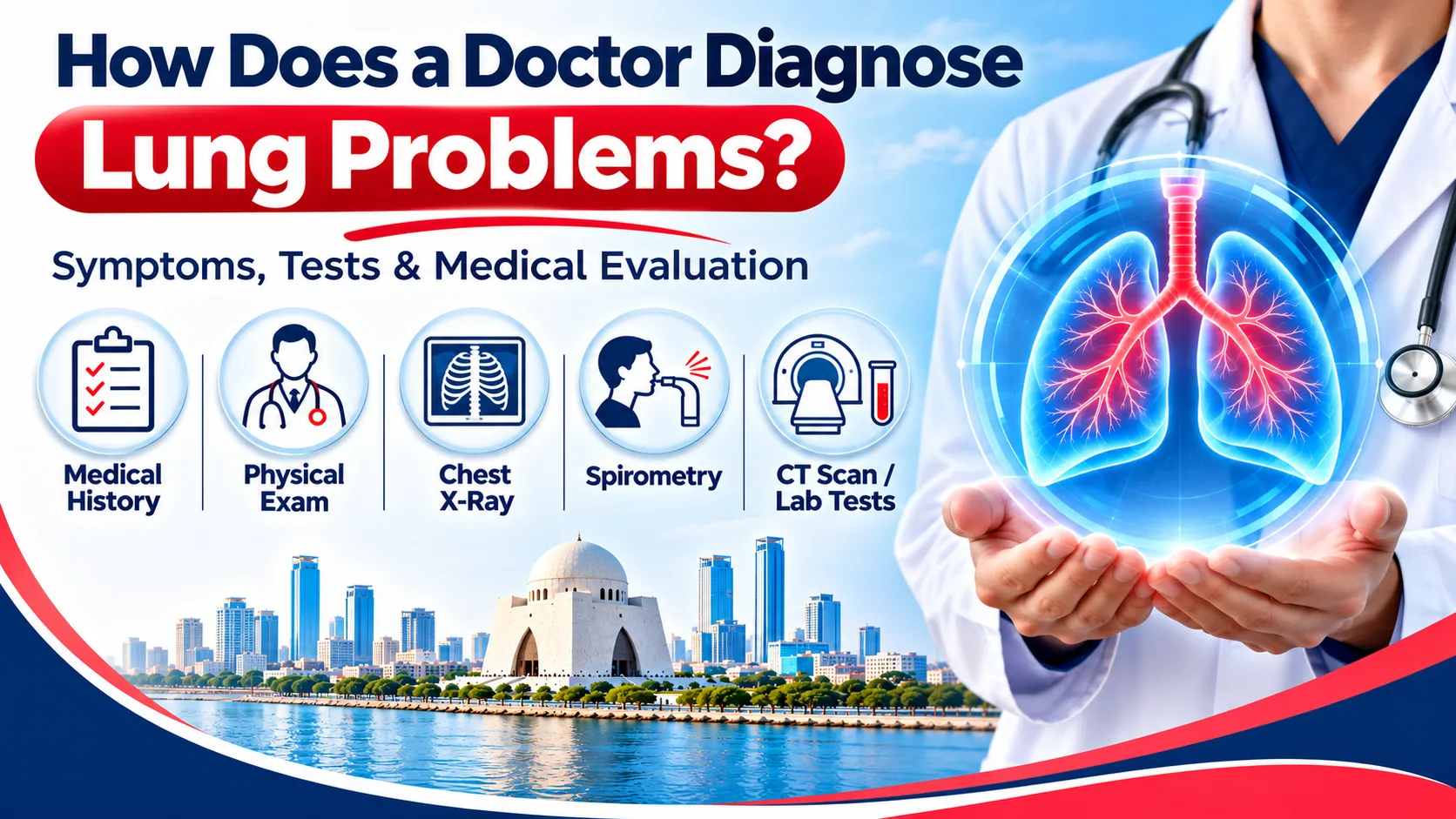
A lung assessment usually begins with a discussion about your symptoms. The doctor may ask when the problem started, how often it happens, and what makes it worse. Your medical history also matters.
For example, a person who works around dust or chemicals may have different risk factors from someone who develops a cough after a viral infection. The doctor may examine your chest, listen to your breathing, and check your oxygen level. Further tests depend on the symptoms and examination findings.
Spirometry is a common lung function test. It measures how much air you can breathe out and how quickly you can exhale. The test can help doctors assess airflow problems linked to asthma and COPD.
During the test, you breathe into a device while following instructions from a trained professional. Sometimes the test is repeated after using a medicine that opens the airways. Results help the doctor understand your breathing function.
A chest X-ray provides images of the lungs and nearby structures. It may help doctors investigate pneumonia, some changes linked to TB, or other chest problems. However, an X-ray alone cannot confirm every lung disease. More tests may be needed.
A CT scan provides more detailed images than a standard chest X-ray. It may be advised when doctors need to examine unusual findings or investigate certain complex lung conditions. Not every person with a cough needs a CT scan. The decision depends on symptoms, examination findings, and previous test results.
Depending on the case, a doctor may suggest blood tests, sputum testing, pulse oximetry, full pulmonary function tests, or specialist procedures. The aim is to find the cause of symptoms rather than order every available test.
Treatment depends on the type of lung disease, its severity, and the patient’s overall health. There is no single medicine that treats every breathing problem. For example, asthma often needs inhaled medicines, while bacterial pneumonia may need antibiotics.
TB requires a specific combination of medicines over a prescribed period. Some chronic lung conditions may benefit from pulmonary rehabilitation. This program can include supervised exercise, breathing education, and support for daily activities.
A treatment plan may also address smoking, workplace exposure, allergies, and other health conditions. Patients should understand how to take their medicines, when to return for review, and which symptoms require urgent help. Regular follow-up is especially important for long-term respiratory diseases.
Karachi has several environmental factors that can affect respiratory health. Traffic emissions, road dust, industrial exposure, construction work, and smoke may irritate the airways.
People who already have asthma or COPD can be more sensitive to these triggers. However, not every cough in Karachi is caused by pollution. Respiratory infections, allergies, reflux, and other medical conditions can produce similar symptoms.
Yes. Air pollution can irritate sensitive airways and trigger asthma symptoms. A person may notice coughing or wheezing after spending time in heavy traffic or around smoke.
Some people also experience symptoms while cleaning dusty rooms or working near construction sites. Reducing exposure may help control symptoms. People with diagnosed asthma should continue their prescribed treatment, even when they feel well.
Yes. Regular exposure to dust, smoke, and chemical fumes can harm respiratory health. Workers in construction, manufacturing, and other high-exposure settings may face added risks.
A doctor may ask about your job because symptoms that become worse during work can provide important clues. Proper ventilation and suitable protective equipment can help reduce exposure.
Finding the right doctor is not only about choosing a familiar name. If you search for the Best Pulmonologist in Karachi or Top Pulmonologist in Karachi, focus on qualifications, experience, and the type of care you need. A doctor who is suitable for one patient may not be the right choice for another.
Consider these points:
For complex conditions, a qualified pulmonologist may be the most suitable choice. For a new cough or general breathing problem, a Consultant Physician may be a helpful first point of care. You can also check a doctor’s registration through the Pakistan Medical and Dental Council.
Both may assess patients with respiratory symptoms, but their training and scope of practice differ. A pulmonologist has specialist training focused on lung and respiratory diseases.
A Consultant Physician provides broader adult medical care. This may include respiratory infections, asthma symptoms, diabetes, blood pressure problems, and other conditions. A Consultant Physician can assess common breathing complaints and recommend tests or initial treatment.
When a condition requires advanced respiratory procedures or more complex management, the physician may refer the patient to a pulmonologist. The right choice depends on your health needs.
Patients in Karachi can seek respiratory care through hospitals, specialist clinics, and qualified Consultant Physicians. The most suitable option depends on the symptoms and whether specialist treatment is required.
People with severe breathing symptoms should use emergency services rather than wait for an outpatient appointment. For non-emergency concerns, a medical consultation can help identify the next steps.
Dr. Asif Aziz Sahito is a Consultant Physician based in Saddar, Karachi. According to his official website, he has more than 17 years of clinical experience and provides care for several adult health conditions.
His listed services include asthma assessment, respiratory treatments, TB diagnosis and treatment, and general medical consultations. Patients with common breathing symptoms may consult him for an initial medical assessment. If advanced lung care is required, referral to an appropriately trained pulmonologist may be recommended.
Clinic Details
Doctor: Dr. Asif Aziz Sahito — Consultant Physician
Location: Room #7, Ground Floor, NCCI/NMI Hospital, Depot Lines, Mansfield Street, Muhammad Ali Jinnah Road, Saddar, Karachi 74400, Pakistan.
Contact: 0333 3156510
Website: https://drasifazizsahito.com/
Clinic hours and availability should be confirmed before visiting.
Your first appointment helps the doctor understand your symptoms and medical history. You may be asked about coughing, fever, breathlessness, allergies, smoking, and past lung infections.
The doctor may also ask whether your symptoms change at night, during exercise, or after exposure to smoke and dust. A physical examination may follow. If needed, the doctor will recommend tests based on the possible causes.
It is helpful to bring previous prescriptions, X-rays, laboratory reports, and a list of current medicines. Tell the doctor if you have diabetes, high blood pressure, heart disease, or other long-term health conditions. These details can affect your treatment plan.
Healthy habits can help reduce some risks of lung disease. Here are practical steps to support respiratory health:
Good habits support lung health, but they cannot prevent every respiratory disease. Regular medical follow-up remains important for people with chronic lung conditions.