Subtotal $0.00


Medova is a convenience services to the adaptability, Spacious modern villa living room with centrally placed swimming pool blending indooroutdoor
Medova is a convenience services to the adaptability, Spacious modern villa living room with centrally placed swimming pool blending indooroutdoor

Recent reports confirm increased flu-like illness in Karachi during October 2026. Hospitals reported more patients with fever, cough, sore throat, and body aches. Medical experts also identified influenza A (H1N1) as a circulating strain.
According to a report published by Dawn on October 27, 2026, Jinnah Postgraduate Medical Centre (JPMC) experienced a rise in patients with flu-like symptoms. Daily numbers increased from around 30–40 to 70–80 during the reported period.
Other hospitals also reported increased respiratory illness. The Express Tribune reported that Aga Khan University Hospital had recorded around 400 influenza cases during 2026 by late October.
These figures describe specific hospitals and reporting periods. They do not represent the total number of infections across Karachi. The reports show why residents should pay attention to respiratory symptoms. They do not prove that every current fever is influenza or H1N1.
People searching for viral fever in Karachi today should check the latest official health updates rather than rely on older case counts.

Influenza spreads when infected people release virus-containing respiratory particles while breathing, talking, coughing, or sneezing. Several everyday situations can increase exposure:
Karachi’s busy public spaces can create opportunities for respiratory viruses to spread. However, weather changes do not directly cause influenza. The infection occurs when someone is exposed to the virus.
Influenza is a contagious respiratory infection caused by influenza viruses. It mainly affects the nose, throat, and lungs. Seasonal influenza is commonly caused by influenza A and influenza B viruses. These viruses can cause mild illness or severe complications.
After entering the respiratory system, influenza viruses infect cells and trigger an immune response. Fever, muscle aches, and fatigue are common effects of this response.
The World Health Organization (WHO) states that influenza symptoms often begin one to four days after infection. Unlike a mild cold, influenza can develop suddenly. Someone may feel healthy in the morning but experience fever, chills, and weakness later that day.
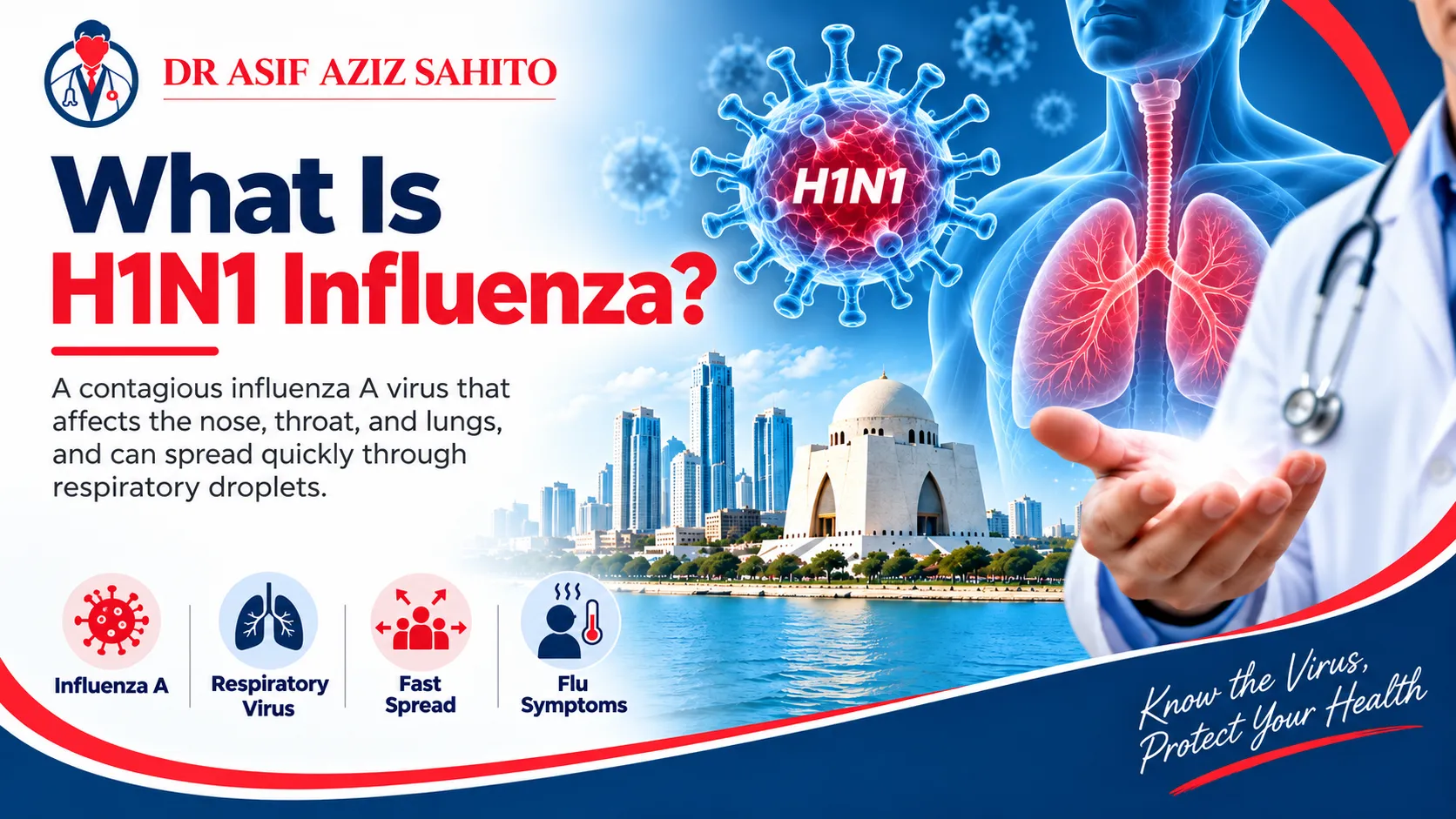
H1N1 is a subtype of influenza A virus. It became widely known during the 2009 influenza pandemic and has continued to circulate as a seasonal influenza virus. H1N1 is sometimes called swine flu. However, the seasonal H1N1 viruses that infect humans spread mainly between people.
H1N1 symptoms are similar to other types of seasonal influenza. A person cannot reliably identify H1N1 based on symptoms alone. Laboratory testing may be needed when identifying the specific influenza virus would affect medical decisions.
H1N1 does not automatically mean a more severe illness. The risk depends on the person’s age, immune health, existing medical conditions, and the course of infection.
Influenza symptoms usually appear suddenly. Their severity can vary from person to person. Common influenza symptoms include:
Some children may also experience vomiting or diarrhea. Not everyone with influenza develops a fever. Older adults and people with weakened immune systems may have less typical symptoms.

Yes. Influenza can cause strong muscle and body aches, especially during the first few days. Some people describe feeling too weak to complete routine tasks. Others experience headaches, chills, and discomfort throughout the body.
These symptoms often improve as the infection settles. However, severe muscle pain, inability to walk, confusion, or unusual weakness may signal a complication that needs urgent care.
Yes. H1N1 and other influenza viruses can affect the lower respiratory tract. Some patients develop pneumonia, which causes inflammation in the lungs. This may lead to shortness of breath, low oxygen levels, or chest discomfort.
People with asthma or existing lung disease may experience worsening respiratory symptoms. Any new or severe difficulty breathing requires immediate medical attention.
Several infections can cause fever and weakness. However, their symptoms and transmission patterns differ.
Feature | Influenza / H1N1 | Common Cold | Dengue Fever |
Main cause | Influenza virus | Various respiratory viruses | Dengue virus |
Symptom onset | Often sudden | Usually gradual | Often sudden |
Fever | Common, but not universal | Less common | Common |
Body aches | Often significant | Usually mild | Often strong |
Cough | Common | Common | Not a typical main symptom |
Runny nose | Sometimes | Common | Uncommon |
Main transmission | Respiratory exposure | Respiratory exposure | Infected mosquito bites |
Important complications | Pneumonia, breathing problems | Usually mild illness | Bleeding, shock, organ complications |
Prevention | Flu vaccination and respiratory precautions | Hygiene and respiratory precautions | Mosquito control and bite prevention |
Important: This table cannot confirm a diagnosis. Symptoms overlap, and laboratory tests may be necessary.
Dengue remains relevant in Karachi because it can also cause fever and intense body pain. If dengue is possible, avoid self-medicating with aspirin or ibuprofen because these medicines can increase bleeding risk.
Anyone can develop influenza, including healthy adults. However, certain people face a greater risk of complications. These include young children, adults aged 65 and older, pregnant women, and people with weakened immune systems.
People living with diabetes, heart disease, chronic kidney disease, or asthma also need additional care. A mild fever may be more concerning in someone with these conditions.
For example, a person with asthma may experience increased wheezing during influenza. Someone with diabetes may find it harder to maintain stable blood glucose levels while sick. Early medical advice is important for these patients, even when the initial symptoms appear manageable.
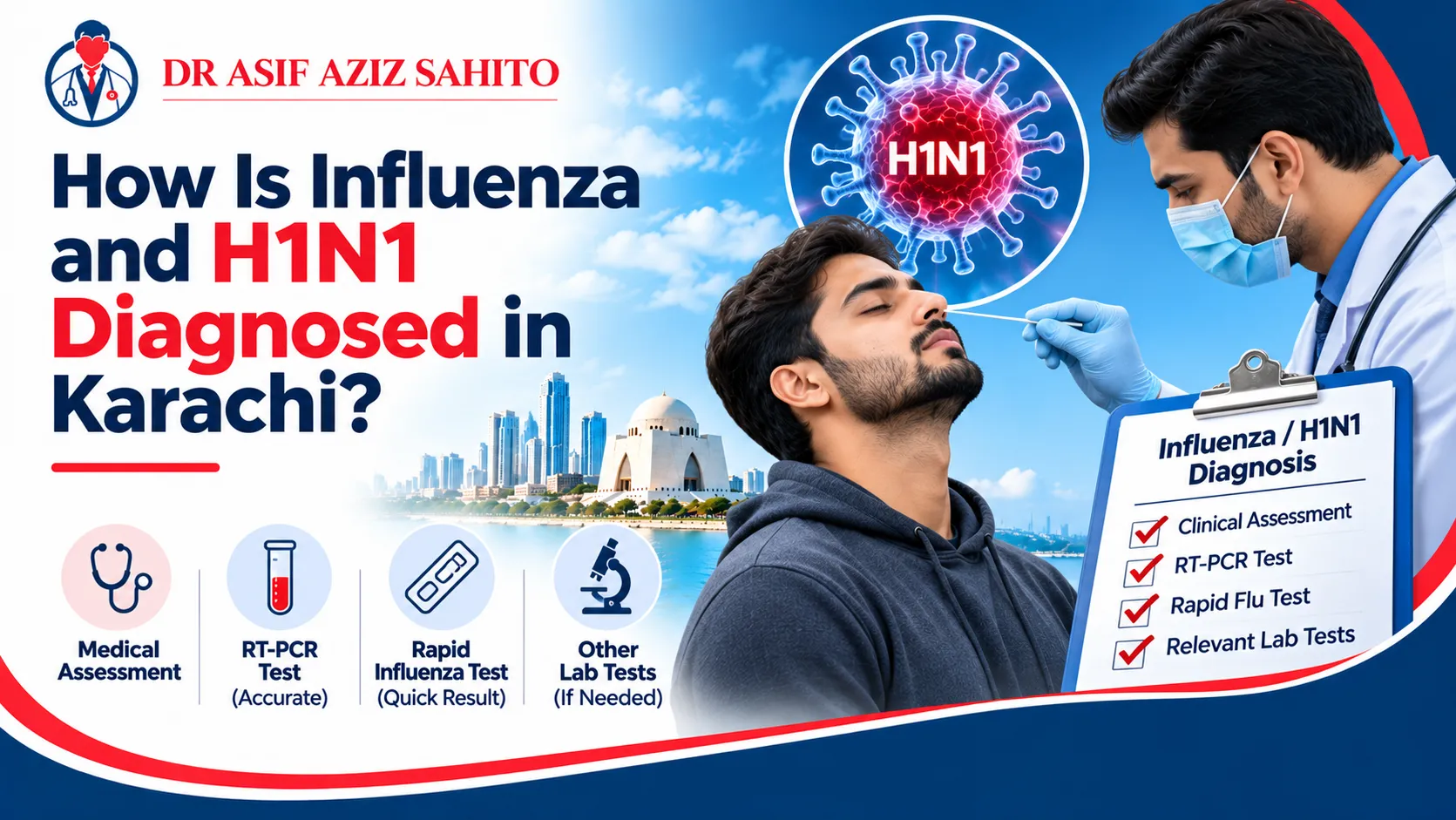
A physician usually begins by asking about symptoms, their duration, and possible exposure to infected people. The assessment may include temperature, breathing rate, oxygen levels, and examination of the chest.
Medical history also matters. The physician may ask about asthma, diabetes, recent travel, medication use, and existing illnesses.
Influenza testing is not necessary for every mild illness. However, testing may help when symptoms are severe, the diagnosis is uncertain, or results could affect treatment.
Common testing methods include:
Other investigations may be needed if the physician suspects pneumonia, dengue, or a different cause of fever. A complete blood count (CBC) may help assess certain health concerns, but it cannot confirm influenza on its own.
Treatment depends on the cause of fever, symptom severity, and the patient’s medical history. Most people with uncomplicated influenza recover without hospital treatment. Supportive care focuses on easing symptoms, maintaining hydration, and helping the body recover.
Rest is important during influenza. Avoid strenuous activity when you have a fever, strong body aches, or significant weakness. Sleep and reduced physical activity can make recovery more comfortable. Return to exercise gradually after your symptoms improve.
Fever and sweating can increase fluid loss. Poor appetite may also reduce daily water intake. Drink water regularly throughout the day.
Soup and other suitable fluids may help. Oral rehydration solution can be useful when vomiting, diarrhea, or fluid loss causes dehydration. People with heart or kidney conditions who have fluid restrictions should follow their physician’s advice.
Paracetamol may help reduce fever, headaches, and body pain. Use the correct dose for your age, weight, and medical condition.
Avoid combining several cold and flu products without checking their ingredients. Some contain the same fever-reducing medicine and can cause accidental overdose. If dengue has not been ruled out, avoid aspirin and ibuprofen unless a clinician specifically advises otherwise.
Antibiotics treat certain bacterial infections. They do not kill influenza viruses. Taking antibiotics without a medical reason can cause side effects and contribute to antibiotic resistance. A physician may prescribe antibiotics if a bacterial complication is suspected or confirmed.
Some patients with influenza may benefit from prescription antiviral medicines, such as oseltamivir. Antivirals work best when started within the first 48 hours of symptoms. Early treatment is especially important for people at higher risk of serious complications.
Patients with severe or worsening influenza may still benefit from antiviral treatment after 48 hours. These medicines should be used under medical supervision. They are not needed for every case of viral fever.
Most people with uncomplicated influenza begin to improve within several days. Fever and major symptoms often settle within about a week. However, tiredness and coughing may continue longer.
According to the WHO, influenza-related cough can sometimes last two weeks or more. Recovery depends on the person’s age, immune system, and any existing health conditions.
Not always. However, fever that lasts beyond two to three days without improvement deserves medical advice, especially when the cause is uncertain.
Seek an earlier assessment if symptoms become worse, fluids cannot be tolerated, or you have a high-risk medical condition. A fever that settles and then returns with a worsening cough may indicate a complication. Do not assume that all prolonged fever is influenza.
Many mild respiratory infections can be managed at home. However, it is important to recognize symptoms that need medical attention.
Consult a physician if you have a persistent or worsening fever, significant weakness, breathing discomfort, or symptoms that do not follow the expected recovery pattern. Seek urgent medical care for:
Children need urgent care if they have fast breathing, bluish lips, unusual drowsiness, or signs of severe dehydration. A baby younger than three months with a temperature of 38°C (100.4°F) or higher needs immediate medical assessment.
These warning signs should not be managed through a routine appointment. Visit the nearest emergency department.
Preventing influenza involves reducing exposure and protecting people who face a higher risk of serious illness.
Seasonal influenza vaccination is one of the most important ways to reduce the risk of influenza and its complications. The vaccine does not guarantee that a person will never get the flu. However, it can reduce severe illness and hospitalizations.
Because influenza viruses change over time, vaccination is recommended every year for most people aged six months and older, subject to individual medical advice. Ask a qualified healthcare professional about vaccine suitability, timing, and availability in Karachi.
Small changes can help reduce the spread of respiratory infections. Wash your hands regularly, especially after coughing, sneezing, or touching shared surfaces. Improve ventilation by allowing fresh air into indoor spaces whenever possible.
Consider wearing a well-fitting mask in crowded indoor settings, especially if you are at greater risk of serious illness. Avoid close contact with people who have active respiratory symptoms.
Stay home when you are sick. According to CDC guidance, people can generally resume normal activities once symptoms have improved overall and they have been fever-free for at least 24 hours without fever-reducing medicine. Continue taking extra precautions for the next five days because transmission may still occur.
People with ongoing fever, respiratory symptoms, or suspected influenza should consult a qualified healthcare professional for an appropriate assessment.
A consultation can help identify whether symptoms suggest uncomplicated influenza, pneumonia, dengue, or another illness. A physician can also decide whether testing, antiviral treatment, or further monitoring is necessary.
Dr. Asif Aziz Sahito is a Consultant Physician based in Karachi. According to his official website, he has over 17 years of medical experience and provides care for acute and chronic health conditions.
His clinical services include general medical consultations, diabetes management, asthma and respiratory care, and other internal medicine concerns. Patients experiencing persistent fever, cough, or flu-like symptoms can contact his clinic to arrange a medical consultation.
Clinic Details
Consultant: Dr. Asif Aziz Sahito
Location: Room #7, Ground Floor, NCCI/NMI, Depot Lines, Mansfield Street, Muhammad Ali Jinnah Road, Saddar, Karachi 74400, Pakistan
Consultation Hours: Monday to Saturday, 3:00 PM – 6:00 PM
Phone: 0333 3156510
Website: https://drasifazizsahito.com/
Please confirm appointment availability before visiting. For emergency symptoms, seek immediate hospital care.