Subtotal $0.00


Medova is a convenience services to the adaptability, Spacious modern villa living room with centrally placed swimming pool blending indooroutdoor
Medova is a convenience services to the adaptability, Spacious modern villa living room with centrally placed swimming pool blending indooroutdoor

A hepatologist is a physician who specializes in liver diseases. The liver is an important organ of the body. It helps process food, store energy, remove waste, and make important proteins.
When the liver becomes damaged, many parts of the body can be affected. A doctor involved in liver care may treat or assess problems such as:
Some liver problems are simple to manage. Others need long-term care or referral to a specialist.
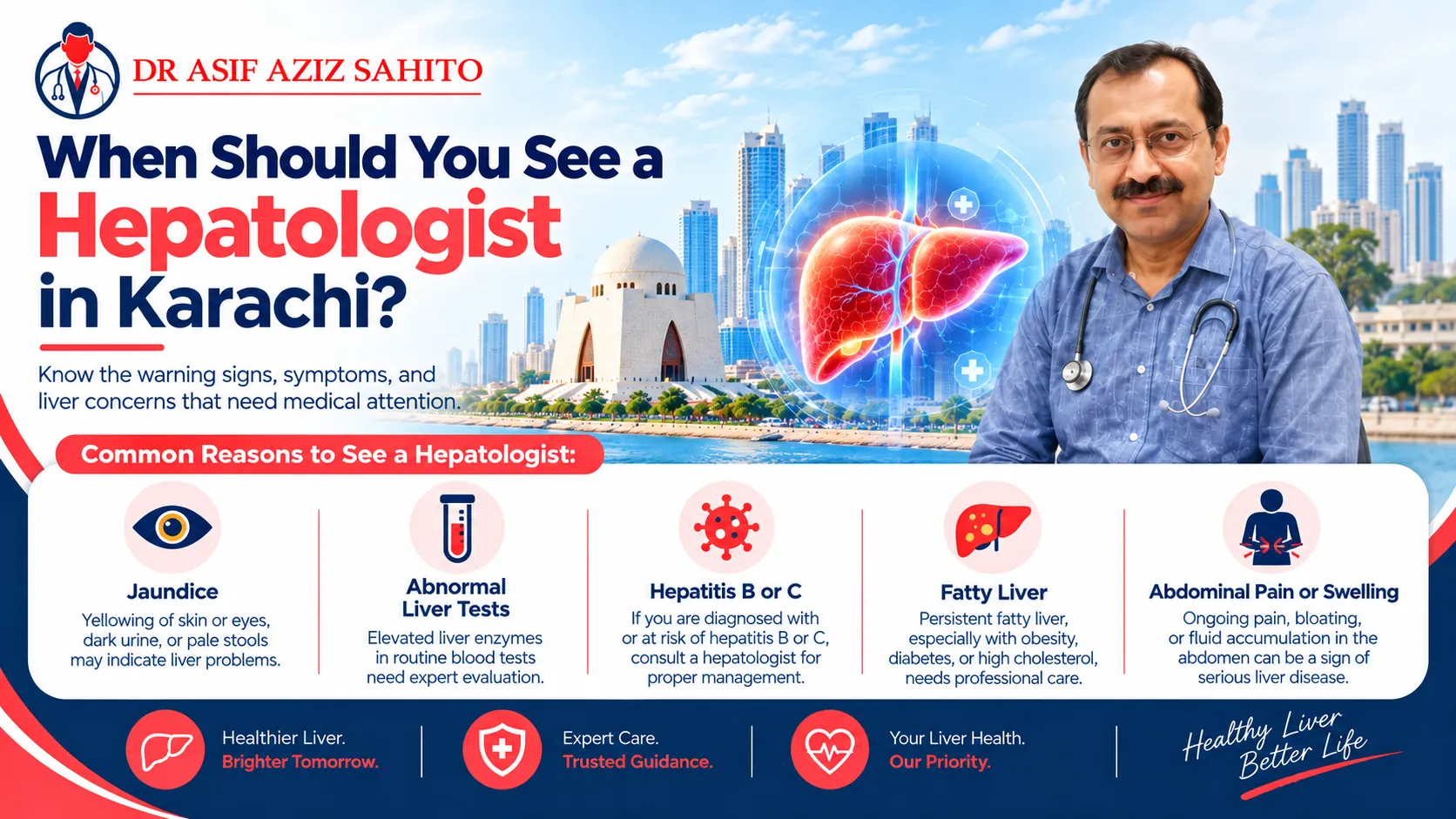
You should consider medical care if you have signs of liver disease or abnormal test results. Some liver conditions cause symptoms early. Others can remain silent for years. You may need a liver assessment if you have:
These symptoms do not always mean you have liver disease. Many other health problems can cause similar signs. A doctor can review the full picture and decide what tests are needed.
Some symptoms need faster attention. Get urgent medical help if you have:
These signs can occur with serious illness. Do not wait for a routine appointment if symptoms are severe or getting worse.

Some liver diseases cause very few symptoms at first. For example, people with viral hepatitis may feel well even when the infection is affecting the liver. Early assessment may help find the cause before more damage occurs. It can also indicate treatment, follow-up, and/or lifestyle changes.
Hepatitis B can become a long-term infection. Chronic infection could increase the risk of liver scarring and liver cancer. An effective vaccine is available to prevent Hepatitis B.
Hepatitis C can also become chronic. However, modern antiviral medicines can cure more than 95% of people with Hepatitis C infection. This is one reason regular testing and medical follow-up can matter.
No one doctor is best for everybody. A person with mild fatty liver may need different care from someone with cirrhosis or chronic hepatitis. When choosing a doctor, look at the following points.
Start with the doctor’s real medical role. Do not rely only on phrases such as “best doctor” or “top specialist.” Check whether the doctor is a hepatologist, gastroenterologist, Consultant Physician, or another type of doctor. This helps you understand the type of care they can provide.
Experience should match your condition. For example, a patient with Hepatitis B may need regular viral and liver monitoring. A person with advanced liver disease may need specialist hepatology care. Ask whether the doctor often manages your type of liver problem.
A doctor should explain medical terms in simple words. You may hear terms such as ALT, AST, bilirubin, fibrosis, viral load, or fatty liver. You should know what your results mean and why a test is being advised.
Many liver problems need more than one visit. Good care may include repeat blood tests, scans, medicine review, or long-term monitoring. Before leaving, you should understand:
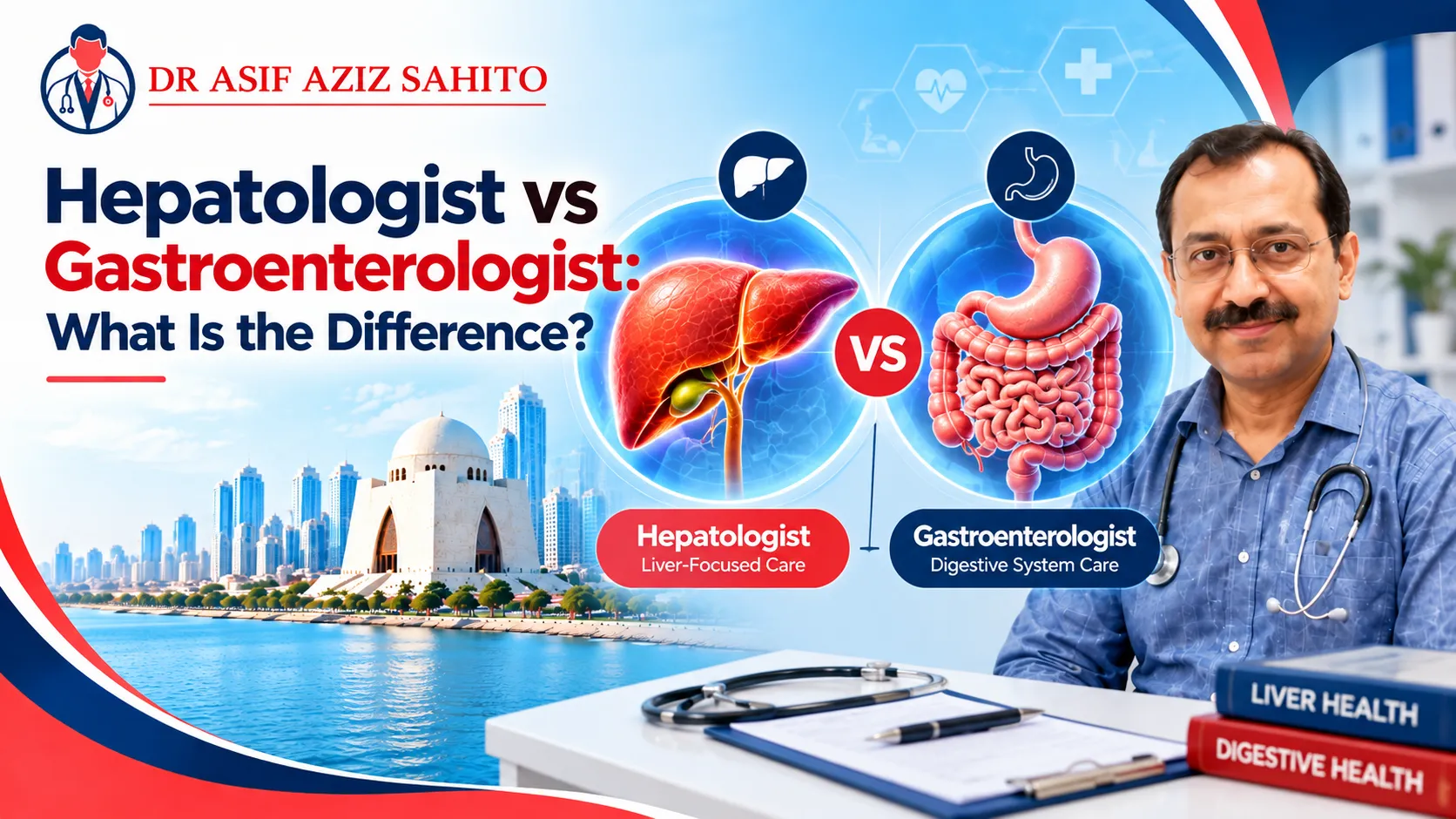
A hepatologist focuses mainly on diseases of the liver. A gastroenterologist treats the digestive system. This includes the stomach, bowel, liver, pancreas, gallbladder, and related organs.
Hepatology is closely linked with gastroenterology. Many gastroenterologists also manage liver disease. Some doctors receive added training or focus more strongly on hepatology. A Consultant Physician manages a wide range of adult health problems. They can also make some liver diagnoses and may also refer patients if necessary.
Doctor Type | Main Focus | Common Reasons to Visit |
Hepatologist | Liver disease | Hepatitis, cirrhosis, chronic liver disease |
Gastroenterologist | Digestive system and liver | Stomach, bowel, pancreas, gallbladder, and liver problems |
Consultant Physician | General adult medicine | Initial assessment, chronic illness, liver and digestive symptoms |
The right choice depends on how simple or complex your problem is.
Liver and digestive symptoms can overlap. For example, upper abdominal pain may come from the stomach, liver, gallbladder, or another organ. A gastroenterologist may be more suitable if your main symptoms include:
A liver-focused doctor may be more suitable if you have:
A Consultant Physician may also be a suitable first point of care.
The doctor can assess your symptoms and decide if you need referral to a gastroenterologist or hepatologist.
No single test diagnoses every liver problem. The doctor selects tests that are appropriate for your symptoms, history, and past tests. Common tests may include:
These tests may check:
Abnormal results do not always mean severe liver disease. The doctor must look at the pattern and your medical history.
Blood tests may check for Hepatitis B or C. If an infection is found, your doctor may order more tests. These can help show how active the infection is and how the liver is doing.
An abdominal ultrasound can show the liver, gallbladder, and nearby structures. It may help detect fatty liver, swelling, or other changes.
Some patients may need extra imaging or tests that measure liver stiffness. Not everyone needs advanced testing. The goal is to have tests that are directed toward a specific medical question.
A liver visit usually starts with your medical history. The doctor may ask:
If you have them, bring old reports. These may include blood tests, ultrasound reports, hospital records, and prescriptions. The doctor may also examine your abdomen and look for signs linked with liver disease. Once the doctor has made the assessment, he or she should inform the patient what the next step will be. This may include:
Not every patient needs treatment right away. Some people only need follow-up.
Hepatitis B and C are important public health concerns in Pakistan. Both viruses can affect the liver for many years. They may also remain unnoticed in the early stages. Hepatitis B and C can spread through infected blood. Risk can rise with unsafe injections, unsterile medical tools, and unscreened blood.
Simple safety steps can reduce risk. Use trusted medical and dental services. Avoid sharing needles or razors. Make sure blood products are properly screened. Hepatitis B vaccination also offers strong protection against Hepatitis B infection.
Yes, but not every patient needs the same treatment. Some people with chronic Hepatitis B need antiviral medicine. Others may only need regular checks.
Doctors often look at several factors before making a treatment plan. These can include liver health, viral activity, age, and other medical problems. There is also an effective vaccine for Hepatitis B. The vaccine prevents infection. It does not treat an infection that is already present.
Yes. Modern direct-acting antiviral medicines can cure more than 95% of people with Hepatitis C infection, according to the World Health Organization. Treatment is much simpler than it was in the past.
Patients do require appropriate testing prior to and following treatment, though. A doctor can confirm the infection and choose a suitable treatment plan. Do not start or stop hepatitis medicine on your own.
Fatty liver occurs when there is an excess of fat accumulation in the liver. It is often linked with:
Many people with fatty liver have no symptoms. It may be found during a routine blood test or ultrasound. Treatment depends on the cause and level of liver damage.
For many patients, care may include better weight control, regular physical activity, diabetes care, and cholesterol management. The doctor may also advise follow-up liver tests.
People searching for a liver specialist in Karachi or a doctor for hepatitis may come across Dr. Asif Aziz Sahito.
His official website describes him as a Consultant Physician in Karachi with more than 17 years of clinical experience. The website lists liver and stomach disorders, Hepatitis B and C, diabetes, thyroid problems, and other medical conditions among his areas of care. This wording is important.
The About page does not present Dr. Asif Aziz Sahito with the formal title of “hepatologist.” Patients should not assume that a Consultant Physician and a hepatologist are the same role.
A Consultant Physician may assess and manage many liver problems. Complex or advanced liver disease may still need referral to a dedicated hepatologist, gastroenterologist, surgeon, or hospital service. This is especially important for patients with advanced cirrhosis, serious complications, or a need for specialist procedures.
According to his official website, Dr. Asif Aziz Sahito provides consultations at NCCI/NMI in Saddar, Karachi. The listed address is:
Room #7, Ground Floor, NCCI/NMI, Depot Lines, Mansfield Street, Muhammad Ali Jinnah Road, Saddar, Karachi 74400.
The website currently shows different clinic days on different pages. The About page says Monday to Saturday, while the homepage says Monday to Friday. Both pages list 3:00 PM to 6:00 PM. For this reason, it is better to confirm the latest clinic time before visiting.
A good consultation should answer your main concerns. Consider asking:
Good medical care should help you understand your condition. You should know why a test or treatment has been suggested.
You cannot prevent every liver disease. However, some simple steps may lower your risk. Use medicines only as advised. Take care with herbal products and supplements. “Natural” does not always mean safe for the liver.
Try to keep diabetes, cholesterol, and body weight under control. Avoid unsafe injections and shared needles. Get Hepatitis B vaccination if it is suitable for you. If you already have a liver problem, follow the monitoring plan given by your doctor.