Subtotal $0.00


Medova is a convenience services to the adaptability, Spacious modern villa living room with centrally placed swimming pool blending indooroutdoor
Medova is a convenience services to the adaptability, Spacious modern villa living room with centrally placed swimming pool blending indooroutdoor
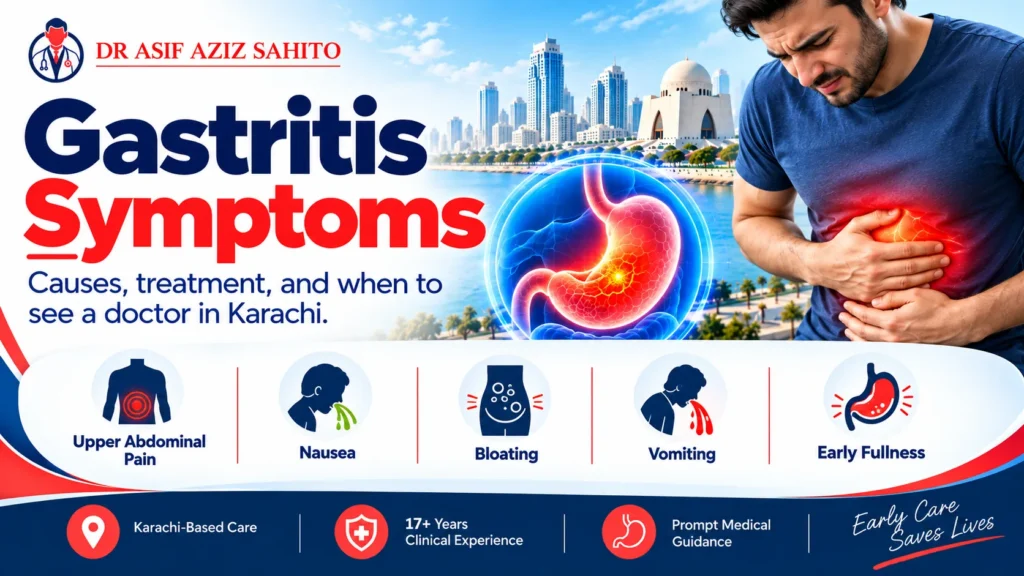
The most common gastritis symptoms affect the upper part of the abdomen. A person may experience:
The discomfort may become better or worse after eating. Not everyone with gastritis develops these symptoms. Some people only discover stomach inflammation while being investigated for another digestive problem.
What does gastritis usually feel like?
Gastritis often feels like burning, aching, pressure, or discomfort in the upper middle part of the abdomen. Nausea, early fullness, and indigestion may occur at the same time.
Gastritis can be either acute or chronic.
Type | How It Develops | Possible Symptoms | General Pattern |
Acute gastritis | Develops suddenly | Burning pain, nausea, vomiting, stomach discomfort | Symptoms may appear quickly |
Chronic gastritis | Develops gradually | Mild or recurring discomfort, nausea, fullness, appetite changes | May continue for months or longer |
Erosive gastritis | Stomach lining becomes damaged | Pain, nausea and sometimes bleeding | May require urgent assessment if bleeding occurs |
H. pylori gastritis | Caused by H. pylori infection | May cause indigestion or no symptoms at all | Often becomes chronic without treatment |
The intensity of symptoms does not always show how severe the inflammation is. A person with chronic gastritis may have mild symptoms, while another person may experience significant discomfort.
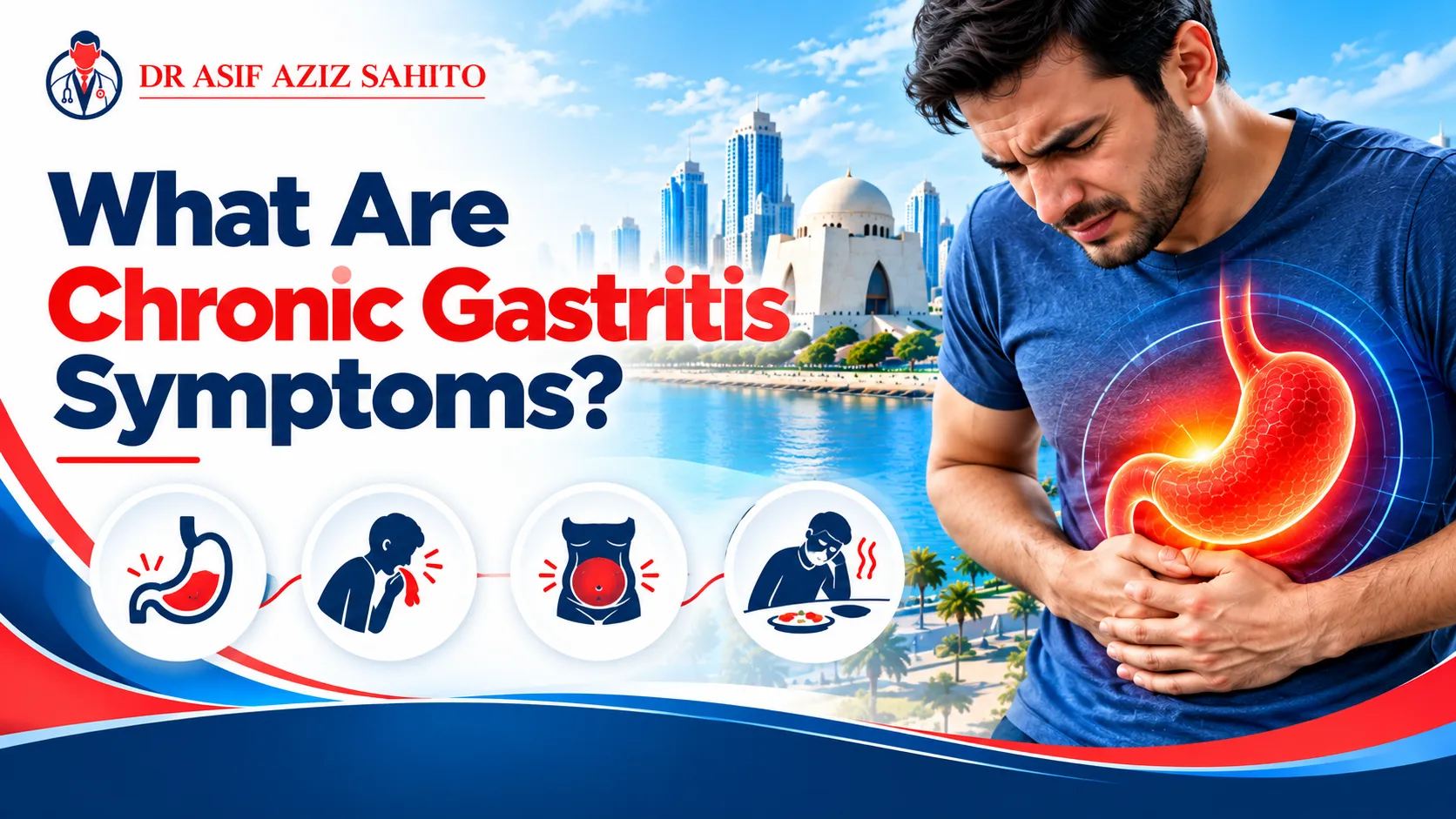
Chronic gastritis symptoms may be less dramatic than acute gastritis. Possible symptoms include:
Chronic gastritis may sometimes be related to Helicobacter pylori (H. pylori) infection or autoimmune disease.
There is no single cause of gastritis. Several conditions, medicines, and irritants can damage or inflame the stomach lining.
Not everyone with H. pylori develops noticeable symptoms. A doctor may recommend a breath test, stool test, or other investigation if H. pylori is suspected.
Nonsteroidal anti-inflammatory drugs, commonly known as NSAIDs, can irritate the stomach lining. Examples include medicines containing:
Risk may increase when these medicines are taken frequently, at high doses, or for long periods. Do not stop prescribed medication without discussing it with your doctor.
Heavy alcohol consumption may irritate the protective lining of the stomach and contribute to acute inflammation.
In autoimmune gastritis, the immune system mistakenly attacks cells within the stomach lining. Over time, this may affect the absorption of nutrients such as vitamin B12 and iron.
Major illness, severe infection, significant burns, trauma, or major surgery may sometimes cause stress-related damage to the stomach lining. This is different from everyday emotional stress.
Less common causes may include certain infections, inflammatory diseases, bile reflux, radiation treatment, chemotherapy, and other medical conditions.
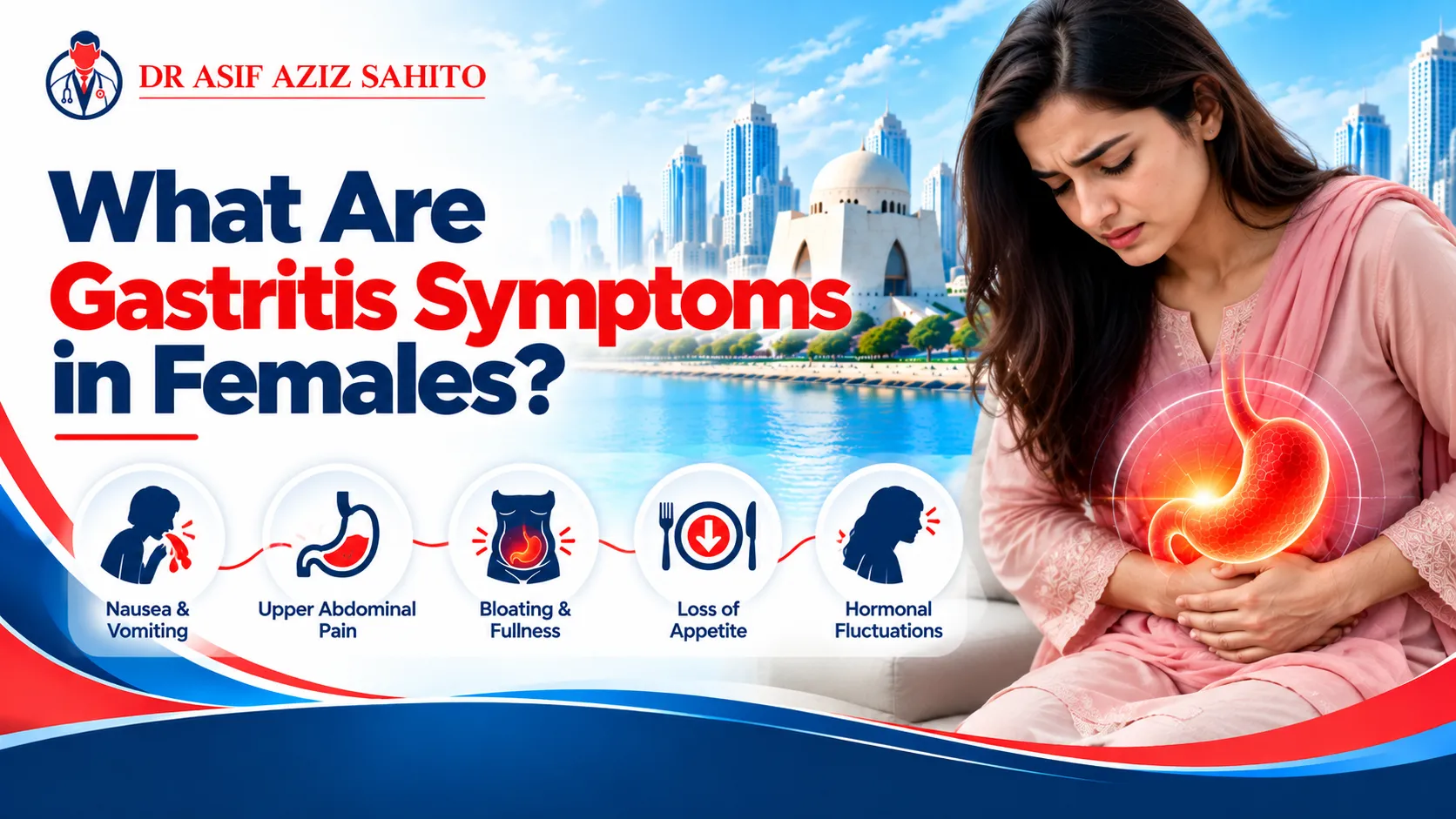
Gastritis symptoms in females are generally the same as those experienced by males. They can include:
There is no completely separate set of female-only gastritis symptoms. However, abdominal discomfort in women can have many other causes. Menstrual cramps, pregnancy-related nausea, gallbladder disease, urinary problems, ovarian conditions, and other digestive disorders may produce overlapping symptoms.
This makes self-diagnosis difficult. Women with persistent or unusual abdominal pain should seek medical advice rather than assuming that every episode of nausea or stomach pain is gastritis.
Pregnancy can cause nausea, reflux, indigestion, and abdominal discomfort even without gastritis. Pregnant women should avoid starting medicines for stomach symptoms without medical advice because some medicines may not be suitable during pregnancy.
Back pain is not considered one of the classic gastritis symptoms. Gastritis mainly causes discomfort in the upper abdomen. However, some people describe upper abdominal pain that seems to spread toward the back. This does not automatically mean gastritis is responsible.
Upper abdominal pain combined with back pain can occur with other conditions involving the pancreas, gallbladder, stomach, kidneys, or musculoskeletal system.
If you have severe abdominal pain that moves into your back, especially with repeated vomiting, fever, weakness, chest discomfort, or worsening symptoms, seek medical assessment promptly. Do not assume that significant back pain is simply a gastritis symptom.
Diarrhea is not a typical primary symptom of gastritis. The stomach and intestines are different parts of the digestive system. Gastritis mainly affects the stomach lining. A person may still develop diarrhea at the same time because of:
Therefore, experiencing gastritis symptoms and diarrhea together does not prove that gastritis caused the diarrhea. Persistent diarrhea, dehydration, bloody stool, fever, or severe abdominal pain requires medical evaluation.
A doctor usually begins by asking about your symptoms, medical history, medicines, diet, alcohol use, and previous digestive problems. The next step depends on your symptoms and risk factors.
Your doctor will decide which test is appropriate.
Blood tests may sometimes be used to look for anemia, vitamin deficiencies, infection-related issues, or other conditions contributing to symptoms.
An upper gastrointestinal endoscopy uses a thin flexible camera to examine the oesophagus, stomach, and first part of the small intestine. During the procedure, small tissue samples called biopsies can also be taken.
Endoscopy is not necessary for every mild episode of indigestion. It may be recommended when symptoms persist, warning signs are present, treatment fails, or the doctor needs to examine the stomach lining directly.
There is no single gastritis treatment that works for every patient. The correct treatment depends on the cause.
When H. pylori infection is confirmed, doctors usually prescribe a combination of medicines that may include antibiotics and acid-reducing medication. Completing the prescribed course is important.
Stopping antibiotics early can reduce the chance of successful treatment and contribute to antibiotic resistance. Your doctor may also recommend repeat testing after treatment to confirm that the infection has cleared.
Medicines used in gastritis symptom treatment may include: Proton pump inhibitors (PPIs): These reduce stomach acid and help create an environment in which the stomach lining can heal. H2 blockers: These also reduce stomach acid.
Antacids: These may provide quick short-term relief by neutralising stomach acid, but they do not treat every underlying cause of gastritis. Medication choice, dosage, and duration should be discussed with a healthcare professional, especially if symptoms continue.
If an NSAID painkiller is irritating your stomach, a doctor may consider changing the medicine, reducing the dose, or using stomach-protective treatment. Never stop a prescribed medicine suddenly without medical guidance.
There is no universal “gastritis diet” that cures stomach inflammation. Diet is not considered the main cause of most gastritis cases. However, individual foods and drinks can worsen symptoms in some people. During a symptomatic period, you may find it useful to:
You do not need to remove every spicy or acidic food from your diet unless it actually causes symptoms. Overly restrictive diets can make eating difficult and may reduce nutrition without addressing the real cause of gastritis.
During recovery, avoid things that are known to irritate your stomach. These may include:
Another common mistake is taking antibiotics without proper testing or medical advice. Not every stomach problem is caused by H. pylori, and unnecessary antibiotics can cause side effects and contribute to antibiotic resistance.
An occasional mild episode of indigestion may settle without specific treatment. However, arrange a medical assessment if stomach symptoms:
Persistent digestive symptoms deserve proper evaluation because gastritis is only one of several possible causes.
Some symptoms may indicate stomach bleeding or another serious condition. Seek urgent medical care if you experience:
Bleeding from the stomach can sometimes occur when inflammation or ulcers damage the stomach lining. These symptoms should not be treated at home as simple acidity.
Most people improve when the cause is identified and properly treated. However, untreated or persistent gastritis can sometimes lead to complications. Possible problems include stomach ulcers and gastrointestinal bleeding.
Long-standing H. pylori gastritis and some forms of chronic gastritis are also associated with changes in the stomach lining. This is one reason persistent symptoms and confirmed H. pylori infection should be managed appropriately. Autoimmune gastritis may also affect vitamin B12 or iron absorption and contribute to anemia.
These conditions can produce similar symptoms, but they are not the same.
Condition | Main Problem | Common Symptoms |
Gastritis | Inflammation of the stomach lining | Upper abdominal discomfort, nausea, fullness |
Acid reflux/GERD | Stomach contents move into the oesophagus | Heartburn, sour taste, chest or throat burning |
Peptic ulcer | Open sore in stomach or duodenum | Burning upper abdominal pain, possible bleeding |
Indigestion | Collection of digestive symptoms rather than one disease | Fullness, discomfort, bloating, burning |
Because symptoms overlap, a person cannot reliably distinguish these conditions based only on where the pain occurs. A medical assessment is particularly important when symptoms are persistent.
If you have recurring stomach discomfort, these steps can help your doctor understand the problem:
Keeping a short symptom record for several days can be useful, especially when symptoms come and go.
People in Karachi often use terms such as acidity, gas, reflux, and gastritis interchangeably. Yet repeated upper abdominal pain should not automatically be labelled as “gas.”
If your symptoms continue, a doctor can assess your medical history and decide whether you need H. pylori testing, blood tests, medicine changes, or an upper GI endoscopy. Proper diagnosis helps avoid months of repeated self-medication without understanding why the symptoms keep returning.