Subtotal $0.00


Medova is a convenience services to the adaptability, Spacious modern villa living room with centrally placed swimming pool blending indooroutdoor
Medova is a convenience services to the adaptability, Spacious modern villa living room with centrally placed swimming pool blending indooroutdoor
Digestive problems such as stomach pain, acidity, bloating, constipation, diarrhea, and liver-related conditions should not be ignored if they persist. Early diagnosis by an experienced specialist can help prevent complications and improve long-term digestive health.
If you are searching for the best gastroenterologist in Pakistan, choosing the right doctor is essential. Dr. Asif Aziz Sahito (MBBS, FCPS) is an experienced Consultant Physician in Karachi with expertise in diagnosing and managing digestive disorders, liver diseases, hepatitis, acid reflux, gastritis, and fatty liver disease using an evidence-based approach.
This guide explains when to consult a digestive specialist, the conditions they treat, and how to choose the Best Gastroenterologist in Karachi for expert digestive care.
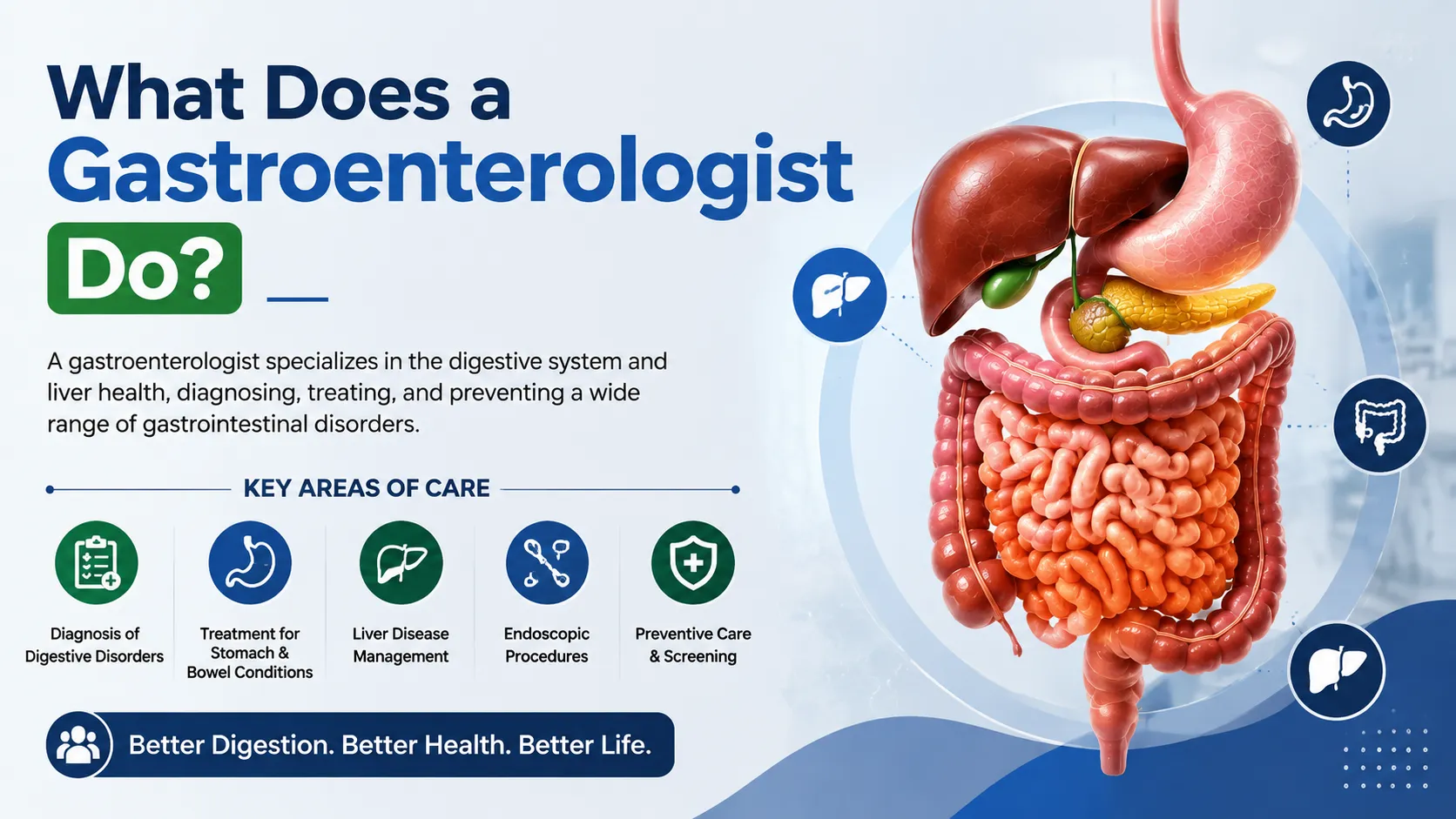
A gastroenterologist is a specialist who diagnoses, treats, and prevents diseases affecting the digestive system, including the stomach, intestines, liver, pancreas, gallbladder, and esophagus. They manage conditions such as acid reflux, gastritis, ulcers, fatty liver disease, hepatitis, IBS, and other digestive disorders.
If you experience ongoing stomach pain, bloating, constipation, diarrhea, or liver-related symptoms, a gastroenterologist may recommend tests such as blood work, endoscopy, or colonoscopy to identify the underlying cause and provide the right treatment.
As digestive disorders continue to rise in Pakistan, consulting an experienced Gastroenterologist in Karachi can help ensure timely diagnosis and effective care.
Many digestive diseases develop slowly, and symptoms like acidity, stomach pain, or bloating may seem harmless at first. However, if left untreated, they can lead to more serious conditions such as ulcers, liver disease, or chronic digestive disorders. An experienced gastroenterologist focuses on identifying the root cause rather than simply relieving symptoms.
With the help of advanced diagnostic tests such as endoscopy, colonoscopy, ultrasound, and blood tests, specialists can accurately diagnose digestive conditions and recommend the most appropriate treatment. Early diagnosis and regular follow-up also play an important role in preventing complications and improving long-term digestive health.
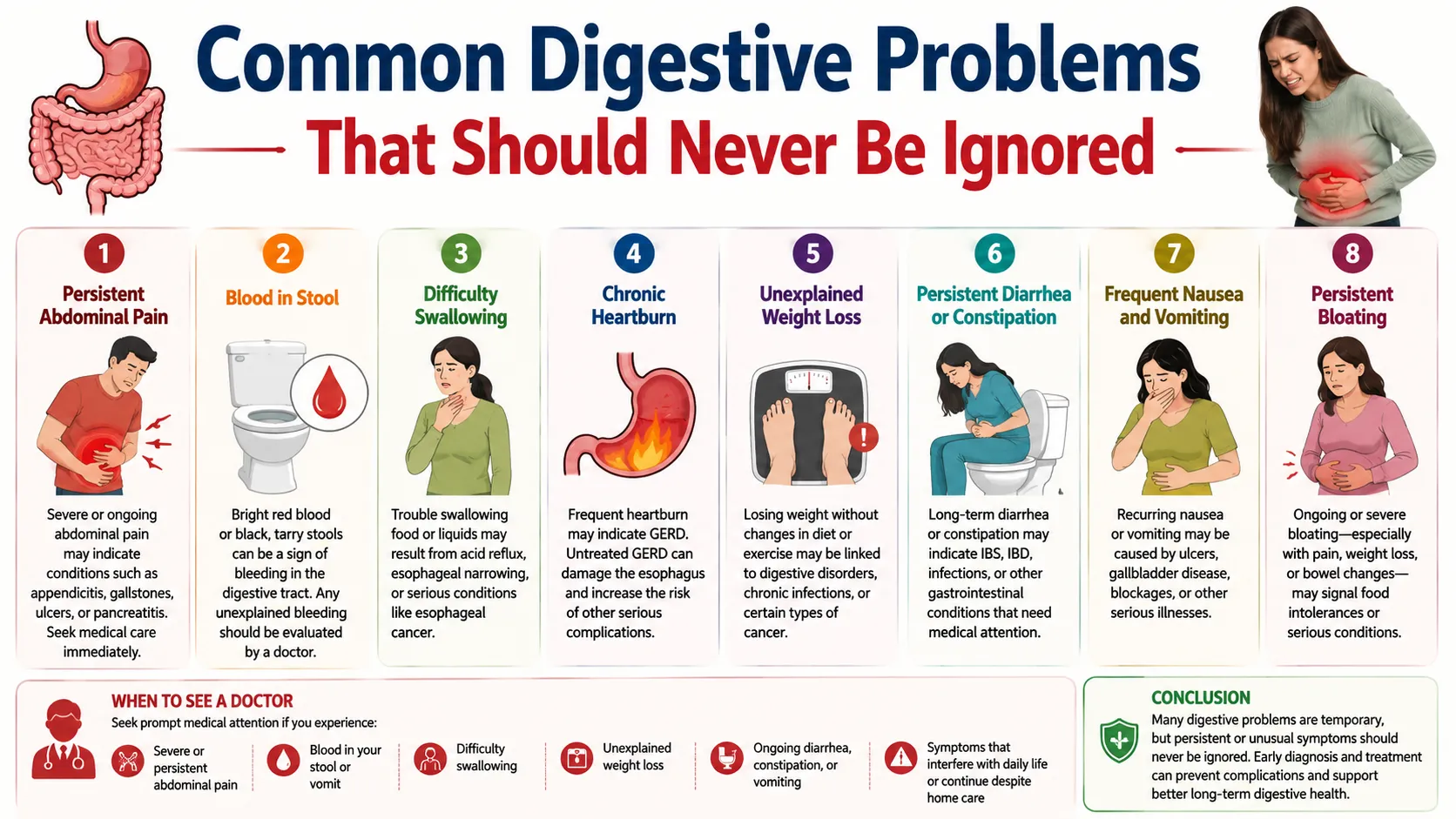
Many people rely on home remedies or over-the-counter medicines for digestive problems, but symptoms that persist or keep returning should not be ignored. Ongoing acidity, bloating, stomach pain, constipation, diarrhea, unexplained weight loss, blood in the stool, or jaundice may indicate an underlying digestive disorder that requires medical evaluation.
Because many digestive diseases share similar symptoms, self-diagnosis can be misleading. An experienced Gastroenterologist in Karachi can identify the exact cause through proper evaluation and recommend the right treatment. Early diagnosis helps prevent complications and improves long-term digestive health.
A gastroenterologist manages a broad spectrum of digestive and liver diseases affecting patients of all ages. Some conditions are short-term and easily treated, while others require ongoing monitoring and long-term management. Understanding these conditions can help patients recognize when specialist care is appropriate.
Acid reflux is among the most common digestive disorders seen in clinical practice. It occurs when stomach acid repeatedly flows back into the esophagus, causing symptoms such as heartburn, sour taste in the mouth, chest discomfort, and difficulty swallowing.
While occasional reflux is common, persistent symptoms may damage the lining of the esophagus if left untreated. Modern treatment involves more than prescribing acid-reducing medication.
A gastroenterologist evaluates dietary habits, lifestyle factors, body weight, medication history, and associated medical conditions before developing a comprehensive treatment plan. In some cases, endoscopy may be recommended to assess the severity of inflammation or rule out complications.
Inflammation of the stomach lining, known as gastritis, is another frequently diagnosed digestive condition. It may develop because of bacterial infection, prolonged use of pain-relieving medications, excessive alcohol consumption, or autoimmune disorders. Patients often experience upper abdominal discomfort, nausea, early fullness after meals, or indigestion.
When inflammation progresses, ulcers may develop within the stomach or the upper part of the small intestine. Although many ulcers respond well to medication, untreated ulcers can lead to bleeding or perforation. Accurate diagnosis and timely treatment are therefore essential to prevent complications and promote complete healing.
Although IBS (Irritable Bowel Syndrome) and IBD (Inflammatory Bowel Disease) share some symptoms, they are different conditions. IBS is a functional disorder that commonly causes abdominal pain, bloating, constipation, or diarrhea, while IBD, including Crohn’s disease and Ulcerative Colitis, involves chronic inflammation that can damage the digestive tract.
Because both conditions can present with similar symptoms, self-diagnosis is not reliable. An experienced Gastroenterologist in Karachi can accurately diagnose the condition through a medical evaluation and appropriate tests, ensuring you receive the right treatment and long-term care.
Fatty liver disease is becoming increasingly common in Pakistan, mainly due to obesity, diabetes, high cholesterol, and inactive lifestyles. It occurs when excess fat builds up in the liver, often without noticeable symptoms in its early stages. If left untreated, it can progress to liver inflammation, fibrosis, or cirrhosis.
Early diagnosis is important, especially for people with diabetes or obesity. Treatment typically includes weight management, a healthy diet, regular exercise, and controlling underlying medical conditions. Regular follow-up with an experienced physician helps monitor liver health and prevent complications.
Pakistan continues to face a significant burden of viral hepatitis, particularly Hepatitis B and Hepatitis C. These infections affect the liver and may remain undetected for many years because symptoms often appear only after considerable liver damage has occurred. For this reason, timely screening and specialist evaluation are extremely important.
Hepatitis viruses cause inflammation of the liver, which can gradually lead to fibrosis, cirrhosis, liver failure, or liver cancer if left untreated. Some patients experience fatigue, loss of appetite, nausea, abdominal discomfort, or jaundice, while others may have no symptoms at all.
Modern medical advances have greatly improved the management of hepatitis. Many patients with Hepatitis C can now be successfully treated with antiviral medications, while Hepatitis B can often be effectively controlled through long-term monitoring and appropriate medical therapy.
Regular liver function assessment, imaging studies, and viral load monitoring help physicians evaluate disease progression and treatment response. Because hepatitis is a major public health concern in Pakistan, individuals with risk factors or abnormal liver tests should seek medical advice rather than waiting for symptoms to develop.
The gallbladder and pancreas play an important role in digestion, and problems affecting these organs require timely medical attention. Common conditions include gallstones, which can cause severe abdominal pain, nausea, and vomiting, and pancreatitis, which may lead to intense upper abdominal pain and inflammation.
An experienced gastroenterologist diagnoses these conditions using blood tests, ultrasound, CT scans, and other imaging techniques to provide an accurate diagnosis and appropriate treatment.
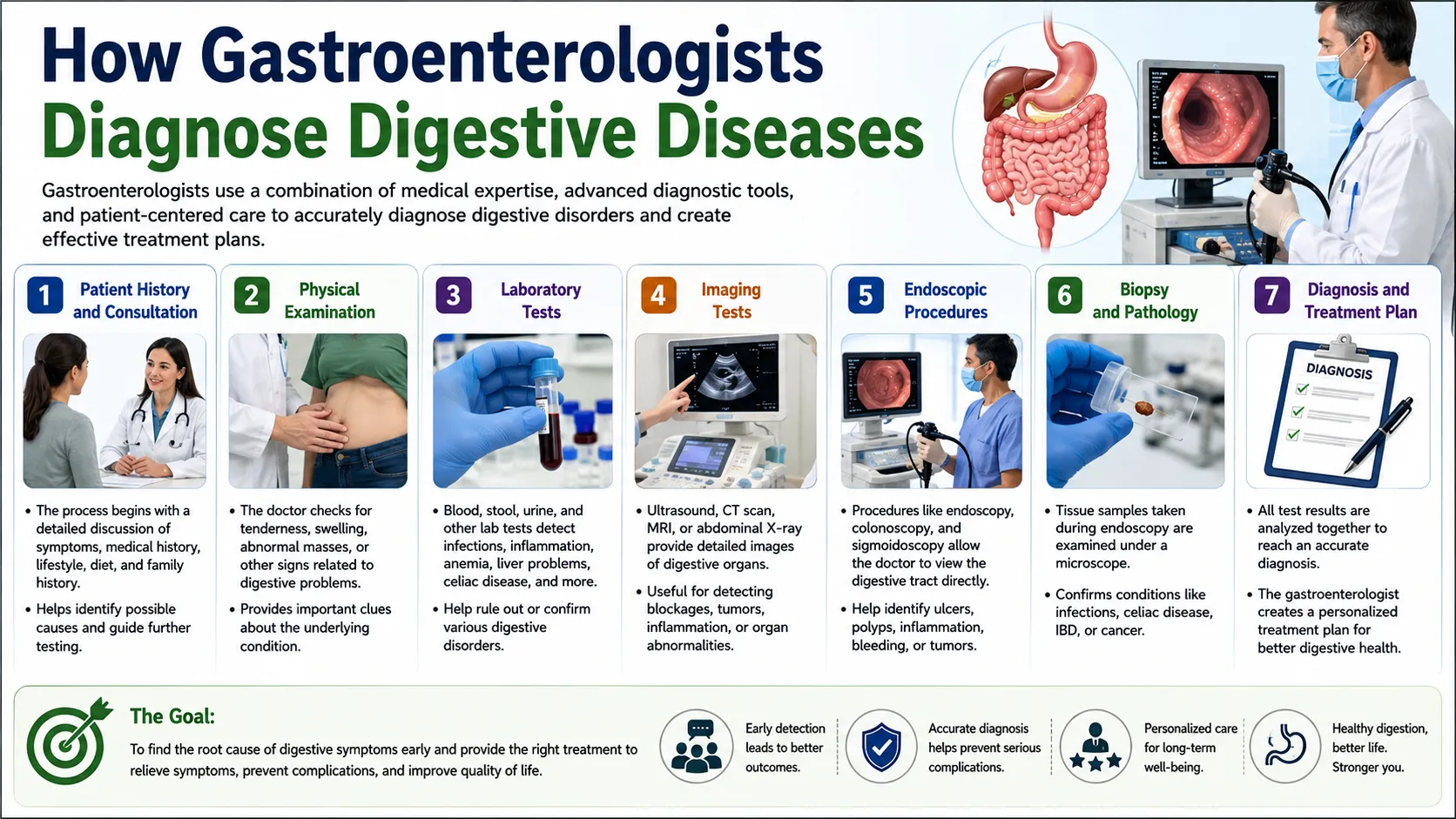
One of the greatest strengths of modern gastroenterology is its ability to diagnose digestive disorders accurately through evidence-based investigations. Because many digestive diseases produce similar symptoms, reaching the correct diagnosis often requires more than a physical examination alone.
A consultation usually begins with a detailed discussion about your symptoms, dietary habits, medical history, family history, medications, and lifestyle. This information helps the physician determine which investigations are most appropriate while avoiding unnecessary testing.
Depending on your symptoms, diagnostic evaluation may include blood tests to assess infection, inflammation, anemia, or liver function. Stool analysis can identify infections, bleeding, or inflammatory conditions affecting the intestines. Ultrasound and CT scans provide detailed images of abdominal organs, helping detect gallstones, liver disease, pancreatic disorders, or other structural abnormalities.
When more detailed examination is required, endoscopic procedures allow physicians to directly visualize the digestive tract and obtain tissue samples if necessary. These advanced diagnostic techniques have significantly improved the early detection and treatment of many gastrointestinal diseases.
Many patients become anxious when their doctor recommends an endoscopy or colonoscopy. In reality, both procedures are commonly performed, minimally invasive, and provide valuable information that cannot always be obtained through scans or laboratory tests alone.
An upper gastrointestinal endoscopy allows the doctor to examine the esophagus, stomach, and first part of the small intestine using a thin flexible camera. It is commonly recommended for persistent heartburn, difficulty swallowing, chronic stomach pain, unexplained vomiting, suspected ulcers, or gastrointestinal bleeding.
A colonoscopy examines the large intestine and rectum. This procedure is particularly useful for investigating persistent diarrhea, chronic constipation, rectal bleeding, inflammatory bowel disease, and colorectal cancer screening. During the examination, polyps or suspicious tissue can often be removed or biopsied without the need for major surgery.
Most patients receive sedation during these procedures, making them comfortable and well tolerated. The benefits of obtaining an accurate diagnosis usually far outweigh the temporary inconvenience of the examination.
Condition | Common Symptoms | Diagnostic Approach |
Acid Reflux (GERD) | Heartburn, chest burning, sour taste | Clinical assessment, Upper GI Endoscopy if indicated |
Gastritis & Peptic Ulcers | Upper abdominal pain, nausea, indigestion | Endoscopy, H. pylori testing |
Fatty Liver Disease | Often no symptoms, fatigue, abnormal liver tests | Liver Function Tests, Ultrasound |
Hepatitis B & C | Fatigue, jaundice, abnormal liver enzymes | Viral markers, Liver Function Tests, Ultrasound |
Irritable Bowel Syndrome (IBS) | Bloating, abdominal pain, constipation or diarrhea | Clinical evaluation after excluding other causes |
Inflammatory Bowel Disease (IBD) | Persistent diarrhea, blood in stool, weight loss | Colonoscopy with biopsy |
Gallstones | Right upper abdominal pain, nausea | Abdominal Ultrasound |
Pancreatitis | Severe upper abdominal pain, vomiting | Blood tests, CT Scan, Ultrasound |
The diagnostic process is not simply about identifying a disease; it is about understanding its severity, possible complications, and the treatment approach that will provide the best long-term outcome for the patient.
This is why individuals experiencing persistent digestive symptoms should consult an experienced specialist rather than relying solely on over-the-counter medications or home remedies.
Finding the best gastroenterologist in Pakistan is not simply about selecting the most well-known doctor or the nearest clinic. Digestive diseases often require careful evaluation, accurate diagnosis, and long-term follow-up, so choosing a physician with the right qualifications and experience is essential.
A good gastroenterologist takes time to understand your symptoms, reviews your medical history thoroughly, and recommends investigations only when they are clinically necessary. Instead of focusing solely on relieving symptoms, the goal should be to identify the underlying cause of the problem and create a personalized treatment plan that supports long-term digestive health.
When comparing specialists, patients should also consider the availability of modern diagnostic facilities, hospital affiliations, communication style, and commitment to evidence-based medicine. Digestive disorders often require ongoing care, making trust and clear communication just as important as clinical expertise.
Although every patient’s healthcare needs are different, several qualities consistently distinguish experienced digestive specialists from others.
Choosing a physician with these qualities improves the likelihood of receiving an accurate diagnosis and appropriate treatment while helping patients feel confident throughout their healthcare journey.
Karachi has become one of Pakistan’s leading centers for specialized medical care. The city offers access to experienced physicians, advanced hospitals, modern diagnostic equipment, and multidisciplinary healthcare teams capable of managing both common and complex digestive diseases.
Patients from across Sindh and other regions of Pakistan frequently travel to Karachi for evaluation of persistent gastrointestinal symptoms, chronic liver disease, inflammatory bowel disease, hepatitis, pancreatic disorders, and colorectal conditions.
Access to advanced diagnostic procedures, including upper gastrointestinal endoscopy, colonoscopy, abdominal imaging, and specialized laboratory testing, allows physicians to make more accurate diagnoses and begin timely treatment.
Another advantage of seeking care in Karachi is the availability of comprehensive follow-up services. Many digestive disorders require ongoing monitoring rather than one-time treatment. Regular consultations help physicians assess treatment response, adjust medications when necessary, and identify potential complications before they become serious.
When seeking expert care for digestive and liver conditions, choosing an experienced physician is essential. Dr. Asif Aziz Sahito (MBBS, FCPS) is a Consultant Physician in Karachi with over 17 years of clinical experience, specializing in the diagnosis and management of digestive disorders, liver diseases, hepatitis B & C, diabetes, hypertension, and other internal medicine conditions.
By combining detailed clinical evaluation with evidence-based treatment, Dr. Asif Aziz Sahito helps patients manage conditions such as acid reflux, gastritis, fatty liver disease, abdominal pain, constipation, diarrhea, and other digestive concerns. His patient-centered approach focuses on accurate diagnosis, personalized care, and long-term health outcomes.
The best gastroenterologist is a qualified and experienced specialist who provides evidence-based care, accurately diagnoses digestive diseases, communicates clearly with patients, and develops personalized treatment plans.
Choosing a doctor should be based on clinical expertise, professional credentials, and patient-centered care rather than popularity alone.
You should seek medical advice if digestive symptoms persist for more than a few weeks or repeatedly return. Persistent heartburn, abdominal pain, bloating, constipation, diarrhea, blood in the stool, unexplained weight loss, jaundice, or difficulty swallowing all require professional evaluation.
No. An endoscopy is recommended only when your physician believes it is clinically necessary. Many digestive conditions can initially be evaluated through medical history, physical examination, laboratory investigations, and imaging studies. Your doctor will determine whether an endoscopic examination is appropriate based on your symptoms and overall health.
In many patients, especially during its early stages, fatty liver disease can improve significantly through healthy lifestyle changes, weight management, regular exercise, and proper control of diabetes or high cholesterol. Ongoing medical supervision is important to monitor liver health and prevent disease progression.
Yes. Colonoscopy is considered a safe and widely performed procedure when carried out by trained healthcare professionals. Most patients receive sedation, making the examination comfortable while allowing doctors to diagnose and sometimes treat certain conditions during the same procedure.
Although not every digestive disorder can be prevented, maintaining a healthy lifestyle can significantly reduce the risk of many gastrointestinal conditions. Eating a balanced diet, staying physically active, avoiding tobacco use, limiting alcohol consumption, maintaining a healthy weight, and attending regular medical check-ups all contribute to better digestive health.
Digestive problems such as abdominal pain, acid reflux, bloating, constipation, diarrhea, or liver-related symptoms should never be ignored. Early diagnosis and timely treatment can help prevent complications and improve your long-term digestive health.
If you are looking for the best gastroenterologist in Pakistan or an experienced Gastroenterologist in Karachi, Dr. Asif Aziz Sahito (MBBS, FCPS) provides evidence-based care for digestive and liver conditions.
Book your appointment today for a thorough evaluation and a personalized treatment plan to help you achieve better digestive health.