Subtotal $0.00


Medova is a convenience services to the adaptability, Spacious modern villa living room with centrally placed swimming pool blending indooroutdoor
Medova is a convenience services to the adaptability, Spacious modern villa living room with centrally placed swimming pool blending indooroutdoor
Your digestive system plays a vital role in absorbing nutrients, removing waste, and supporting your overall health. When problems such as persistent stomach pain, acid reflux, constipation, diarrhea, bloating, or unexplained weight loss continue for more than a few weeks, they should not be ignored, as they may indicate an underlying digestive disorder.
A Digestive disease specialist is a physician who diagnoses and treats conditions affecting the stomach, intestines, liver, pancreas, gallbladder, and other parts of the digestive tract.
Using modern diagnostic techniques and evidence-based treatments, these specialists help identify the root cause of digestive symptoms and provide personalized care for conditions ranging from acid reflux and gastritis to liver disease and inflammatory bowel disease.
If you are searching for a Digestive disease specialist near Karachi, consulting an experienced physician can lead to early diagnosis, effective treatment, and better long-term digestive health. This guide covers common digestive diseases, their symptoms, diagnostic methods, treatment options, and when to seek expert medical care.
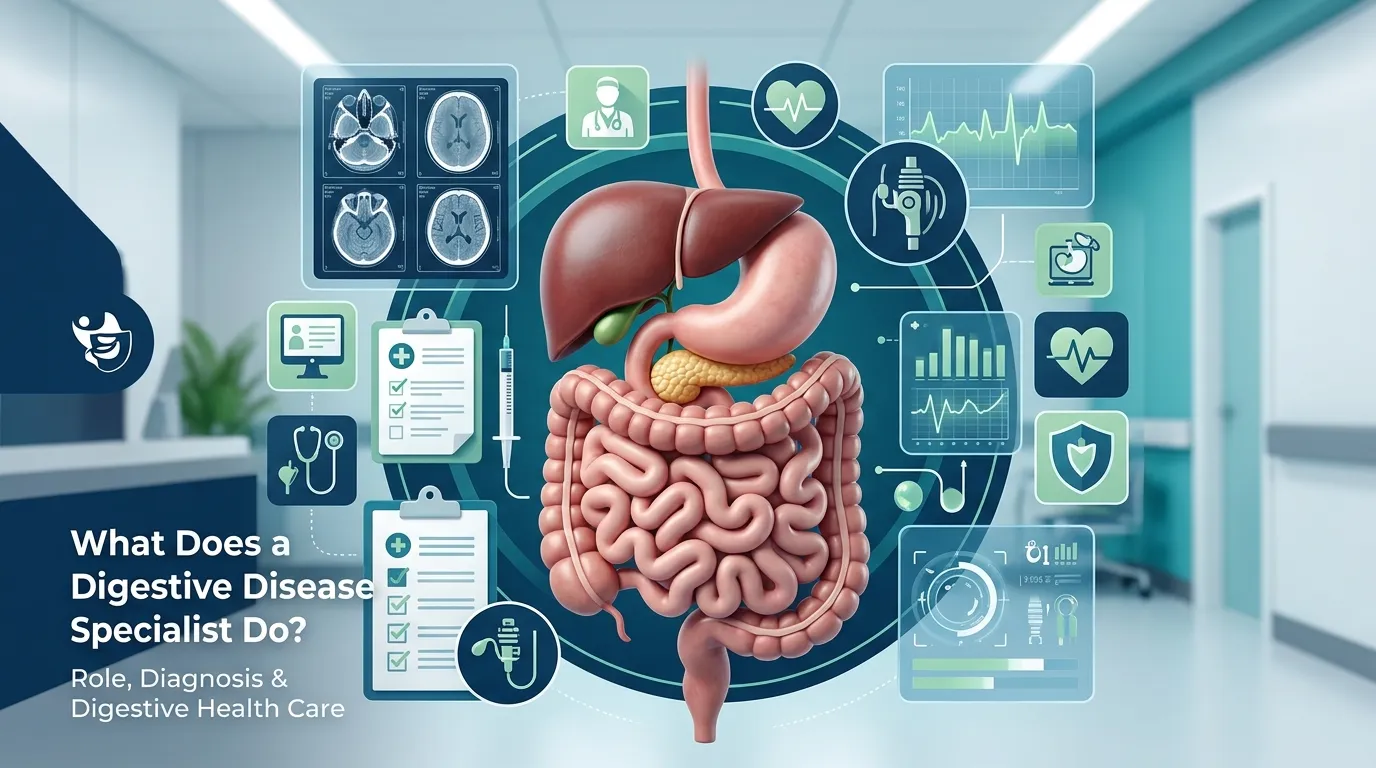
A Digestive disease specialist, also known as a gastroenterologist, is a doctor who diagnoses and treats diseases affecting the digestive system, including the esophagus, stomach, intestines, liver, pancreas, gallbladder, and rectum. Because many digestive disorders have similar symptoms, specialized medical expertise is essential to identify the exact cause.
During a consultation, the specialist reviews your symptoms, medical history, lifestyle, and may recommend tests such as blood work, ultrasound, endoscopy, or colonoscopy to make an accurate diagnosis. Based on the findings, they develop a personalized treatment plan to manage the condition effectively.
A qualified Gastroenterologist specialist in Karachi not only treats digestive diseases but also helps patients improve their digestive health through proper nutrition, lifestyle changes, and preventive care, reducing the risk of future complications.
A healthy digestive system is essential for proper nutrient absorption, energy production, and overall well-being. When digestion is disrupted, it can lead to problems such as fatigue, nutritional deficiencies, weight changes, bloating, and ongoing stomach discomfort.
Although occasional digestive issues are common, persistent symptoms like acidity, abdominal pain, constipation, or diarrhea should not be ignored. Early diagnosis of conditions such as gastritis, stomach ulcers, liver disease, gallstones, and inflammatory bowel disease can help prevent complications and improve treatment outcomes.
Maintaining good digestive health is not just about relieving symptoms; it is also important for protecting your long-term health and quality of life.
Digestive specialists manage a wide spectrum of gastrointestinal and liver disorders. Some conditions develop suddenly, while others progress gradually over several years before becoming noticeable. Understanding these diseases helps patients recognize when specialist care may be needed.
Digestive Condition | How It Affects the Body | Common Symptoms |
Gastroesophageal Reflux Disease (GERD) | Stomach acid repeatedly irritates the food pipe | Heartburn, sour taste, chest discomfort |
Gastritis | Inflammation of the stomach lining | Burning stomach pain, nausea, indigestion |
Peptic Ulcer Disease | Open sores develop in the stomach or upper intestine | Upper abdominal pain, bloating, vomiting |
Irritable Bowel Syndrome (IBS) | Functional disorder affecting bowel movements | Constipation, diarrhea, abdominal cramps |
Fatty Liver Disease | Fat accumulates within liver cells | Often silent, fatigue, liver enlargement |
Hepatitis | Viral or non-viral inflammation of the liver | Jaundice, weakness, abdominal discomfort |
Gallstones | Hardened deposits form inside the gallbladder | Severe upper abdominal pain after meals |
Pancreatitis | Inflammation of the pancreas | Severe abdominal pain, nausea, vomiting |
Although many digestive disorders produce similar symptoms, each condition requires a different treatment approach. Accurate diagnosis by an experienced physician is therefore essential before starting any medication or home remedy.
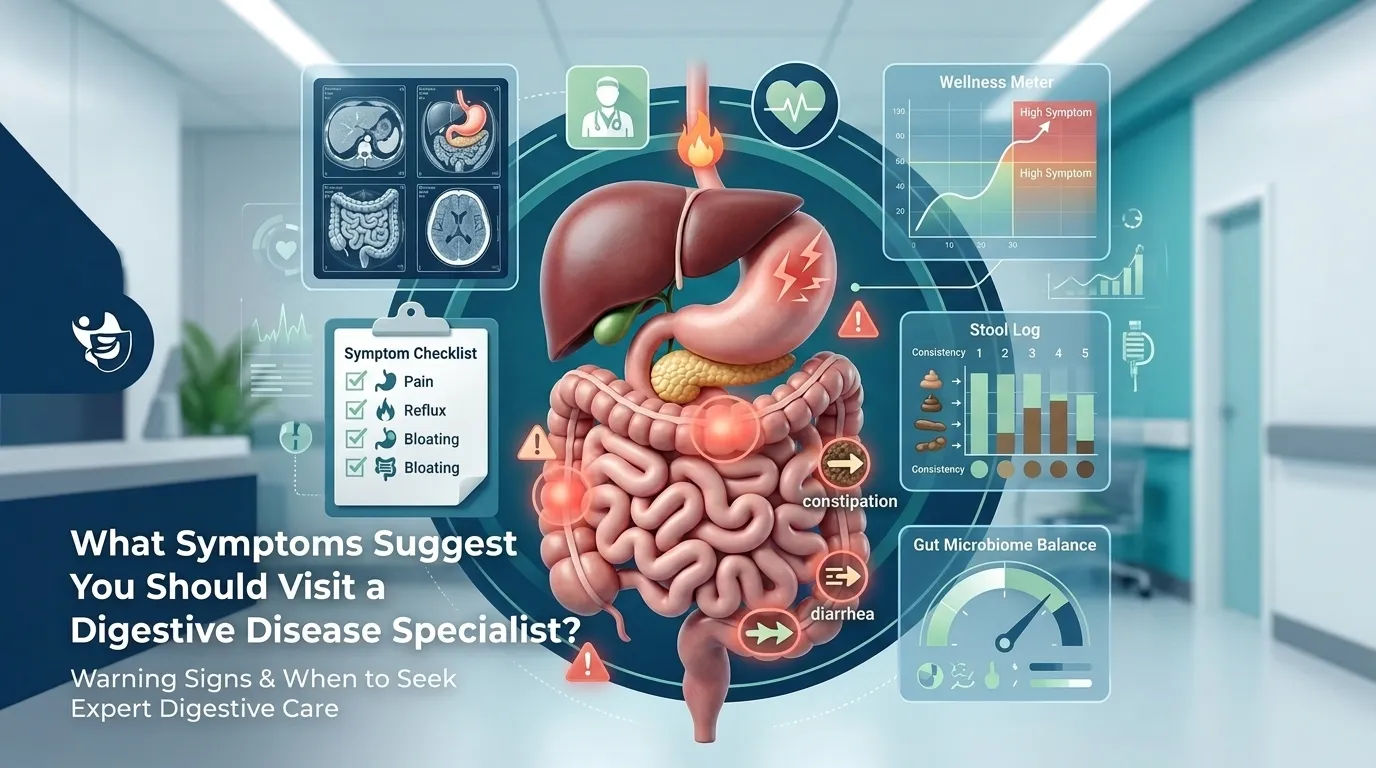
Digestive symptoms are common, but persistent or recurring problems should not be ignored. Ongoing acidity, abdominal pain, constipation, diarrhea, bloating, nausea, unexplained weight loss, blood in vomit or stool, difficulty swallowing, or yellowing of the skin and eyes may indicate a serious digestive or liver condition.
Early diagnosis and treatment can prevent complications and improve recovery, making it important to consult a digestive disease specialist if symptoms continue or worsen.
Digestive diseases can develop due to a combination of factors, including unhealthy eating habits, stress, smoking, obesity, infections, certain medications, and family history. However, some conditions, such as hepatitis and inflammatory bowel disease, may occur even in people with healthy lifestyles.
If digestive symptoms persist, avoid self-medication and consult a Digestive disease specialist. An accurate diagnosis helps identify the underlying cause and ensures appropriate treatment.
One of the biggest misconceptions about digestive diseases is that symptoms will eventually disappear without treatment. Although some minor stomach problems improve naturally, persistent digestive complaints often become more difficult to treat when ignored.
Early diagnosis allows doctors to begin treatment before significant damage occurs to the digestive tract or liver. Modern gastroenterology focuses not only on treating disease but also on preventing complications.
For example, timely management of acid reflux can reduce the risk of long-term damage to the esophagus, while early detection of liver disease may help prevent cirrhosis. Similarly, identifying intestinal polyps during routine screening can lower the risk of colorectal cancer.
Patients who seek medical advice promptly often require less invasive treatment and experience faster recovery compared with those who delay specialist consultation.
Although every patient is different, certain situations should never be ignored. Consider scheduling an appointment with a Digestive disease specialist near Karachi if digestive symptoms continue despite lifestyle changes or repeatedly interfere with your daily activities.
You should also seek specialist care if:
Receiving timely evaluation from an experienced Best Gastroenterologist in Karachi can help identify the underlying cause early and provide appropriate treatment before complications develop.
Many digestive diseases have similar symptoms, making an accurate diagnosis essential for effective treatment. Problems such as heartburn, abdominal pain, diarrhea, or bloating can be caused by conditions including acid reflux, gastritis, stomach ulcers, IBS, liver disease, or infections.
A Digestive disease specialist evaluates your symptoms, medical history, lifestyle, and performs a physical examination. If needed, tests such as blood work, ultrasound, endoscopy, or colonoscopy are recommended to identify the exact cause. Based on the results, the specialist creates a personalized treatment plan tailored to your condition.
Modern diagnostic techniques help identify digestive diseases early, leading to more accurate treatment and better outcomes. Depending on your symptoms, a Digestive disease specialist may recommend blood tests to detect infections, liver disease, anemia, or inflammation, while stool tests can help identify infections, parasites, or hidden bleeding.
Imaging tests such as abdominal ultrasound, CT scan, or MRI provide detailed views of the liver, gallbladder, pancreas, and other abdominal organs.
For persistent digestive symptoms, procedures like endoscopy and colonoscopy allow doctors to examine the digestive tract directly, diagnose conditions such as ulcers, gastritis, inflammatory bowel disease, or colorectal disorders, and guide the most appropriate treatment plan.
Many patients feel anxious when their doctor recommends an endoscopy or colonoscopy. However, both procedures are considered safe, routinely performed, and highly effective in diagnosing digestive diseases. Understanding their purpose can help reduce unnecessary fear and encourage timely evaluation.
Feature | Upper Endoscopy | Colonoscopy |
Examines | Esophagus, stomach, and first part of the small intestine | Colon (large intestine) and rectum |
Common Reasons | Acid reflux, ulcers, gastritis, difficulty swallowing, upper GI bleeding | Blood in stool, chronic diarrhea, constipation, colorectal cancer screening, inflammatory bowel disease |
Procedure Time | Approximately 10–20 minutes | Approximately 20–40 minutes |
Sedation | Usually mild sedation | Usually mild sedation |
Diagnostic Benefit | Detects upper digestive diseases and allows tissue biopsy if needed | Detects colon diseases, removes polyps, and allows biopsy when necessary |
Both procedures may also be used therapeutically. During an endoscopy or colonoscopy, the doctor can remove certain growths, stop bleeding, obtain tissue samples, or perform other minimally invasive treatments without the need for major surgery.
Treatment for digestive diseases depends on the underlying cause rather than the symptoms alone. Some conditions can be managed with dietary and lifestyle changes, while others require medications, specialized procedures, or surgery. This is why self-medication should be avoided without a proper medical evaluation.
Common treatments include medications for acid reflux, gastritis, infections, inflammatory bowel disease, liver disorders, and hepatitis. Alongside medical treatment, maintaining a healthy diet, regular exercise, weight management, and avoiding smoking and excessive alcohol can improve digestive health and reduce the risk of recurrence.
In more serious cases, such as gallstones, advanced bowel disease, or certain cancers, minimally invasive procedures or surgery may be recommended.
Good nutrition plays a key role in managing digestive diseases. A healthy, balanced diet can help relieve symptoms and support faster recovery, while unhealthy eating habits may worsen digestive problems.
Dietary recommendations vary depending on the condition. For example, patients with acid reflux may need to avoid trigger foods, those with constipation are encouraged to increase fiber and water intake, and people with fatty liver disease often benefit from weight management and regular exercise.
Instead of following unverified diets, it is best to seek advice from a qualified Digestive disease specialist, who can recommend a personalized nutrition plan based on your specific health needs.
While not all digestive diseases can be prevented, many can be avoided through healthy lifestyle habits and regular medical checkups. Eating a balanced diet, staying hydrated, exercising regularly, maintaining a healthy weight, and limiting processed foods all support better digestive health and reduce the risk of common gastrointestinal disorders.
Practicing good food hygiene, drinking clean water, and washing hands properly can help prevent digestive infections. People at risk of liver disease should also discuss hepatitis vaccination and routine health screenings with their doctor to detect problems early and protect their long-term digestive health.
Many serious digestive diseases, including colorectal cancer and chronic liver disease, may not cause noticeable symptoms in their early stages. Regular screening helps detect these conditions early, when treatment is often more effective, and complications can be prevented.
People with a family history of digestive diseases, chronic hepatitis, fatty liver disease, or persistent digestive symptoms should have regular medical checkups. Early detection and timely treatment are essential for maintaining long-term digestive health and improving overall outcomes.
Choosing the right doctor is essential for effective digestive care. An experienced physician not only treats symptoms but also identifies their underlying cause and provides personalized, evidence-based treatment.
Dr. Asif Aziz Sahito, Consultant Physician, offers expert care for a wide range of digestive and liver conditions, including GERD, gastritis, peptic ulcers, IBS, fatty liver disease, hepatitis B and C, abdominal pain, constipation, diarrhea, and digestive infections.
Patients looking for a Digestive disease specialist near Karachi can benefit from his comprehensive approach, which combines accurate diagnosis, modern investigations, individualized treatment, and long-term follow-up to support better digestive health.
Choosing the Best Gastroenterologist in Karachi is an important step toward effective digestive care. Many digestive conditions, such as IBS, GERD, hepatitis, and fatty liver disease, require accurate diagnosis, personalized treatment, and regular follow-up.
An experienced Gastroenterologist specialist in Karachi carefully evaluates your medical history, explains your condition clearly, and recommends evidence-based treatment based on your individual needs.
Access to modern diagnostic facilities, including blood tests, ultrasound, endoscopy, and colonoscopy, also helps ensure timely and accurate diagnosis. A doctor who encourages open communication and answers your questions can help you make informed decisions and achieve better long-term digestive health.
Digestive diseases can affect patients differently, even when symptoms appear similar. For example, abdominal pain may result from gastritis, gallstones, pancreatitis, IBS, or other medical conditions. Identifying the exact cause requires proper evaluation and clinical experience.
An experienced digestive physician knows when advanced testing is needed and when simple management is appropriate. This approach helps avoid unnecessary procedures while ensuring serious conditions are not missed.
Experience is especially important for managing chronic problems such as fatty liver disease, hepatitis B and C, stomach ulcers, constipation, and inflammatory bowel disease. For those searching for the Best Gastroenterologist in Karachi, choosing a skilled specialist ensures reliable, evidence-based care and better long-term digestive health.
Successful treatment does not end with prescribing medication. Patients who understand their diagnosis are more likely to follow treatment plans, recognize warning signs, and make healthy lifestyle choices that improve long-term outcomes.
A digestive disease specialist should explain:
This educational approach empowers patients to take an active role in their healthcare and often leads to better symptom control and improved quality of life.
Many digestive diseases develop slowly, with mild symptoms appearing before serious complications occur. Some patients ignore ongoing discomfort, assuming it is due to stress, diet, or temporary indigestion. However, persistent symptoms should always be evaluated by a medical professional.
Conditions like untreated acid reflux, chronic hepatitis, and inflammatory bowel disease can lead to complications if left unmanaged. Even symptoms such as unexplained constipation or blood in the stool may require proper investigation.
Early consultation with a Digestive disease specialist helps detect problems sooner, allowing timely treatment, reducing complications, and improving long-term digestive health.
Patients seeking a Digestive disease specialist near Karachi benefit from consulting a physician who combines clinical experience with a patient-focused approach.
Dr. Asif Aziz Sahito, Consultant Physician, evaluates a wide range of digestive and liver disorders, including GERD, gastritis, peptic ulcer disease, IBS, hepatitis, fatty liver disease, constipation, diarrhea, and abdominal pain.
His approach emphasizes accurate diagnosis, evidence-based treatment, patient education, and long-term follow-up to help patients achieve better digestive health.
A digestive disease specialist is a physician trained to diagnose, treat, and prevent diseases affecting the digestive system, including the stomach, intestines, liver, pancreas, gallbladder, and esophagus. These specialists are commonly known as gastroenterologists.
You should consider seeing a gastroenterologist if you experience persistent abdominal pain, frequent heartburn, chronic constipation, ongoing diarrhea, blood in the stool, difficulty swallowing, unexplained weight loss, jaundice, or digestive symptoms that continue despite treatment. Early consultation helps identify the underlying cause before complications develop.
There is no difference. Both terms refer to doctors who specialize in diagnosing and treating disorders of the digestive system. In Pakistan, the term gastroenterologist is more commonly used, while “digestive disease specialist” is also widely recognized in online searches.
No. These procedures are recommended only when clinically necessary. Many digestive conditions can be diagnosed through a detailed medical history, physical examination, blood tests, stool analysis, or imaging studies. Your doctor will advise an endoscopy or colonoscopy only if it is appropriate for your symptoms and medical history.
Yes. Healthy eating habits, regular exercise, maintaining an appropriate body weight, adequate hydration, stress management, and avoiding tobacco and excessive alcohol can significantly improve many digestive conditions. However, lifestyle changes should complement, not replace, professional medical advice when symptoms persist.
Yes. Gastroenterologists and digestive disease specialists commonly diagnose and manage liver disorders, including fatty liver disease, hepatitis B, hepatitis C, liver inflammation, and other chronic liver conditions. Early diagnosis and regular follow-up are essential for preventing disease progression.
A healthy digestive system is important for overall well-being. Persistent symptoms like acidity, stomach pain, bloating, or bowel problems should not be ignored, as early diagnosis can prevent complications and improve treatment outcomes.
Dr. Asif Aziz Sahito, Consultant Physician, provides expert care for digestive and liver conditions using accurate diagnosis, modern investigations, and personalized treatment plans.
If you are looking for a Digestive disease specialist near Karachi, book an appointment today for professional guidance and better digestive health.