Subtotal $0.00


Medova is a convenience services to the adaptability, Spacious modern villa living room with centrally placed swimming pool blending indooroutdoor
Medova is a convenience services to the adaptability, Spacious modern villa living room with centrally placed swimming pool blending indooroutdoor
Fatty liver disease is becoming increasingly common in Karachi due to obesity, diabetes, unhealthy eating habits, and inactive lifestyles. Because it often develops without noticeable symptoms, many people discover it only during routine blood tests or an ultrasound. If left untreated, fatty liver can progress to liver inflammation, fibrosis, or cirrhosis.
If you are looking for a Fatty liver specialist in Karachi, early diagnosis is essential. Dr. Asif Aziz Sahito (MBBS, FCPS) is a Consultant Physician with over 17 years of clinical experience, providing evidence-based care for fatty liver disease and other chronic medical conditions.
This guide explains the causes, symptoms, diagnosis, treatment, prevention, and when to consult a Liver Specialist in Karachi or a Hepatologist in Karachi.
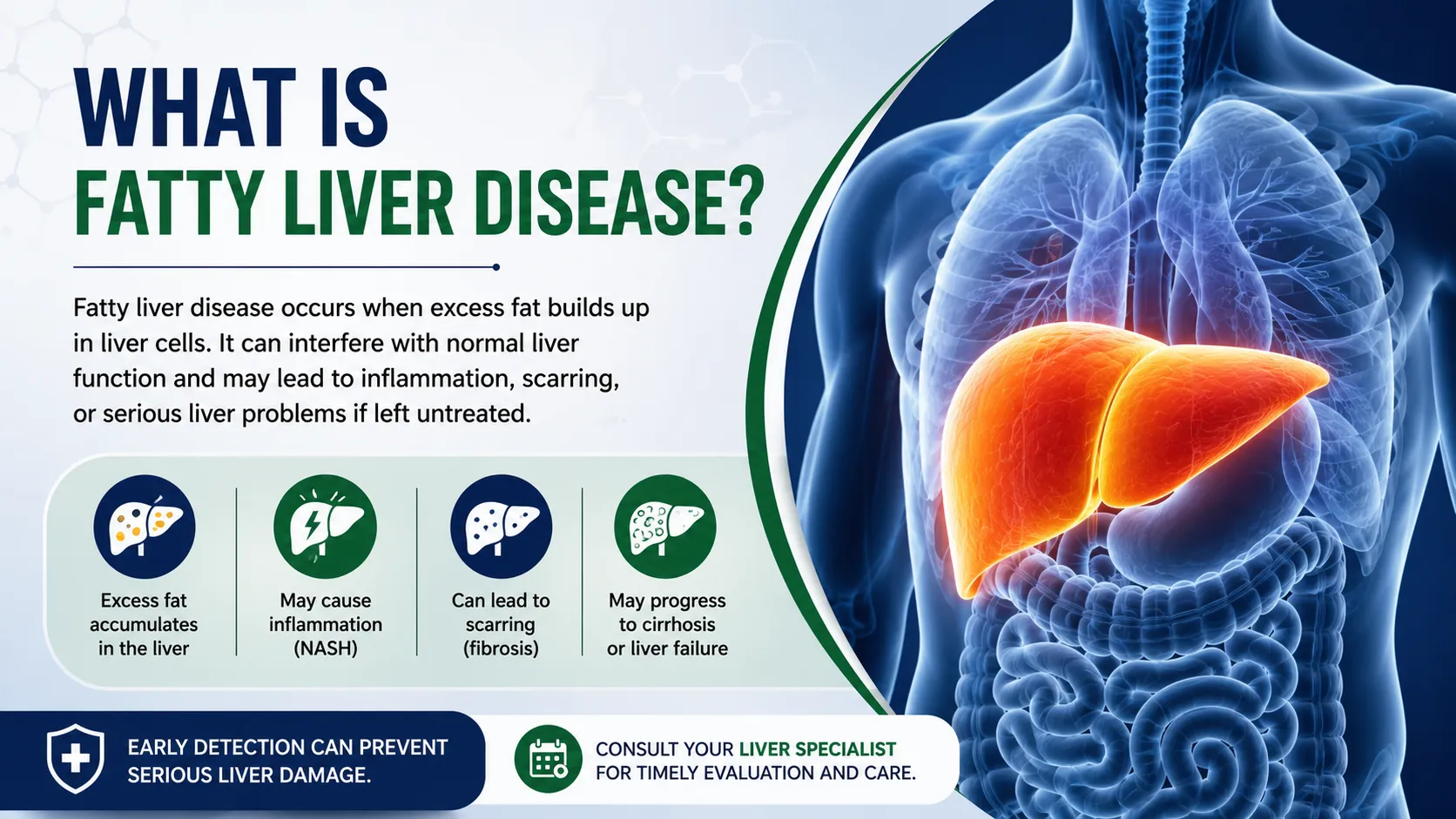
Fatty liver disease is a condition in which excess fat accumulates inside liver cells. While it is normal for the liver to contain a small amount of fat, excessive fat can interfere with the liver’s normal functions. The liver is responsible for filtering toxins from the blood, producing proteins, storing nutrients, regulating metabolism, and supporting digestion.
When too much fat builds up, these functions may gradually become impaired. In its earliest stage, fatty liver may not cause permanent damage. However, if the condition continues to progress, fat accumulation can trigger inflammation within the liver. Over time, this inflammation may lead to scar tissue formation, known as fibrosis.
Advanced fibrosis can eventually develop into cirrhosis, where the liver becomes permanently damaged and loses much of its normal function. The encouraging news is that fatty liver disease is often reversible when identified early. Proper medical care combined with healthy lifestyle changes can significantly reduce liver fat and prevent long-term complications.
Understanding the type of fatty liver disease is important because treatment depends on its underlying cause.
Non-Alcoholic Fatty Liver Disease, commonly known as NAFLD, is the most common form of fatty liver worldwide. It occurs in people who drink little or no alcohol. Instead, it is closely linked to obesity, insulin resistance, diabetes, high cholesterol, and metabolic syndrome.
NAFLD often develops gradually and may remain unnoticed for years because most people experience no symptoms during the early stages. In some individuals, simple fatty liver remains stable for many years, while others develop inflammation known as Non-Alcoholic Steatohepatitis (NASH), which carries a higher risk of liver damage.
Alcohol-related fatty liver develops when excessive alcohol consumption overwhelms the liver’s ability to process alcohol efficiently. This leads to fat accumulation inside liver cells and may eventually cause inflammation and scarring if alcohol intake continues.
Unlike some advanced liver diseases, alcohol-related fatty liver can improve significantly if alcohol consumption is stopped before permanent damage occurs.
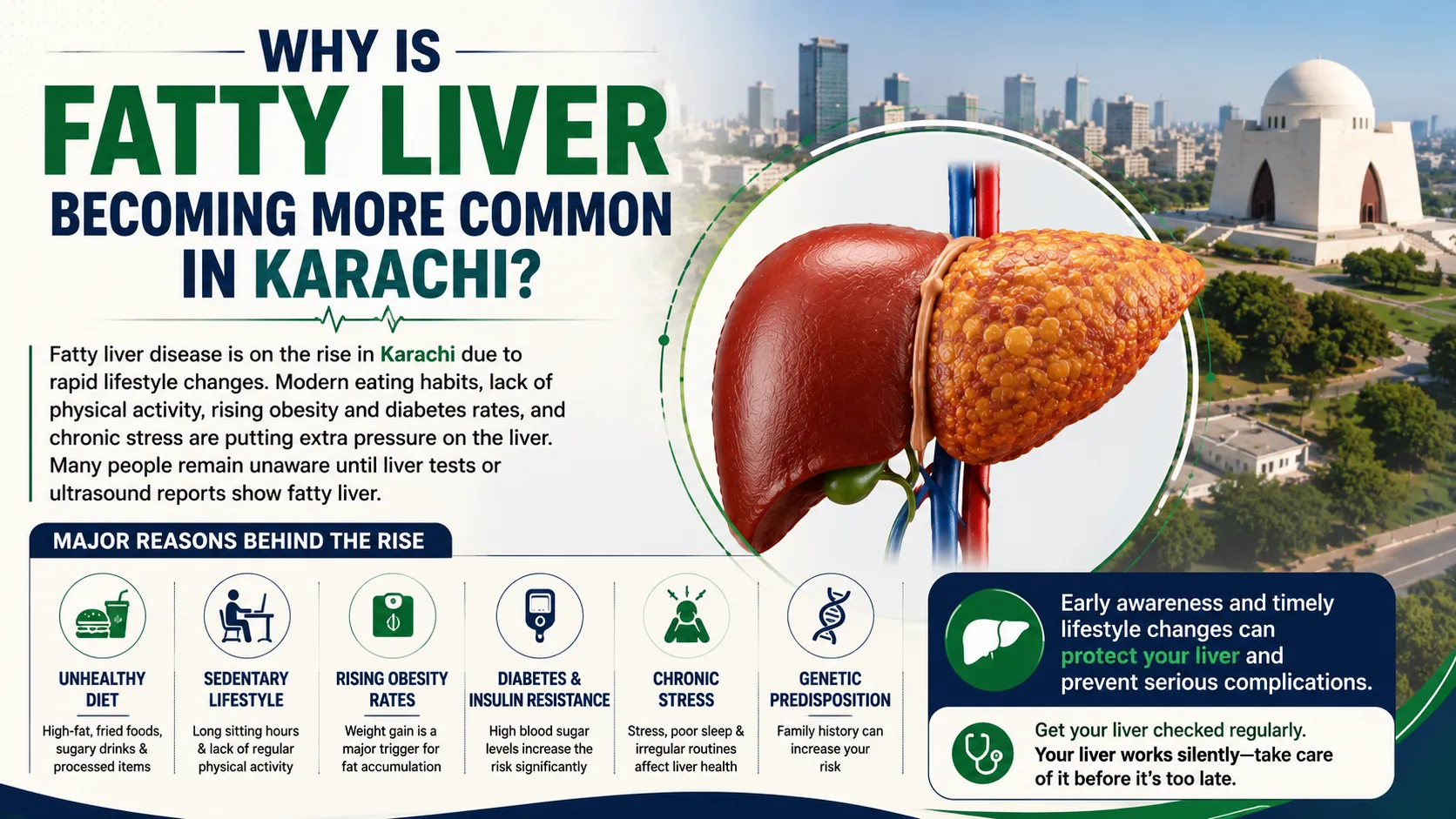
Healthcare professionals have observed a noticeable increase in fatty liver disease throughout Pakistan over the past decade. Several lifestyle changes have contributed to this growing trend.
Modern dietary habits often include high-calorie meals, sugary beverages, processed foods, and excessive fast food consumption. Combined with long working hours, limited physical activity, and increasing rates of obesity and diabetes, these factors create an environment where fat can easily accumulate within the liver.
Many residents of Karachi also experience chronic stress, irregular meal timings, and inadequate sleep, which may further contribute to metabolic disorders associated with fatty liver disease.
As awareness grows and diagnostic facilities become more accessible, more individuals are being diagnosed during routine medical check-ups before symptoms appear.
Fatty liver can affect adults of almost any age, but certain medical conditions and lifestyle factors increase the likelihood of developing the disease.
People at higher risk include individuals who are overweight, have type 2 diabetes, elevated cholesterol, high triglyceride levels, or high blood pressure. Those with metabolic syndrome or insulin resistance are also significantly more likely to develop fatty liver.
Although obesity is one of the strongest risk factors, it is important to understand that people with a normal body weight can also develop fatty liver, particularly if they have diabetes, a genetic predisposition, or unhealthy dietary habits.
Recognizing these risk factors allows people to seek medical advice before liver damage becomes advanced.
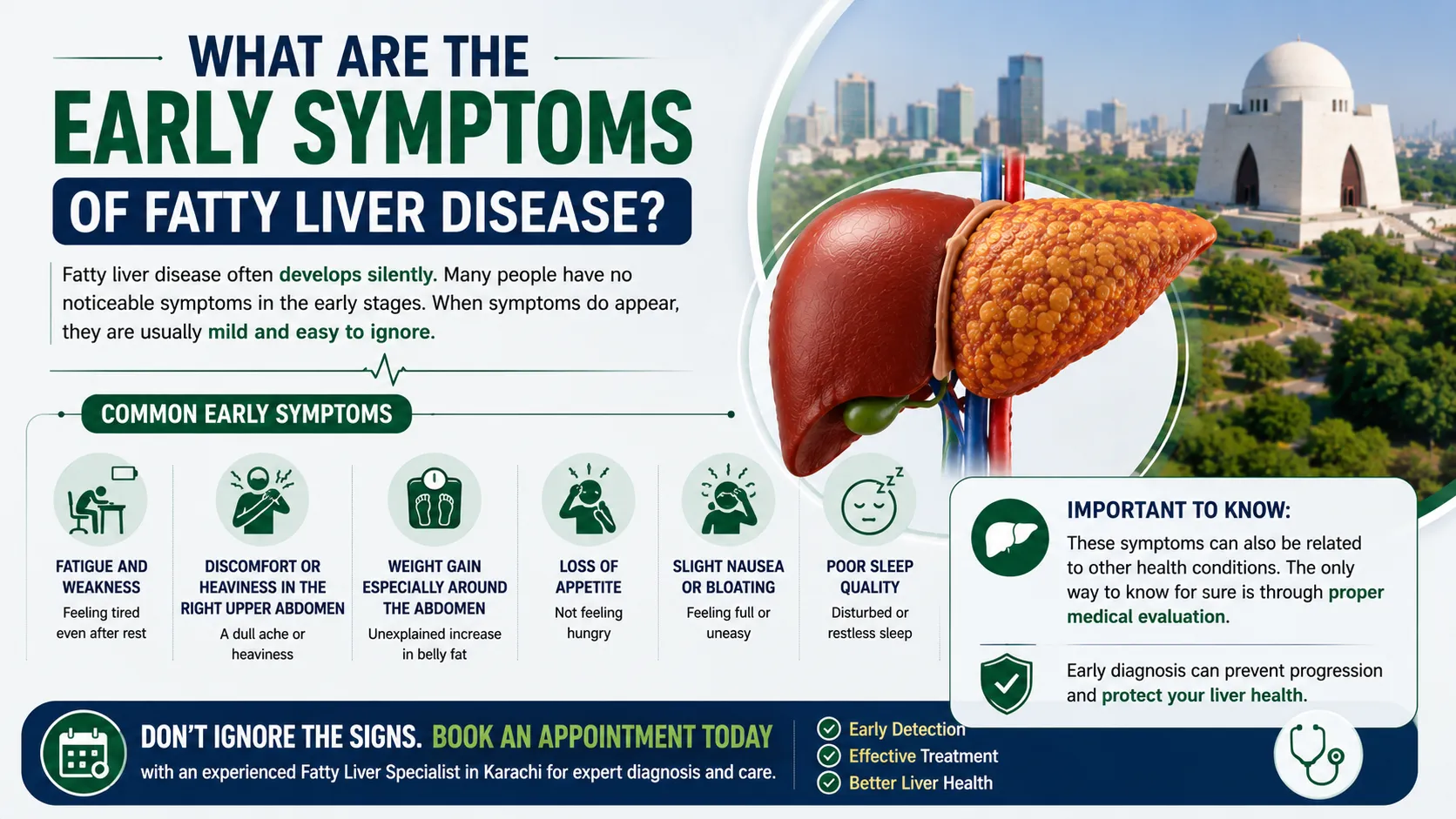
One of the biggest challenges in diagnosing fatty liver disease is that it often produces few or no symptoms during its early stages. Many patients are surprised when an ultrasound performed for another reason reveals fatty infiltration of the liver.
When symptoms do occur, they are often mild and nonspecific. Some people experience persistent fatigue despite getting enough rest. Others notice a dull discomfort or feeling of heaviness in the upper right side of the abdomen where the liver is located. A general lack of energy, difficulty concentrating, or unexplained weakness may also develop gradually.
Because these symptoms can occur with many different health conditions, they should not be used alone to diagnose fatty liver. A proper medical evaluation is necessary to determine the underlying cause.
As liver disease progresses to more advanced stages, symptoms may become more obvious. These can include abdominal swelling, yellowing of the eyes or skin, easy bruising, muscle wasting, and fluid retention. These signs require prompt medical attention because they may indicate significant liver damage.
Many people wonder whether a fatty liver diagnosis automatically requires specialist care. The answer depends on the severity of the disease, associated medical conditions, and laboratory findings.
If your ultrasound reports fatty liver, your liver enzymes remain elevated, or you have diabetes, obesity, or persistent digestive symptoms, consulting a Top liver Specialist in Karachi is advisable. Early evaluation helps determine whether the condition is still reversible or whether additional investigations are needed to assess liver inflammation or fibrosis.
Seeking specialist care is particularly important if liver disease is progressing despite lifestyle improvements or if other liver disorders such as hepatitis need to be ruled out.
A comprehensive consultation usually includes reviewing your medical history, identifying risk factors, examining previous reports, and recommending appropriate investigations to assess the overall health of your liver.
Diagnosing fatty liver disease involves much more than simply looking at an ultrasound report. An experienced Fatty liver specialist in Karachi aims to identify why fat has accumulated in the liver, determine whether inflammation or scarring has developed, and rule out other liver diseases that may require different treatment.
The evaluation usually begins with a detailed discussion about your symptoms, medical history, lifestyle, and current medications. Your doctor may ask about your eating habits, alcohol intake, physical activity, weight changes, diabetes, cholesterol levels, family history of liver disease, and any previous liver infections.
This information helps identify possible risk factors and guides further investigations. After taking your history, the doctor performs a physical examination. Although early fatty liver often has no obvious physical signs, advanced disease may cause enlargement of the liver, abdominal swelling, or other changes that require further assessment.
Because many liver diseases produce similar symptoms, laboratory tests and imaging studies are essential before confirming a diagnosis.
Several investigations help specialists understand the condition of your liver. Each test provides different information, allowing doctors to create a complete picture rather than relying on a single report.
Blood tests are usually the first step. Liver Function Tests (LFTs) measure enzymes such as ALT and AST, which may become elevated when liver cells are injured. Other blood tests evaluate bilirubin, albumin, blood sugar, cholesterol, triglycerides, and kidney function.
Because fatty liver is closely linked to metabolic disorders, these investigations help identify conditions that may also require treatment.
Imaging studies are equally important. Ultrasound is commonly used because it is widely available, painless, and capable of detecting fat accumulation in the liver. However, ultrasound cannot always determine the severity of liver damage or accurately measure fibrosis.
In many cases, your specialist may recommend FibroScan, a modern, non-invasive test that measures liver stiffness. Increased stiffness may indicate fibrosis or scarring, helping doctors determine whether the disease is progressing toward cirrhosis.
Only a small number of patients require a liver biopsy. This procedure is generally reserved for situations where the diagnosis remains uncertain or when doctors need to distinguish between simple fatty liver and more advanced inflammatory liver disease.
Although both investigations are useful, they serve different purposes. Understanding this difference helps patients know why more than one test may sometimes be recommended.
Investigation | Primary Purpose | When It Is Commonly Used |
Ultrasound | Detects fat accumulation and evaluates the overall appearance of the liver | Usually the first imaging test for suspected fatty liver |
FibroScan | Measures liver stiffness and estimates fibrosis without surgery | Used when the doctor needs to assess liver scarring or monitor disease progression |
Rather than replacing one another, these investigations often complement each other. A patient with fatty liver on ultrasound may still require FibroScan if there is concern about inflammation or fibrosis.
Fatty liver disease often develops slowly over several years. During the early stages, most patients experience little or no discomfort, which is why many ignore the condition after an ultrasound report.
The challenge is that liver damage can continue silently. While simple fatty liver is often reversible, ongoing inflammation may gradually produce scar tissue. Once extensive cirrhosis develops, the damage cannot usually be reversed completely.
Early diagnosis allows doctors to identify risk factors before permanent injury occurs. Timely lifestyle changes, diabetes control, weight management, and regular follow-up can significantly reduce the likelihood of serious complications.
Another important benefit of early evaluation is ruling out other liver diseases such as viral hepatitis, autoimmune liver disorders, or medication-related liver injury, which may require different treatment approaches.
There is no single treatment that works for every patient because fatty liver develops for different reasons. Instead, treatment focuses on addressing the underlying cause while preventing further liver damage.
A Liver Specialist in Karachi first evaluates the stage of the disease and identifies associated conditions such as diabetes, obesity, high cholesterol, or hypertension. The treatment plan is then tailored according to each patient’s overall health rather than relying on a standard approach.
For most people, improving daily habits remains the cornerstone of treatment. Medical therapy may be necessary when associated metabolic conditions are present, but medications work best when combined with healthy lifestyle changes.
Regular follow-up appointments are equally important because liver health can change over time. Monitoring allows doctors to assess improvement and adjust treatment whenever necessary.
This is one of the most common questions patients ask after receiving an ultrasound report. The encouraging answer is that early-stage fatty liver can often be reversed. If excessive fat is reduced before significant fibrosis develops, liver cells have an impressive ability to recover.
However, reversal does not happen overnight. It usually requires consistent effort over several months. Patients who maintain healthier eating habits, increase physical activity, control diabetes, and achieve gradual weight loss often show improvement in liver function tests and imaging studies.
When fatty liver progresses to advanced fibrosis or cirrhosis, treatment focuses on slowing further damage and preventing complications rather than completely reversing the disease. For this reason, specialists emphasize early intervention instead of waiting until symptoms become severe.
Lifestyle modification is considered the foundation of fatty liver management. Even modest improvements in daily habits can significantly reduce liver fat and improve overall metabolic health. The goal is not rapid weight loss through extreme diets. Instead, doctors encourage gradual, sustainable changes that patients can continue for the long term.
Healthy eating patterns, regular exercise, adequate sleep, and proper control of diabetes or cholesterol all work together to reduce stress on the liver. Many specialists also encourage patients to monitor their weight regularly and attend scheduled follow-up appointments to assess progress.
Nutrition plays a central role in liver health. A balanced diet supplies essential nutrients while reducing the amount of fat stored inside liver cells. Fresh vegetables, fruits in appropriate portions, whole grains, legumes, lean proteins, fish, and healthy fats such as olive oil are commonly recommended as part of a liver-friendly eating pattern.
On the other hand, diets high in refined carbohydrates, sugary drinks, processed foods, deep-fried meals, and excessive sweets may contribute to continued fat accumulation. Reducing these foods can support gradual improvement in liver health.
Rather than following restrictive diets advertised online, patients benefit most from individualized nutritional advice based on their medical conditions, body weight, and lifestyle.
Yes. Regular physical activity is one of the most effective non-medication treatments for fatty liver disease. Exercise helps the body use insulin more efficiently, improves metabolism, supports gradual weight reduction, and decreases fat stored within the liver.
Even individuals who lose only a modest amount of weight often experience measurable improvements in liver health. Doctors generally recommend choosing activities that can be maintained consistently rather than intense exercise that is difficult to continue. Walking, cycling, swimming, and light strength training are suitable options for many adults after medical advice.
The greatest benefits usually come from combining regular exercise with healthier eating habits instead of relying on either approach alone.
Many patients expect a single medicine to cure fatty liver, but treatment is usually more comprehensive than that.
Currently, no medication alone can replace healthy lifestyle changes for most people with fatty liver disease. However, medicines may be prescribed to manage associated conditions such as diabetes, high cholesterol, obesity, or high blood pressure. Improving these conditions often helps reduce stress on the liver.
Some patients with more advanced disease may require additional investigations, closer monitoring, or specialized treatment depending on the underlying cause. This is why follow-up with an experienced Hepatologist Karachi or liver specialist is important rather than relying on self-medication or unverified supplements.
Fatty liver disease usually develops slowly, and not every patient progresses through all stages, especially with early diagnosis and proper treatment. In the early stage, fat builds up in the liver without causing significant damage, and the condition is often reversible through healthy lifestyle changes.
If left untreated, fatty liver can lead to inflammation (steatohepatitis), followed by fibrosis, where scar tissue gradually replaces healthy liver tissue. In advanced cases, it may progress to cirrhosis, causing permanent liver damage. Although cirrhosis cannot usually be reversed, early treatment can slow disease progression and reduce complications.
Stage | What Happens in the Liver | Outlook |
Simple Fatty Liver (Steatosis) | Fat builds up in liver cells without significant inflammation. | Often reversible with lifestyle changes. |
Steatohepatitis (NASH) | Fat accumulation causes inflammation and liver cell injury. | Can improve with early treatment and risk-factor control. |
Fibrosis | Scar tissue begins replacing healthy liver tissue. | Progression may be slowed with proper medical management. |
Cirrhosis | Extensive scarring affects liver function. | Permanent damage, but treatment focuses on preventing complications and preserving remaining liver function. |
This progression does not occur in every patient. Many people diagnosed early never develop advanced liver disease when they follow medical advice and maintain healthy habits.
Many people assume that fatty liver is a minor condition because it often causes no symptoms initially. However, ignoring the disease may increase the risk of serious health problems over time.
As liver inflammation continues, scar tissue gradually replaces healthy liver tissue. This can reduce the liver’s ability to process nutrients, remove toxins, and produce essential proteins. In advanced cases, complications such as portal hypertension, fluid accumulation in the abdomen, bleeding from enlarged veins, and liver failure may occur.
Fatty liver disease is also closely linked with other chronic health conditions. Patients frequently have diabetes, obesity, high cholesterol, or cardiovascular disease, making overall health management just as important as treating the liver itself.
Regular follow-up with a Top liver Specialist in Karachi allows these risks to be identified early and managed before they become more serious.
Although not every case can be prevented, many people can significantly reduce their risk by adopting healthier daily habits. Prevention is especially important for individuals with diabetes, obesity, or a family history of metabolic disorders.
Maintaining a healthy body weight remains one of the most effective ways to reduce liver fat. Even gradual weight loss under medical supervision can improve liver health.
A balanced diet rich in vegetables, fruits, whole grains, lean proteins, and healthy fats supports normal liver function, while limiting processed foods and sugary beverages reduces unnecessary fat accumulation.
Regular physical activity improves insulin sensitivity and helps maintain a healthy metabolism. Managing diabetes, cholesterol, and blood pressure also plays an important role because these conditions often contribute to fatty liver disease.
Routine medical check-ups become increasingly valuable for people at higher risk, allowing liver abnormalities to be detected before complications develop.
Finding the Best Liver Specialist in Karachi involves more than selecting the first name you see online. Liver diseases often require long-term monitoring, clear communication, and individualized treatment, making experience and clinical expertise important considerations.
When choosing a specialist, look for qualifications, experience in managing liver disorders, access to appropriate diagnostic facilities, and an evidence-based approach to treatment. A doctor should also take time to explain your diagnosis, discuss available treatment options, and answer your questions clearly.
Patient-centered care is particularly important because successful management of fatty liver depends on long-term lifestyle changes as well as medical follow-up. Specialists who emphasize education and preventive care often help patients achieve better long-term outcomes.
Patients often use these terms interchangeably, but they are not always identical. A Liver Specialist in Karachi may be a consultant physician or gastroenterologist with substantial experience in diagnosing and treating liver diseases.
A Hepatologist Karachi focuses specifically on liver-related conditions such as fatty liver disease, hepatitis, cirrhosis, liver fibrosis, and liver failure.
For many patients with uncomplicated fatty liver disease, evaluation by an experienced liver specialist is appropriate. More complex cases involving advanced fibrosis, cirrhosis, chronic viral hepatitis, or liver failure may benefit from consultation with a hepatologist.
The most important factor is ensuring that your doctor has the expertise required to accurately diagnose your condition and recommend evidence-based treatment.
Early-stage fatty liver is often reversible when the underlying causes are addressed. Healthy eating, regular exercise, gradual weight loss, and proper management of diabetes or cholesterol can significantly reduce liver fat. Advanced fibrosis or cirrhosis, however, usually cannot be completely reversed.
No. Most patients diagnosed with fatty liver today have Non-Alcoholic Fatty Liver Disease (NAFLD), which is commonly associated with obesity, diabetes, insulin resistance, and metabolic syndrome rather than alcohol consumption.
Yes. Many people with fatty liver live healthy, active lives, especially when the condition is diagnosed early and managed appropriately. Regular medical follow-up and healthy lifestyle choices play a major role in preventing progression.
No. Surgery is not considered a routine treatment for fatty liver disease. Management usually focuses on lifestyle modification, treatment of underlying medical conditions, and regular monitoring. Surgery may only be considered in selected situations for obesity management after specialist evaluation.
The frequency of follow-up depends on the severity of the disease and the presence of other medical conditions. Your doctor may recommend periodic blood tests, imaging studies, or FibroScan examinations to monitor liver health over time.
Fatty liver disease is one of the most common liver conditions in Karachi, but early diagnosis and timely treatment can help prevent serious complications. In many cases, it can be improved or even reversed through healthy lifestyle changes, regular exercise, and proper management of diabetes and cholesterol.
Ignoring abnormal liver tests or an ultrasound showing fatty liver may allow the disease to progress. If you are looking for a Fatty liver specialist in Karachi, consulting an experienced physician can help identify the cause, assess the stage of liver disease, and create a personalized treatment plan.
Dr. Asif Aziz Sahito (MBBS, FCPS) is a Consultant Physician in Karachi with over 17 years of clinical experience in managing fatty liver disease and other chronic medical conditions through evidence-based care and preventive healthcare. Book your appointment today for expert evaluation and personalized liver care.