Subtotal $0.00


Medova is a convenience services to the adaptability, Spacious modern villa living room with centrally placed swimming pool blending indooroutdoor
Medova is a convenience services to the adaptability, Spacious modern villa living room with centrally placed swimming pool blending indooroutdoor
Stomach pain, persistent acidity, burning in the upper abdomen, nausea, and discomfort after eating are common digestive symptoms. While these problems may sometimes result from temporary indigestion, ongoing or recurring symptoms can indicate an underlying condition such as a peptic ulcer.
Consulting an experienced ulcer specialist doctor can help identify the cause and guide you toward appropriate treatment. In Karachi, patients with suspected stomach or duodenal ulcers can consult Dr. Asif Aziz Sahito, Consultant Physician (MBBS, FCPS), for evaluation and management of digestive health concerns.
An ulcer specialist doctor in Karachi can assess your symptoms, investigate possible causes such as Helicobacter pylori (H. pylori) infection or certain pain medicines, and recommend treatment based on the diagnosis.
This guide covers ulcer symptoms, causes, diagnosis, treatment, possible complications, diet considerations, and when to seek medical care, helping patients in Karachi make informed decisions about their digestive health.
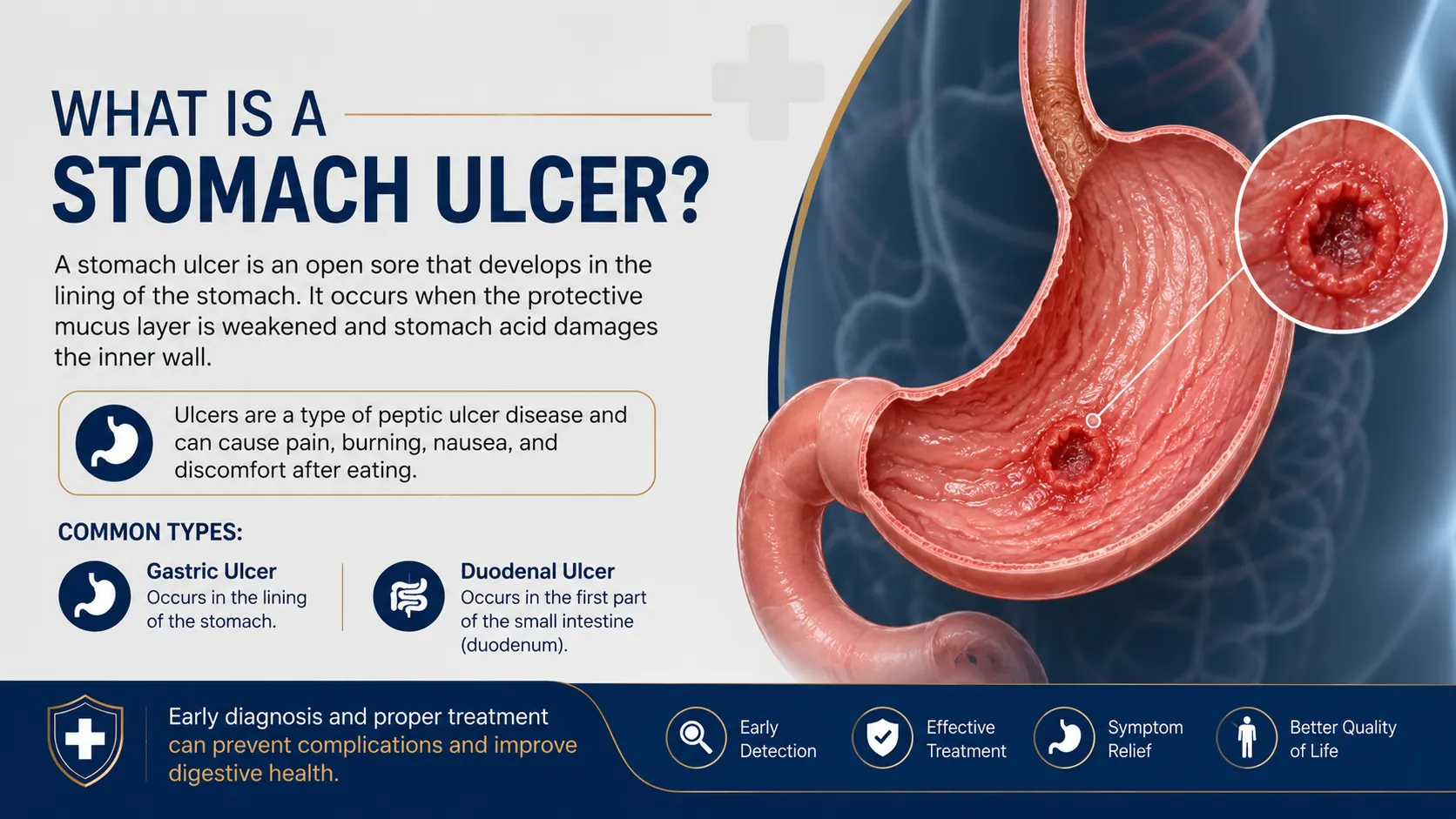
A stomach ulcer is an open sore that develops in the protective lining of the stomach. It belongs to a broader group of conditions called peptic ulcer disease. Peptic ulcers generally occur in two main locations. A gastric ulcer develops inside the stomach, while a duodenal ulcer develops in the first part of the small intestine, known as the duodenum.
The digestive system naturally produces strong stomach acid to help break down food. Normally, a protective layer of mucus helps prevent this acid from damaging the stomach and intestinal lining. When these protective mechanisms are weakened or disrupted, an ulcer may develop.
The two major causes of peptic ulcers are H. pylori infection and regular use of certain nonsteroidal anti-inflammatory drugs (NSAIDs). Other factors may influence symptoms or complications, but determining the actual cause is important because treatment depends on it.
A gastroenterologist is the medical specialist most directly associated with diagnosing and managing diseases of the digestive system, including complicated or persistent peptic ulcer disease.
Gastroenterologists manage conditions affecting the stomach, esophagus, intestines, liver, pancreas, gallbladder, and other parts of the gastrointestinal system. They are also trained to perform procedures such as upper gastrointestinal endoscopy when clinically appropriate.
However, not every episode of stomach discomfort requires immediate specialist care. A qualified general physician or internal medicine specialist can often perform the initial assessment and manage straightforward digestive problems.
Patients with persistent symptoms, suspected complications, unclear diagnoses, or a need for endoscopy may be referred to a gastroenterologist. If you are searching for a Maida Ka specialist doctor in Karachi, the medical term you will commonly encounter is gastroenterologist.
The symptoms of peptic ulcer disease can vary considerably. Some people experience noticeable discomfort, while others may have few symptoms until a complication occurs.
Upper abdominal pain or a burning sensation is a commonly reported symptom. The discomfort may be related to meals and can sometimes occur when the stomach is empty or at night. However, symptoms alone cannot reliably confirm whether someone has an ulcer.
Possible symptoms include:
Many digestive conditions can produce similar symptoms. Acid reflux, gastritis, gallbladder problems, functional dyspepsia, and other gastrointestinal disorders may all cause upper abdominal discomfort. This is why self-diagnosing an ulcer based only on symptoms can be misleading.
The two most established causes of peptic ulcer disease are H. pylori infection and NSAID use.
Helicobacter pylori is a bacterium that can live in the stomach. In some people, long-term infection contributes to inflammation and damage to the protective stomach or duodenal lining, increasing the risk of ulcer formation.
Doctors can investigate H. pylori using methods such as a urea breath test, stool antigen test, or testing of tissue collected during endoscopy. The most appropriate method depends on the patient’s situation and whether certain medicines are being taken.
When an ulcer is associated with H. pylori, treatment usually involves a combination of antibiotics and acid-suppressing medication. The exact regimen should be selected by a qualified doctor based on current medical guidance and individual circumstances.
Regular or prolonged use of some pain-relieving medicines can increase ulcer risk. These include NSAIDs such as ibuprofen, naproxen, and certain other anti-inflammatory medicines.
These medicines can interfere with substances that help protect the stomach lining. Risk may be greater in older adults, people with a previous ulcer, and those taking certain other medications.
Patients should not discontinue prescribed medicines without discussing the decision with their doctor. A healthcare professional can assess individual risks and recommend safer alternatives or protective treatment when appropriate.
Everyday psychological stress is not considered one of the primary causes of typical peptic ulcers. However, stress can affect eating habits, sleep, and the way digestive symptoms are experienced.
Severe physical stress associated with critical illness is a different medical situation and can contribute to stress-related damage to the stomach lining in hospitalized patients.
Spicy foods are not considered a primary cause of peptic ulcers. However, certain foods can worsen discomfort in some individuals who already have digestive irritation.
Rather than following an unnecessarily restrictive diet, patients can identify foods that consistently trigger their own symptoms and discuss significant dietary concerns with a healthcare professional.

You should consider medical evaluation when upper abdominal pain, acidity, indigestion, nausea, or related digestive symptoms continue, repeatedly return, or interfere with eating and daily activities.
An ulcer specialist doctor Karachi patients consult may first review the pattern and duration of symptoms, previous digestive problems, family and medical history, and current medications. The doctor may also ask specifically about NSAID use because it can be an important risk factor.
Early assessment is particularly valuable when symptoms are persistent or accompanied by warning signs. The objective is not simply to reduce acidity but to determine why the symptoms are occurring.
Certain symptoms associated with peptic ulcer disease can indicate potentially serious complications. Seek urgent medical care if you experience vomiting of blood, black or tar-like stools, sudden intense abdominal pain, fainting, severe weakness, or symptoms suggesting significant blood loss.
A bleeding ulcer can cause anemia or, in severe cases, substantial blood loss. A perforated ulcer creates a hole in the stomach or intestinal wall and requires emergency treatment. Patients experiencing these symptoms should seek urgent medical attention rather than waiting for a routine clinic appointment.
Diagnosis usually begins with a detailed medical history and physical examination. The doctor evaluates symptoms and risk factors before deciding which investigations are appropriate. Testing may focus on detecting H. pylori or directly examining the upper digestive tract.
Depending on the clinical situation, H. pylori may be investigated using a breath test, stool test, or biopsy obtained during endoscopy.
Certain medicines, particularly acid-suppressing drugs and recent antibiotics, can affect some H. pylori test results. Patients should follow their doctor’s preparation instructions rather than stopping medication independently.
Upper gastrointestinal endoscopy is a procedure that allows a doctor to examine the esophagus, stomach, and duodenum using a thin flexible instrument equipped with a camera.
During the procedure, the doctor can identify ulcers, inflammation, bleeding, and other abnormalities. Small tissue samples, known as biopsies, may also be collected when necessary.
Not every patient with indigestion automatically requires an endoscopy. The decision depends on factors such as age, symptoms, warning signs, medical history, treatment response, and the doctor’s clinical assessment.
Several gastrointestinal conditions can produce similar symptoms, making professional diagnosis important.
Condition | Common Features | Typical Medical Evaluation |
Peptic ulcer | Upper abdominal burning or pain, nausea, possible bleeding | H. pylori testing and sometimes endoscopy |
Gastritis | Stomach irritation, nausea, upper abdominal discomfort | Clinical assessment, H. pylori testing, sometimes endoscopy |
Acid reflux (GERD) | Heartburn, acidic taste, regurgitation | Clinical assessment and further testing when needed |
Functional dyspepsia | Fullness, discomfort, early satiety without an obvious structural cause | Evaluation to exclude other conditions |
Gallbladder disease | Upper abdominal pain, sometimes after meals | Examination and imaging such as ultrasound when indicated |
Because symptoms frequently overlap, searching for the Gastroenterologist best doctor in Karachi should be followed by a proper consultation rather than assuming that every episode of acidity or stomach pain is an ulcer.
Treatment depends primarily on the cause of the ulcer. The main goals are to heal the ulcer, reduce damaging acid exposure, remove the underlying cause when possible, relieve symptoms, and prevent recurrence or complications.
When testing confirms H. pylori infection, doctors typically prescribe a combination treatment involving antibiotics and acid suppression. The specific medicines and duration can vary according to current treatment recommendations and factors such as previous antibiotic exposure.
Completing the prescribed treatment is important. Depending on the case, follow-up testing may be recommended to confirm that the infection has been eradicated.
Proton pump inhibitors, commonly called PPIs, reduce stomach acid production and can help ulcers heal. The type of medicine, dose, and treatment duration should be determined by a healthcare professional based on the patient’s diagnosis and medical history.
If an ulcer is associated with NSAID use, the doctor may review whether the medicine is still necessary, whether an alternative is suitable, and whether additional stomach protection is required.
Patients who take aspirin or other medicines for cardiovascular or chronic medical conditions should not stop them without medical advice.
Healing time varies according to the ulcer’s cause, location, severity, treatment, and the patient’s overall health. Many uncomplicated ulcers can improve over several weeks with appropriate treatment, but symptom improvement does not always mean the ulcer has completely healed.
Patients should complete prescribed treatment and attend follow-up appointments when advised. In some situations, particularly with gastric ulcers, a doctor may recommend further evaluation to confirm healing or exclude another underlying problem.
Yes. Peptic ulcers can recur when the underlying cause remains present or returns. For example, untreated or persistent H. pylori infection may increase the risk of recurrence. Continued NSAID use can also contribute to repeated ulcer formation in susceptible individuals.
Reducing recurrence therefore involves more than temporarily controlling stomach acid. Identifying and managing the underlying cause is an important part of long-term care.
There is no single universal “ulcer diet” that cures peptic ulcer disease. Medical treatment should address the actual cause. A balanced diet can still support overall digestive health. Some patients find that smaller meals or avoiding personal trigger foods reduces discomfort.
Common triggers may include very spicy meals, excessive caffeine, or other foods and drinks that worsen an individual’s symptoms. However, responses differ considerably between people.
Smoking can interfere with digestive health and ulcer healing, while excessive alcohol intake may irritate the stomach lining. Patients should discuss these habits with their doctor if they are experiencing ongoing digestive problems.
Self-care alone should not be considered a substitute for proper diagnosis when ulcer symptoms are suspected. Over-the-counter antacids may temporarily reduce discomfort, but they do not necessarily treat the underlying cause. Symptoms may return if H. pylori infection or medication-related damage remains untreated.
Repeatedly taking acid medicines without determining the cause can also delay diagnosis of another digestive condition. Home measures can complement professional treatment, but persistent or recurring symptoms should be medically evaluated.
Many ulcers respond well to appropriate medical treatment, but untreated peptic ulcer disease can occasionally lead to significant complications.
An ulcer can damage a blood vessel and cause internal bleeding. Slow bleeding may contribute to anemia, while heavier bleeding can lead to vomiting blood, black stools, dizziness, or weakness.
A deep ulcer may create a hole through the stomach or duodenal wall. This can cause sudden, severe abdominal pain and requires emergency medical treatment.
Inflammation, swelling, or scarring near the stomach outlet may interfere with the normal movement of food. Symptoms can include persistent vomiting, fullness, and difficulty eating. Recognizing warning symptoms and seeking medical attention early can reduce the risk of delayed treatment.
Choosing a Gastroenterologist specialist in Karachi involves more than selecting a doctor based on an online ranking or advertisement. Consider the doctor’s recognized medical qualifications, relevant experience in gastrointestinal diseases, access to appropriate diagnostic facilities, and ability to explain the diagnosis and treatment plan clearly.
For patients who may require an endoscopy, access to a properly equipped medical facility and established infection-control practices is also important. A good consultation should allow you to understand what condition is suspected, why a particular test is being recommended, what treatment options are available, and when follow-up is necessary.
Preparing a few questions can help make your consultation more productive. You may ask what is most likely causing your symptoms, whether H. pylori testing is appropriate, whether your medicines could be affecting your stomach, and whether you need an endoscopy.
You should also tell the doctor about all medicines and supplements you use, particularly painkillers, aspirin, blood-thinning medicines, and previous antibiotic treatments. Providing accurate information helps the doctor make safer and more appropriate clinical decisions.
No. Stomach or upper abdominal pain has many possible causes. Indigestion, gastritis, acid reflux, gallbladder disease, medication side effects, functional digestive disorders, and several other conditions can produce similar discomfort.
The location of pain alone is not enough to diagnose an ulcer. The pattern of symptoms, medical history, examination, and appropriate investigations help distinguish between different causes. This is one reason consulting a qualified physician or gastroenterologist is preferable to relying entirely on online symptom comparisons.
Peptic ulcers can occur at different ages, although causes and risk factors may vary. Young adults with persistent digestive symptoms should not assume that age rules out an ulcer or another gastrointestinal condition. At the same time, occasional acidity does not automatically mean an ulcer is present.
Medical evaluation is appropriate when symptoms persist, worsen, repeatedly return, or are associated with warning signs. Children with suspected ulcers or significant gastrointestinal symptoms should be evaluated by an appropriately qualified pediatric healthcare professional.
Accurate diagnosis allows treatment to target the cause rather than only suppress symptoms. For example, an H. pylori-related ulcer may require eradication therapy, while an NSAID-related ulcer requires careful medication review and acid suppression. Another patient with similar symptoms may have reflux or functional dyspepsia rather than an ulcer.
Treating every case of upper abdominal discomfort in the same way can therefore lead to ineffective care. A qualified ulcer specialist doctor can determine which investigations are appropriate and create a treatment plan based on the individual patient’s condition.
Prevention depends on individual risk factors, but several practical measures may help. Avoid unnecessary or prolonged use of NSAID painkillers without medical guidance, especially if you have previously had an ulcer. If H. pylori is diagnosed, follow the complete treatment plan and complete follow-up testing when recommended.
Smoking cessation, limiting excessive alcohol intake, maintaining balanced eating habits, and seeking medical advice for persistent symptoms can also support digestive health.
People who require long-term NSAIDs, aspirin, or blood-thinning medication should discuss their gastrointestinal risk with their healthcare provider rather than making medication changes themselves.
A gastroenterologist specializes in digestive diseases and commonly evaluates persistent or complicated peptic ulcer disease. A general physician or internal medicine specialist may also provide initial assessment and treatment and refer you when specialist evaluation is required.
A doctor specializing in diseases of the stomach and digestive system is generally called a gastroenterologist. People searching for a Maida Ka specialist doctor in Karachi are often looking for this type of specialist.
Yes. A gastroenterologist can evaluate symptoms, arrange H. pylori testing, and perform or recommend upper GI endoscopy when clinically appropriate.
No. Whether endoscopy is needed depends on symptoms, age, warning signs, medical history, and other clinical factors. Your doctor will determine whether the procedure is appropriate.
Some symptoms may temporarily improve, but an underlying cause such as H. pylori infection or continued NSAID exposure may remain. Suspected ulcers should be properly evaluated rather than relying on symptoms disappearing on their own.
Many peptic ulcers can be successfully treated. However, complications such as gastrointestinal bleeding or perforation can be serious. Warning symptoms require urgent medical attention.
Finding the right ulcer specialist doctor is important if you experience persistent upper abdominal pain, recurring acidity, nausea, or unexplained digestive discomfort. In Karachi, Dr. Asif Aziz Sahito, Consultant Physician (MBBS, FCPS), provides evaluation and management for patients experiencing stomach and digestive health concerns.
Effective ulcer care starts with identifying the underlying cause, such as H. pylori infection or NSAID use. Diet and lifestyle changes may help manage symptoms, but proper medical diagnosis and treatment remain important.
If you are looking for an ulcer specialist doctor in Karachi, consult Dr. Asif Aziz Sahito for professional medical evaluation and an appropriate treatment plan. Seek urgent medical attention if you experience vomiting blood, black stools, sudden severe abdominal pain, or other signs of a possible ulcer complication.
Book an appointment today to discuss persistent stomach or digestive symptoms and receive appropriate medical guidance.