Subtotal $0.00


Medova is a convenience services to the adaptability, Spacious modern villa living room with centrally placed swimming pool blending indooroutdoor
Medova is a convenience services to the adaptability, Spacious modern villa living room with centrally placed swimming pool blending indooroutdoor
Managing diabetes involves more than taking medication. It requires regular monitoring, healthy lifestyle choices, and expert medical care. Whether you have been newly diagnosed or living with diabetes for years, consulting an experienced diabetologist in Karachi can help you control blood sugar and lower the risk of serious complications.
Because diabetes can affect the heart, kidneys, eyes, nerves, and blood vessels, choosing the right specialist is essential. Patients seeking personalized diabetes care may also consult Dr. Asif Aziz Sahito, an experienced physician specializing in early diagnosis, evidence-based treatment, and long-term diabetes management.
This guide explains what a diabetologist does, when you should see one, available treatment options, and how to choose the right diabetes specialist in Karachi.
A diabetologist in Karachi is a doctor who specializes in diagnosing, treating, and managing diabetes. They help patients control blood sugar, prevent complications, recommend lifestyle changes, prescribe medication or insulin when needed, and provide long-term care for Type 1, Type 2, and gestational diabetes.

A diabetologist is a medical doctor with specialized knowledge and experience in diabetes management. Their primary role is to help patients achieve healthy blood sugar levels while minimizing the risk of diabetes-related complications.
Unlike general medical care that may only address symptoms, a diabetologist develops a comprehensive treatment plan tailored to each patient’s age, medical history, lifestyle, and overall health.
A diabetes specialist usually helps patients with:
Many people search for a Diabetes specialist in Karachi when their blood sugar remains uncontrolled despite following medication or lifestyle recommendations. A specialist can evaluate the underlying reasons and adjust treatment accordingly.
Diabetes has become one of the fastest-growing health concerns in Karachi. Rapid urbanization, changing eating habits, reduced physical activity, and increasing obesity rates have contributed significantly to the rise in diabetes cases. Several lifestyle and environmental factors increase the likelihood of developing diabetes.
Many people regularly consume foods that are high in refined carbohydrates, sugar, unhealthy fats, and processed ingredients. Frequent consumption of sugary drinks, fast food, desserts, and oversized meal portions increases the risk of obesity and insulin resistance.
Modern lifestyles involve long office hours, excessive screen time, and limited exercise. A lack of daily physical activity reduces the body’s ability to use insulin efficiently.
Individuals with parents or siblings who have diabetes have a greater chance of developing the condition themselves. While genetics cannot be changed, healthy lifestyle choices can reduce the overall risk.
Being overweight, particularly around the abdomen, is strongly associated with Type 2 diabetes. Excess body fat affects how insulin functions within the body.
Chronic stress and inadequate sleep may contribute to hormonal changes that affect blood sugar regulation. Over time, these factors can increase diabetes risk.
As people grow older, the body’s insulin sensitivity naturally declines. Adults over the age of 45 are generally advised to undergo regular diabetes screening, especially if additional risk factors are present.
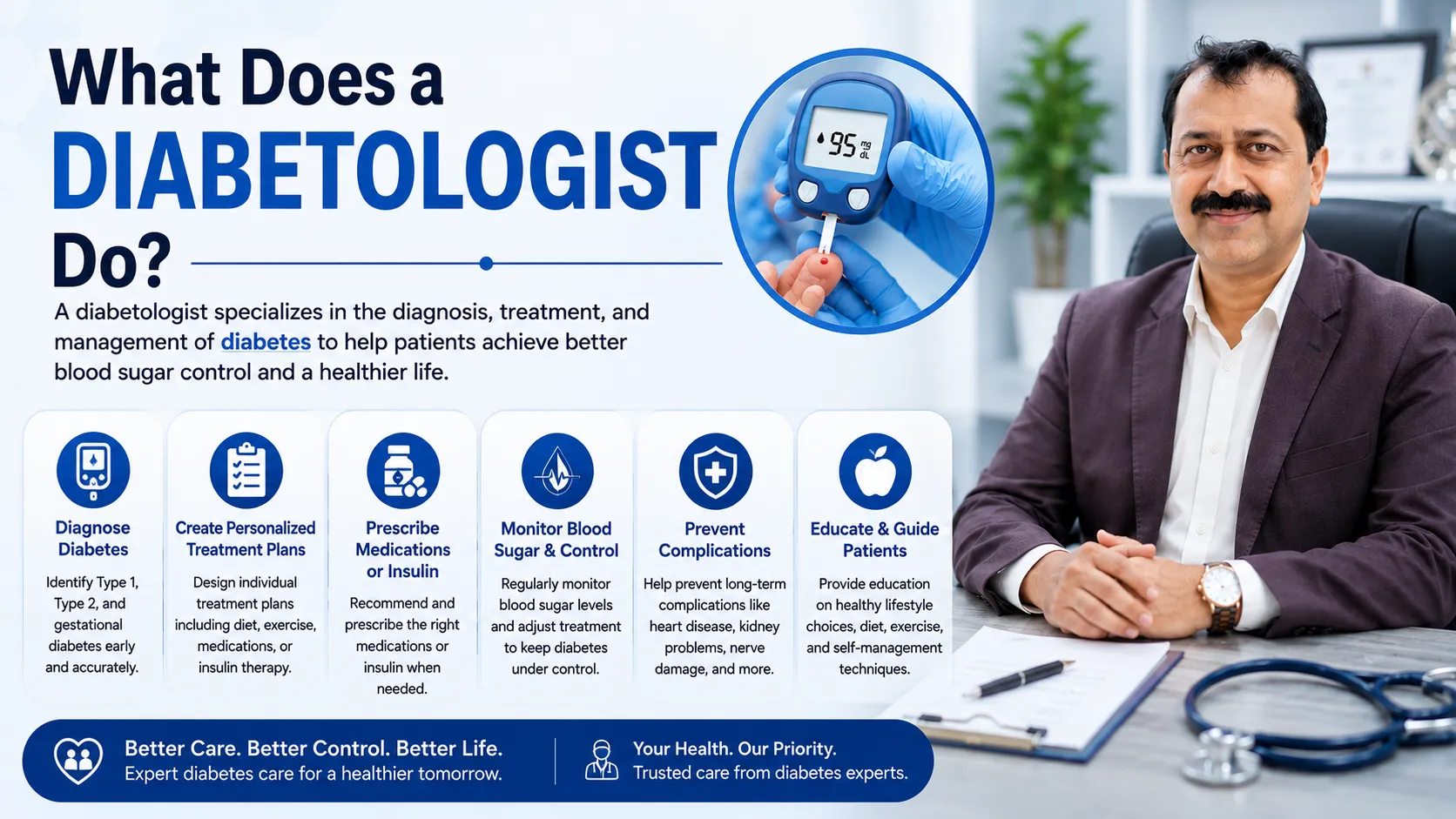
A diabetologist provides complete diabetes care rather than simply prescribing medication. Their responsibilities include evaluating blood sugar patterns, identifying complications, recommending preventive strategies, and educating patients about long-term disease management. A specialist may assist with:
This comprehensive approach helps patients maintain stable blood sugar while improving their overall quality of life.
Many people delay specialist consultation until diabetes becomes difficult to control. Early medical intervention often leads to better outcomes and reduces the likelihood of serious complications.
You should consider seeing a diabetes specialist if you experience persistent symptoms or have been diagnosed with diabetes and need specialized care.
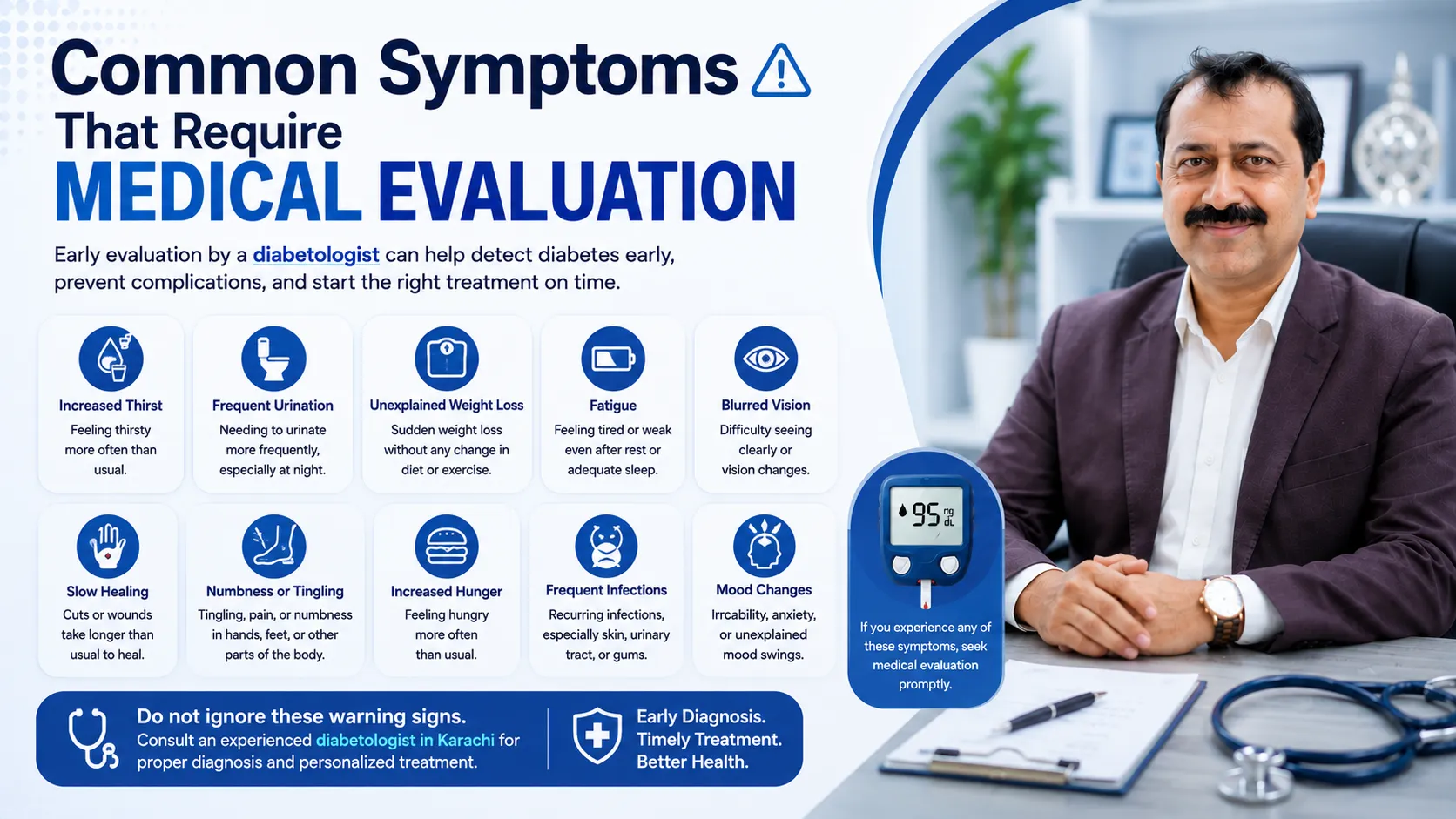
High blood sugar often develops gradually, making early symptoms easy to overlook. If these symptoms continue for several days or weeks, they should not be ignored.
Symptoms include:
Early diagnosis allows treatment to begin before permanent damage occurs.
Diabetes is not a single disease. Different types require different treatment approaches, making specialist care especially valuable.
Type 1 diabetes occurs when the immune system attacks the insulin-producing cells of the pancreas. Patients require lifelong insulin therapy and regular blood sugar monitoring.
Type 2 diabetes is the most common form. It develops when the body becomes resistant to insulin or does not produce enough insulin.
Treatment often includes:
Patients searching for the Best diabetes doctor in Karachi often seek help with long-term Type 2 diabetes management and prevention of complications.
Gestational diabetes develops during pregnancy and requires careful monitoring to protect both mother and baby.
Most women return to normal blood sugar levels after delivery, although they remain at higher risk of developing Type 2 diabetes later in life.
Prediabetes occurs when blood sugar levels are higher than normal but not high enough to be diagnosed as diabetes.
With timely intervention, many patients can prevent progression to Type 2 diabetes.
Diagnosing diabetes involves reviewing symptoms, medical history, physical examination, and laboratory testing. Accurate diagnosis is essential because treatment depends on the type and severity of diabetes.
Doctors may recommend one or more blood tests to confirm the diagnosis and monitor long-term blood sugar control.
Test | Purpose | Normal Range |
Fasting Blood Sugar | Measures blood sugar after fasting | Below 100 mg/dL |
HbA1c | Average blood sugar over 2–3 months | Below 5.7% |
Random Blood Sugar | Checks blood glucose at any time | Depends on symptoms and clinical findings |
Oral Glucose Tolerance Test | Evaluates how the body processes glucose | Commonly used during pregnancy |
These tests help determine whether a person has diabetes, prediabetes, or normal glucose regulation.
Diabetes often progresses silently before noticeable symptoms appear. During this period, elevated blood sugar can gradually damage blood vessels and nerves without causing immediate discomfort.
Early diagnosis offers several important benefits:
Timely treatment also allows patients to make lifestyle changes before complications become difficult to manage.
Yes. Although diabetes may not always be curable, it can often be managed successfully with the right combination of medical care, healthy eating, regular exercise, medication, and routine follow-up.
Many patients maintain stable blood sugar levels for years by following their treatment plan consistently and attending regular medical checkups.
Working closely with a Top Diabetologist in Karachi can significantly improve diabetes management by ensuring treatment is adjusted as health needs change over time.
Diabetes treatment is not the same for every patient. A diabetologist develops a personalized care plan based on several factors, including the type of diabetes, blood sugar levels, age, weight, lifestyle, existing medical conditions, and the risk of future complications.
The main goal of treatment is to keep blood sugar within a healthy range while protecting important organs such as the heart, kidneys, eyes, and nerves.
As diabetes changes over time, treatment plans may also need adjustments. Regular follow-up appointments allow your doctor to review your progress and recommend changes when necessary.
Modern diabetes care includes a combination of medication, healthy eating, physical activity, and regular monitoring. Most patients benefit from a treatment plan that addresses both blood sugar control and overall health.
For many people, especially those with prediabetes or newly diagnosed Type 2 diabetes, lifestyle improvement is the first step in treatment. Doctors commonly recommend:
These habits improve insulin sensitivity and help stabilize blood sugar over time.
Many patients with Type 2 diabetes begin treatment with oral medications. These medicines work in different ways, such as improving insulin sensitivity, reducing glucose production by the liver, or helping the body release insulin more effectively.
Your doctor will prescribe medication based on your individual health needs rather than using a one-size-fits-all approach. Regular monitoring is essential because medication doses may need adjustment as diabetes progresses.
Some people require insulin to maintain healthy blood sugar levels.
Insulin is necessary for:
Modern insulin devices make treatment easier, more accurate, and less painful than many people expect.
Regular glucose monitoring allows both patients and doctors to understand how meals, exercise, stress, illness, and medication affect blood sugar throughout the day.
Monitoring methods may include:
These tools help doctors make informed treatment decisions and reduce the risk of dangerous blood sugar fluctuations.
Medication alone cannot effectively control diabetes without healthy daily habits. Lifestyle management remains one of the most important parts of long-term diabetes care.
A diabetes-friendly diet focuses on balanced nutrition rather than complete food restriction. Patients are generally encouraged to include:
Reducing processed foods and sugary beverages can significantly improve blood sugar control.
Exercise allows muscles to use glucose more efficiently, helping lower blood sugar naturally.
Many healthcare professionals recommend at least 150 minutes of moderate physical activity each week. Suitable activities include:
Even short daily walks after meals may contribute to better glucose control.
Excess body weight increases insulin resistance, making diabetes more difficult to manage. Even modest weight loss can improve blood sugar levels and reduce the need for medication in some patients. A diabetologist can help patients set realistic weight management goals that support long-term health.
Long-term stress may increase blood sugar through hormonal changes. Simple techniques such as deep breathing, meditation, regular exercise, spending time with family, and maintaining healthy sleep habits can positively affect diabetes management.
Uncontrolled diabetes may gradually damage many organs throughout the body. Keeping blood sugar under control greatly reduces the likelihood of these complications.
People with diabetes have an increased risk of heart attacks, stroke, and high blood pressure. Managing cholesterol, blood pressure, and blood sugar together helps protect cardiovascular health.
Persistently high blood sugar can damage the kidneys over time. Routine kidney function tests allow early detection before permanent damage occurs.
Diabetes may damage the small blood vessels in the retina, leading to diabetic retinopathy. Regular eye examinations help identify changes before vision becomes affected.
High blood sugar may damage nerves, particularly in the feet and legs. Symptoms include:
Daily foot care is an important part of diabetes management.
People with uncontrolled diabetes often experience slower wound healing because elevated blood sugar affects circulation and immune function. Prompt medical attention for cuts, burns, or infections can help prevent complications.
The frequency of follow-up appointments depends on your individual condition. Patients with newly diagnosed or poorly controlled diabetes may need more frequent visits, while those with stable blood sugar can often be reviewed every few months. Routine follow-up appointments allow your doctor to:
Consistent follow-up is one of the most effective ways to maintain long-term diabetes control.
Choosing the right doctor can have a significant impact on your long-term health. Instead of focusing only on popularity, consider the doctor’s experience, communication style, and commitment to ongoing patient care.
Factor | Why It Matters |
Clinical experience | Supports accurate diagnosis and personalized treatment |
Patient-centered approach | Encourages better communication and long-term care |
Comprehensive diabetes management | Covers medication, lifestyle, monitoring, and prevention |
Regular follow-up | Helps adjust treatment as health needs change |
Evidence-based practice | Ensures treatment follows current medical guidelines |
Patient education | Empowers patients to manage diabetes confidently |
When searching for the Best Diabetic Doctor in Karachi, look for a physician who emphasizes prevention, education, and individualized care rather than relying solely on medication.
Many misconceptions about diabetes can prevent people from seeking proper treatment or making healthy lifestyle changes. Some of the most common myths include:
Correct information helps patients make informed decisions and avoid preventable complications.
Diabetes is a lifelong condition for many individuals, but it does not have to limit daily life. Successful long-term management focuses on maintaining healthy blood sugar while protecting overall health. This includes:
Patients who actively participate in their care often experience better health outcomes and enjoy a higher quality of life.
Not every type of diabetes can be prevented. For example, Type 1 diabetes develops because the immune system attacks the insulin-producing cells in the pancreas. However, many cases of Type 2 diabetes and prediabetes can be delayed or prevented by adopting healthier habits.
Making small but consistent lifestyle improvements can lower your risk and support better long-term health.
Carrying excess body weight, especially around the waist, increases insulin resistance. Losing even a small amount of weight through a balanced diet and regular physical activity can improve the body’s ability to regulate blood sugar.
Regular exercise helps muscles use glucose more efficiently and supports heart health. Aim for at least 150 minutes of moderate physical activity each week. Activities such as walking, cycling, swimming, or light strength training can all contribute to better blood sugar control.
A healthy eating pattern supports stable blood sugar levels and overall wellness. Focus on vegetables, whole grains, lean proteins, healthy fats, and high-fiber foods while reducing sugary drinks and heavily processed meals.
Routine blood sugar testing can detect prediabetes or diabetes before symptoms become severe. Early diagnosis allows treatment to begin sooner and may reduce the risk of complications.
A diabetes diagnosis does not mean you cannot enjoy a healthy and active life. With proper medical care and consistent self-management, many people continue working, traveling, exercising, and participating in everyday activities without major limitations.
Long-term success comes from building healthy routines and working closely with your healthcare provider.
Important habits include taking medication as prescribed, attending follow-up appointments, monitoring blood sugar regularly, eating balanced meals, staying active, and seeking medical advice whenever symptoms change.
Diabetes is a condition that changes over time. Blood sugar levels, medication needs, and overall health can all vary due to age, lifestyle, stress, illness, or other medical conditions. Routine follow-up appointments allow your doctor to:
Regular monitoring helps keep treatment effective and supports better long-term health outcomes.
A diabetologist is a doctor who specializes in diagnosing, treating, and managing diabetes. They help patients control blood sugar, prevent complications, and create personalized treatment plans for long-term care.
You should consult a diabetologist if you experience symptoms such as excessive thirst, frequent urination, unexplained weight loss, blurred vision, persistent fatigue, slow wound healing, or if your blood sugar remains difficult to control despite treatment.
A diabetologist primarily focuses on diabetes prevention, diagnosis, and management, while an endocrinologist treats a wider range of hormone-related disorders, including thyroid diseases, adrenal disorders, pituitary conditions, and diabetes.
Some individuals with Type 2 diabetes may achieve diabetes remission through significant weight loss, healthy eating, regular exercise, and medical supervision. However, this varies from person to person, and ongoing medical follow-up remains important.
Most patients benefit from HbA1c testing every 3 to 6 months, depending on how well their diabetes is controlled and on the treatment plan recommended by their healthcare provider.
Managing diabetes is a lifelong journey, but with the right medical guidance, healthy lifestyle choices, and regular follow-up, it is possible to maintain good blood sugar control and reduce the risk of serious complications. Early diagnosis, personalized treatment, and patient education all play an essential role in improving long-term health and quality of life.
If you are looking for a trusted diabetologist in Karachi, choosing an experienced physician who provides evidence-based care and individualized treatment can make a meaningful difference. Dr. Asif Aziz Sahito is committed to helping patients manage diabetes through comprehensive evaluation, personalized treatment plans, preventive care, and ongoing support.
If you are experiencing symptoms of diabetes or need expert guidance for long-term diabetes management, consider booking an appointment with Dr. Asif Aziz Sahito. Early medical attention can help protect your health and improve your quality of life.
For appointments or consultations, contact Dr. Asif Aziz Sahito’s clinic directly. Early diagnosis and timely treatment can help you manage diabetes more effectively and protect your long-term health.