Subtotal $0.00


Medova is a convenience services to the adaptability, Spacious modern villa living room with centrally placed swimming pool blending indooroutdoor
Medova is a convenience services to the adaptability, Spacious modern villa living room with centrally placed swimming pool blending indooroutdoor
But digestion is not the only thing your stomach does. It influences the level of energy, mood, sleep, and daily performance. Your daily routine is stressful when you experience persistent pain, bloating, acidity, nausea, or problems with bowel movements.
Most individuals do not pay attention to these signs and wish that the issue would fade away. But time always tends to aggravate the situation.
A Stomach Disorder may begin with a slight discomfort and gradually develop into great pain, chronic inflammation, or severe digestive problems.
Unhealthy food, stress, irregular eating habits, and infections cause people in Karachi and in the entire world to suffer on day to day basis.
Here, in this total guide, you will get to know what the problem in your stomach is, how to know at an early stage, which type of treatment is effective, and how to take care of your digestive system both naturally and in a medical way.
A Stomach Disorder is a disorder of any type interacting in the field of digestion and the stomach lining or the work of the intestines. It can be associated with inflammation, infection, acid imbalance, or muscle abnormalities.
Common causes include:
Symptoms start to appear when the stomach lining gets irritated or when there is an increase in the level of acid.
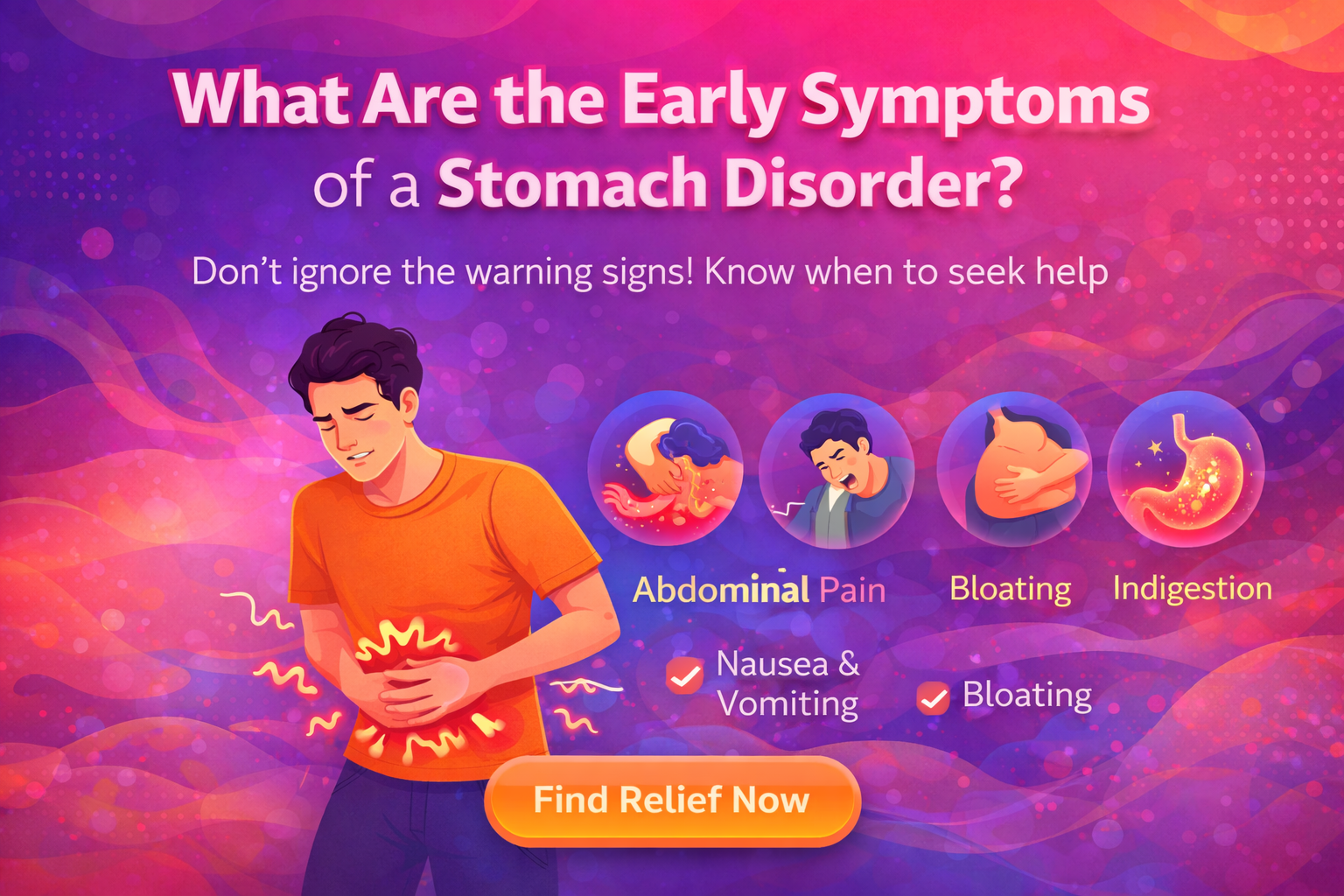
Early diagnosis of symptoms prevents complications. Common signs include:
Frequent acidity is normally caused by missed meals and spicy food. As the amount of acid produced goes up, it burns the stomach wall. Gas is a by-product of the slowed down digestion or the fermentation of food in the intestine.
Acid production is also heightened by the presence of stress. Sleep deprivation impairs digestive functions. Stomach functioning is enhanced by a routine that is balanced.
Yes. Digestive hormones are direct results of stress. An increase in stress leads to digestive disturbances in the body due to the release of chemicals. This results in cramps, loose motion, or constipation.
Anxiety is also experienced by many patients who have chronic digestive complaints. Naturally, the management of stress by exercising, prayer, meditation or relaxation enhances the symptoms.
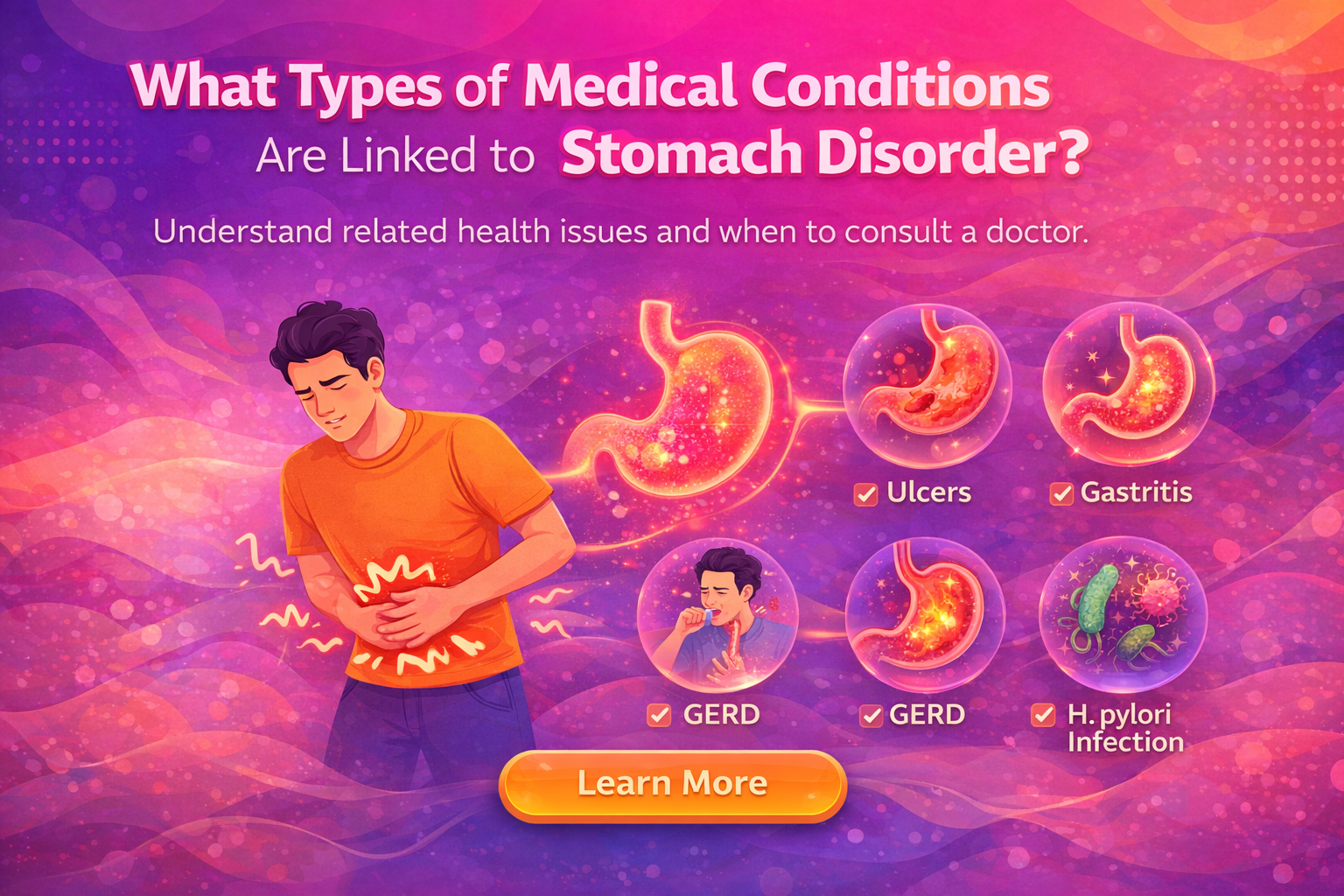
A number of health disorders are of this type
The process of doctors is systematic:
These are used to detect infection, inflammation, or structural problems. Major complications are avoided in case of early diagnosis.
Treatment is dependent on the etiology. Doctors may recommend:
In extreme situations, the patient might have to be hospitalized. Diet control and adequate medication are solutions to most of the mild cases.

Yes. Improvement of lifestyle contributes significantly to recovery. Follow these habits:
Regular exercise enhances digestive health and minimizes the recurrence.
Definite foods are irritating to the stomach:
See a physician at once in case of:
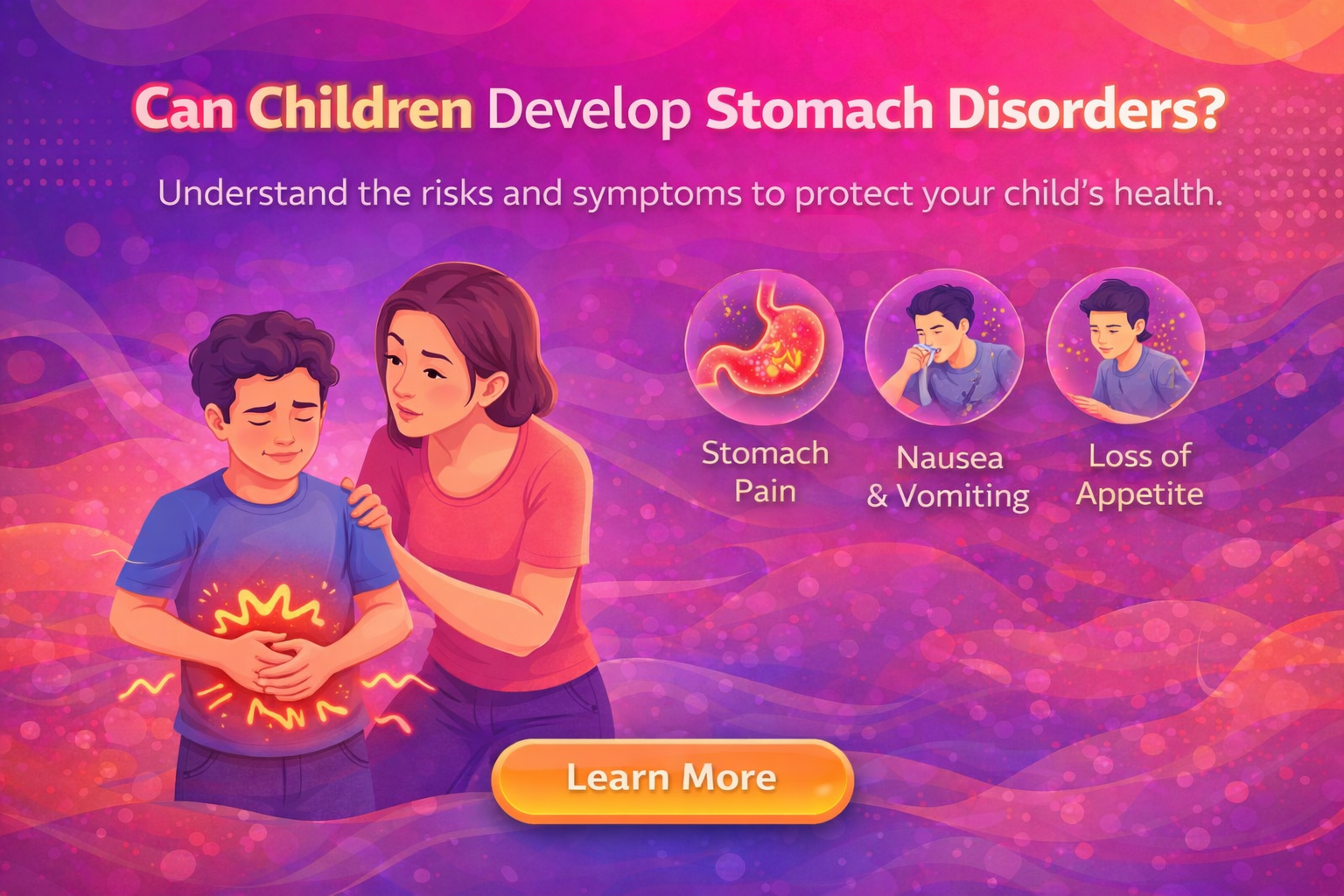
Yes. Poisonous food, bad hygiene, or viral diseases often cause stomach problems among children. Good hygiene habits should be observed by parents in the form of clean drinking water and hand washing.
Preventing dehydration and weakness is through early treatment.
Permanent digestive problems decrease productivity. Pain decreases focus. Appetite loss suppresses immunity. Irritability is caused by disturbed sleep.
Left unattended, the stomach issues may have an impact on emotional wellbeing and the state of health.
Symptom denial may result in ulcers, chronic inflammation, hemorrhage, and serious infections. Extremely unusual cases of long term, untreated inflammation can augment the danger of cancer.
Early intervention safeguards future health.
It is easy to prevent, but it must be done regularly:
It is cheaper to prevent than to treat.
Time to recover is time-specific. The minor digestive problems are cured in days. The infections can take between one and two weeks. The chronic conditions take a long period of time to manage and follow up with medicines.
Strict adherence to medical recommendations enhances the rate of recovery.
Online information can be confusing to the patient. A competent physician gets a proper diagnosis and efficient medication. Medical care is a way of making sure that the condition does not deteriorate.
Relax, that digestive treatment is in ensured hands
A stomach disorder is a condition that influences the digestion and results in symptoms such as pain, bloating, acidity, nausea, or irregular bowel movements.
The most common ones are poor nutrition, spicy or oily food, infections, stress, food intolerance, and overuse of pain medications.
When you have severe pain, vomit contains blood, stool is black, you have lost weight suddenly, or you have kept on vomiting, you must visit a doctor at once.
Mild cases can be symptomatic and may be corrected by proper diet and rest, but the persistent or severe ones should be evaluated and treated by a physician.
Do not eat any fried food, spicy food, soft drinks, processed snacks, or heavy dairy products during the recovery period.
Surely, stress also may promote the production of acids and disrupt digestion, which may cause pain, cramps, or abnormal bowel movements.
The healing process will be reliant on the cause. Light cases can be cured within several days, and the infection or chronic illness can take more time.
Yes, this is because children might be infected or contaminated with contaminated food or be infected with poor hygiene habits, thus developing stomach problems.
Stomach Disorder: It can start as mild discomfort but can develop into something serious when it is ignored. Quality of life and daily performance is subject to pain, bloating, acidity, and irregular digestion.
The digestive system is safeguarded by early diagnosis, the correct treatment, good habits of eating, and eliminating stress.
In case the symptoms continue, consult a professional medical doctor immediately. Keep your stomach healthy, and your energy, immunity, and wellbeing is taken care of. Reduce health risks today to enjoy a healthier tomorrow.