Subtotal $0.00


Medova is a convenience services to the adaptability, Spacious modern villa living room with centrally placed swimming pool blending indooroutdoor
Medova is a convenience services to the adaptability, Spacious modern villa living room with centrally placed swimming pool blending indooroutdoor
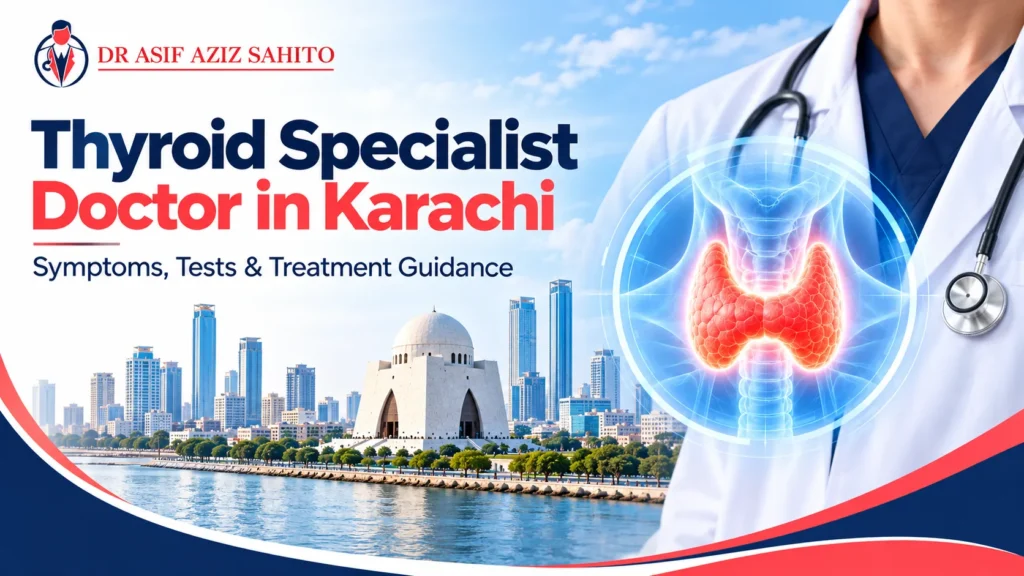
A thyroid doctor helps diagnose and manage health problems linked to the thyroid gland. This small gland sits at the front of your neck. It makes hormones that help control how your body uses energy.
These hormones affect your heart, body temperature, digestion, and many other functions. When the thyroid makes too much or too little hormone, it can affect several body systems.
A doctor who provides thyroid care may treat an underactive thyroid, an overactive thyroid, or thyroid swelling. Some patients need long-term medicine. Others need further tests or a referral to an endocrinologist.
An endocrinologist is a doctor trained to specialise in hormone disorders. A consultant physician may also diagnose and manage many common thyroid conditions. The right type of doctor depends on your symptoms and how complex your condition is.
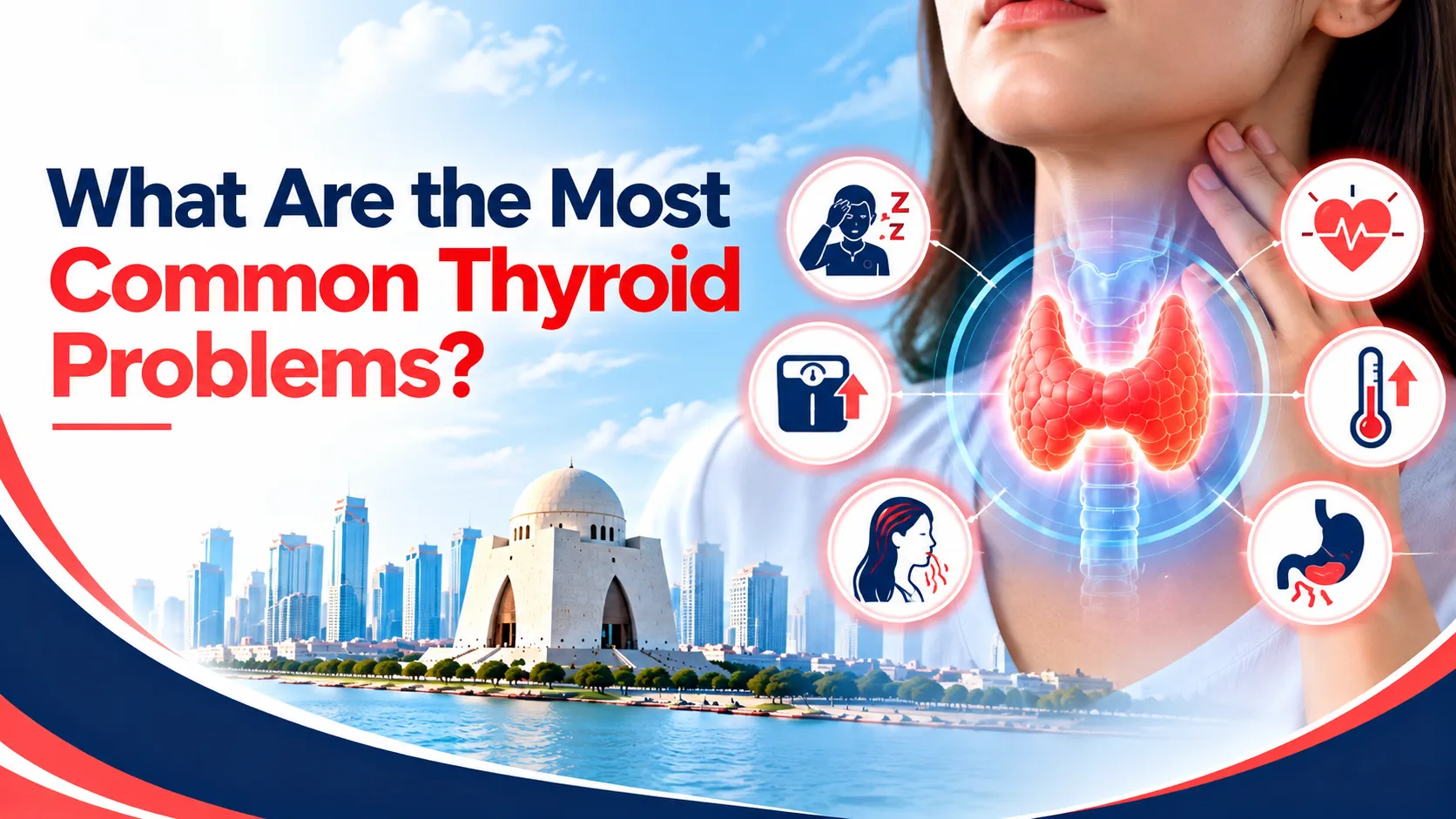
There are several types of thyroid disorders. Each one affects the body in a different way.
Hypothyroidism happens when your thyroid does not make enough hormone. Your body may begin to work more slowly. You might feel tired, gain weight, or find it hard to stay warm. Other signs include dry skin, constipation, and poor focus.
One common cause is Hashimoto’s disease. In this condition, the immune system attacks the thyroid by mistake. Treatment often includes a daily thyroid hormone tablet called levothyroxine. The dose depends on your blood test results and health needs.
Hyperthyroidism means your thyroid makes more hormone than your body needs. Your heart may beat faster. You might sweat more, feel nervous, or lose weight even though you eat as usual.
Graves’ disease is a common cause. Some thyroid nodules can also produce extra hormone. Treatment may include medicines, radioactive iodine, or surgery. Your doctor will choose an option based on the cause, symptoms, and your overall health.
A thyroid nodule is a lump that grows inside the thyroid gland. A goiter is an enlarged thyroid. Many thyroid nodules are harmless. Yet some need closer checks to rule out cancer or other problems.
A thyroid ultrasound can help show the size and shape of a lump. In some cases, a doctor may suggest a fine-needle biopsy. Not every lump needs surgery. The next step depends on the test results.
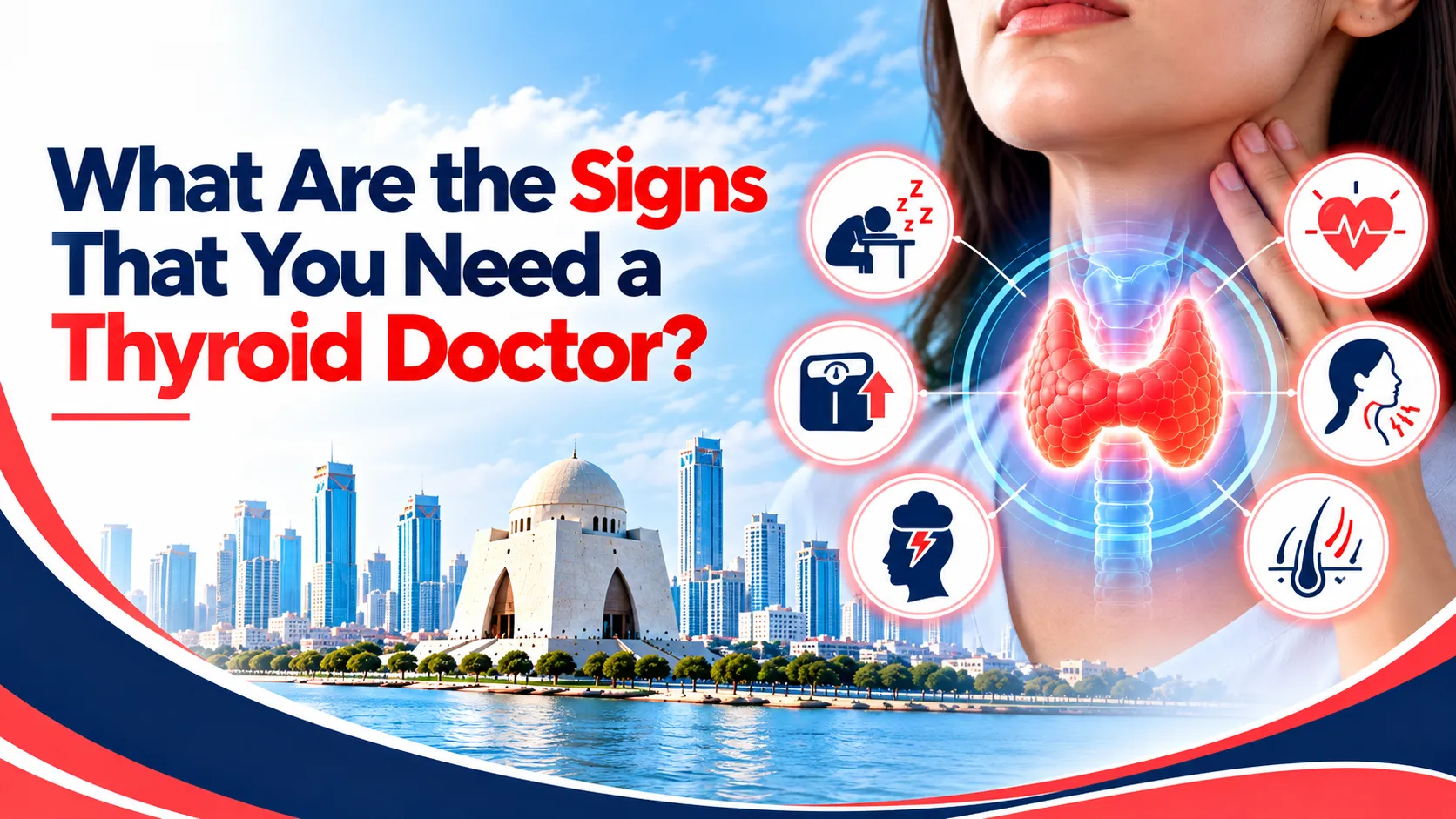
Thyroid symptoms can develop slowly. At first, they may seem like signs of stress, poor sleep, or a busy routine. The following symptoms may be linked to a thyroid problem:
These symptoms do not prove that you have thyroid disease. For example, tiredness can also come from anemia, poor sleep, or low vitamin levels. Weight changes may have several causes.
A doctor can look at the full picture instead of relying on one symptom. If you have ongoing symptoms or an abnormal thyroid blood test, book a medical visit.
A thyroid diagnosis usually starts with a medical history, an examination, and blood tests. Your doctor may ask about your weight, sleep, energy, family history, and medicines. They may also check your neck and heart rate.
The most common first test is TSH. This stands for thyroid-stimulating hormone. TSH helps control how much hormone your thyroid makes. A high result often suggests an underactive thyroid. A low result may point to an overactive thyroid. Your doctor may order other tests to understand the cause.
Thyroid test | What it checks | When it may be useful |
TSH | The signal that controls thyroid hormone production | Often the first test for thyroid function |
Free T4 | A key thyroid hormone in the blood | Helps confirm an underactive or overactive thyroid |
T3 | Another active thyroid hormone | Useful in some cases of overactive thyroid |
Thyroid antibodies | Signs of an immune system attack on the thyroid | Helps assess Graves’ or Hashimoto’s disease |
Thyroid ultrasound | The size and structure of the gland | Checks lumps, nodules, or swelling |
Fine-needle biopsy | Cells taken from a thyroid nodule | Used when a nodule needs closer review |
Not every patient needs every test. For example, a person with mild tiredness and a normal neck examination may need blood tests first. A person with a neck lump may also need an ultrasound.
Test results must be read along with your symptoms, health history, and other medicines. A slightly abnormal result does not always mean you need treatment right away.
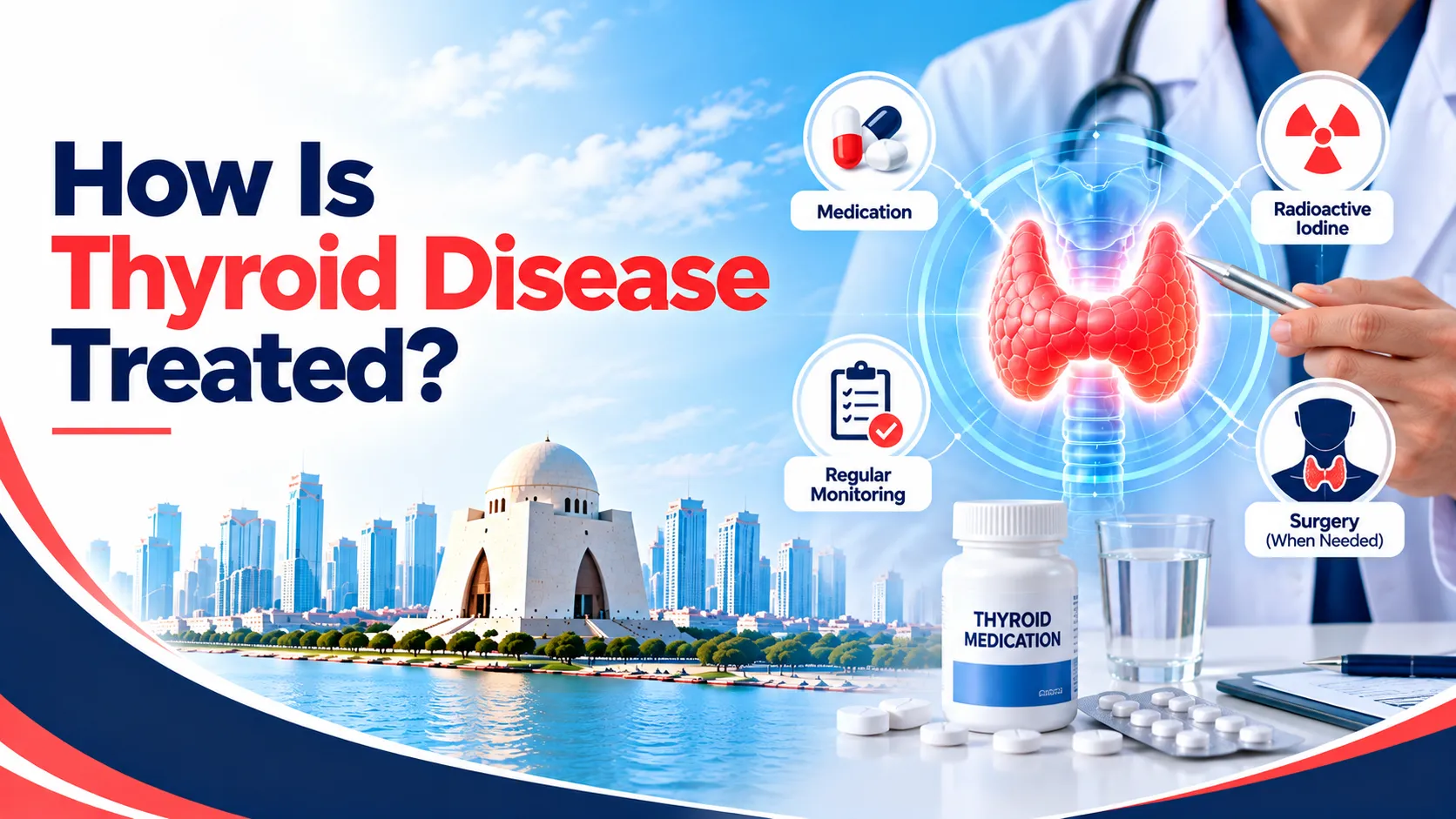
Thyroid treatment depends on whether your body makes too much hormone, too little hormone, or has a problem with the thyroid gland itself. There is no single treatment that works for every patient.
Doctors often use levothyroxine to replace the hormone your thyroid cannot make. This medicine is usually taken once a day. Your doctor will explain when to take it and how to avoid food or medicine interactions.
For example, calcium and iron supplements can reduce how well levothyroxine is absorbed when taken too close to it. Your doctor may repeat blood tests after starting treatment or changing the dose.
Many patients with permanent hypothyroidism need long-term medicine. Do not stop or change the dose without medical advice.
An overactive thyroid may need medicine that reduces hormone production. Some patients also receive treatment to control a fast heartbeat or shaking while their thyroid treatment starts working. In selected cases, an endocrinologist may advise radioactive iodine or surgery.
The treatment choice depends on the cause of the condition, your age, other health problems, and whether you are pregnant. If you take antithyroid medicine and develop a fever or severe sore throat, seek prompt medical advice. Some of these drugs can rarely cause serious blood problems.
Small, harmless nodules may only need follow-up checks. If a lump grows, causes pressure, or has concerning features, your doctor may advise more tests or refer you to a specialist. A biopsy may be needed, but it is not required for every nodule. The goal is to find out which lumps need treatment and which can be watched safely.
Finding the best thyroid specialist in Karachi means finding a doctor who is qualified and suitable for your condition. There is no single doctor who is best for everyone.
A patient with stable hypothyroidism may need routine care and regular blood tests. Someone with a complex thyroid disorder may benefit from an endocrinologist. When comparing doctors, consider these points:
Online reviews may help you learn about appointment experiences. They should not replace checks of medical qualifications or clinical suitability. If you are unsure which doctor to visit, a consultant physician can often be a useful starting point.
Karachi has hospitals, clinics, and medical centers that provide care for thyroid disorders. Patients can visit a consultant physician for an initial assessment or an endocrinologist for specialist hormone care.
People with simple thyroid problems may need routine monitoring. Patients with a complex diagnosis, difficult-to-control hormone levels, or a suspicious nodule may need specialist support.
Dr. Asif Aziz Sahito is a Consultant Physician in Karachi with more than 17 years of medical experience, according to his official profile. His practice covers thyroid care and hormonal health, as well as diabetes, blood pressure, liver disorders, and other medical conditions.
Patients with thyroid symptoms or abnormal thyroid tests can seek a consultation to discuss their health concerns and the next steps.
During an appointment, a physician may review your symptoms, discuss blood tests, and assess whether treatment or specialist referral is needed. This approach can be useful for patients who have thyroid symptoms along with other health issues, such as diabetes or high blood pressure.
Clinic details
Doctor: Dr. Asif Aziz Sahito, Consultant Physician
Location: Room No. 7, Ground Floor, NCCI/NMI, Depot Lines, Mansfield Street, Muhammad Ali Jinnah Road, Saddar, Karachi 74400.
Listed consultation hours: Monday to Saturday, 3:00 PM–6:00 PM.
Phone: 0333 3156510
Confirm the latest appointment time and consultation fee with the clinic before visiting.
Many common thyroid problems can be assessed and managed by a qualified physician. However, some conditions need a doctor with further training in hormone disorders.
An endocrinologist may be helpful when your thyroid levels remain hard to control, your diagnosis is unclear, or you have serious side effects from treatment. A specialist referral may also be needed for Graves’ disease with eye problems, unusual thyroid test results, or a complex thyroid problem during pregnancy.
If you have a suspicious thyroid nodule, you may need an endocrinologist, thyroid surgeon, or another suitable specialist. The aim is to get the right level of care without delaying important treatment.
A first thyroid appointment is usually straightforward. The doctor may begin by asking when your symptoms started. They may want to know if you have gained or lost weight, noticed changes in your heart rate, or felt more tired than usual.
Your family history can also matter because some thyroid conditions run in families. The doctor may then check your pulse, blood pressure, and neck. If you already have a thyroid report, bring it with you. An older report can help show whether your hormone levels have changed.
Your doctor may order tests if needed and explain when you should return. You should leave the visit knowing what the main concern is, which tests are useful, and what happens next.
Yes. Thyroid problems can affect menstrual periods, fertility, and pregnancy. An underactive thyroid may cause heavy or irregular periods. An overactive thyroid can also change the menstrual cycle.
Some women first learn about a thyroid problem while trying to become pregnant. Pregnancy can change thyroid hormone needs. Women who already take thyroid medicine may need closer testing and dose adjustments.
If you are pregnant, planning pregnancy, or have recently given birth, tell your doctor. Do not stop thyroid medicine on your own during pregnancy. Your doctor can guide you on safe treatment and monitoring.
A balanced diet supports general health, but food alone cannot treat most thyroid disorders. Your thyroid needs iodine to make hormones. However, taking large amounts of iodine can make some thyroid problems worse.
You should not start iodine drops, seaweed supplements, or thyroid products without medical advice. Good sleep, regular activity, and a balanced diet can help you feel better. They do not replace prescribed medicine. If you take thyroid medication, follow the timing instructions given by your doctor.
Do not rely on online claims that a special drink, herbal remedy, or strict diet can cure thyroid disease. The safest approach is to combine proper medical care with healthy daily habits.
The timing depends on your condition and treatment. If you start levothyroxine or change the dose, your doctor will often repeat TSH after about six to eight weeks. Once your hormone levels are stable, tests may be needed less often. Many patients have their levels reviewed every six to twelve months, depending on their health and medical advice.
Patients with an overactive thyroid may need more frequent tests, especially when starting treatment. You may also need earlier testing if symptoms return, you become pregnant, or you start a medicine that affects thyroid function. Regular checks help doctors see whether treatment is working and whether your dose needs to change.
Most thyroid symptoms do not need emergency care. However, some signs should never be ignored. Seek urgent medical help if you have chest pain, fainting, severe breathing trouble, or a very fast heartbeat with marked weakness.
A high fever, confusion, and a severe rapid heartbeat in a person with an overactive thyroid may suggest a rare emergency called thyroid storm. A neck swelling that causes trouble breathing also needs urgent assessment. Do not wait for a routine clinic appointment if these problems occur.