Subtotal $0.00


Medova is a convenience services to the adaptability, Spacious modern villa living room with centrally placed swimming pool blending indooroutdoor
Medova is a convenience services to the adaptability, Spacious modern villa living room with centrally placed swimming pool blending indooroutdoor
Are you always tired, do you gain or lose weight, are moody, or do you have thinning hair? These symptoms are observed in many individuals, and they have turned a blind eye to them, assuming that it is stress or aging.
The fact is that they may be the symptoms of thyroid issues, which impact millions of individuals across the globe.Thyroid Care is necessary since this little gland of the neck regulates metabolism, energy, heart rate, and the general regulation of hormones.
The neglect of thyroid health may cause severe complications like heart complications, fertility issues, or extreme fatigue.
This is an elaborate guide that will cover the prevalent thyroid disorders, symptoms, diagnosis, treatment available, lifestyle support, and prevention measures.
With these professional tips in mind, you will be able to treat thyroid properly and avoid complications in the long run.
Thyroid Care is oriented on the adequate functioning of the thyroid gland. This is a butterfly-looking gland that is very small and secretes hormones that control metabolism, body temperature, and energy levels.
A healthy thyroid will keep the balance of hormones intact, fight exhaustion, and maintain a good state of mind and body.Medical workers stress on early diagnosis since thyroid diseases may easily go unnoticed.
Blood tests, regular checkups, and symptom awareness are the most important measures in ensuring that the thyroid remains healthy.
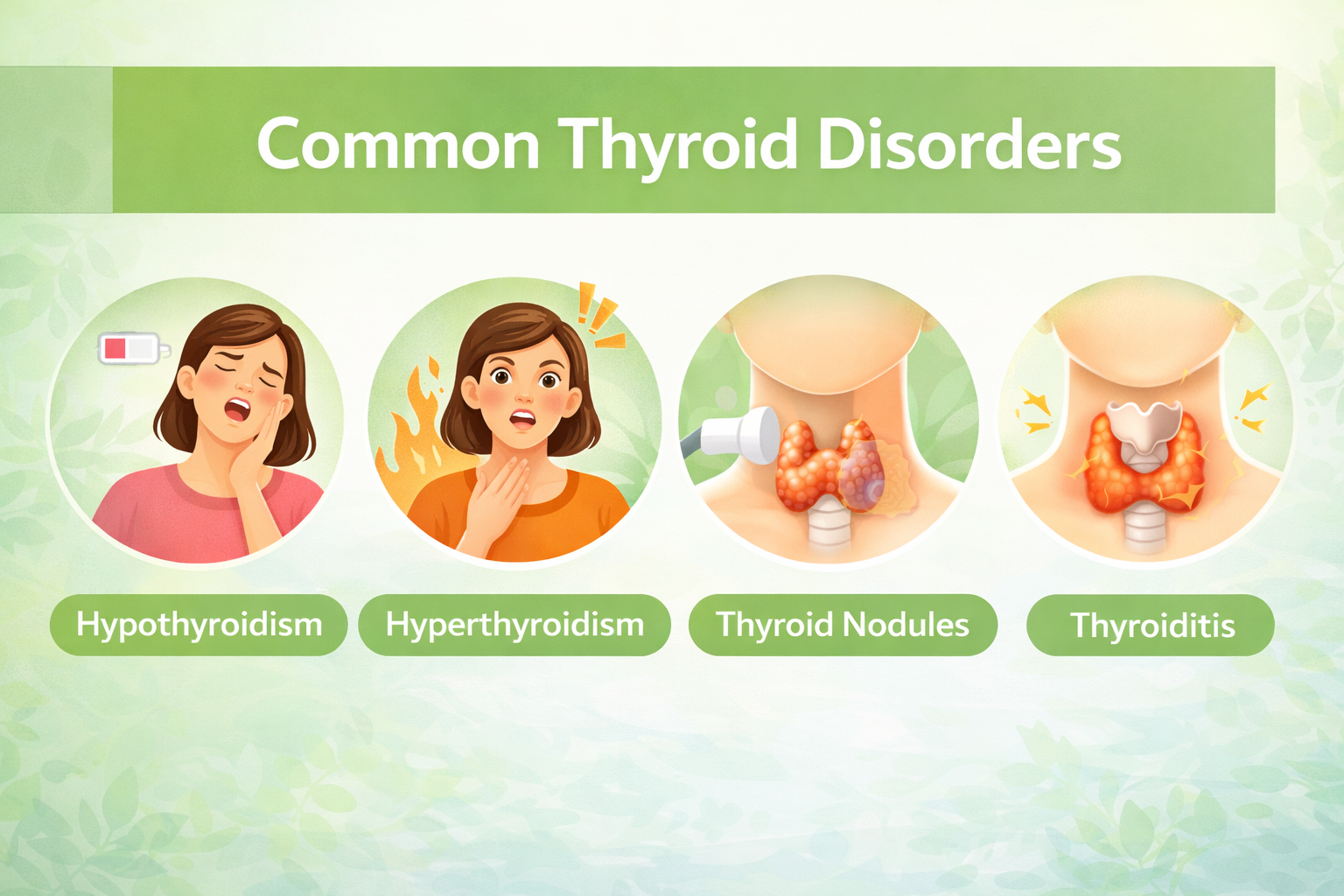
Hypothyroidism
Hypothyroidism is characterized by the thyroid gland producing an insufficient amount of hormones as compared to the body’s requirements. The symptoms are fatigue, increased weight, dry skin, coldness, and a slow rate.
Hyperthyroidism
Hyperthyroidism occurs when the thyroid gland secretes excessive hormones. Patients can lose weight, have a fast heart rate, anxiety, too much sweat, and insomnia.
Goiter
Goiter is the swelling of the thyroid gland, which is usually caused by iodine deficiency or thyroid dysfunction.
Thyroid Nodules
Nodules are swellings of the thyroid gland, which may be benign or malignant. Constant check-ups and health assessments are required.
Thyroid Cancer
Thyroid cancer is not predominant but needs early identification and intervention in order to avoid severe health consequences.
Hormonal problems may appear in the form of different manifestations due to the excess or deficiency of hormones.
It is important to identify symptoms promptly to be diagnosed and treated in time before complications arise.
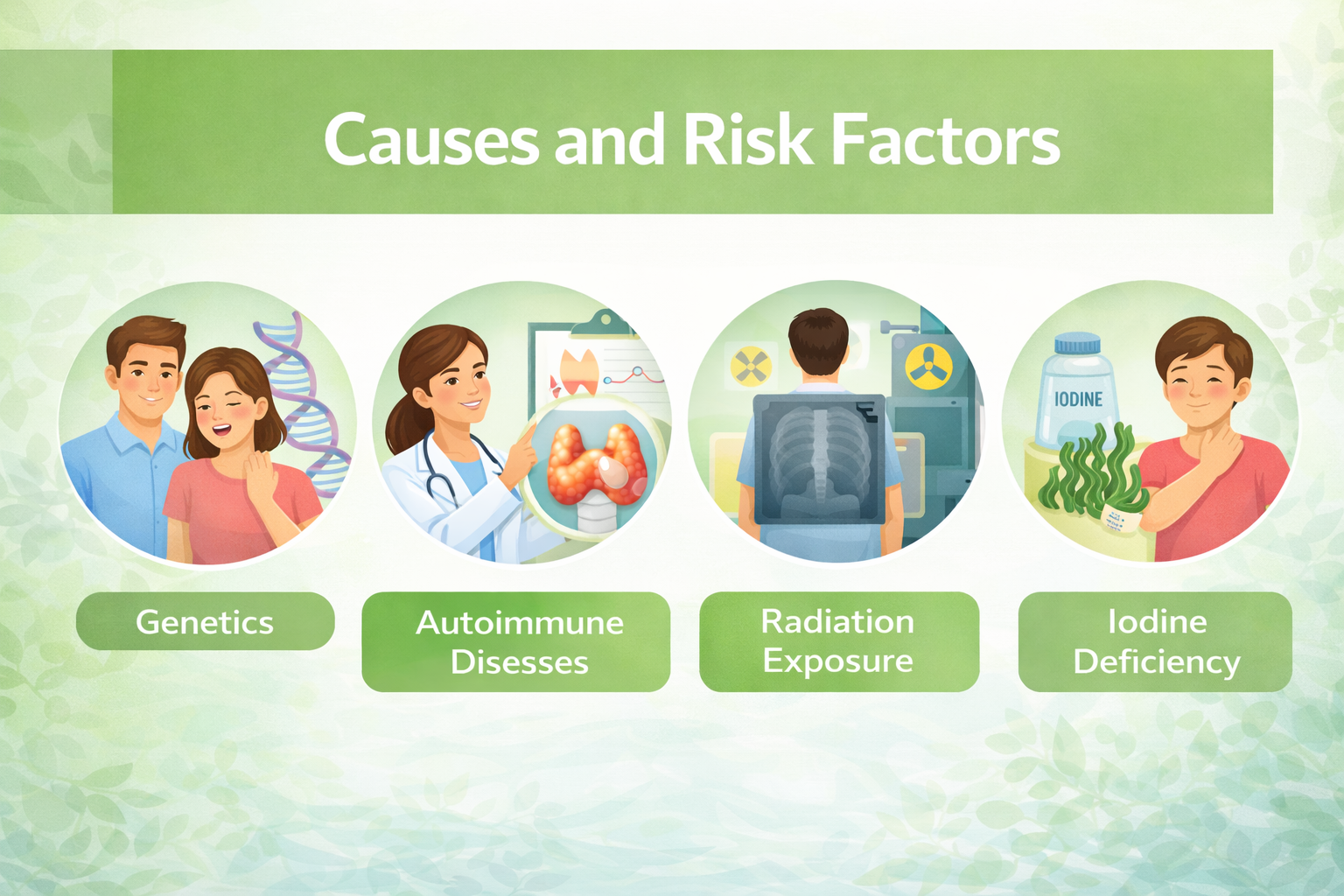
A number of factors may cause thyroid disorders:
Early monitoring and preventive thyroid care are achieved through the identification of risk factors.
A combination of clinical assessment and laboratory testing can be used by doctors to diagnose thyroid conditions.
TSH, T3, and T4 levels give an excellent insight into thyroid functioning.
Imaging uncovers nodules, the size of the glands, and other abnormalities.
A fine needle aspiration biopsy can also be done in case of suspected cancer or suspicious
Screening should be done regularly, particularly for individuals with a family history or risk factors.
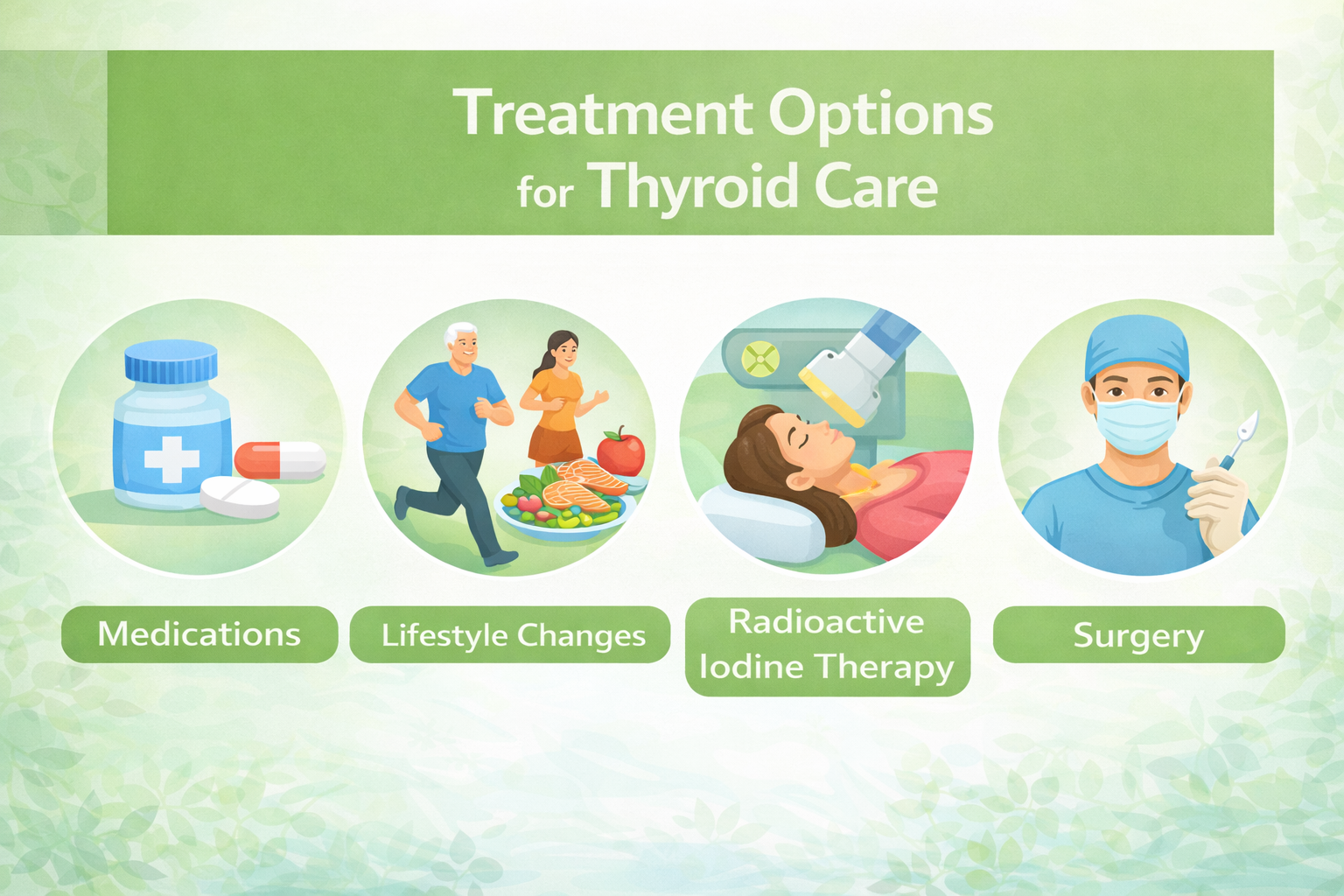
The treatment depends on the disorder.
Hypothyroidism: replacement therapy.
Hyperthyroidism: Antithyroid medication to inhibit hormones.
It is used with particular conditions of hyperthyroidism to safely reduce the size of the thyroid gland.
Nodules, goiter, or cancer may need to be surgically removed.
A proper diet with high levels of iodine, selenium, and zinc promotes the thyroid gland. Exercises and regular management of stress enhance the balance of hormones.
The lifestyle modification supplements the treatment in medicine and promotes healing.
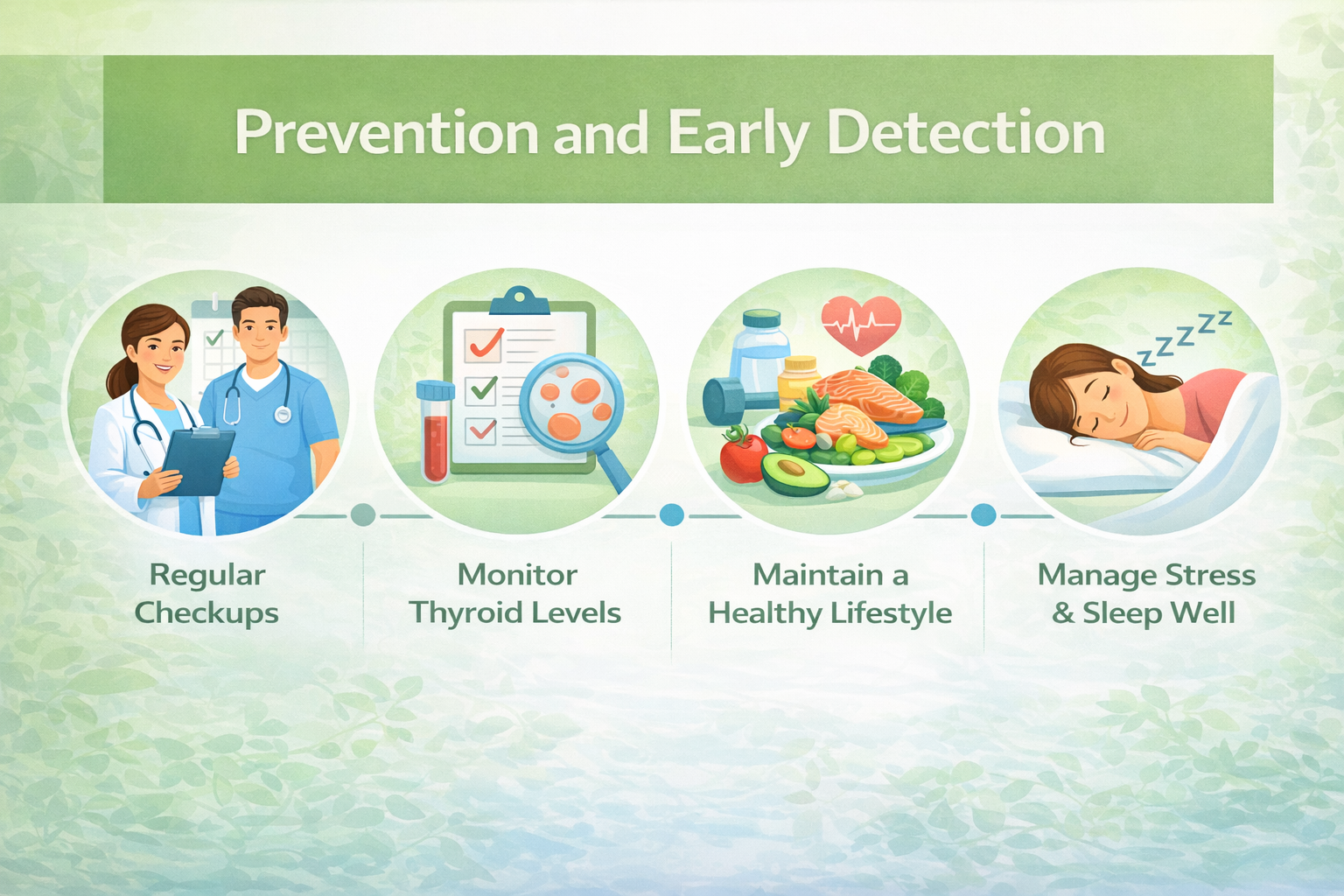
Prophylaxis and education are the main elements of thyroid management:
Learn about early symptoms.
Eat a healthy diet and live a healthy life.
Do not use unprescribed thyroid hormones.
Consult the doctor immediately in case of worsening of symptoms.
Early diagnosis enhances the prognosis and lower risks of long term health.
Thyroid disorders have the potential to impact mood, concentration, and general mental health. Support of the family should be given, and counseling or groups can be of help to the patient. The physical care is equal to mental wellbeing awareness.
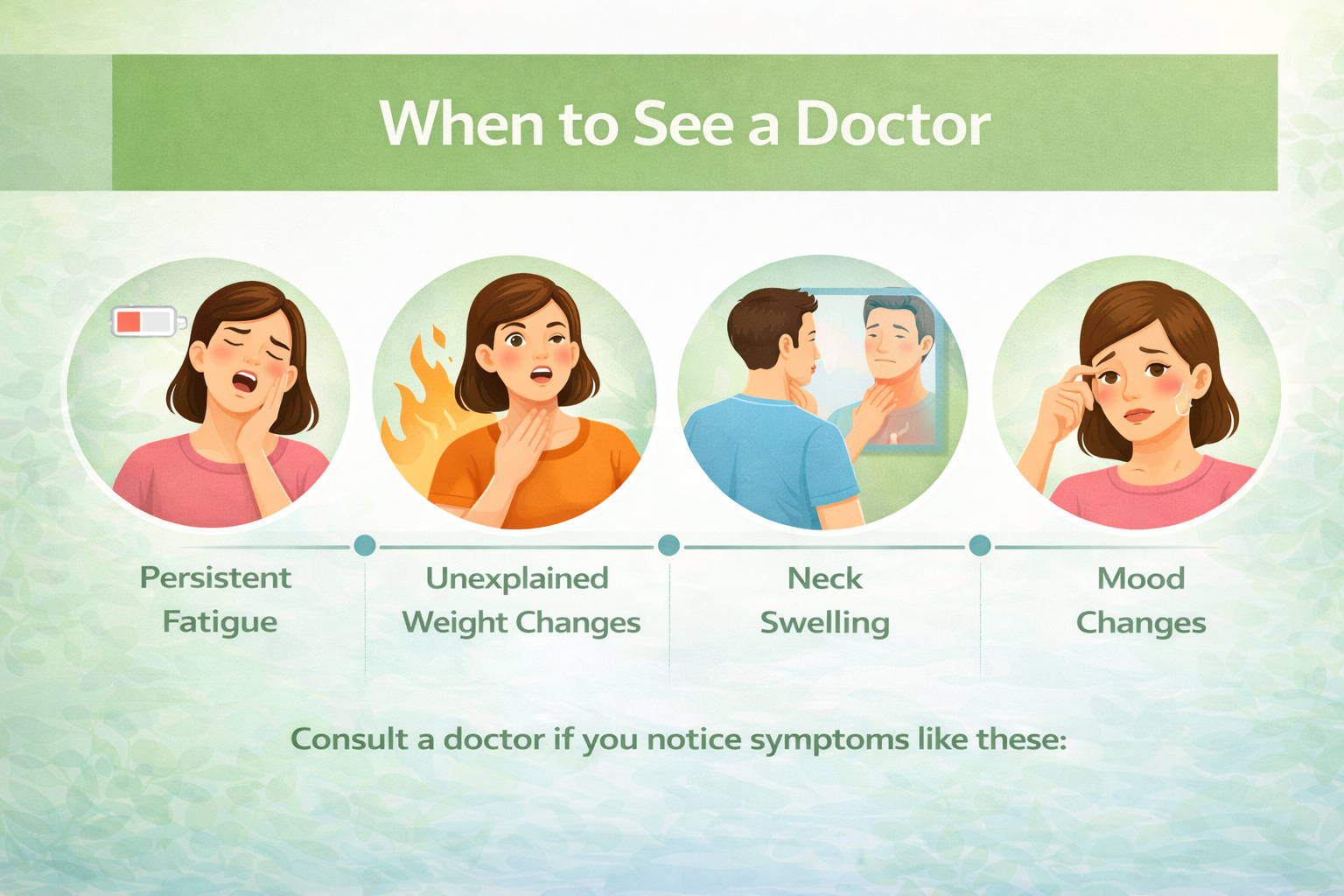
Consult a professional in the event that you observe
Constant muscle weakness or fatigue.
Rapid weight changes
Abnormal heartbeat or palpitations.
Neck swelling or lumps
A nervous, depressed, or unstable mood.
Timely examination is an assurance of quality thyroid treatment and avoidance of complications.
Thyroid Care is the management of the correct thyroid activity to provide a balance of hormones, proper metabolism, energy, and wellbeing.
There are general disorders: 1 is hypothyroidism, 2 is hyperthyroidism, 3 is goiter, 4 is thyroid nodules, and 5 is thyroid cancer. Both should be evaluated and treated in a specific way.
It has such signs as unexplained weight gain or loss, tiredness, mood swings, thinning hair, swollen neck, irregular heartbeat, and menstrual changes.
Diagnosis involves blood tests (TSH, T3, T4), ultrasound, and in some cases, biopsy to assess nodules or risk of cancer.
Yes. Hormone replacement, antithyroid agent, radioactive iodine, or surgery is used to treat hypothyroidism, respectively. Recovery is promoted by lifestyle support.
Prevention involves a well-balanced diet that is rich in iodine, selenium, and zinc, management of stress, frequent checkups, and prompt attention to symptoms.
Individuals who have had autoimmune diseases, have thyroid issues in the family, are iodine deficient, are experiencing a hormonal imbalance, or are stressed over the long term are more likely.
Yes. Thyroid diseases may lead to anxiety, depression, weariness, and cognitive dysfunction. Counseling and emotional support can be used to preserve mental health.
Checkups are contingent on age, symptoms, and risk factors. Individuals who exhibit the symptoms or have a family history should test once a year or as recommended by a physician.
See the doctor in case of unexplained fatigue, sudden weight gain or loss, swelling in the neck, palpitations, and mood changes. Adequate childhood care helps to avoid complications.
Thyroid Care is necessary to ensure hormone balance, good health, and life. The Center of Excellence Thyroid Management should be built upon regular checkups, early detection, effective treatment, and lifestyle support, as ignoring the symptoms of thyroid may cause severe heart, metabolic, and mental health complications.
With proper guidance and care, you will be able to keep your thyroid and live a long, healthy life.