Subtotal $0.00


Medova is a convenience services to the adaptability, Spacious modern villa living room with centrally placed swimming pool blending indooroutdoor
Medova is a convenience services to the adaptability, Spacious modern villa living room with centrally placed swimming pool blending indooroutdoor
A cough that has to be made away with. Fever that keeps coming back. Pain in the chest, which becomes heavier every day. These signs are ignored by many people who believe that it is a typical case of pneumonia or seasonal flu.
But what were we to think of something worse?TB Pneumonia is a severe lung infection, which is characterized by tuberculosis and pneumonia.
It is transmitted without any symptoms, it involves damage to lung tissue and becomes fatal unless diagnosed in time.
Thousands of families are affected in countries such as Pakistan and other high risk areas, as the symptoms are not given due attention and are treated at home without any proper tests.
Clinics are included in the list of many patients who make recurrent visits. They take antibiotics. They feel slightly better. Then the symptoms come back with even greater force.This late diagnosis aggravates complication symptoms and affects the loved ones.
This step-by-step guide will help you understand what exactly TB Pneumonia is, why it occurs, how it is different from regular pneumonia, what the signs of it are that you should never overlook, and how you can use proper treatment to save lives.
When you and/or a family member are experiencing a persistent cough with fever, the article could assist you in making appropriate and safe choices.
TB Pneumonia is a bacterial infection of the lungs, which is caused by Mycobacterium tuberculosis bacteria and has symptoms of acute pneumonia.
It influences the air sacs and the tissue in the lungs, causing inflammation, accumulation of fluid, and difficulty in breathing.
This is unlike typical pneumonia, which can be cured using conventional antibiotics; special anti-tuberculosis drugs are needed.
Without a proper diagnosis, the treatment is useless, and the infection will continue spreading within the lungs.
This condition is usually confirmed by the doctors by use of chest X-ray, sputum tests, GeneXpert tests, and blood tests.
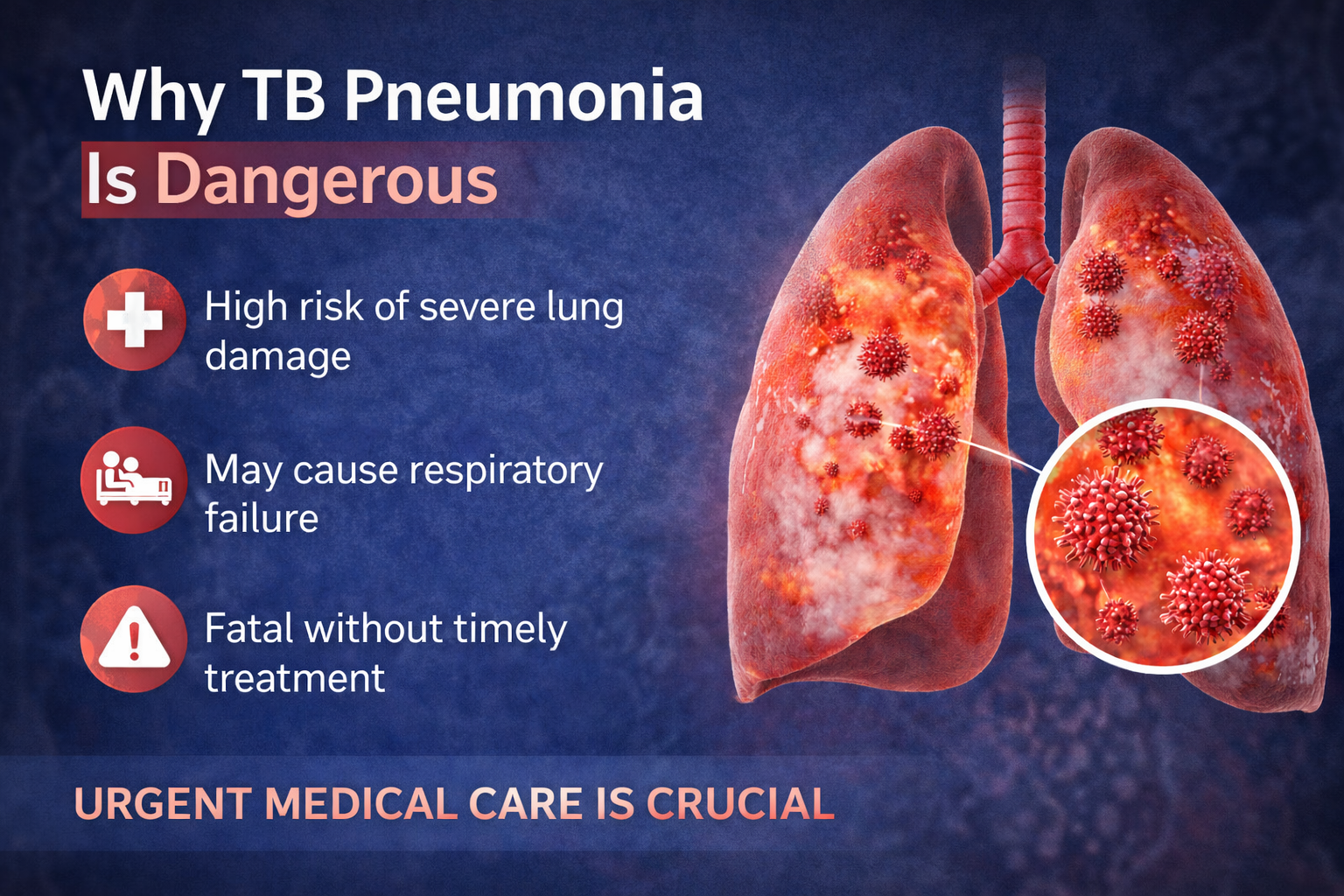
The severe nature of TB Pneumonia is underestimated due to the fact that the initial stages resemble viral diseases. This misconception leads to retarded medical treatment.
The symptoms can either build up or occur abruptly. Consult the physician always in case these symptoms take more than two weeks.
The most prevalent warning sign is a cough that lasts for over two weeks.
Evening Low grade fever is characteristic of infections of tuberculosis.
Suffocation or coughing could suggest inflammation in the lungs.
Breathing difficulties indicate the involvement of the lungs.
Red flags are unexplained weight loss and weakness.
Tuberculosis is characterized by excessive sweating during sleep.
In case several symptoms are detected, urgent testing is required.
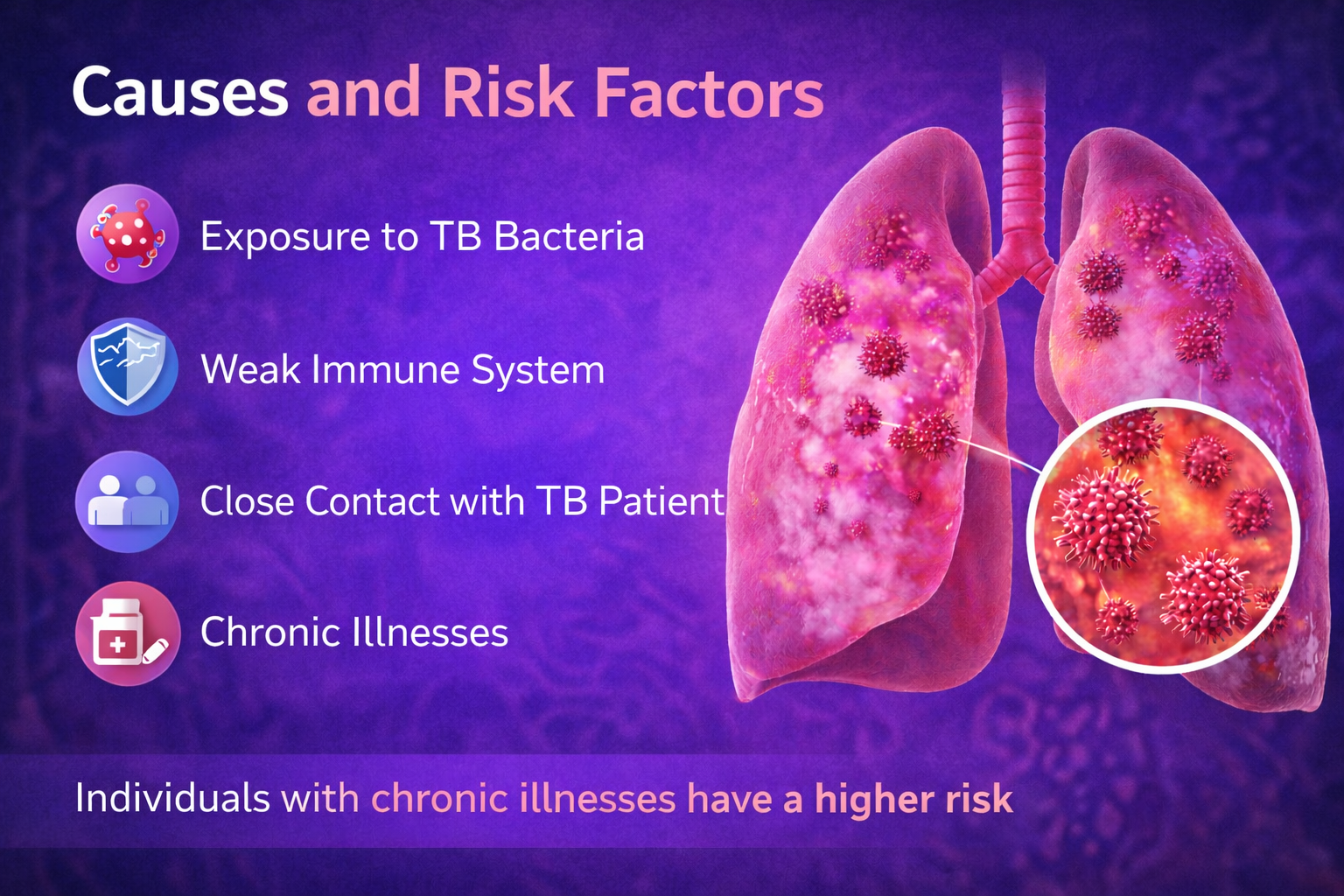
Mycobacterium tuberculosis is the main cause of TB Pneumonia. There are however, some risk amplifying factors:
Individuals with such risk factors need to be an extra cautious lot who seek early screening.
Numerous patients confuse the two conditions.Normal pneumonia is commonly an infection of bacteria or viruses and is normally treated by short term antibiotics.
TB Pneumonia is a disease that develops as a result of tuberculosis pathogens and is treated with long-term usage of special anti tuberculosis drugs.
Normal pneumonia cures in a few days when using the right antibiotics. This lung infection caused by Tuberculosis can last months to be cured.It should be properly diagnosed, as improper treatment may exacerbate the illness.

Physicians employ both clinical and laboratory assessment.
Medical History
Physicians enquire about the duration of cough, history of exposure, and weight loss.
Chest X-Ray
Reveals the shadows or cavities of the lungs.
Sputum Test
Identifies tuberculosis bacteria in mucus.
GeneXpert Test
Offers quick and precise detection.
Blood Tests
Assess the level of infection and immunity.
Never rely only on symptoms. Always verify by means of correct testing.
Treatment is effective during early onset and full completion.
Anti tuberculosis medicines are prescribed by the doctors in combination for six months or more, depending on the severity.
Patients must:
Poor treatment results in incomplete treatment and the development of drug resistant tuberculosis, which is more expensive and difficult to treat.
TB Pneumonia needs to be followed thoroughly, as it is a disease that needs to be treated.
Yes, it can be prevented when one is aware of it and takes precautions.
Vaccination
BCG vaccination protects the children.
Early Detection
The screening of high-risk individuals aids in control.
Good Ventilation
Open air minimizes bacterial concentration in the house.
Covering Mouth When Coughing.
Prevents infection spread.
Strong Immunity
Healthy living and a balanced diet make one resistant.
The role of public awareness is significant in minimizing the cases.
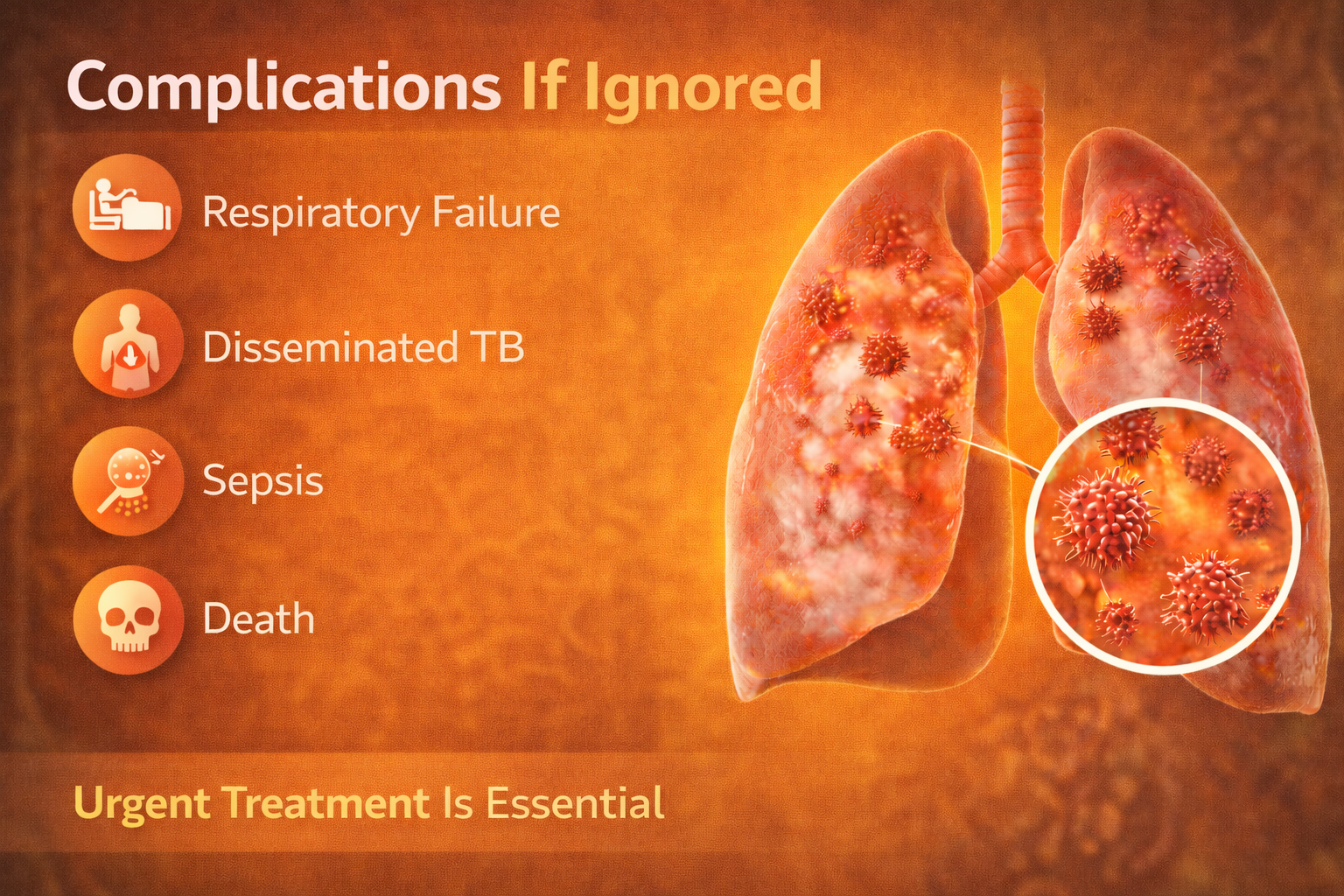
The failure to treat TB Pneumonia may lead to:
Lung scarring
Breathing failure
Infection transmission to other organs or the brain.
Severe weight loss
Death in extreme cases
In early medical care, the complications are minimized.
See a healthcare professional as soon as possible in case:
The cough continues for over two weeks.
Fever persists
Blood appears in the sputum
The breathing becomes hard.
Weight drops without reason
An early intervention will save lives and save family members.
In case one of the people in your house becomes sick:
Bringing a separate sleeping place.
Promote complete treatment adherence.
Improve ventilation
Support proper nutrition
Adhere to the advice of the doctor.
Patients are not willing to seek care due to stigma. Sustenance and training is necessary.
TB Pneumonia is a severe pneumonia in the lungs that is a result of tuberculosis bacteria. It is a mixture of pneumonia and tuberculosis features and may have a serious impact on breathing.
In contrast to a common pneumonia, TB Pneumonia is a disease caused by the bacterium tuberculosis, and there is a necessity for specific medication over a long period. Normal pneumonia usually responds to the short-term use of antibiotics.
The most common symptoms are a persistent cough, which has lasted for over two weeks, fever, chest pains, night sweats, malaise, weight loss, and dyspnea
It is transmitted via the air as an infected individual sneezes, speaks, or coughs, dispersing their tuberculosis bacteria to people who may inhale them.
Diagnosis: The diagnosis includes chest X-ray, sputum examination, GeneXpert examination, blood test, and medical history and exposure risk review.
Yes, TB Pneumonia is curable in case the patient takes the entire course of anti-tuberculosis drugs that are prescribed and adheres to the follow-up care.
Treatment is typically six months or longer. It is important to take the whole course in order to avoid drug-resistant tuberculosis.
Those at risk are
People with weak immunity, diabetes, poor nutrition, chronic illnesses, or close contacts with tuberculosis patients.
Yes. Some of the preventive measures will involve vaccination, early screening, good ventilation, hygiene practices, and a healthy lifestyle.
Emergency treatment should be sought when such symptoms as cough persistence, fever, chest pain, bloody sputum, or dyspnea appear. Early diagnosis saves lives.
TB Pneumonia is not another chest infection. It is a severe disorder that requires early diagnosis, proper treatment, and follow-up.
Persistent cough and fever should not be ignored as they may cause severe complications and permanent damage to the lungs.
However, in case of symptoms that are not improving, do not wait to be tested, you or your people.With early diagnosis, correct medication, and medical follow-up, complete recovery and avoidance of contagion are guaranteed.
The best defense against this deadly lung infection is awareness, responsibility, and prompt action. Logical choices will save your health and family welfare.