Subtotal $0.00


Medova is a convenience services to the adaptability, Spacious modern villa living room with centrally placed swimming pool blending indooroutdoor
Medova is a convenience services to the adaptability, Spacious modern villa living room with centrally placed swimming pool blending indooroutdoor
Breathing is an activity that we do unconsciously every second. However, once breathing is hard, then everything is different.
Most individuals overlook the initial symptoms that include shortness of breath, chest tightness, persistent cough, or even wheezing.
They believe that it is something minor or just an allergy. These symptoms are, however, early signs of severe pulmonary disorders.
The most critical concern is delay. Patients tend to address their breathing issues when they are severe.
The disease might have already impacted the lung functions by that time. It is at this point that a pulmonologist becomes very crucial.
A pulmonologist is a type of medical specialist who deals with the health and diseases of the lungs and breathing.
Rearrangements will help to avoid complications and enhance the quality of life.
Here, in this entire guide, you will know at what time to see a pulmonologist, the diseases that they treat, the way of diagnosis, and the way the special knowledge can take care of you and defend your lungs.
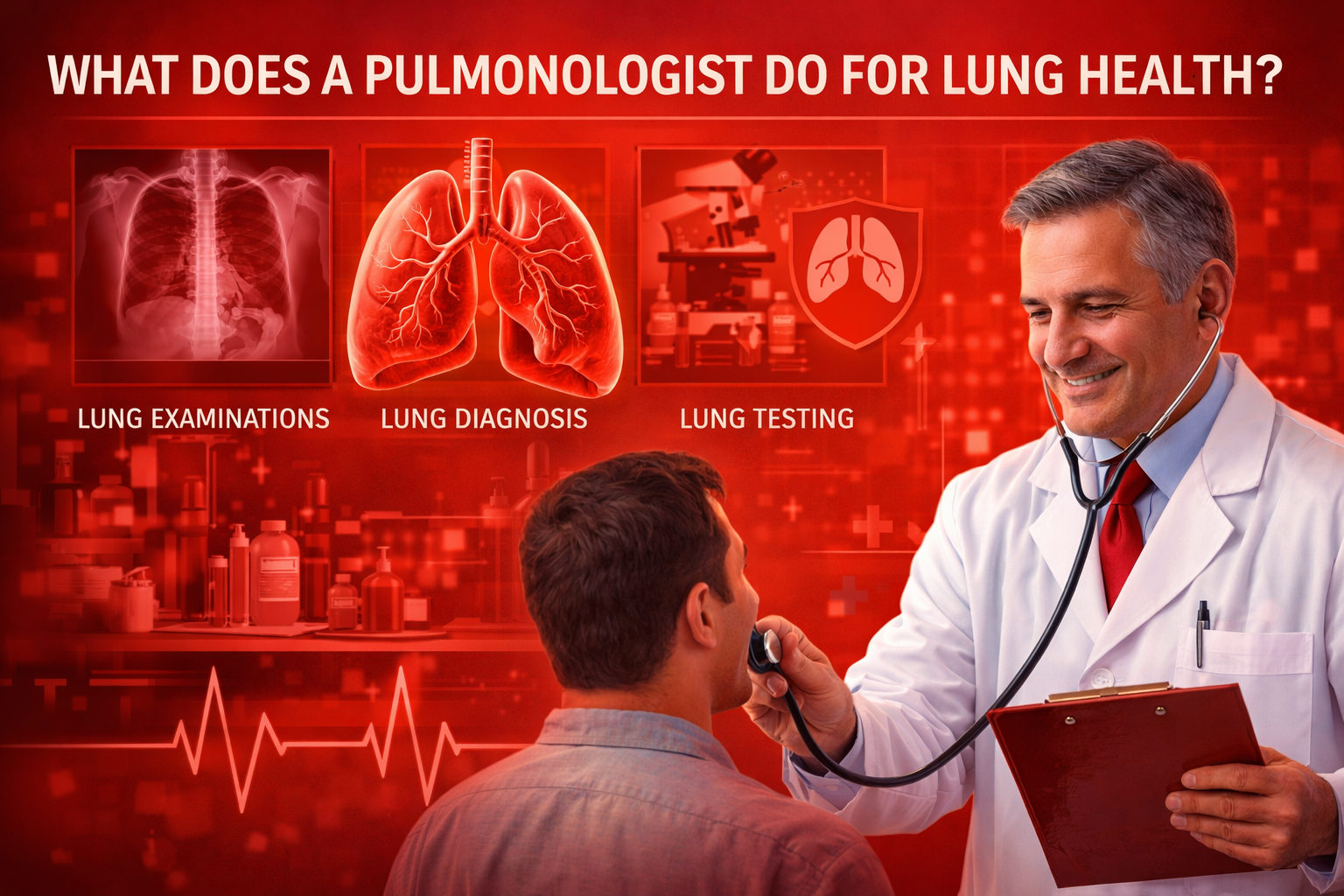
The pulmonologist diagnoses and treats respiratory system and lung diseases. These experts deal with acute and chronic illnesses.
A pulmonologist will treat asthma, chronic obstructive pulmonary disease, pneumonia, TB, lung infection, sleep-related breathing disorders, and lung fibrosis.
They also assist patients with breathing problems that are due to allergies or exposure to the environment.
These physicians deal with better breathing, fewer symptoms, and less deterioration of illness.
They apply modern medical equipment to assess the functionality of the lungs and offer specific treatment.
You should visit a pulmonologist if you experience continuous breathing issues. Many people ignore symptoms until they become severe.
Common warning signs include shortness of breath, chest discomfort, long-lasting cough, coughing up mucus, wheezing, and frequent respiratory infections.
If these symptoms continue for weeks, it is important to seek medical advice.
People who smoke or live in polluted environments have a higher risk of lung disease. Early consultation with a pulmonologist helps detect problems before they become serious.
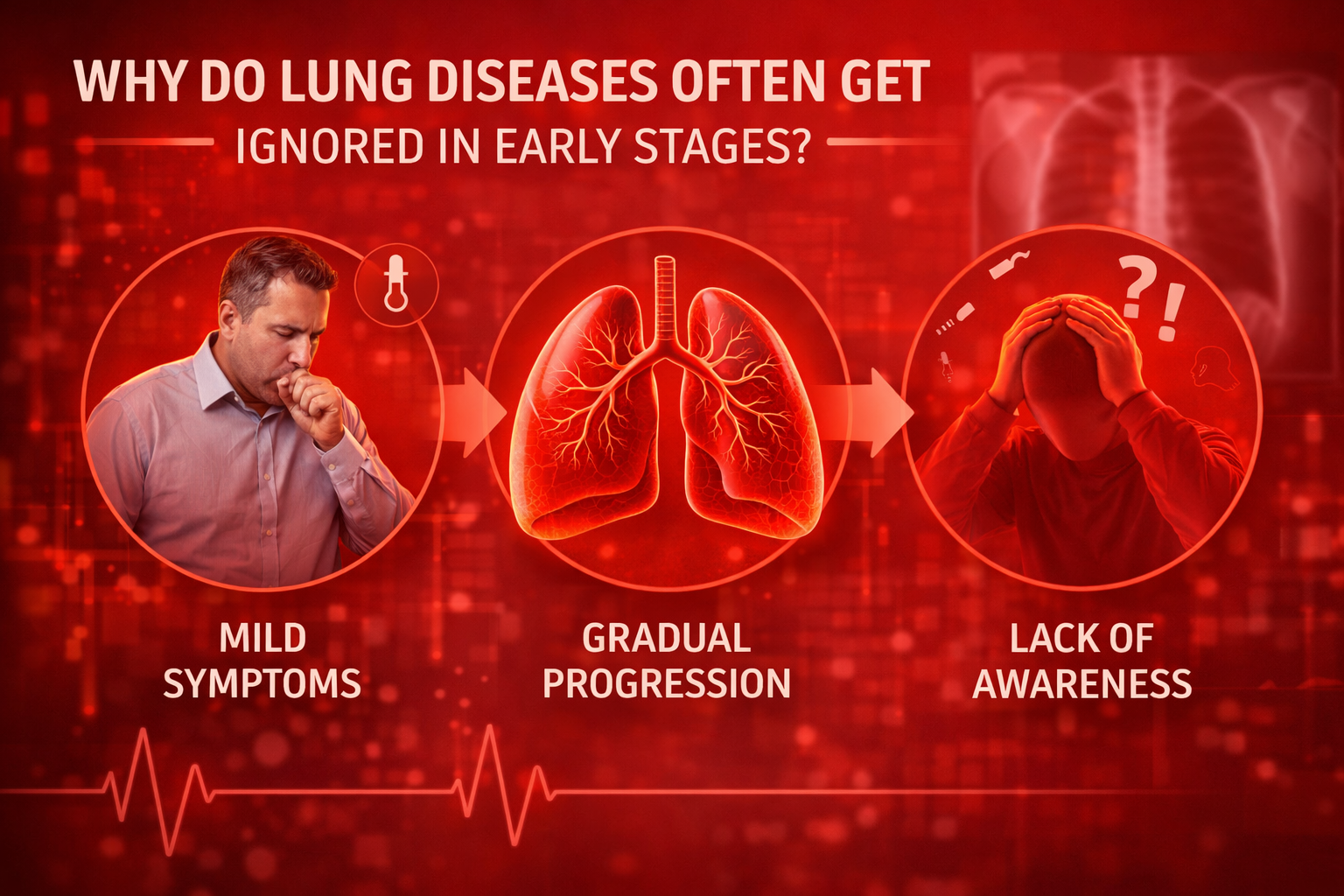
Numerous diseases of the lungs have a progressive development. The initial symptoms are not severe and can be overlooked.
They are usually mistaken by people as the common flu or seasonal allergies.
The other cause is a lack of awareness. Most patients are not aware of when they should use a pulmonologist. They make use of home remedies or general medicine without a proper diagnosis.
The clinical experience and diagnostic instruments employed by a pulmonologist help them to determine the underlying cause of the breathing difficulties.
Early detection enhances better patient treatment, and complications are avoided.
Diagnosis begins with a thorough medical history and a comprehensive physical examination. The doctor listens to breathing sounds and evaluates symptoms.
Pulmonologists use several tests to confirm a diagnosis. These include chest X-ray, CT scan, pulmonary function tests, and blood tests.
These tests help measure lung capacity and detect abnormalities.
In some cases, doctors may recommend bronchoscopy. This procedure allows direct examination of the airways.
Accurate diagnosis helps the pulmonologist design an effective treatment plan based on the patient’s condition.
Therapy is determined by the nature and the severity of the lung disease. A pulmonologist develops an individual strategy to treat the symptoms and enhance lung capacity.
The most frequent interventions are inhalers, medicines, oxygen, and breathing exercises. Infected patients are treated using antibiotics or antiviral drugs.
In case of chronic diseases like asthma or chronic obstructive pulmonary disease, there is a need of the long term management. Follow-ups should be conducted regularly to keep track of progress and change treatment.
Pulmonologists also provide information to patients to change their lifestyle so that they can have better lung health.

Choosing the right specialist is important for effective treatment. Patients should look for experience, qualifications, and hospital affiliation.
A good pulmonologist listens carefully to patient concerns and explains the condition clearly. Effective communication builds trust and enhances treatment outcomes.
Hospitals with advanced diagnostic facilities provide better care. Access to modern equipment ensures accurate diagnosis and timely treatment.
Patient reviews and recommendations also play a crucial role in selecting a reliable pulmonologist.
Healthy lifestyles play a significant role in keeping the lungs healthy. Patients are not to smoke and should avoid exposure to contaminated air.
Exercising enhances the capacity of the lungs and strengthens the respiratory muscles. The breathing exercises also help increase oxygen supply.
A balanced diet helps to maintain immunity and decreases the risk of infection. Consuming adequate water helps maintain clear airways.
Dust, smoke, and strong chemicals are some of the triggers that people with allergies should avoid.
Early diagnosis allows timely treatment and prevents complications. Lung diseases can become severe if ignored.
A pulmonologist can detect problems at an early stage through proper testing. Early treatment reduces the risk of long term damage.
Patients who seek medical help early often recover faster and maintain better lung function.

Professional assistance from a pulmonologist helps patients cope with their symptoms. Treatment decreases difficulty in breathing and enhances everyday activity.
Regular check-ups will ensure that the situation is under control. Medication, exercise, and lifestyle habits are provided to the patients.
When well cared for, many individuals living with lung disease can lead healthy lives.
A pulmonologist treats diseases related to the lungs and breathing system such as asthma, pneumonia, tuberculosis, chronic obstructive pulmonary disease, and other respiratory infections.
You should see a pulmonologist if you have ongoing breathing problems, shortness of breath, chest tightness, long lasting cough, or frequent lung infections.
A pulmonologist checks lung health through physical examination, chest imaging, pulmonary function tests, and blood tests to measure how well your lungs are working.
Yes, a pulmonologist can identify the cause of a chronic cough and provide proper treatment to effectively manage and reduce symptoms.
Avoid smoking, exercise regularly, eat a balanced diet, stay hydrated, and limit your exposure to pollution to maintain healthy lungs.
Pulmonologist treatment is necessary for any patient experiencing difficulties with breathing or symptoms of lung involvement.
Failure to recognize the initial symptoms may lead to severe medical complications.
It is appropriate to consult a pulmonologist when necessary to ensure accurate diagnosis and treatment. Such professionals are involved in preventing lung diseases and enhancing overall health status.
Be serious with your breathing. In this case, seek professional care as early as possible when symptoms persist. A healthy life is based on healthy lungs.