Subtotal $0.00


Medova is a convenience services to the adaptability, Spacious modern villa living room with centrally placed swimming pool blending indooroutdoor
Medova is a convenience services to the adaptability, Spacious modern villa living room with centrally placed swimming pool blending indooroutdoor
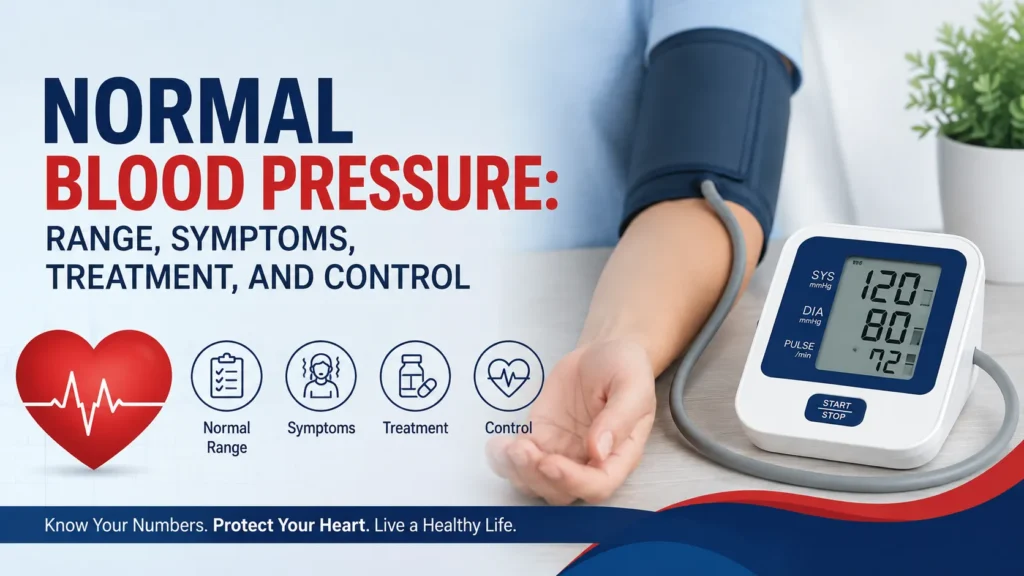
Blood pressure is the force exerted by blood against the walls of your arteries as the heart pumps blood around the body. A blood pressure reading contains two numbers, such as 118/76 mmHg:
The unit mmHg means millimetres of mercury. Both numbers matter. A person can have a normal systolic reading but an elevated diastolic reading, or vice versa. Blood pressure is generally classified according to whichever number places the reading in the higher category.
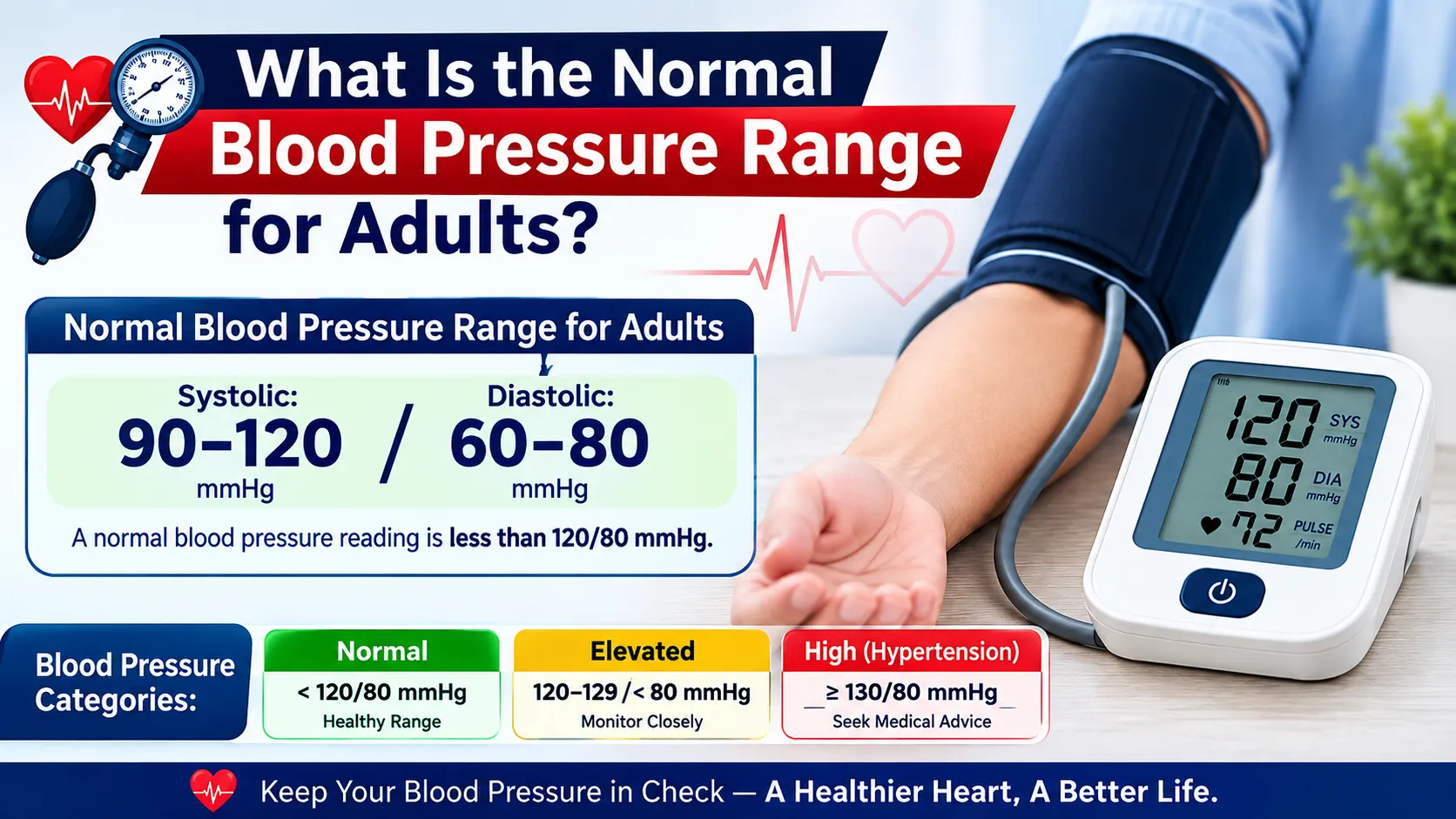
According to the current American Heart Association/American College of Cardiology framework, normal blood pressure is below 120/80 mmHg. The categories become more concerning as systolic or diastolic pressure increases.
Blood pressure category | Systolic (top number) | Diastolic (bottom number) |
Normal | Less than 120 | Less than 80 |
Elevated | 120–129 | Less than 80 |
Stage 1 hypertension | 130–139 | 80–89 |
Stage 2 hypertension | 140 or higher | 90 or higher |
Severe hypertension | Higher than 180 | And/or higher than 120 |
These categories are useful for understanding a reading, but one measurement is not enough to diagnose hypertension. A healthcare professional should evaluate repeated measurements and the overall clinical situation.
A reading of exactly 120/80 mmHg is not classified as “normal” under the current AHA/ACC adult categories. Normal is below 120 systolic and below 80 diastolic. That does not mean 120/80 is automatically dangerous. Blood pressure needs to be interpreted in context, particularly when readings are repeated over time.
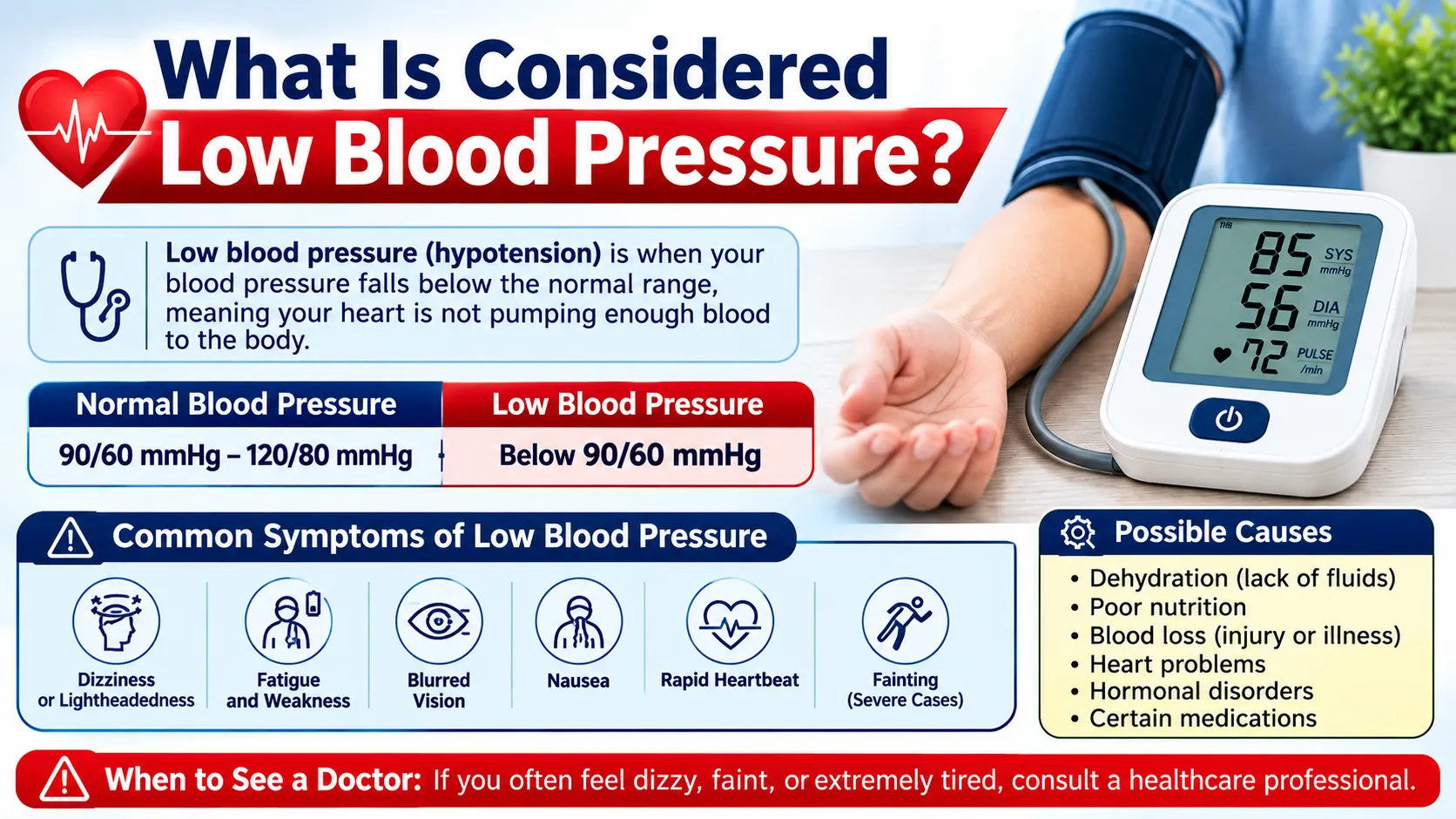
Low blood pressure, or hypotension, is commonly defined as a reading below 90/60 mmHg. However, a low reading is not necessarily a problem if a person feels well and has no underlying condition causing it.
Some healthy people naturally have lower blood pressure. The more important question is whether the low reading is causing symptoms or is related to another health problem.
Low blood pressure symptoms can include:
Symptoms that happen after standing up may indicate postural or orthostatic hypotension, in which blood pressure drops with a change in position.
If dizziness or fainting happens repeatedly, it is worth discussing with a healthcare professional rather than assuming the problem is simply dehydration or low blood pressure.
Low blood pressure can have many causes. Some people naturally have lower readings, while others develop hypotension because of circumstances or medical conditions. Possible contributors include:
The appropriate response depends on the cause. That is why low blood pressure treatment should not simply aim to increase the number without finding out why it is low.
Low blood pressure treatment depends on its cause and whether symptoms are present.
For mild symptoms, a healthcare professional may recommend measures such as adequate fluid intake, standing up slowly, and avoiding sudden changes in posture. Some people may benefit from smaller, more frequent meals or other measures depending on the underlying problem.
If medication is responsible, a doctor may adjust the dose or change the medicine. Support stockings may sometimes be recommended for certain types of postural hypotension. Medication specifically intended to raise blood pressure is not routinely necessary and is generally considered only when appropriate for the individual.
High blood pressure, medically called hypertension, occurs when blood pressure remains consistently elevated. Unlike low blood pressure, high blood pressure often has no obvious symptoms. A person may feel completely healthy while their blood pressure is damaging blood vessels over time.
The only reliable way to know whether your blood pressure is elevated is to measure it. Persistent hypertension can increase the risk of serious health problems involving the heart, brain, kidneys, and blood vessels.
One of the most important facts about high blood pressure symptoms is that there may be none. Headaches, dizziness, or tiredness should not automatically be interpreted as proof of hypertension. Similarly, feeling fine does not mean blood pressure is normal. This is why regular blood pressure checks are important, particularly for adults with risk factors.
Very high blood pressure can become an emergency when accompanied by concerning symptoms. A reading above 180/120 mmHg requires urgent medical attention, especially if there is chest pain, shortness of breath, weakness or numbness, vision changes, back pain, or difficulty speaking.
Persistently elevated blood pressure puts additional stress on artery walls and can contribute to damage over time. Hypertension is associated with an increased risk of conditions such as:
The longer high blood pressure remains uncontrolled, the more important appropriate evaluation and management become.
High blood pressure treatment usually combines lifestyle changes with medication when medication is indicated. Treatment decisions are based on the actual blood pressure readings, cardiovascular risk, age, existing medical conditions, and other factors.
The 2025 AHA/ACC guideline recommends lifestyle changes for adults with elevated blood pressure and hypertension. Medication is recommended for adults with average blood pressure at or above 140/90 mmHg and for selected people with readings at or above 130/80 mmHg depending on cardiovascular disease, previous stroke, diabetes, chronic kidney disease, or overall cardiovascular risk.
Common medicines used to treat hypertension include different classes of antihypertensive drugs. The choice depends on the person’s health profile, other medicines, kidney function, age, pregnancy status, and other considerations. Do not start, stop, or change blood pressure medication without medical advice.
If you are asking how to control high blood pressure, lifestyle changes are an important part of long-term management. They are useful whether medication is prescribed or not.
A high-sodium diet can contribute to increased blood pressure in many people. Reducing heavily salted foods and paying attention to processed and packaged foods can help. For people in Karachi, this may mean being mindful of salt added during cooking as well as salty snacks, pickles, sauces, processed foods, and restaurant meals.
A balanced eating pattern that emphasizes vegetables, fruits, whole grains, legumes, and other nutrient-rich foods can support cardiovascular health. The DASH eating pattern is an evidence-based approach recommended for blood pressure management.
Regular moderate physical activity can support healthier blood pressure and cardiovascular fitness. If you have been inactive for a long time, start gradually. People with existing heart, kidney, or other medical conditions should ask their healthcare professional what level of activity is appropriate.
If you are overweight, achieving and maintaining a healthier weight can contribute to better blood pressure control. The 2025 AHA/ACC guideline specifically recommends maintaining or achieving a healthy weight as part of blood pressure management.
Stress can temporarily raise blood pressure, while poor sleep can make healthy routines harder to maintain. Simple habits such as maintaining a regular sleep schedule, staying physically active, and using healthy stress-management techniques can complement medical treatment.
Lifestyle changes are important, but they do not replace medication when medication has been prescribed. If your doctor has recommended antihypertensive medicine, take it according to the instructions and discuss side effects rather than stopping treatment on your own.
Home monitoring can be useful for identifying patterns and helping healthcare professionals assess whether treatment is working. The AHA recommends using a validated blood pressure device and following standardized measurement practices. For a more reliable reading:
A single unusual reading may not tell the whole story. A pattern of readings is generally more useful for clinical decision-making. The 2026 guideline also cautions against relying on cuffless devices, including smartwatches, for accurate blood pressure measurement until their precision and reliability are adequately established.
Arrange a medical evaluation if your readings are repeatedly above the normal range, particularly if they are reaching hypertension levels. You should also seek medical advice if you repeatedly experience dizziness, fainting, weakness, or other symptoms associated with low blood pressure.
For very high readings, urgency matters. If blood pressure is higher than 180/120 mmHg, repeat the measurement after a short period of rest and seek prompt medical guidance. If a reading remains that high and you have symptoms such as chest pain, shortness of breath, weakness, numbness, vision changes, back pain, or difficulty speaking, seek emergency medical care immediately.