Subtotal $0.00


Medova is a convenience services to the adaptability, Spacious modern villa living room with centrally placed swimming pool blending indooroutdoor
Medova is a convenience services to the adaptability, Spacious modern villa living room with centrally placed swimming pool blending indooroutdoor
Have you ever experienced persistent thirst, unusual fatigue, or frequent urination but disregarded it, assuming it was a common problem?
Many people experience these symptoms daily without being aware that their blood sugar may be elevated. In the early stages, there are no obvious warning signs, but this silent illness can gradually harm your body.
Your body begins to send signals when your blood sugar level rises above normal. However, the majority of people do not take these indicators seriously, which is a problem.
They put off seeking medical advice or rely on short-term relief. This eventually results in major health issues that are challenging to treat.
High blood sugar, or hyperglycemia, is a serious problem. Your organs, vitality, and general quality of life may all be impacted.
High blood sugar, or hyperglycemia, is a serious problem. Your organs, vitality, and general quality of life may all be impacted. If left untreated, it can result in complications like heart problems, kidney problems, and nerve damage.
You will discover the causes of high blood sugar, how to identify its symptoms, and practical management techniques in this comprehensive guide. This article will provide you with clear and useful information to help you take charge of your health
High blood sugar, or hyperglycemia, is the result of an excess of glucose in the blood. This typically occurs when your body is unable to properly use insulin or does not produce enough of it.
One hormone that aids in transferring blood sugar into cells for energy is insulin. Blood sugar levels rise when this process is not functioning properly.
People with diabetes are frequently affected by this condition, but other people may experience it as a result of lifestyle choices or medical conditions.
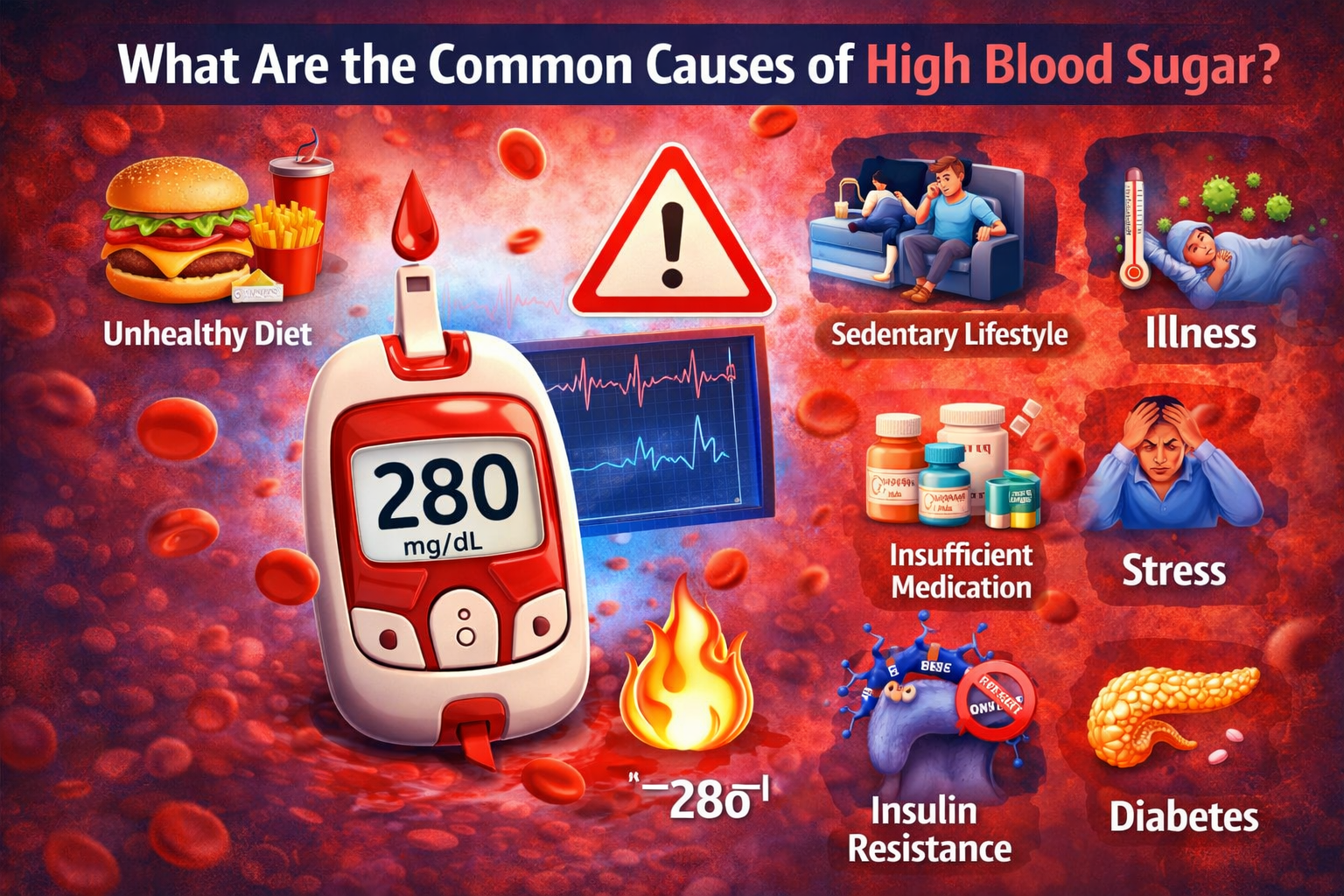
Several factors can lead to high blood sugar levels. One of the main causes is diabetes, where the body struggles to control glucose levels.
Other causes include unhealthy eating habits, lack of physical activity, stress, and certain medications. Eating too many sugary foods or skipping medication can also increase blood sugar.
Infections or illness may also raise sugar levels because the body releases stress hormones that affect insulin.Knowing these causes can help you take the right steps to prevent Hyperglycemia high blood sugar.
Ignoring the various symptoms of high blood sugar can be dangerous.
Excessive thirst, frequent urination, exhaustion, blurred vision, and headaches are typical symptoms. Additionally, some people may have dry skin and sluggish wound healing.
The symptoms may get worse as the illness gets worse. Confusion, weakness, and trouble concentrating are examples of this.You can seek prompt treatment and prevent complications by being aware of these early indicators.
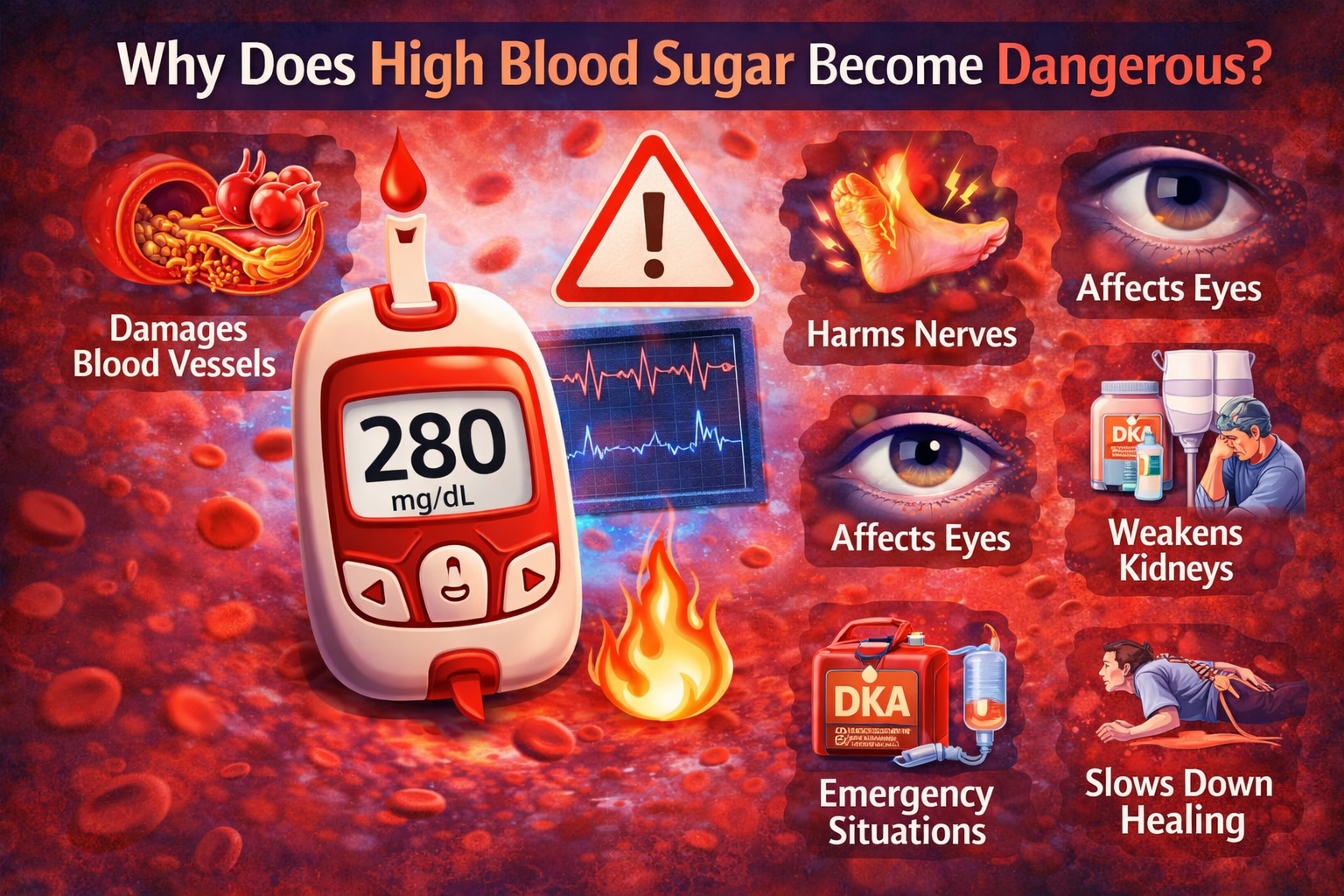
Many people think that high sugar is only a temporary issue, but it can cause serious damage if left untreated.
Over time, excess sugar in the blood can harm blood vessels and nerves. This affects important organs such as the heart, kidneys, and eyes.
Hyperglycemia, high blood sugar, can also weaken your immune system, making it harder for your body to fight infections.Long term damage can reduce your quality of life and lead to serious health conditions.
Simple tests are used by doctors to diagnose high blood sugar. These consist of random glucose tests and fasting blood sugar tests.A long-term test is sometimes used to measure average blood sugar levels over time.
Additionally, your doctor might inquire about your lifestyle choices and symptoms. This aids in determining the cause and organizing the best course of action.Effective control of the condition is facilitated by early diagnosis.
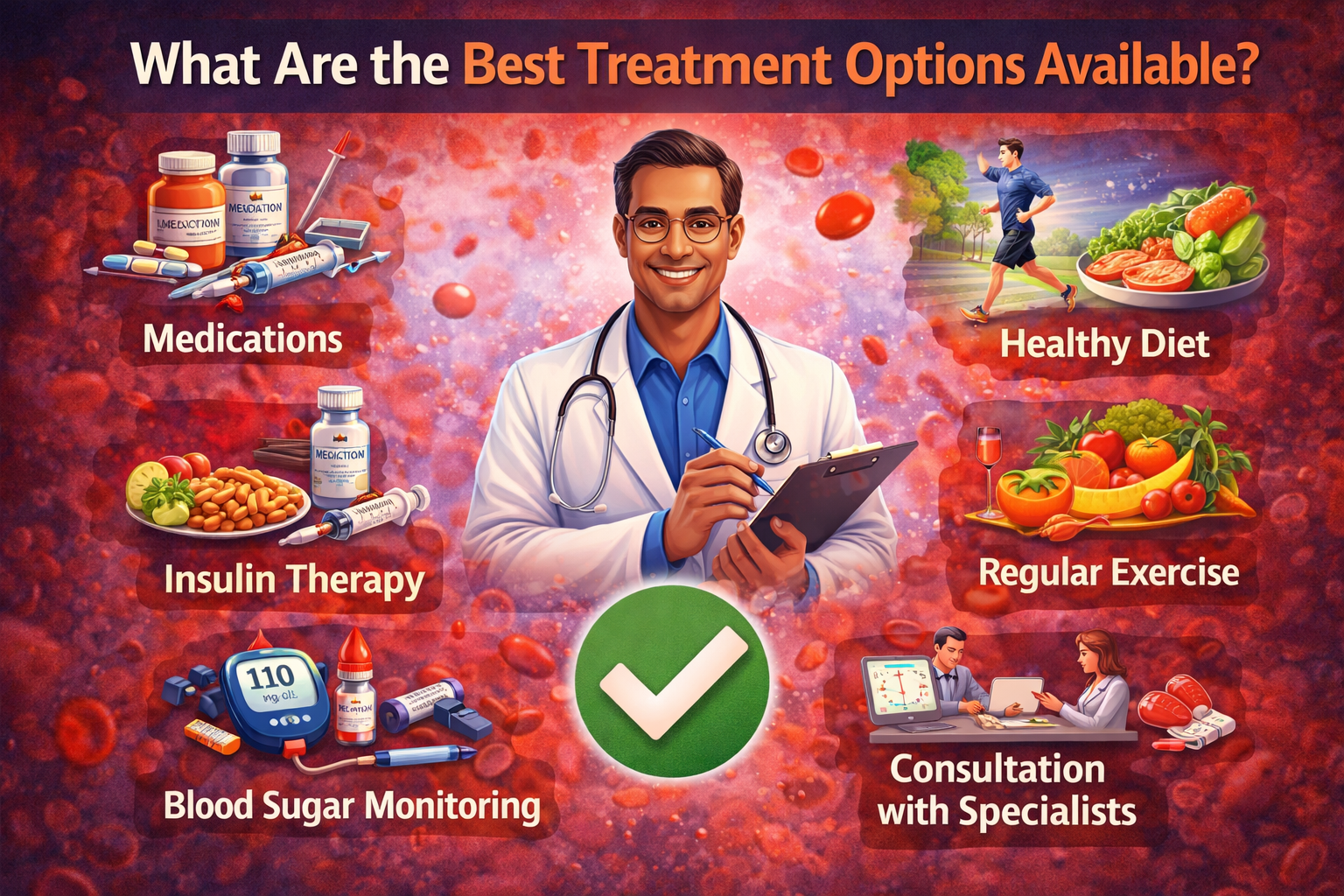
Treatment depends on the cause and severity of the condition. For many people, lifestyle changes play a key role.Doctors may prescribe medication or insulin to control blood sugar levels. Along with this, patients are advised to follow a healthy diet and stay active.
Regular monitoring is also important to keep sugar levels within a safe range.Hyperglycemia, high blood sugar, can be managed successfully with the right treatment plan and consistency.
Fuel choices shape how the body handles excess sugar. Meals built with care keep energy flows steady through the day.
Fiber-filled choices often show up in carrots, oats, and apples. Too much sweet stuff, factory-made meals can slow things down.
Meals on a steady schedule? That matters. So does keeping servings modest – both shape how your body handles sugar throughout the day.
Picking better foods might just keep you feeling stronger each day. A few tweaks here could mean fewer problems down the road.If signs of elevated blood sugar show up often, it is wise to speak with a healthcare provider.
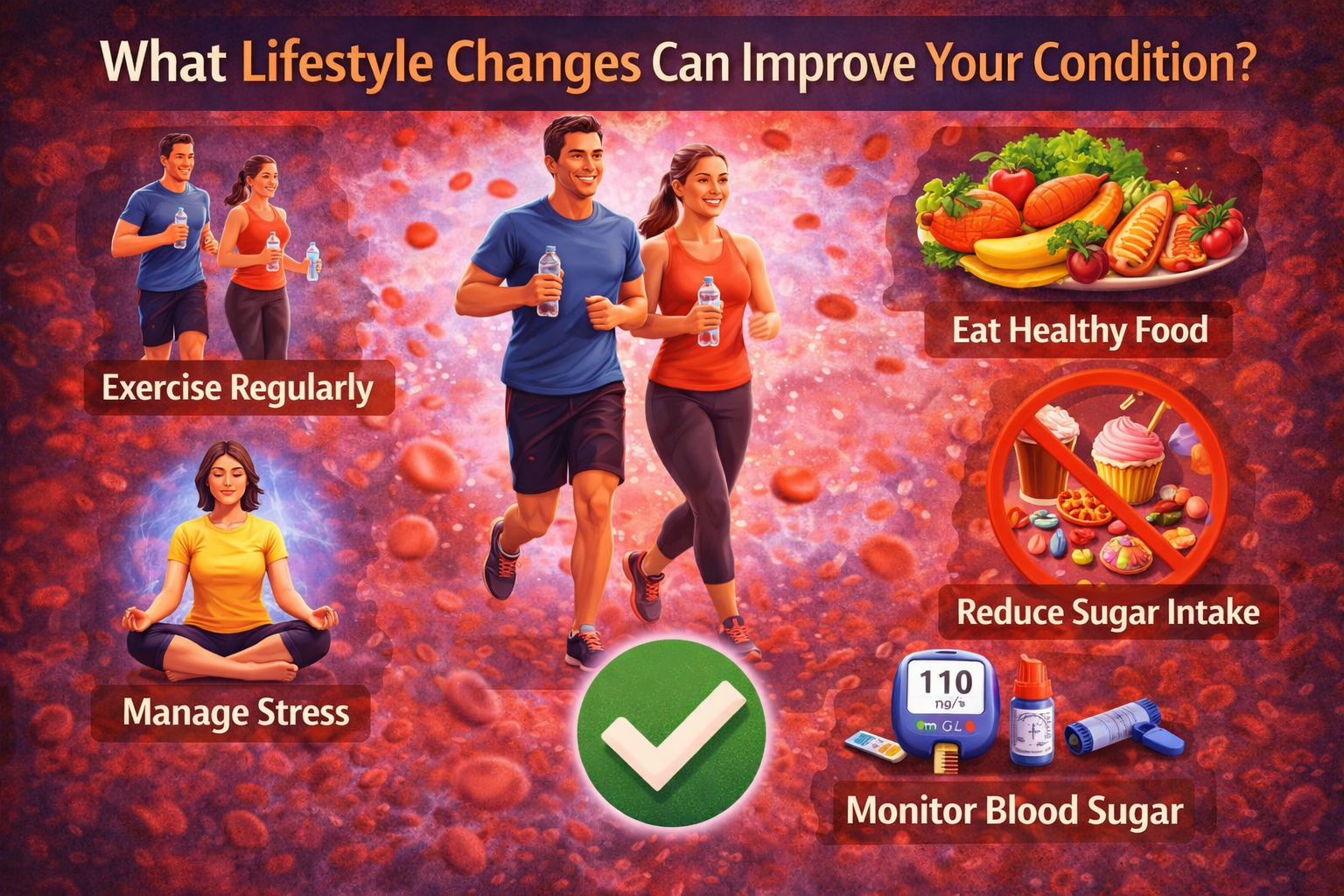
Simple lifestyle changes can make a big difference in controlling blood sugar levels. Regular exercise helps your body use insulin more effectively. Even daily walking can improve your condition.
Managing stress is also important because stress hormones can raise blood sugar levels. Getting enough sleep and staying hydrated are also essential for overall health. These changes support long term control of Hyperglycemia high blood sugar.
When symptoms get worse or stay bad, seeing a doctor makes sense. Getting help early can stop problems from growing while guiding a better recovery.
Staying on top of diabetes means showing up for routine visits. Doctors watch how things change over time. These appointments help catch problems early. Blood sugar levels get checked every so often. Each visit adds a piece to the bigger picture. Watching patterns makes a difference down the road.
Failing to act when something feels off might cost you later – pay attention before small issues grow. A moment of caution now could spare you trouble down the road.
Staying on top of your blood sugar isn’t only for feeling better today. Over time, it takes steady effort, day after day.
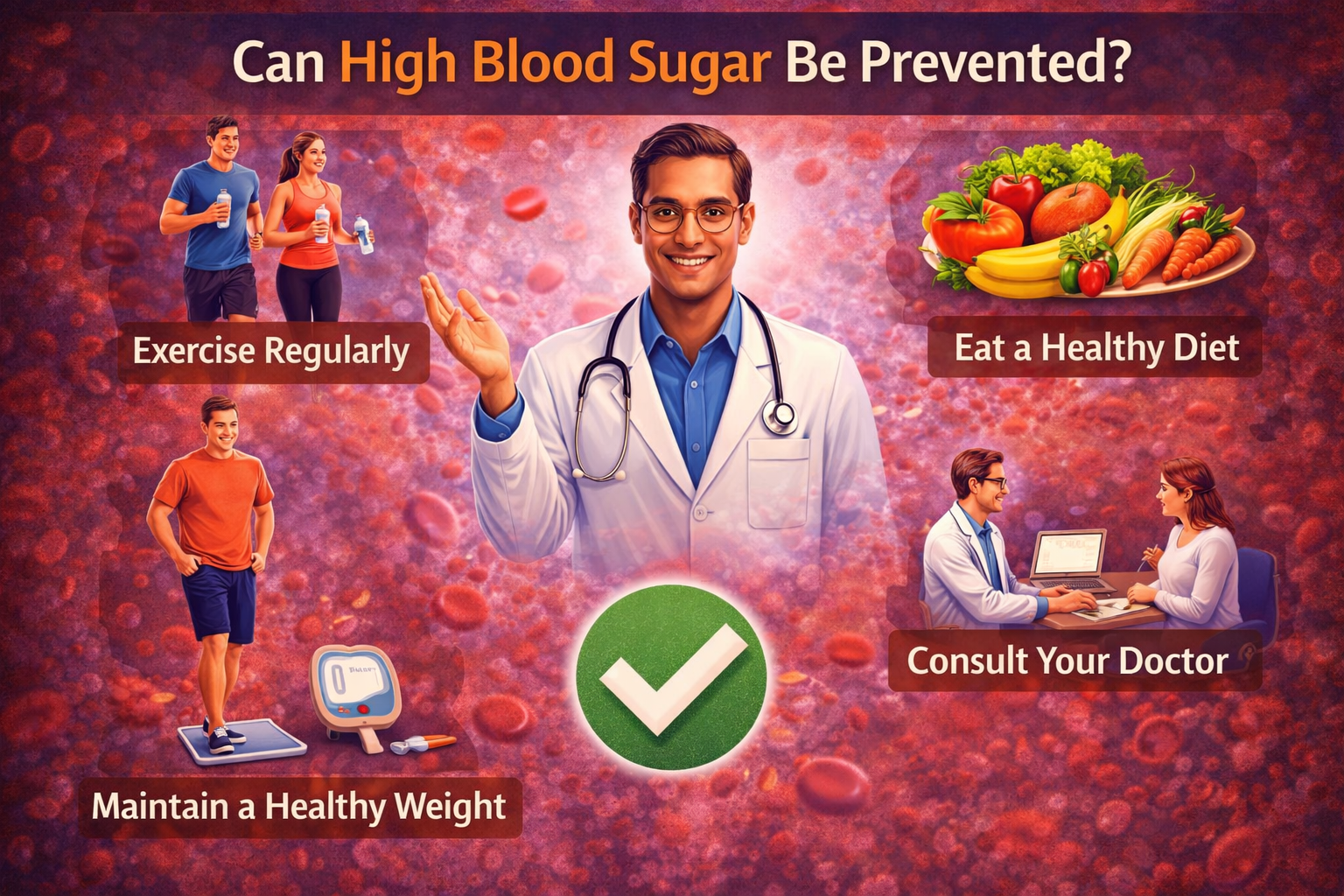
Yes, in many cases, high blood sugar can be prevented with healthy habits.Maintaining a balanced diet, staying active, and managing stress can reduce your risk.Regular health checkups help in early detection and prevention.Even small changes in your daily routine can have a positive impact on your health.
Staying on track can prevent major problems down the road while improving daily living. What matters most is regular effort – this shapes long-term outcomes without drawing attention to itself.
Sticking to the routine helps people feel stronger over time. When daily choices support healing, progress often follows.
A person might manage high blood sugar well when they stay consistent plus pay attention to daily habits. Sticking with a routine helps balance levels over time because effort counts more than quick fixes. Steady care makes a difference even on tough days since small choices add up slowly.
It is a condition where there is too much glucose in the blood due to poor insulin function.
Common signs include thirst, fatigue, and frequent urination.
Yes, it can be managed with proper treatment and lifestyle changes.
If untreated, it can damage organs and lead to serious complications.
You should consult a doctor if symptoms appear frequently or become severe.
When blood sugar climbs too high, trouble follows. Left unchecked, it weaves harm into everyday routines. Problems grow quietly, then show up when least wanted. Attention today shapes how well things go tomorrow. Managing it right keeps control where it belongs.
Finding small changes first helps manage blood levels well. When meals shift toward whole foods, energy often follows a steadier path. Seeing a doctor before symptoms grow makes a difference that most overlook.
High sugar in the bloodstream might feel overwhelming, yet simple habits reshape outcomes quietly. Timing matters more than effort when adjusting daily routines slowly.
Start now by choosing habits that build a stronger tomorrow – small steps lead the way. A different choice each day shapes what comes next. This moment matters more than you think.