Subtotal $0.00
View cartCheckout
High Blood Pressure: | Published: January 27, 2025
Summarize this post with
One of the most widespread health issues of the modern world is the High Blood Pressure. Millions of individuals live with it daily without even thinking that their bodies are subjected to constant stress. This is a condition in which there are no signs of it at an early stage, but it progressively destroys internal organs. It is only when they have serious problems, such as a heart attack, stroke, or even kidney failure, that many people discover it.
Modern life is stressful, rushed, and unhealthy. The workload, unhealthy eating, inactivity, and all-time mental stress are escalating the level of blood pressure even among the young generation. The majority of people think that the given problem concerns only older people, yet the facts are much different.
High Blood Pressure does not come abruptly. It builds quietly. Your heart is straining every day. Blood vessels become inflexible. Organs are subjected to the pressure they never intended. This silent condition is hazardous as time passes.
This article is simple to understand, and everything is explained in plain language. You will know what causes it and how it acts on the body, what to be on the lookout for, and how to keep it under control safely.
High Blood Pressure causes undue strain on the walls of arteries. This continuous strain causes the blood vessels to become weak, so the heart has to exert more effort to pump blood. After prolonged pressure causes the heart to be under pressure, the heart becomes weak and enlarged.
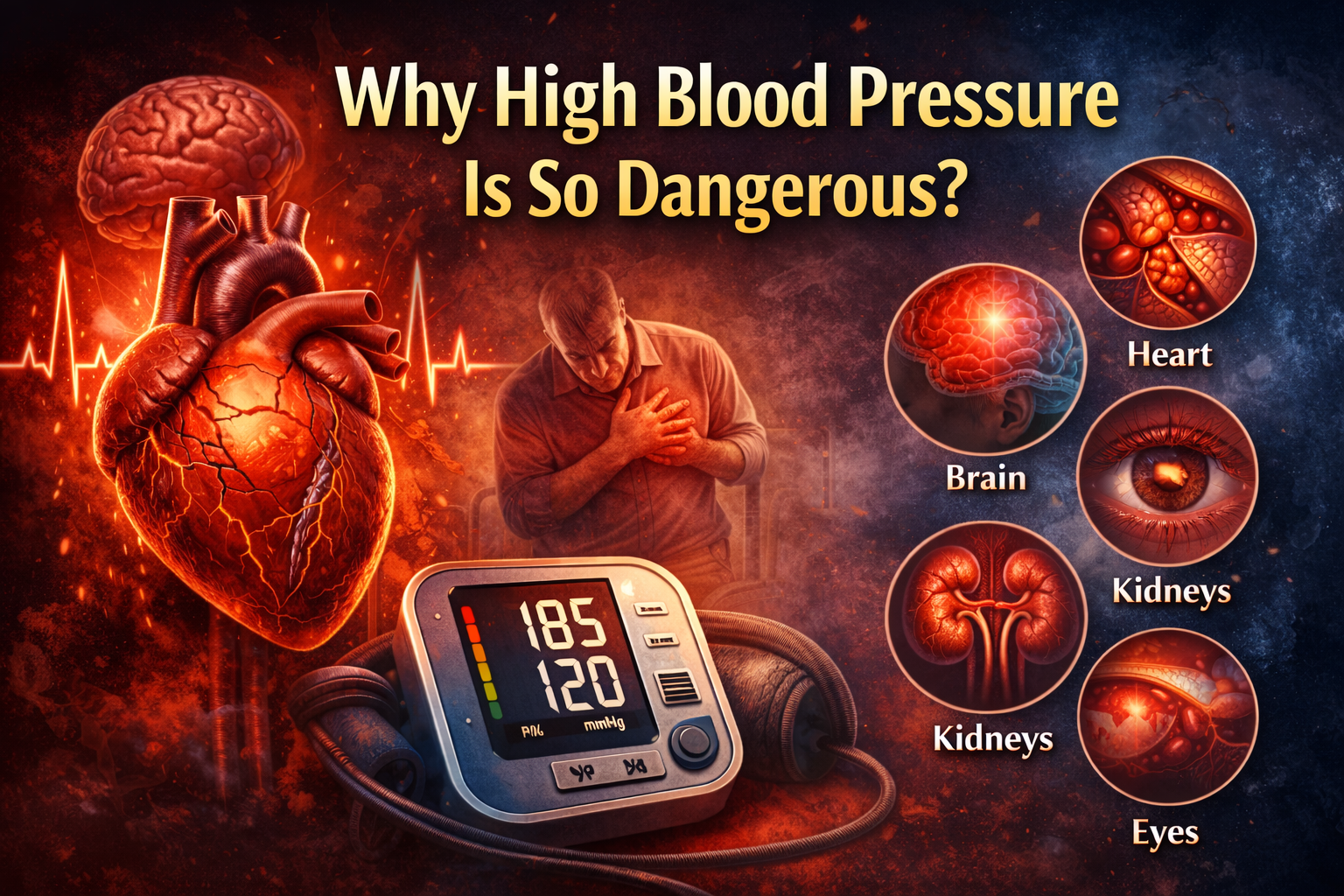
The condition is a risk factor for heart disease, stroke, vision, kidney damage, and memory impairment. The worst aspect is that many of them feel perfectly fit while damage takes place within their bodies. Leaving blood pressure unattended today may cause my future health issues tomorrow.
Most of the individuals question why they do not show signs of sickness despite their high readings. The fact is that this condition can remain unspoken for a long time.
Nevertheless, some people can not bhelp ut see such symptoms as frequent headache, dizziness, blurred vision, chest pain, fatigue, irregular heartbeat, nosebleed, or lack of concentration. Such symptoms normally manifest themselves when the pressure levels are already elevated. This is why frequent check-up is highly necessary though you might be feeling healthy.
This condition cannot be attributed to one reason. Several lifestyle and medical aspects interact.
A significant contribution is a poor diet, containing too much salt, processed food, and fried meals. Exercise deficiency makes the heart muscles weak. Obesity causes strain on the arteries. Stress maintains hormones at high levels. Smoking destroys blood vessels. Alcohol disrupts the heart rhythm.
Genetics also matters. When there are blood pressure issues in the family, it is more dangerous. Some disorders, like diabetes, thyroid imbalance, and kidney disease, may also be the causes.
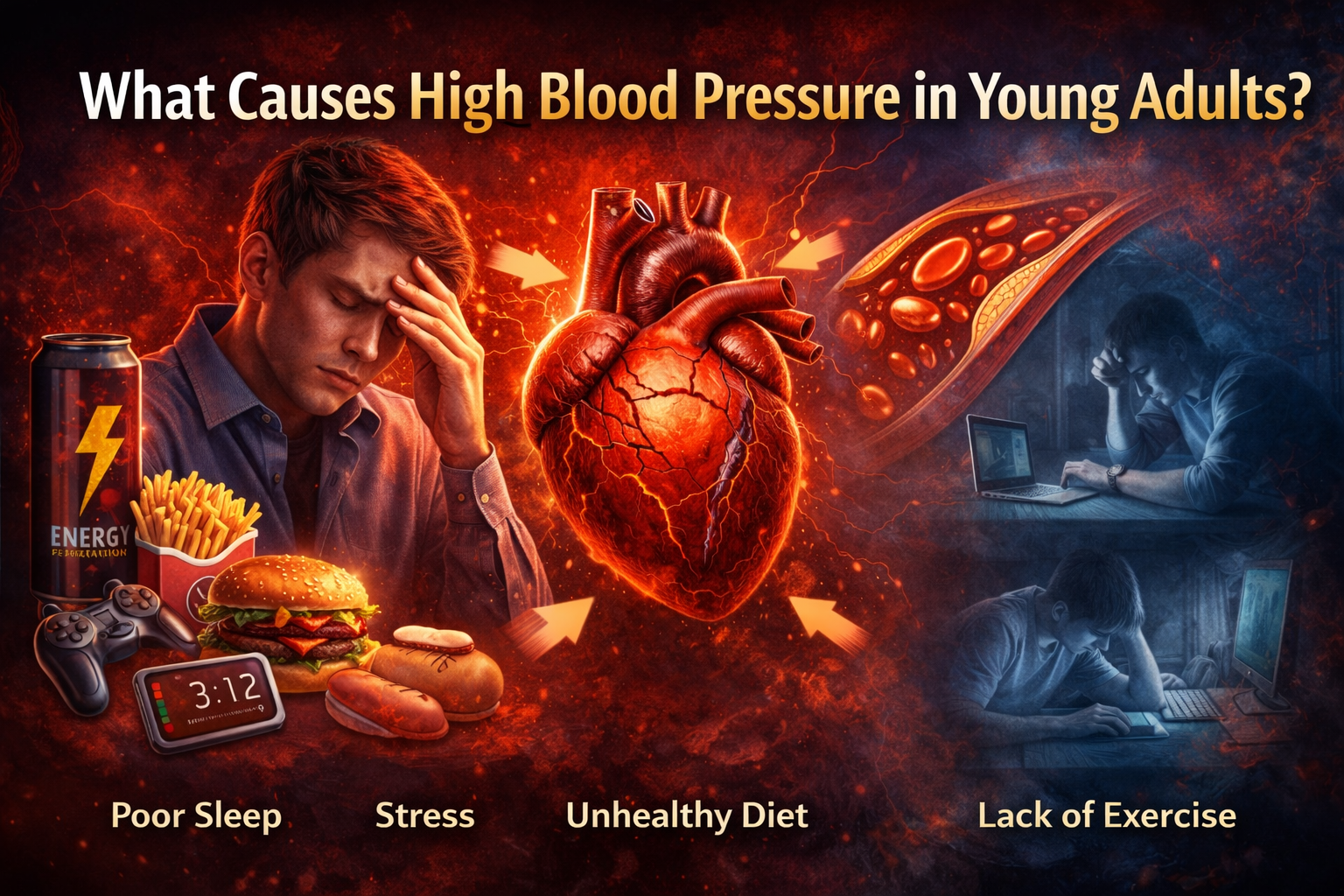
In modern days, this has been a problem among many young adults at a younger age than expected. The primary factors include constant screen time, inadequate sleep habits, energy drinks, fast food, and mental stress.
Desk based routines in the absence of exercise lower the efficiency of blood flow. The body is in alert mode because of emotional stress, anxiety, and the need to achieve success. This increases the level of blood pressure over time. Poor attention to the early symptoms among young people usually causes serious complications in old age.
Physicians have a blood pressure chart on which they categorize readings. Normal ranges are within safe ranges. High levels are signs of early danger. The first stage demonstrates a stable increase. Stage two indicates life-threatening conditions that need interventions. The chart assists physicians in determining the treatment procedures and lifestyle modifications. Regular readings are observed to take measures before it is too late.
Treatment is dependent on the level of readings and whether the damage to the organ has begun. The lifestyle changes that doctors normally initiate include dietary changes, weight management, stress management, and exercise. When the pressure is elevated, drugs could be prescribed to dilate the blood vessels, decrease the fluid retention, or slow the heart rate.
Treatment is not temporary. It involves follow up, discipline, and consistency. When individuals do not take medicines anymore, they develop severe rebound effects. When properly treated, the heart, brain, and kidneys are safeguarded in the long run.
Reduction in pressure can be achieved naturally when the changes are taken seriously. Salt consumption can be reduced, which is beneficial in the short run. Fresh fruits, vegetables, whole grains, and lean protein are products that are helpful in maintaining heart health.
Consumption of sufficient water maintains a smooth circulation. Exercise of walking enhances blood circulation. The breathing is deep, relaxing the nervous system. Restorative sleep enables the body to rest.
The control of stress is essential. Hormonal pressure is alleviated by meditation, prayer, a little exercise, and time management. Minor routines, when performed on a daily basis, bring forth great long term outcomes.
There are physical signs that are experienced by some individuals when the pressure is not controlled over an extended period. These can be in the form of constant headaches, dizziness, tiredness, tightness of the chest, shortness of breath, blurred vision, irregular heartbeat, nausea, anxiety, confusion, and difficulty sleeping. These symptoms can never be overlooked. There is a need to have an immediate medical check.
There are numerous individuals who find quick solutions on the Internet. As a matter of fact, no lasting cure in minutes. Yet, breathing slowly, sitting, and relaxing muscles are methods of calming that are temporarily effective in reducing readings. These are assistive strategies that are not substitutes for medical treatment and lifestyle modification in the case of stress. The long term control does not need shortcuts.
The heart eventually becomes thick and weak. There is an increased risk of stroke in the brain. Kidneys become unable to filter. Eyes may suffer vision loss. There is hardening and constriction of blood vessels. Injury tends to occur gradually and silently, and this is why it is necessary to control it early.
Blood pressure monitoring will help in monitoring changes over time. Housekeeping gadgets permit the cognizance of everyday. Recording assists physicians in modifying therapy in the right direction. Surveillance transforms the invisible threat into visible governance.
Direct influence of food on pressure levels. Processed foods have concealed salt. Sweet beverages augment weight. Fried meals damage arteries.
Bananas, leafy greens, oats and beans, yogurt, nuts, fish, and olive oil are some of the heart friendly foods. Proportional meals maintain pressure and energy levels high. Wise eating is not something that is restricted, but it is essential.
Workouts make the heart stronger and thus pump blood more effectively. The pressure can be reduced just by taking thirty minutes of walking a day. Exercise enhances the flow of blood, lowers stress hormones, and helps one to maintain weight. In the stability of things, constancy is more important than intensity.
Stress triggers hormones that tighten blood vessels. Chronic stress keeps pressure elevated. Managing stress through breathing routines, relaxation hobbies, spiritual activities, and proper rest brings measurable improvement. Mental health and heart health are deeply connected.
Medicines must be taken exactly as prescribed. Skipping doses or stopping suddenly can cause dangerous spikes. Side effects should be discussed with doctors instead of quitting treatment. Modern medicines are safe when used correctly.
Many believe it only affects elderly people, which is false. Others think medicine, once started, must never stop without reason, which leads to fear. Some believe herbal remedies alone can cure it, which is risky. Proper guidance and medical supervision are essential.
Blood pressure control is a lifelong process. It requires balance, not perfection. Healthy eating, regular movement, stress control, proper sleep, and medical guidance together create stability. People who commit early live longer, healthier, and more active lives.
The earlier you control pressure, the less damage occurs. Many complications are preventable if action is taken on time. Ignoring early stages often leads to permanent organ damage that cannot be reversed. Prevention is always easier than treatment.
You can reduce blood pressure by lowering salt intake, eating healthy foods, staying active, managing stress, sleeping well, and following your doctor’s advice regularly.
Blood pressure becomes dangerous when readings stay around 180 over 120 or higher and require immediate medical attention.
High salt intake, stress, obesity, smoking, alcohol, lack of exercise, poor sleep, and certain medical conditions can raise blood pressure.
You can prevent it by maintaining a healthy diet, exercising daily, controlling weight, avoiding smoking, limiting salt, and managing stress.
Yes, poor sleep increases stress hormones, which can cause blood pressure to rise over time.
The main causes include unhealthy diet, excess salt, physical inactivity, stress, obesity, genetics, and chronic medical conditions.
Heart attacks usually occur when blood flow to the heart is blocked due to plaque buildup, high blood pressure, smoking, or high cholesterol.
Stroke risk becomes very high when blood pressure reaches around 180 over 120 or remains uncontrolled for long periods.
High Blood Pressure is a silent condition that slowly affects the heart, brain, kidneys, and overall quality of life. It often shows no warning signs, yet its impact can be severe. With regular monitoring, healthy habits, proper treatment, and lifestyle discipline, this condition can be controlled safely. Taking action today protects your future health and gives your body the care it deserves.