Subtotal $0.00


Medova is a convenience services to the adaptability, Spacious modern villa living room with centrally placed swimming pool blending indooroutdoor
Medova is a convenience services to the adaptability, Spacious modern villa living room with centrally placed swimming pool blending indooroutdoor
The best doctor for blood pressure in Karachi is a qualified physician who can diagnose hypertension, assess your overall health, prescribe suitable treatment, and monitor your progress.
For many patients, a consultant physician or general physician is a good starting point. These doctors can manage uncomplicated high blood pressure and determine whether specialist care is needed.
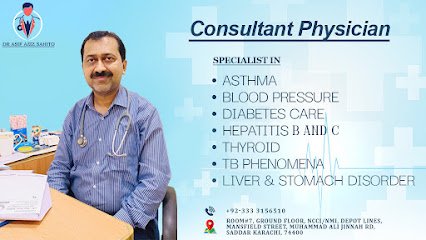
Dr. Asif Aziz Sahito provides blood pressure assessment and hypertension management in Karachi. His clinical services include monitoring blood pressure, reviewing medical history, planning treatment, and providing lifestyle advice.
A suitable doctor should also help you understand the reasons behind your blood pressure changes. Good hypertension care is not limited to lowering a number on a monitor. It also involves protecting your heart, brain, kidneys, and blood vessels.
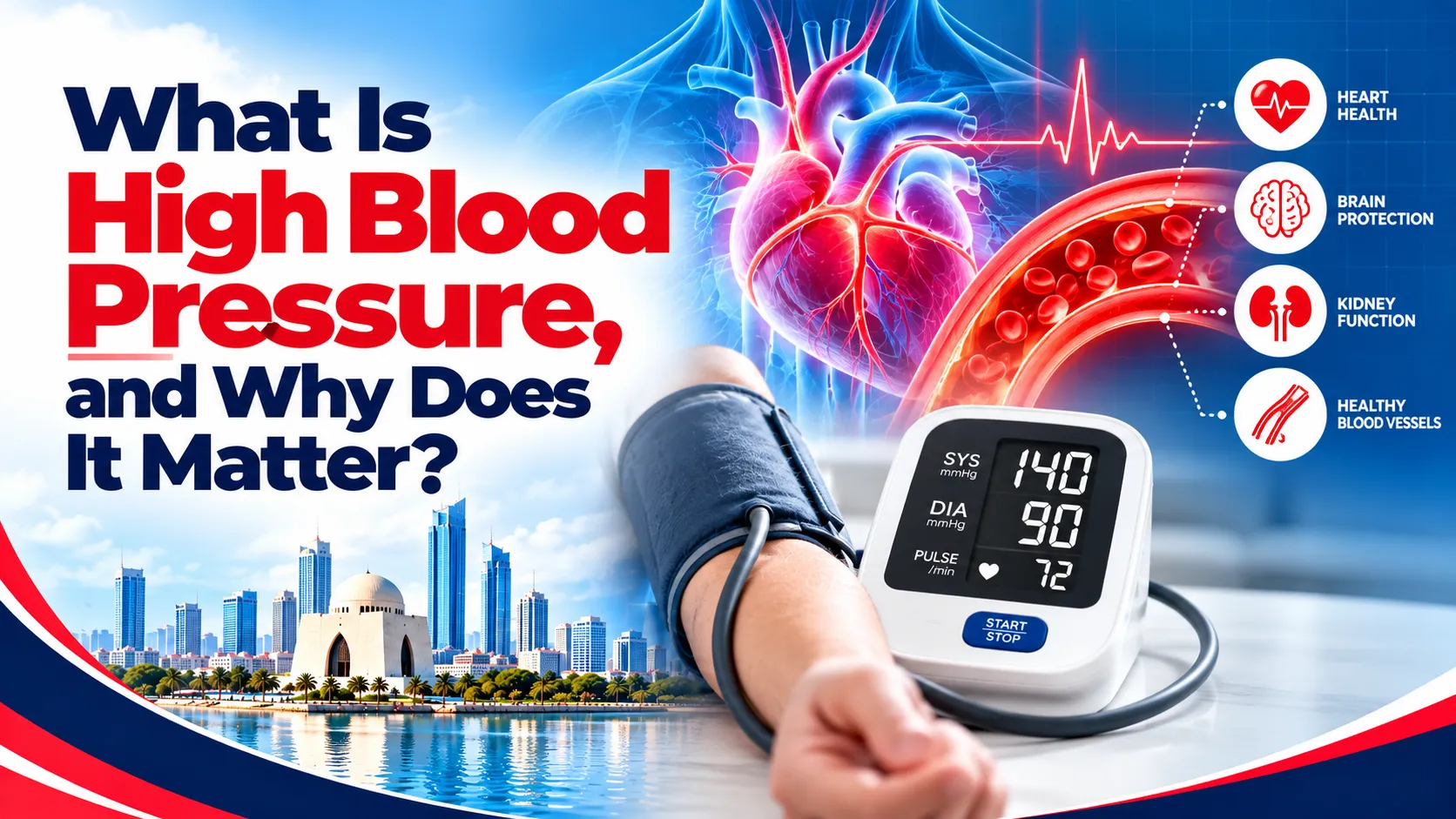
High blood pressure, also called hypertension, occurs when blood pushes against artery walls with greater force than normal. Blood pressure is recorded using two numbers. The first number is called systolic blood pressure. It measures pressure when your heart beats.
The second number is called diastolic blood pressure. It measures pressure when your heart relaxes between beats. For example, a reading of 120/80 mmHg means your systolic pressure is 120, and your diastolic pressure is 80.
According to the World Health Organization (WHO), hypertension is generally diagnosed when blood pressure is 140/90 mmHg or higher on two different days.
However, some international guidelines identify increased cardiovascular risk at lower readings. This is why your doctor may recommend lifestyle changes or closer monitoring before your readings reach 140/90.
The American Heart Association uses the following categories for adults.
Blood Pressure Category | Systolic (Upper) | Diastolic (Lower) |
Normal | Below 120 | Below 80 |
Elevated | 120–129 | Below 80 |
Stage 1 Hypertension | 130–139 | Or 80–89 |
Stage 2 Hypertension | 140 or higher | Or 90 or higher |
Severe Hypertension | Higher than 180 | And/or higher than 120 |
These categories help explain your readings. They do not replace a medical diagnosis. One high reading does not always mean you have hypertension. Your doctor may take repeated measurements or recommend home monitoring to confirm the result.
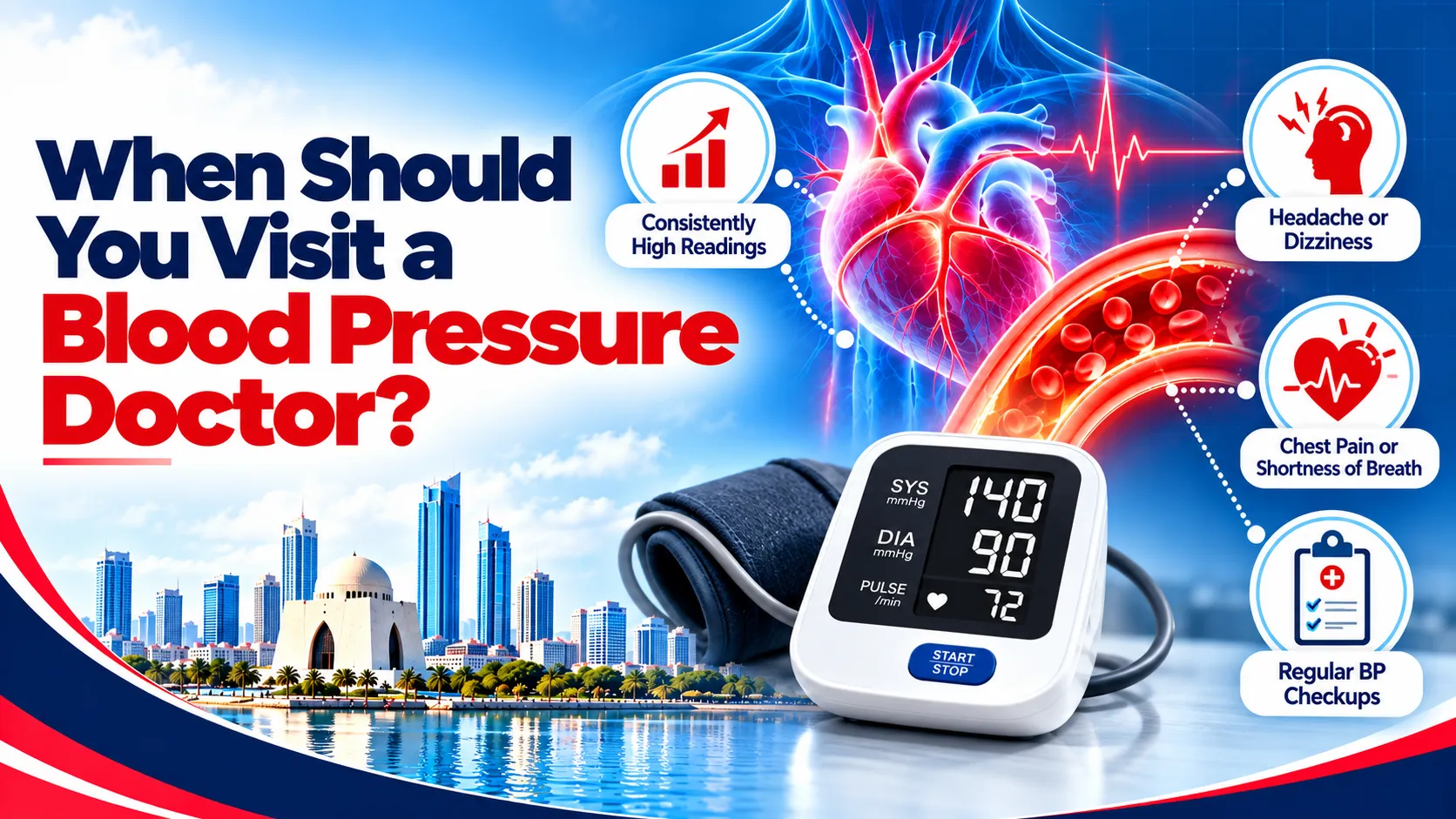
You should visit a blood pressure doctor if your readings remain elevated, you have already been diagnosed with hypertension, or your current treatment does not control your blood pressure.
Many people wait until they experience a headache or dizziness. However, high blood pressure often causes no noticeable symptoms. Regular checks are important, especially if you have a family history of hypertension.
Most people with hypertension have no clear symptoms. Some people report headaches, dizziness, or blurred vision, but these symptoms are not reliable ways to diagnose high blood pressure. Seek medical advice if your blood pressure readings remain high or you notice new health concerns.
Get emergency medical attention if a blood pressure reading above 180/120 mmHg is accompanied by chest pain, difficulty breathing, weakness, sudden vision changes, or trouble speaking. These may indicate a medical emergency. Do not wait for a routine clinic appointment if you have these warning signs.
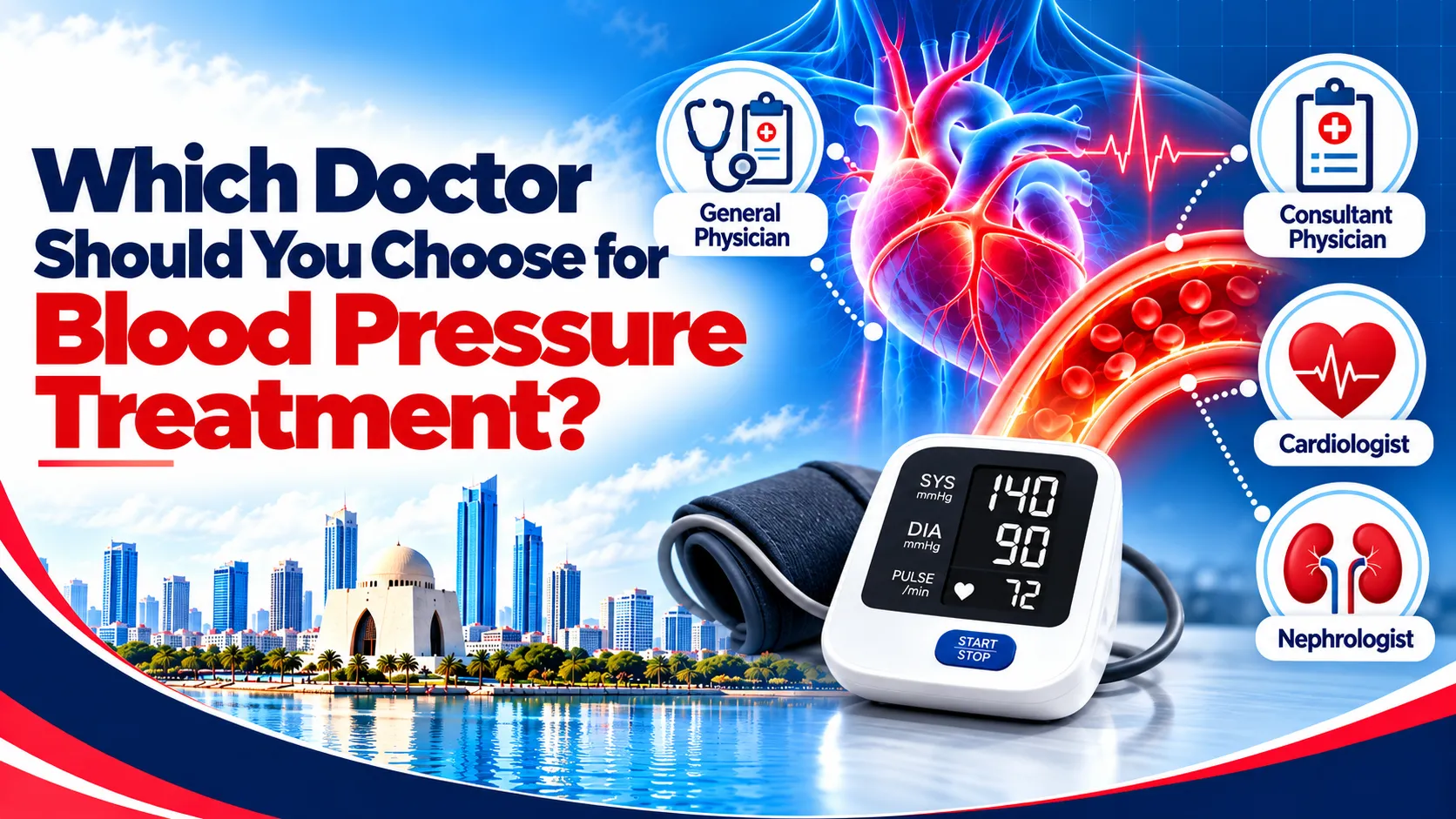
Patients searching for a BP specialist doctor near me often wonder whether to visit a general physician, consultant physician, or cardiologist. The right choice depends on your symptoms, medical history, and the severity of your condition.
A general physician or consultant physician can diagnose and manage many cases of hypertension. These doctors assess blood pressure alongside other health conditions, such as diabetes, obesity, and kidney disease. They can also prescribe medication, monitor treatment results, and arrange specialist referrals when needed.
A cardiologist specializes in heart and cardiovascular diseases. You may need a cardiologist if you have known heart disease, suspected heart failure, certain heart rhythm problems, or other complex cardiovascular symptoms.
A cardiologist may also help when high blood pressure is difficult to control or when your physician identifies a concern that requires further heart assessment.
A nephrologist specializes in kidney diseases. Kidney problems can cause high blood pressure. Long-term hypertension can also damage the kidneys. If blood or urine tests suggest kidney disease, your doctor may recommend a nephrology consultation.
Doctor Type | Main Role | When to Visit |
General Physician | Diagnosis and routine BP treatment | New or uncomplicated hypertension |
Consultant Physician | Management of BP and related medical conditions | Hypertension with diabetes or other health problems |
Cardiologist | Heart and cardiovascular care | Heart disease or suspected cardiac complications |
Nephrologist | Kidney health and related BP conditions | Kidney disease or suspected kidney-related hypertension |
For many patients, starting with a qualified consultant physician is appropriate. Further specialist care can be arranged when necessary.
Choosing a doctor involves more than finding a nearby clinic. You need someone who can evaluate your condition and support long-term management.
Dr. Asif Aziz Sahito is a Karachi-based consultant physician whose official website reports more than 17 years of medical experience. His clinical services include the diagnosis and management of high blood pressure, diabetes, and general medical conditions.
Hypertension often occurs alongside other conditions. For example, a person with high blood pressure and diabetes may need regular kidney function tests and careful medication selection. A consultant physician can assess these related health concerns as part of a broader treatment plan.
Blood pressure treatment is not the same for every patient. Your age, existing illnesses, current medication, kidney function, and cardiovascular risk can influence treatment decisions.
Dr. Asif Aziz Sahito’s published hypertension services include individualized medication planning, blood pressure monitoring, and lifestyle guidance.
Hypertension usually requires ongoing attention. Blood pressure can change with age, weight, medication use, and other health conditions.
Regular follow-up helps your physician assess whether treatment is working and whether adjustments are needed. Patients can learn more about Dr. Asif Aziz Sahito’s professional background through his official About Us page.
A blood pressure specialist doctor begins with a medical history and accurate blood pressure measurement. Your physician may ask about your symptoms, family history, diet, medication, and daily routine. Your doctor may also review previous readings to understand whether your blood pressure has remained high over time.
A properly fitted cuff is important for accurate results. Your doctor may take more than one reading during the appointment. If the results are uncertain, further monitoring may be recommended.
Home monitoring helps doctors understand blood pressure outside the clinic. Some patients have higher readings at a clinic because they feel nervous. This is known as white-coat hypertension.
Others may have normal readings at the clinic but elevated blood pressure at home. This is known as masked hypertension. Home monitoring can help identify these patterns.
Depending on your condition, your doctor may recommend:
Not every patient needs every test. Your physician will decide which investigations are appropriate.
High blood pressure can develop because of several factors. In most adults, there is no single identifiable cause. This is called primary hypertension. Some people develop secondary hypertension because of another medical condition or a medication.
Common risk factors include age, family history, excess body weight, high sodium intake, limited physical activity, and tobacco use. Certain kidney disorders, hormonal conditions, and sleep apnea can also contribute to hypertension.
Stress can raise blood pressure for a short period. When you feel anxious, your body releases hormones that temporarily increase your heart rate and blood pressure. Long-term stress can also affect sleep, diet, and physical activity.
However, stress should not be assumed to be the only cause of repeated high blood pressure readings. If your blood pressure remains elevated, a medical assessment is important.
Yes. Diet has a major role in blood pressure management. Eating too much sodium can increase blood pressure in many people. In Karachi, everyday foods such as salty snacks, pickles, processed foods, and some restaurant meals can add significant sodium to the diet.
A heart-healthy eating pattern includes vegetables, fruits, whole grains, and foods lower in sodium and saturated fat.
High blood pressure treatment depends on your readings, overall health, and risk of cardiovascular disease. For some patients, lifestyle changes may be the first step. Others need medication alongside healthier daily habits. Your doctor will recommend a suitable approach after evaluating your condition.
Healthy habits can improve blood pressure control and support cardiovascular health. Helpful changes include maintaining a suitable weight, staying physically active, reducing sodium intake, avoiding tobacco, and getting adequate sleep. Lifestyle changes remain important even when medication is prescribed.
Several types of medicines can lower blood pressure. Common medication classes include ACE inhibitors, angiotensin receptor blockers (ARBs), calcium channel blockers, and thiazide or thiazide-like diuretics.
Each works differently. Your physician will choose medication based on your health needs, possible side effects, and other medicines you take.
Some patients need more than one medication to reach their blood pressure target. Never start, stop, or change the dose of prescription blood pressure medicine without medical advice.
Follow-up visits allow your physician to review readings, discuss side effects, and make treatment adjustments.
Your doctor may recommend more frequent visits when medication is first started or changed. Once your blood pressure becomes stable, the follow-up schedule may change. The goal is steady blood pressure control rather than a temporary reduction in readings.
Home blood pressure monitoring is a useful part of hypertension management. It helps you track trends and gives your doctor more information about your condition. The American Heart Association recommends using a validated automatic upper-arm blood pressure monitor. For more accurate readings, follow these steps:
Try to use a consistent routine. Record the date, time, and blood pressure reading. Share these results during your medical appointments. Do not change prescribed medicine based on one home reading unless your doctor has given you a specific plan.
Some people can improve blood pressure through lifestyle changes alone, especially when their readings are mildly elevated and their overall cardiovascular risk is low. However, lifestyle changes are not enough for everyone.
Patients with persistent hypertension or certain risk factors may need medication to reduce the chance of complications. The decision depends on blood pressure levels, age, medical history, and overall risk.
Reducing excess salt, walking regularly, maintaining a healthy weight, and avoiding tobacco are useful steps. A balanced diet also supports blood pressure control.
Adults are generally encouraged to achieve at least 150 minutes of moderate-intensity physical activity each week, when medically appropriate. If you have a heart condition or other medical concern, ask your doctor what level of activity is suitable.
Uncontrolled hypertension can gradually damage blood vessels and organs. The effects may develop over many years without noticeable symptoms.
High blood pressure makes the heart work harder. Over time, this can contribute to coronary artery disease and heart failure.
Hypertension is an important risk factor for stroke. It can damage blood vessels that supply the brain and increase the risk of blocked or bleeding blood vessels.
The kidneys contain small blood vessels that help filter waste from the body. Long-term high blood pressure can damage these vessels and reduce kidney function.
Hypertension can damage blood vessels in the eyes. Severe or prolonged blood pressure elevation may affect vision. These risks explain why consistent treatment and regular follow-up matter, even when you feel well.
If you search online for a blood pressure specialist doctor in Karachi, you may find general physicians, consultant physicians, cardiologists, and hospitals. Before selecting a doctor, check their qualifications, medical registration, clinical services, and practice location.
It is also useful to confirm whether they provide follow-up care for chronic conditions. A clinic that is convenient to reach can make regular appointments easier. Patients with hypertension may need ongoing visits, so continuity of care is valuable.
Dr. Asif Aziz Sahito provides consultations at NCCI/NMI in Saddar, Karachi.
Clinic Address:
Room #7, Ground Floor, NCCI/NMI, Depot Lines, Mansfield Street, Muhammad Ali Jinnah Road, Saddar, Karachi, 74400.
Phone: 0333 3156510
Email: contact@drasifazizsahito.com
Website: https://drasifazizsahito.com/
Contact the clinic to confirm current appointment times and availability. Patients with emergency symptoms should seek immediate hospital care instead of waiting for an outpatient consultation.