Subtotal $0.00


Medova is a convenience services to the adaptability, Spacious modern villa living room with centrally placed swimming pool blending indooroutdoor
Medova is a convenience services to the adaptability, Spacious modern villa living room with centrally placed swimming pool blending indooroutdoor
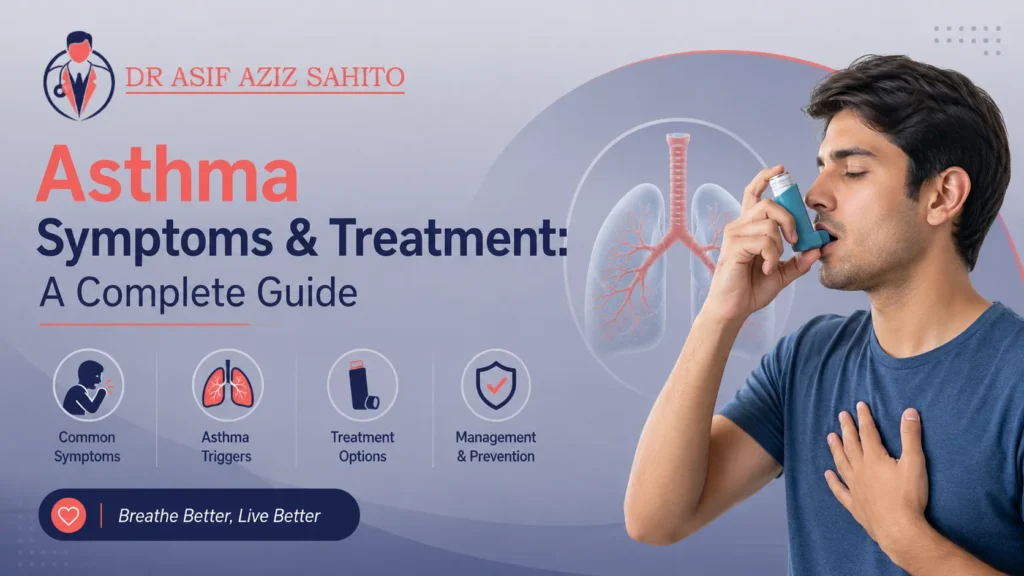
Asthma is a chronic inflammatory disease of the airways. The airways can become inflamed, swollen, narrowed, and more sensitive to certain triggers. This can make it harder for air to move normally through the lungs.
According to the Global Initiative for Asthma (GINA), asthma is characterized by respiratory symptoms such as wheezing, shortness of breath, chest tightness, and cough that vary over time and in intensity, together with variable expiratory airflow.
During an asthma flare-up, several changes may happen in the airways:
Together, these changes can cause the familiar breathing difficulties associated with asthma. Asthma is therefore more than simply having “weak lungs.” It involves inflammation and increased sensitivity of the airways.
The word asthma is commonly pronounced “AZ-muh” in English. The “th” is not pronounced in the usual English pronunciation. The word comes from Greek and has been used in medical terminology for centuries. For someone searching for asthma pronunciation, remembering “AZ-muh” is generally enough.
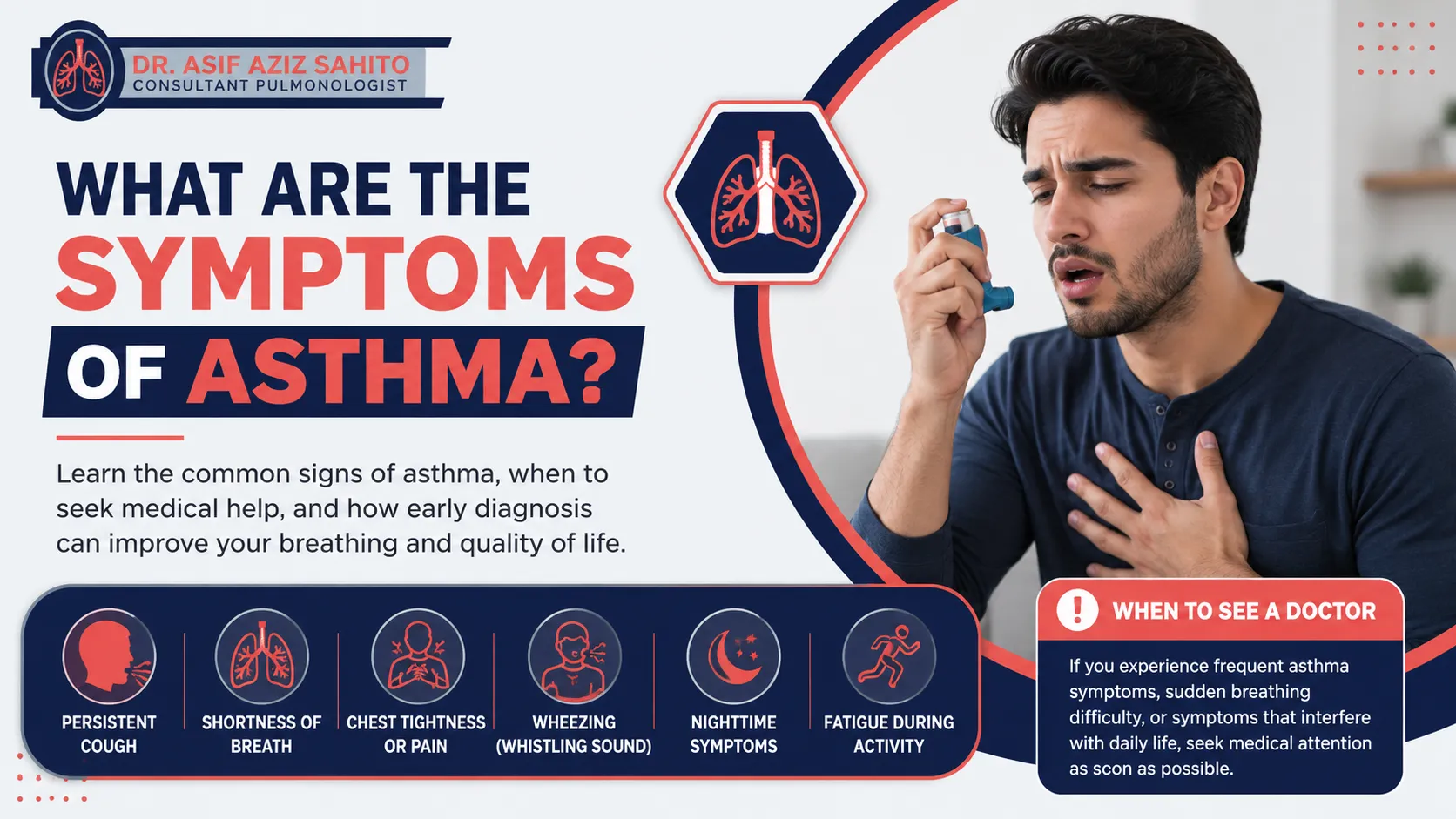
The symptoms of asthma can differ from person to person. Some people have occasional mild symptoms, while others experience frequent symptoms or more serious asthma attacks. The most common asthma symptoms include:
Symptoms may be worse at night, early in the morning, during exercise, or after exposure to a particular trigger. GINA notes that the variation of symptoms over time is an important feature when assessing possible asthma.
People commonly search for “symptoms of asthma disease” when trying to determine whether their breathing problems could be related to asthma. Typical symptoms include:
Wheezing: A high-pitched or whistling sound while breathing, often more noticeable when breathing out.
Coughing: Asthma can cause a persistent or recurring cough. In some people, coughing may be the main or only symptom.
Shortness of breath: You may feel that you cannot get enough air or become unusually breathless during activity.
Chest tightness: Some people describe this as pressure, heaviness, squeezing, or a feeling that their chest is being restricted.
Importantly, these symptoms do not automatically confirm asthma. Diagnosis generally requires both a compatible pattern of respiratory symptoms and evidence of variable airflow limitation through appropriate testing.
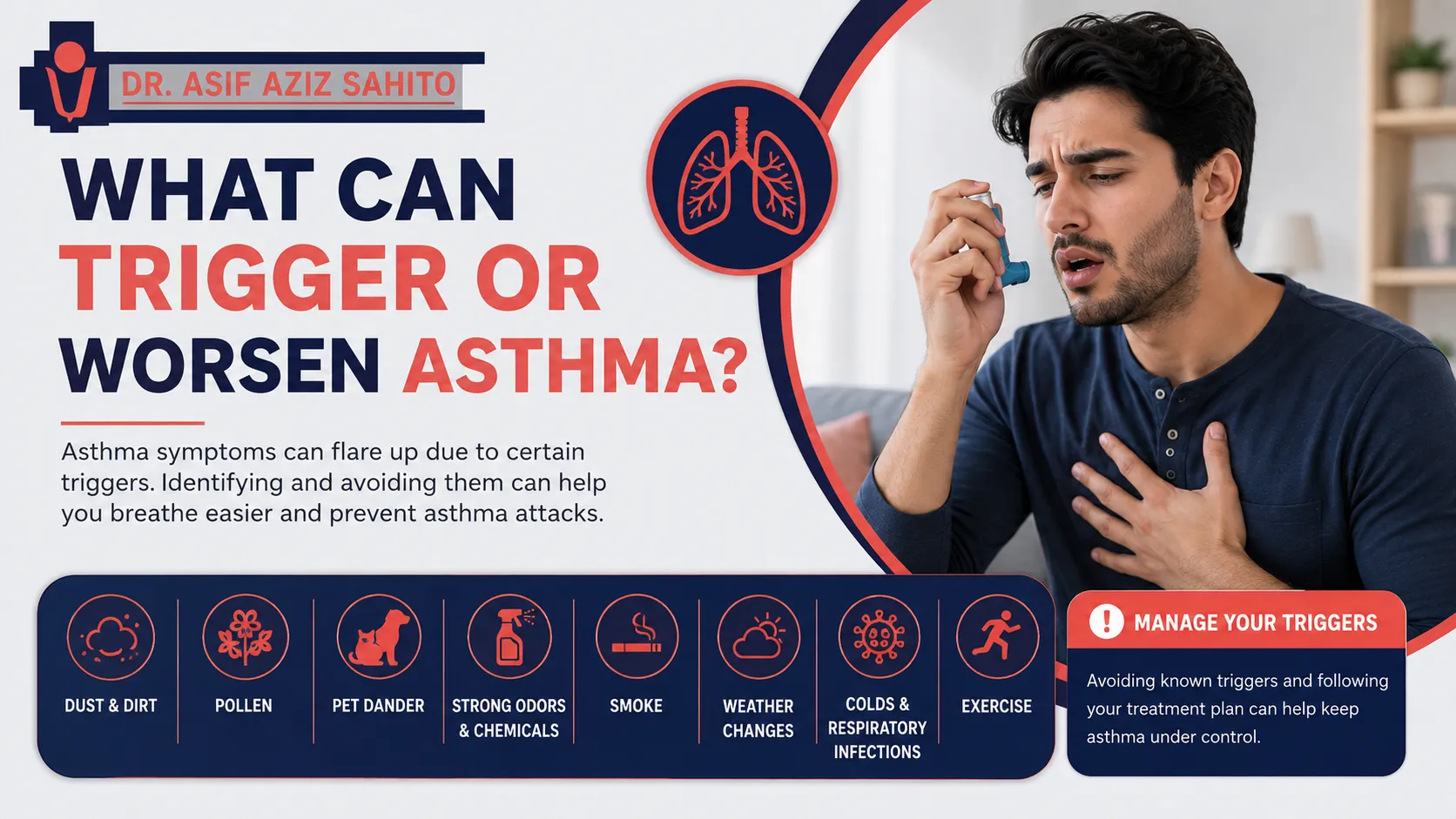
Asthma triggers vary considerably. A person may react strongly to one trigger but have little or no reaction to another.
Common triggers and aggravating factors include:
GINA identifies viral infections, allergens, tobacco smoke, exercise, stress, and certain medicines among factors that can trigger or worsen asthma symptoms.
Air quality can matter for people with sensitive airways. Traffic emissions, smoke, dust, industrial pollution, and other airborne irritants may aggravate respiratory symptoms.
However, avoiding outdoor air completely is not a practical solution for most people. A better approach is to understand individual triggers, follow the treatment plan prescribed by a healthcare professional, avoid tobacco smoke, and pay attention to local air-quality conditions when symptoms are sensitive to pollution.
Indoor air quality also matters. Regular cleaning, reducing exposure to household dust where practical, and controlling known allergens can be useful parts of asthma management.
Asthma should not be diagnosed solely from symptoms. A healthcare professional usually considers:
Spirometry is commonly used to assess lung function. Bronchodilator responsiveness testing compares breathing measurements before and after a bronchodilator. Peak expiratory flow may also be used when spirometry is unavailable. In selected situations, additional tests such as bronchial challenge testing, FeNO, or blood eosinophils may help support the clinical assessment.
Several conditions can cause coughing, wheezing, or breathlessness. These may include respiratory infections, chronic obstructive pulmonary disease (COPD), allergies, heart conditions, vocal cord disorders, and other respiratory problems.
Correct diagnosis helps ensure that treatment is appropriate. If asthma is suspected but lung function testing is initially normal, that does not necessarily exclude the condition. Symptoms can vary, and a clinician may recommend repeat or additional testing depending on the circumstances.
There is no single asthma treatment that is suitable for everyone. Treatment depends on factors such as age, symptom frequency, severity, risk of flare-ups, lung function, other health conditions, inhaler availability, cost, and how well the patient can use the device. The main goals of asthma treatment are to:
Current GINA guidance emphasizes inhaled corticosteroid-containing medicines because they treat airway inflammation and reduce the risk of asthma exacerbations.
Asthma medicines are often discussed as controller and reliever treatments, although modern treatment approaches can combine these roles in certain regimens. Controller treatment is used to reduce airway inflammation and lower the risk of future problems. Reliever treatment is intended to provide rapid relief when asthma symptoms occur.
The exact medication and regimen should be selected by a qualified healthcare professional. Patients should not start, stop, or change prescription asthma medication based solely on information found online.
Asthma inhalers are devices that deliver medication directly into the airways. Different inhalers contain different medicines and are used for different purposes. Some contain inhaled corticosteroids (ICS), some contain bronchodilators, and some contain combinations of medicines.
A key point is that not every inhaler is simply a “rescue inhaler,” and not every inhaler is used in the same way. GINA’s current guidance favors anti-inflammatory reliever approaches for many patients where appropriate, with ICS-containing treatment playing an important role in reducing the risk of serious exacerbations.
Even the right medicine may not work as intended if the inhaler is used incorrectly. GINA reports that incorrect inhaler technique is common and recommends checking technique regularly. Patients can be asked to demonstrate how they use their inhaler so a healthcare professional can identify and correct mistakes.
For some pressurized metered-dose inhalers, a spacer can improve medication delivery and may reduce some local side effects associated with inhaled corticosteroids.
Inhaler/treatment category | Main purpose | Important point |
Inhaled corticosteroid (ICS) | Controls airway inflammation and reduces future risk | Used as prescribed; not simply a quick-relief medicine |
ICS-formoterol combinations | Can provide anti-inflammatory and bronchodilator effects in specific treatment plans | Appropriate use depends on the prescribed regimen |
Short-acting bronchodilator (SABA) | Rapidly relaxes tightened airway muscles | Frequent reliance can indicate poor control |
Combination inhalers | Deliver more than one medicine | Device and regimen must match the patient’s treatment plan |
The precise inhaler choice should be individualized rather than based on brand name alone. Availability, cost, age, ability to use the device, medication type, and treatment plan all matter.
Good asthma management is not just about taking an inhaler when breathing becomes difficult. Long-term control involves understanding triggers, following the prescribed treatment plan, monitoring symptoms, and knowing what to do if symptoms worsen. A practical asthma-management approach includes:
GINA recommends asthma self-management education, an individualized written or electronic asthma action plan, inhaler-technique training, and regular review of treatment.
Exercise can trigger symptoms in some people, but having asthma does not mean that physical activity should automatically be avoided.
When asthma is well controlled, many people can remain physically active. Some individuals experience exercise-induced bronchoconstriction, in which airway narrowing occurs during or after exercise.
If exercise repeatedly causes coughing, wheezing, chest tightness, or unusual breathlessness, discuss the symptoms with a healthcare professional. The goal is generally to improve asthma control rather than unnecessarily restrict activity.
An asthma attack, also called an asthma exacerbation or flare-up, occurs when asthma symptoms become significantly worse because airway narrowing and inflammation increase. A person may experience:
Asthma attacks can sometimes become serious and require urgent medical care.
Severe breathing difficulty should never be ignored. Seek urgent medical attention if breathing becomes severely difficult, symptoms rapidly worsen, you cannot speak normally because of breathlessness, you become unusually drowsy or confused, or your prescribed emergency treatment is not providing the expected relief.
For a severe asthma attack, do not rely on online advice as a substitute for emergency medical assessment.
There is currently no simple universal cure that permanently eliminates asthma for everyone. However, asthma can often be controlled very effectively. Many people with well-controlled asthma can work, exercise, sleep normally, and participate in everyday activities.
The objective is not merely to tolerate symptoms. Good asthma management aims for minimal symptoms and a reduced risk of future exacerbations.
Some children may experience long periods without symptoms as they grow, while others continue to have asthma into adulthood. A healthcare professional can assess the individual’s situation rather than assuming that symptoms disappearing means the condition has permanently resolved.
Asthma can affect people at different stages of life. In children, symptoms may sometimes be difficult to distinguish from viral respiratory illnesses. In adults, new breathing symptoms can have many possible causes, so proper assessment remains important.
Children may also require age-appropriate inhaler devices and techniques. For younger children, inhaler selection and the use of a spacer may be particularly important. GINA notes that some inhaler devices are unsuitable for younger children and that device choice should consider age and the patient’s ability to use it correctly.
If you frequently experience wheezing, persistent coughing, chest tightness, shortness of breath, or breathing problems triggered by dust, smoke, exercise, or other exposures, it is important to seek medical evaluation.
If your symptoms are becoming more frequent, disturbing your sleep, affecting daily activities, or requiring your reliever inhaler more often, consult a doctor promptly.
For patients in Karachi, Dr. Asif Aziz Sahito can evaluate respiratory symptoms, identify possible triggers, and recommend appropriate treatment or further testing when needed.