Subtotal $0.00


Medova is a convenience services to the adaptability, Spacious modern villa living room with centrally placed swimming pool blending indooroutdoor
Medova is a convenience services to the adaptability, Spacious modern villa living room with centrally placed swimming pool blending indooroutdoor
Blood pressure plays a vital role in overall cardiovascular health. When doctors measure blood pressure, they record two numbers. The top number is systolic pressure, which reflects the pressure in the arteries when the heart beats. The bottom number is diastolic pressure, which measures the pressure in the arteries when the heart relaxes between beats.
Many people focus on high systolic blood pressure, but elevated diastolic pressure can also be a serious health concern. Understanding the reasons for high diastolic blood pressure is important because long-term elevation can increase the risk of heart disease, stroke, kidney damage, and other complications.
In Karachi, Pakistan, factors such as stress, sedentary lifestyles, unhealthy eating habits, obesity, and underlying medical conditions contribute to rising rates of hypertension. Learning about the causes, symptoms, dangers, and treatment options can help individuals take early action and protect their long-term health.
Diastolic blood pressure refers to the pressure exerted on artery walls when the heart is resting between beats. A healthy cardiovascular system maintains this pressure within a normal range.
When diastolic pressure remains elevated over time, blood vessels experience continuous strain. This increased pressure can gradually damage arteries and vital organs throughout the body.
Blood Pressure Category | Systolic Pressure | Diastolic Pressure |
Normal | Less than 120 | Less than 80 |
Elevated | 120–129 | Less than 80 |
Stage 1 Hypertension | 130–139 | 80–89 |
Stage 2 Hypertension | 140 or higher | 90 or higher |
Hypertensive Crisis | Above 180 | Above 120 |
A consistently elevated diastolic reading above 80 mmHg should not be ignored and may require medical evaluation.
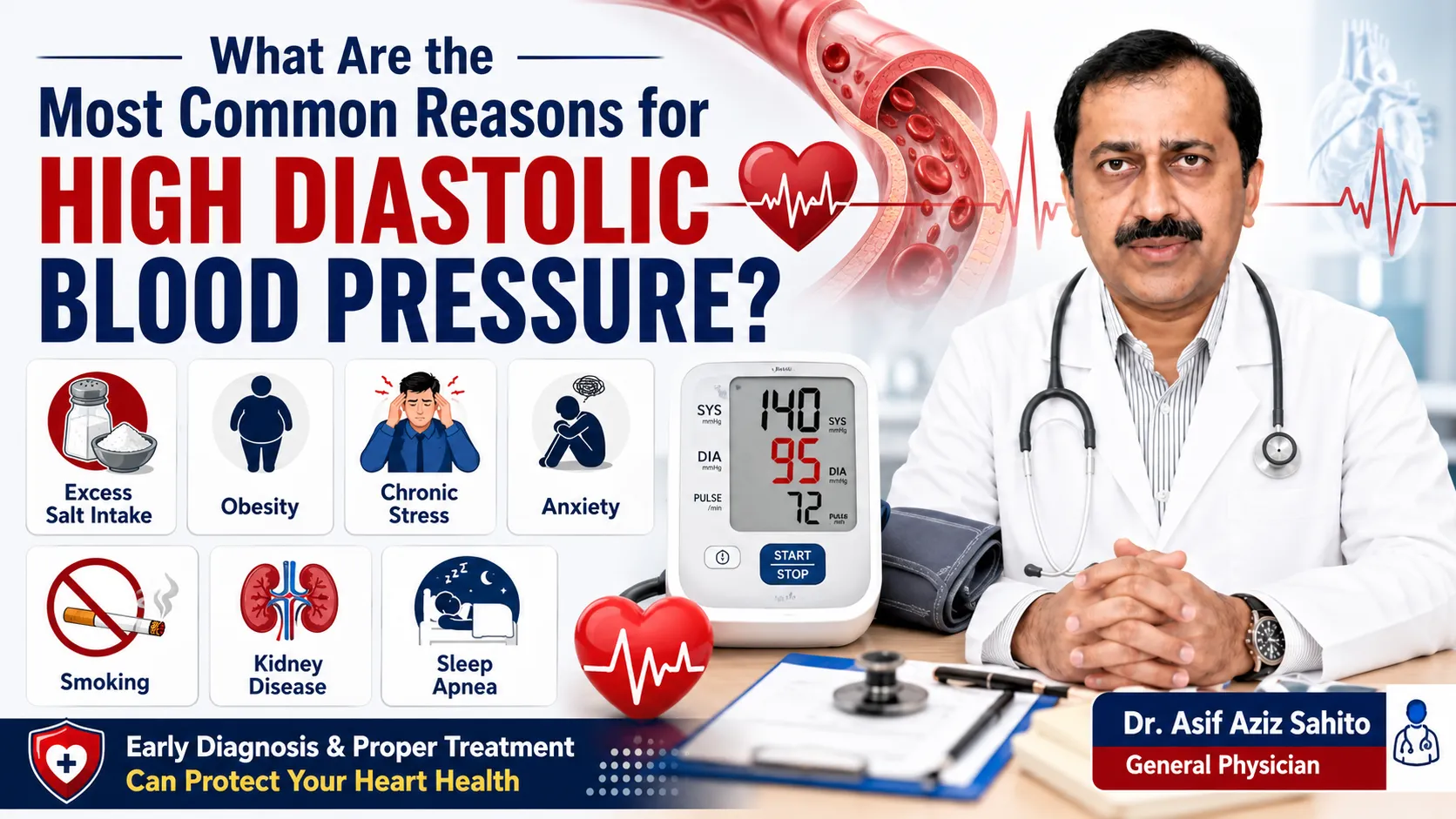
Several lifestyle and medical factors can contribute to elevated diastolic blood pressure. Understanding these causes can help identify opportunities for prevention and treatment.
One of the most common causes of high diastolic blood pressure is excessive sodium intake. Salt causes the body to retain water, increasing blood volume and placing additional pressure on artery walls.
Many processed foods, restaurant meals, packaged snacks, and fast foods contain surprisingly high amounts of sodium, making it easy to exceed recommended daily limits.
Carrying extra weight forces the heart to work harder to circulate blood throughout the body. Obesity is strongly associated with hypertension because it contributes to inflammation, insulin resistance, and hormonal changes that affect blood pressure regulation. Even moderate weight loss can significantly improve blood pressure readings.
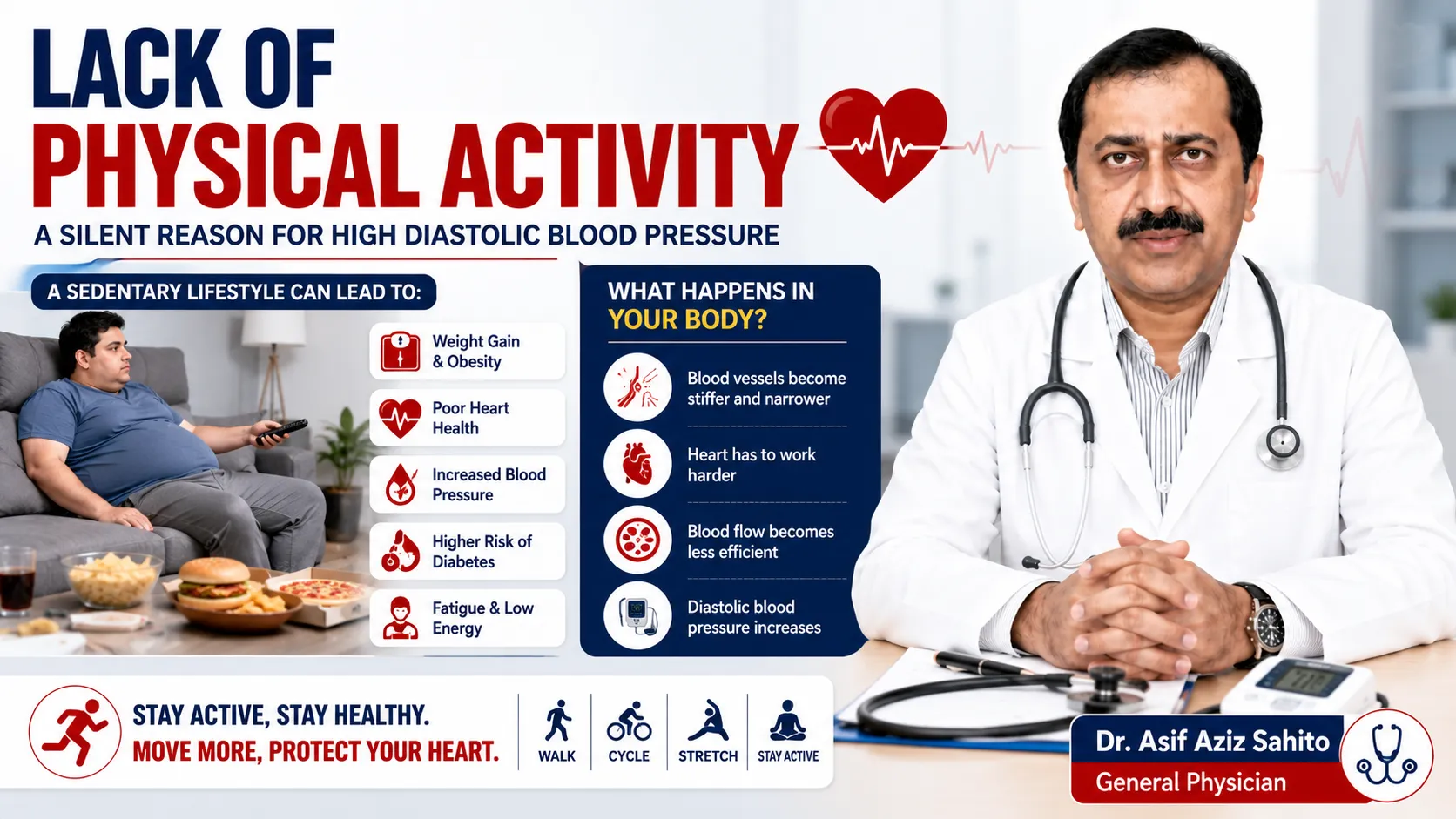
Regular exercise helps maintain healthy blood vessels and supports efficient heart function. Individuals who lead sedentary lifestyles often experience higher blood pressure because their cardiovascular systems become less efficient over time.
Physical inactivity also increases the likelihood of obesity and metabolic disorders that contribute to hypertension.
Yes, stress can cause high diastolic blood pressure. During stressful situations, the body releases hormones such as adrenaline and cortisol. These hormones increase heart rate and narrow blood vessels, temporarily raising blood pressure.
While occasional stress-related increases are normal, chronic stress may contribute to persistently elevated blood pressure and cardiovascular disease.
Many people ask whether anxiety can cause high diastolic blood pressure. Anxiety can trigger temporary spikes in blood pressure due to increased nervous system activity. Individuals who experience frequent anxiety attacks may notice recurring elevations in blood pressure readings.
Although anxiety may not always be the sole cause of hypertension, it can worsen existing cardiovascular issues and make blood pressure more difficult to control.
Nicotine narrows blood vessels and increases heart rate. Every cigarette places additional strain on the cardiovascular system. Long-term tobacco use damages blood vessels and significantly increases the risk of hypertension, heart disease, and stroke.
Heavy alcohol intake can increase blood pressure by affecting the nervous system and interfering with normal cardiovascular regulation. Reducing alcohol consumption often leads to measurable improvements in blood pressure control.
The kidneys play a crucial role in regulating blood pressure. When kidney function declines, the body’s ability to manage fluid balance and sodium levels becomes impaired. This can result in elevated blood pressure and further kidney damage.
Certain hormonal conditions may contribute to hypertension. Disorders involving the thyroid gland, adrenal glands, or hormone-producing tumors can disrupt normal blood pressure regulation and lead to elevated diastolic readings.
Sleep apnea causes repeated interruptions in breathing during sleep. These episodes reduce oxygen levels and place significant stress on the cardiovascular system. Many individuals with untreated sleep apnea develop persistent hypertension over time.
One of the most concerning aspects of hypertension is that it often develops silently. Many individuals have elevated blood pressure for years without noticing obvious symptoms.
However, some people may experience symptoms of high diastolic blood pressure, particularly when readings become significantly elevated.
Common symptoms may include:
It is important to remember that the absence of symptoms does not mean blood pressure is normal. Regular monitoring remains essential.
Sudden high diastolic blood pressure can be a serious medical concern. A rapid increase in blood pressure may occur due to severe stress, acute illness, medication reactions, hormonal disturbances, kidney problems, or cardiovascular emergencies.
If a sudden increase is accompanied by symptoms such as severe headache, chest pain, confusion, difficulty breathing, weakness, or vision changes, immediate medical evaluation is necessary. Prompt treatment can help prevent potentially life-threatening complications.
High blood pressure gradually damages blood vessels and vital organs throughout the body. The effects often develop slowly but can have serious long-term consequences.
Persistent hypertension forces the heart to work harder than normal. Over time, this can lead to thickening of the heart muscle, reduced pumping efficiency, heart failure, and coronary artery disease.
Damaged arteries become more susceptible to blockages and ruptures. This significantly increases the likelihood of both ischemic and hemorrhagic strokes.
The kidneys contain delicate networks of blood vessels that are highly sensitive to elevated blood pressure. Chronic hypertension is one of the leading causes of kidney disease worldwide.
High blood pressure can damage the blood vessels that supply the eyes. This may result in blurred vision, retinal damage, and, in severe cases, vision loss.
Research suggests that long-term uncontrolled hypertension may contribute to cognitive decline and increase the risk of certain forms of dementia later in life.
Diagnosis typically begins with repeated blood pressure measurements taken over multiple visits. A single elevated reading does not always indicate chronic hypertension.
Healthcare providers may also recommend blood tests, kidney function assessments, cholesterol testing, electrocardiograms, and other diagnostic evaluations to identify underlying causes and assess potential complications.
Home blood pressure monitoring may also be recommended to provide a more accurate picture of long-term blood pressure patterns.
Lifestyle modifications are often the first line of treatment. However, some individuals require medication to achieve healthy blood pressure levels.
Medication Category | Primary Purpose |
ACE Inhibitors | Relax blood vessels |
ARBs | Improve blood flow and reduce pressure |
Beta Blockers | Reduce heart workload |
Calcium Channel Blockers | Relax the arterial walls |
Diuretics | Remove excess fluid from the body |
The choice of medication depends on age, medical history, kidney function, cardiovascular risk factors, and overall health status. A qualified healthcare professional should always guide treatment.
Many people can improve their blood pressure levels through lifestyle modifications. Healthy daily habits often work alongside medical treatment to produce better long-term outcomes.
Lifestyle changes that may help include:
Consistency is important. Small improvements maintained over time often produce significant health benefits.
Individuals in Karachi should seek medical advice if they consistently record elevated blood pressure readings or experience symptoms associated with hypertension.
People with diabetes, kidney disease, obesity, family histories of cardiovascular disease, or previous heart conditions should undergo regular blood pressure monitoring even if they feel healthy.
Early diagnosis allows healthcare providers to identify underlying causes and prevent long-term complications before significant damage occurs.
A high diastolic blood pressure generally refers to a reading of 80 mmHg or higher, depending on the overall blood pressure measurement and individual health status.
Yes. Stress can temporarily raise blood pressure by increasing heart rate and constricting blood vessels through the release of stress hormones.
Yes. Anxiety can trigger temporary blood pressure spikes and may contribute to ongoing cardiovascular strain when symptoms are frequent or severe.
Yes. Uncontrolled high diastolic blood pressure increases the risk of heart disease, stroke, kidney damage, and other serious health problems.
In many cases, blood pressure can be improved through lifestyle changes, treatment of underlying conditions, and appropriate medical management.
Knowing the reasons for high diastolic blood pressure is essential for protecting your heart and overall health. Factors such as excess salt intake, obesity, inactivity, stress, anxiety, smoking, kidney disease, hormonal disorders, and sleep apnea can contribute to elevated diastolic readings.
While some people experience symptoms, many remain unaware until complications develop. The dangers of high diastolic blood pressure include heart disease, stroke, kidney damage, and vision problems. Early diagnosis, healthy lifestyle changes, and proper treatment can help reduce these risks.
If you are experiencing persistent high blood pressure or related symptoms, Dr. Asif Aziz Sahito is one of the trusted doctors in Karachi for the diagnosis and management of hypertension health conditions.