Subtotal $0.00


Medova is a convenience services to the adaptability, Spacious modern villa living room with centrally placed swimming pool blending indooroutdoor
Medova is a convenience services to the adaptability, Spacious modern villa living room with centrally placed swimming pool blending indooroutdoor
Do you often experience headaches, dizziness, fatigue, blurred vision, or unexplained stress?
Many people ignore these symptoms because they believe they are caused by a busy lifestyle or temporary tiredness.
Unfortunately, these signs may indicate high blood pressure, a condition that affects millions of people and often develops without obvious warning signals.
High blood pressure is often referred to as a silent threat because it can cause damage to the heart, brain, kidneys, and blood vessels without producing noticeable symptoms.
Many patients discover the problem only after facing serious complications such as heart disease, stroke, or kidney damage.
This is where a hypertension specialist becomes essential. An experienced specialist can identify risks, diagnose blood pressure issues accurately, and create a treatment plan that protects your long-term health.
In this article, we will discuss the most common concerns related to high blood pressure and explain why professional care can make a significant difference in your life.
Many people believe that high blood pressure is a minor health concern that can be managed without professional support.
However, uncontrolled blood pressure can lead to severe complications over time.
A specialist focuses on identifying the exact causes of elevated blood pressure and recommends treatment based on your individual health condition.
Professional care offers several benefits:
When patients receive expert care, they often achieve better blood pressure control and lower their risk of serious medical problems.
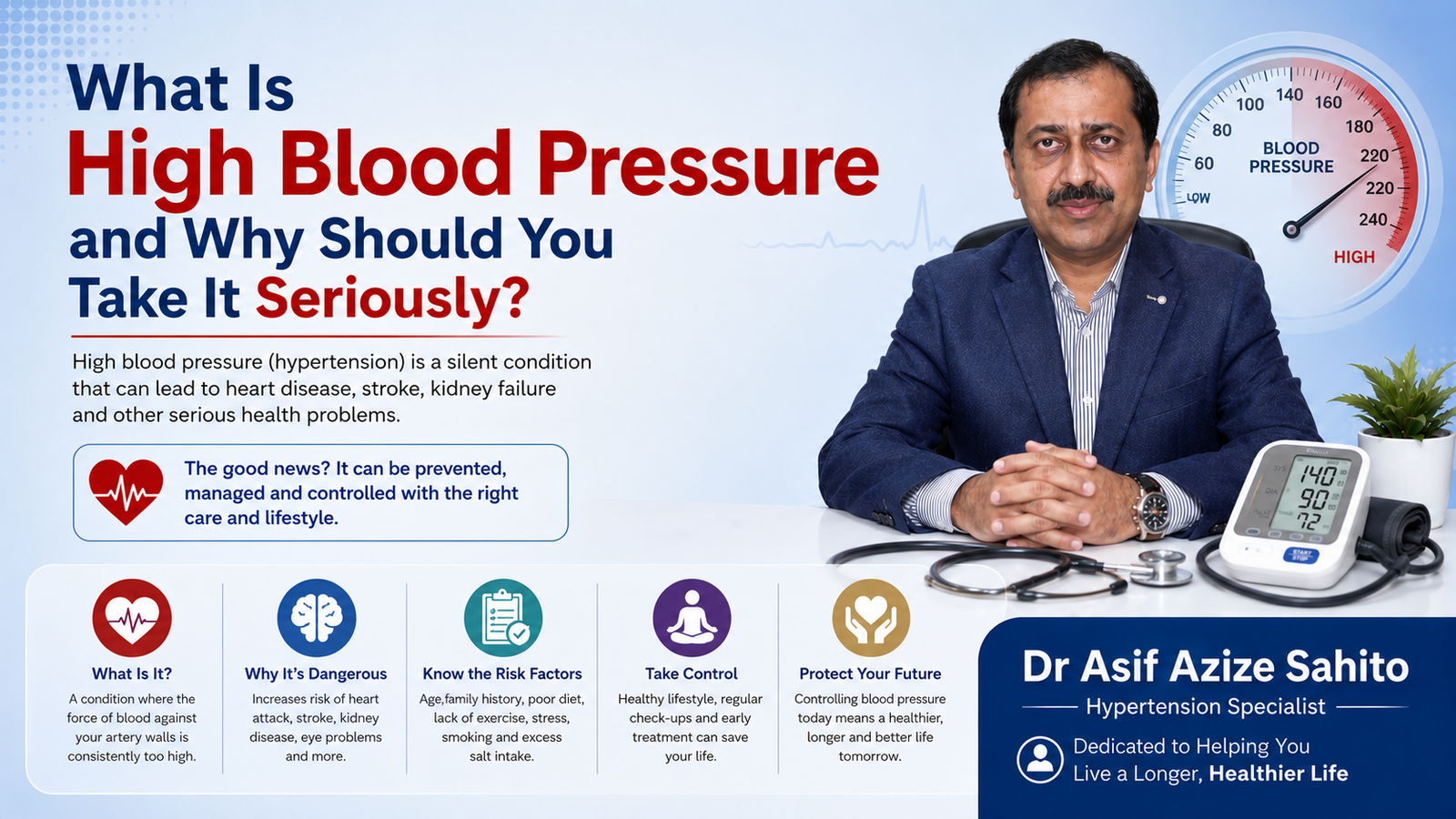
Blood pressure measures the force of blood pushing against artery walls. When this pressure remains consistently high, it can place excessive strain on the cardiovascular system.
Many people live with high blood pressure for years without knowing it. During this time, damage may continue to affect important organs.
Potential complications include:
Early diagnosis and treatment can significantly reduce these risks.
Several factors can contribute to elevated blood pressure levels.
Common causes include:
In many cases, multiple factors work together and gradually increase blood pressure over time.
Identifying the underlying cause helps physicians create a more effective treatment strategy.
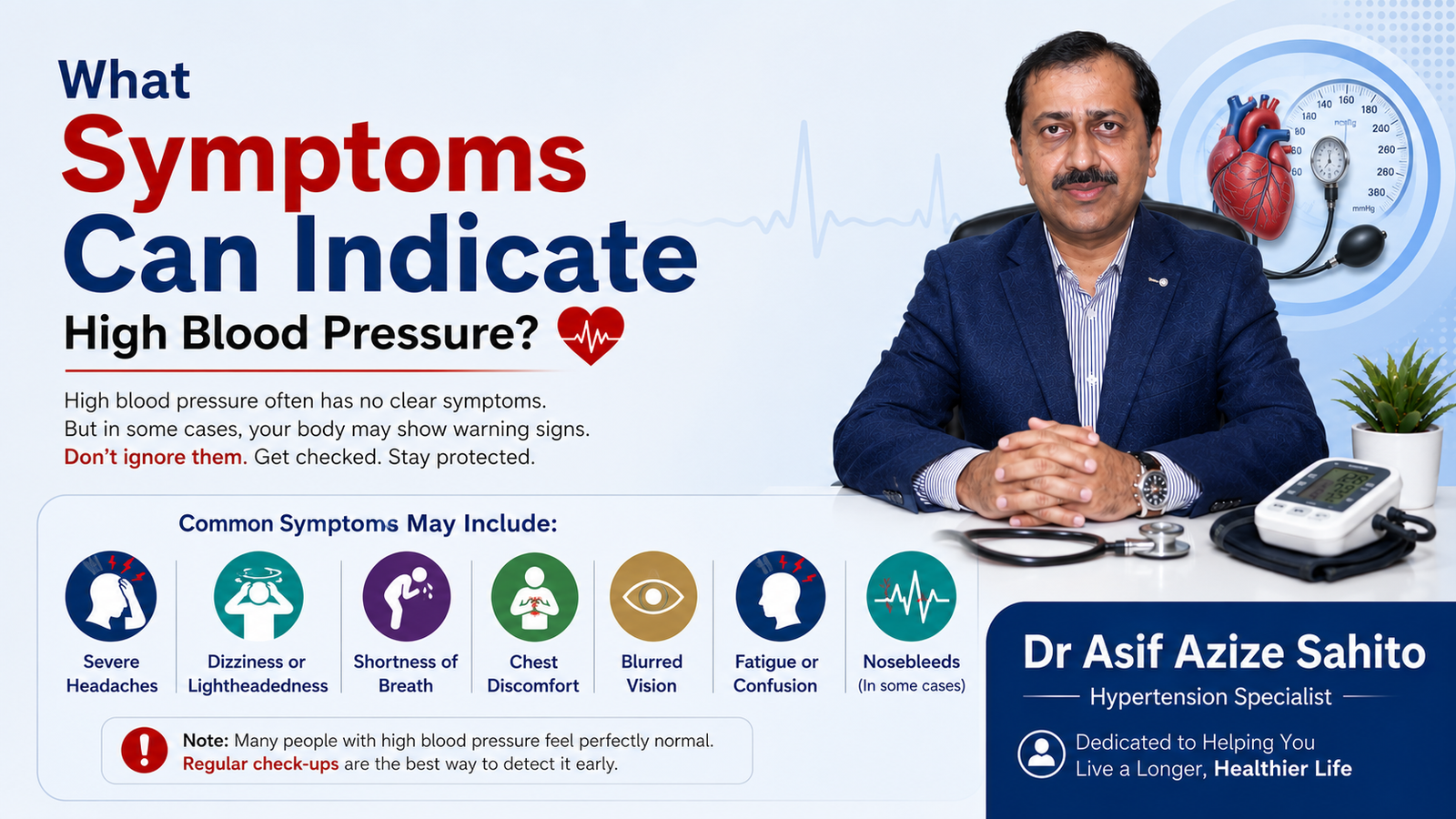
Many people experience no symptoms during the early stages of the condition.
However, some individuals may notice:
These symptoms should never be ignored because they may indicate a developing cardiovascular problem.
Regular monitoring remains the most reliable way to detect high blood pressure early.
Accurate diagnosis is the foundation of effective treatment.
A specialist may perform:
These assessments help determine the severity of the condition and identify possible contributing factors.
A complete evaluation allows physicians to develop a treatment plan that addresses both symptoms and underlying causes.
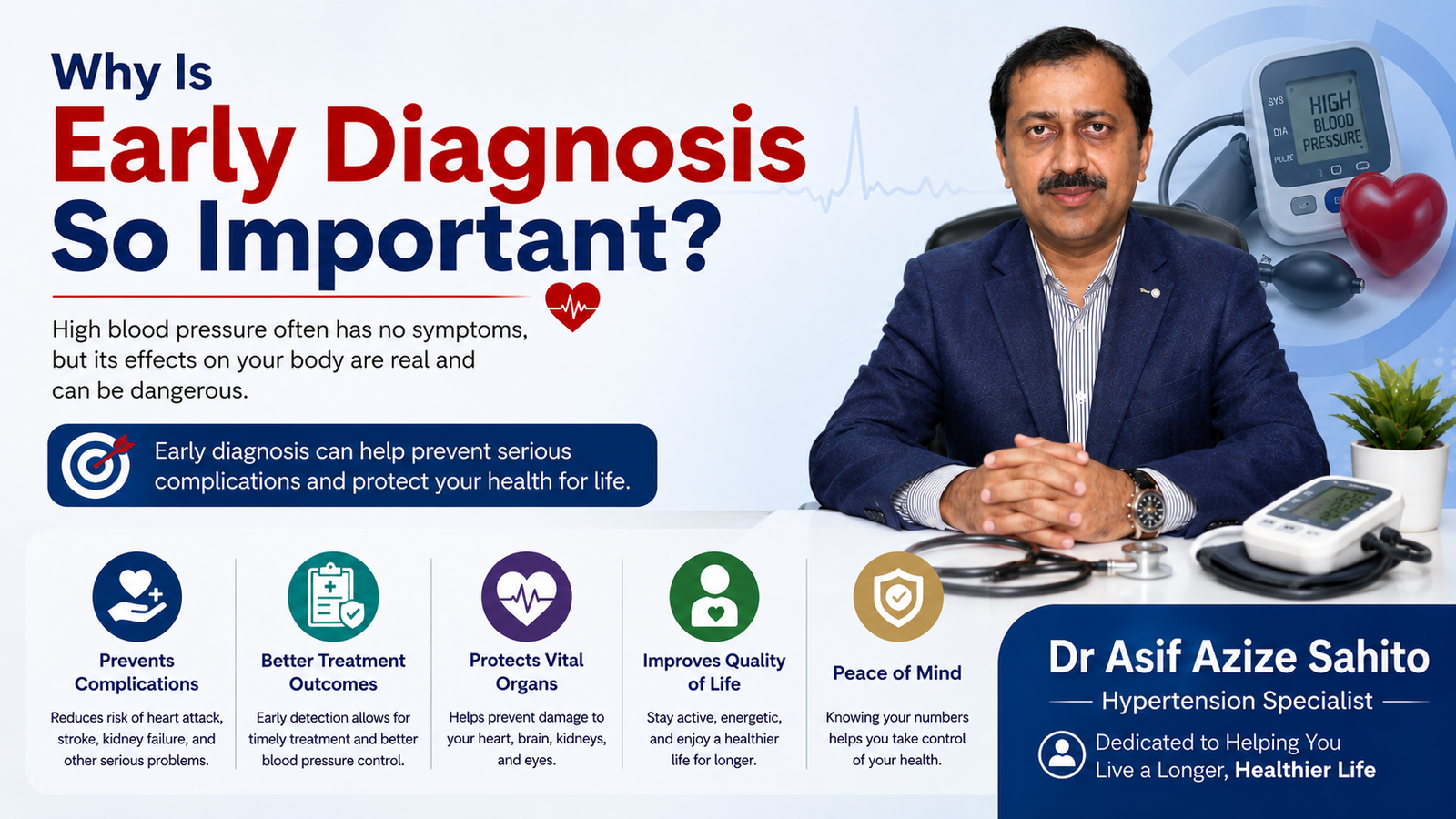
Many serious health conditions begin silently. High blood pressure is one of them.
Early diagnosis offers several advantages:
Patients who receive treatment during the early stages often experience better outcomes compared to those who delay medical care.
Regular health checkups play an important role in early detection.
Managing blood pressure requires more than simply taking medication.
A specialist provides comprehensive care by:
This ongoing supervision helps patients maintain healthier blood pressure levels and reduce future risks.
Many individuals achieve significant improvements when they follow a structured treatment plan.
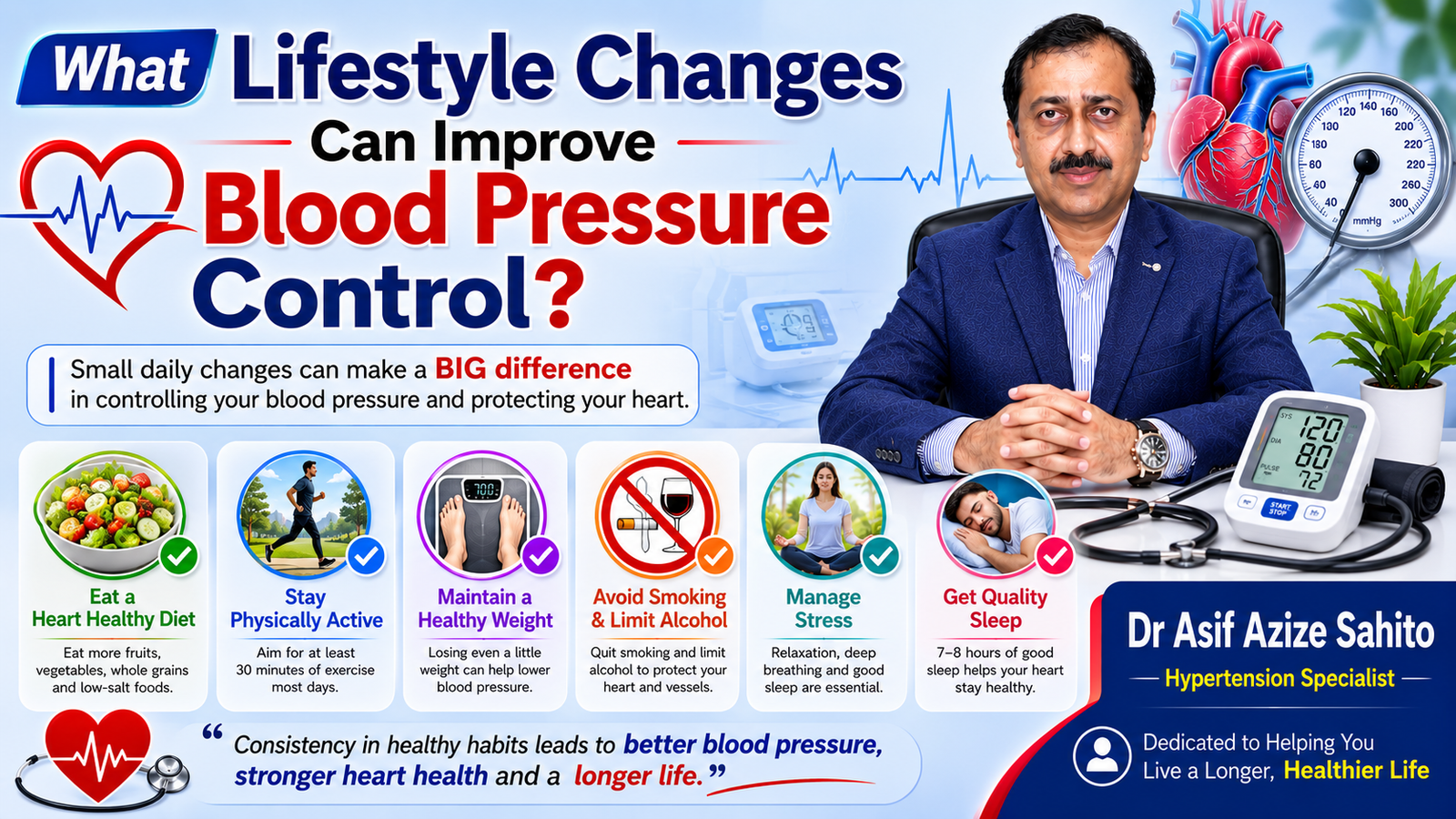
Lifestyle choices have a major impact on cardiovascular health.
Patients are often encouraged to:
These changes can support medical treatment and contribute to better blood pressure control.
Small daily improvements often produce meaningful long-term benefits.
The heart works harder when blood pressure remains elevated for extended periods.
This extra workload can increase the risk of:
Protecting heart health requires consistent blood pressure management and regular medical supervision.
Patients who actively manage their condition often reduce their risk of cardiovascular complications.
Yes, uncontrolled blood pressure can affect several organs throughout the body.
Possible complications include:
Many of these complications develop gradually and may not produce immediate symptoms.
Routine monitoring helps detect changes before permanent damage occurs.
Stress can contribute to temporary increases in blood pressure and may influence long-term cardiovascular health.
People who experience frequent stress often develop unhealthy habits such as poor eating patterns, lack of exercise, or inadequate sleep.
Managing stress through healthy activities can support overall health and improve treatment outcomes.
Common strategies include:
Reducing stress supports both physical and emotional wellbeing.
You should seek professional medical advice if you experience:
Early consultation allows specialists to evaluate your condition and recommend appropriate treatment before complications develop.
Prompt action often leads to better health outcomes.
Maintaining healthy blood pressure levels helps individuals remain active, productive, and independent.
Patients who manage their condition effectively often experience:
Long term health depends on consistent care, healthy habits, and professional medical guidance.
A hypertension specialist diagnoses, treats, and manages high blood pressure. They create personalized treatment plans, monitor progress, and help prevent complications related to heart, kidney, and blood vessel health.
You should consult a hypertension specialist if you have consistently high blood pressure readings, frequent headaches, dizziness, chest discomfort, or a family history of hypertension.
Yes, uncontrolled high blood pressure can increase the risk of heart disease, stroke, kidney damage, vision problems, and other serious health complications if left untreated.
You can support healthy blood pressure levels by eating a balanced diet, reducing salt intake, exercising regularly, maintaining a healthy weight, managing stress, and avoiding smoking.
Early diagnosis allows doctors to start treatment before serious complications develop. It helps protect vital organs, improve long term health, and reduce the risk of cardiovascular disease.
Choosing a hypertension specialist can be one of the most important decisions for your cardiovascular health.
High blood pressure may seem harmless during its early stages, but it can lead to serious complications when left untreated.
Professional diagnosis, regular monitoring, personalized treatment, and healthy lifestyle choices can help protect your heart, kidneys, brain, and overall wellbeing.
If you want to reduce health risks and enjoy a healthier future, consulting a qualified hypertension specialist is a smart and responsible step toward long term wellness.