Subtotal $0.00


Medova is a convenience services to the adaptability, Spacious modern villa living room with centrally placed swimming pool blending indooroutdoor
Medova is a convenience services to the adaptability, Spacious modern villa living room with centrally placed swimming pool blending indooroutdoor
Breathing problems can create fear in anyone. When symptoms like cough, chest pain, and fever appear, many people start to worry about serious lung diseases.
One common question that creates confusion is this: Does tuberculosis cause pneumonia? People often mix these two conditions because their symptoms can look very similar.
This confusion leads to delayed treatment, wrong medication, and sometimes serious complications. Many patients ignore early signs or assume it is just a minor infection.
As a result, their condition becomes worse over time. Knowing the difference and connection between these diseases is very important for your health.
In this article, we will clearly explain whether tuberculosis causes pneumonia, how both conditions are related, and what steps you should take to stay safe.
Everything will be explained in simple language so you can make the right decisions without confusion.
Tuberculosis is a bacterial infection that mainly affects the lungs. It spreads through the air when an infected person coughs or sneezes.
This disease develops slowly and can stay in the body for a long time without strong symptoms.
It damages lung tissue and weakens the immune response. Over time, it can create serious breathing problems if not treated properly.
Many people ignore early signs such as mild cough and fatigue, which allows the infection to grow.
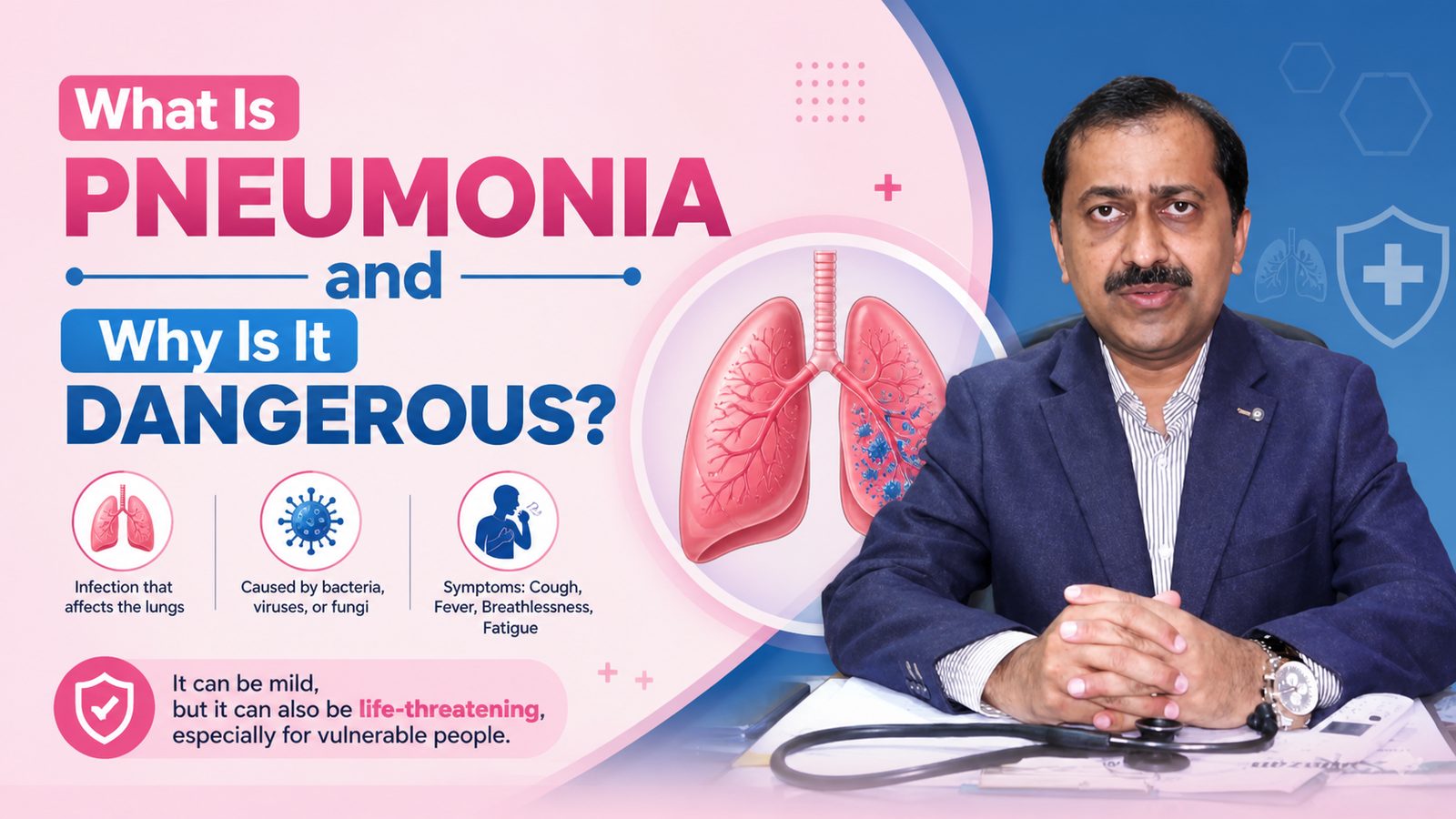
Pneumonia is an infection that causes inflammation in the air sacs of the lungs. These air sacs can fill with fluid, making it hard to breathe.
This condition can develop quickly and may become severe, especially in children, elderly people, and those with weak immunity. Pneumonia can be caused by bacteria, viruses, or fungi.
The question does tuberculosis causes pneumonia is important. After all, it helps clear a common misunderstanding. Tuberculosis does not directly cause pneumonia, but it can lead to similar lung infections or complications that resemble pneumonia.
Both diseases affect the lungs, but they are caused by different types of bacteria. However, a person with tuberculosis may develop secondary infections, including pneumonia, due to a weakened immune system.
Tuberculosis weakens the lungs over time. This makes it easier for other infections to attack the body. In such cases, pneumonia can develop as a secondary condition.
This connection is why doctors carefully examine patients with lung symptoms. They need to identify whether the issue is tuberculosis, pneumonia, or both.
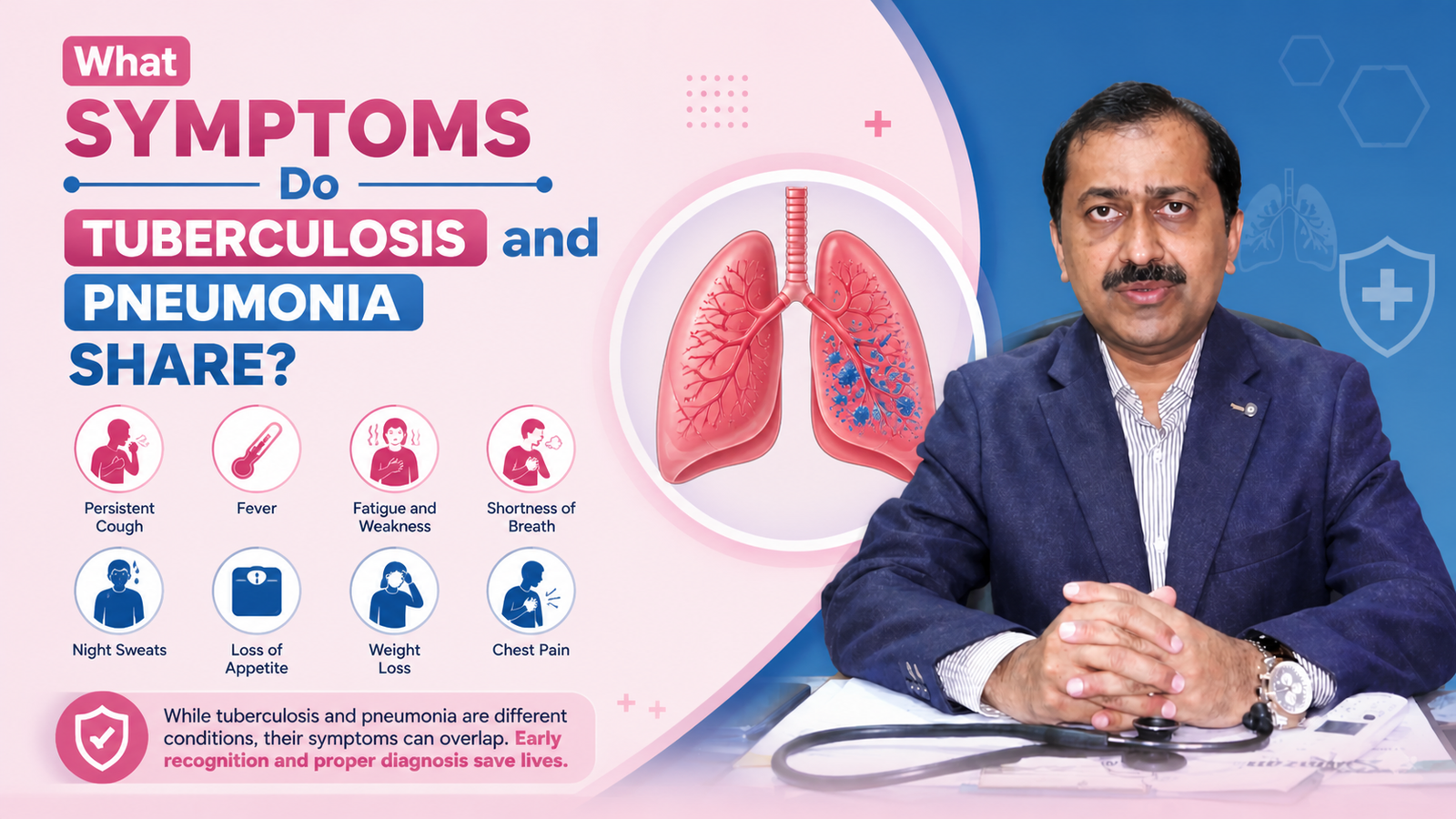
Both conditions share several symptoms, which is why people often get confused.
Common symptoms include persistent cough, chest pain, fever, and difficulty breathing. Fatigue and weight loss can also occur in both conditions.
However, tuberculosis symptoms usually develop slowly, while pneumonia symptoms can appear suddenly and become severe quickly.
Doctors use medical tests to confirm the diagnosis. Chest imaging, blood tests, and sputum analysis help identify the exact condition.
Tuberculosis often shows long-term lung damage, while pneumonia appears as a sudden infection. Proper diagnosis is important because treatment for both conditions is different.
Tuberculosis is caused by a specific bacterium called Mycobacterium tuberculosis. It spreads through airborne droplets.
Pneumonia, on the other hand, can be caused by different organisms, including bacteria and viruses. Environmental factors, weak immunity, and existing lung conditions increase the risk of pneumonia.
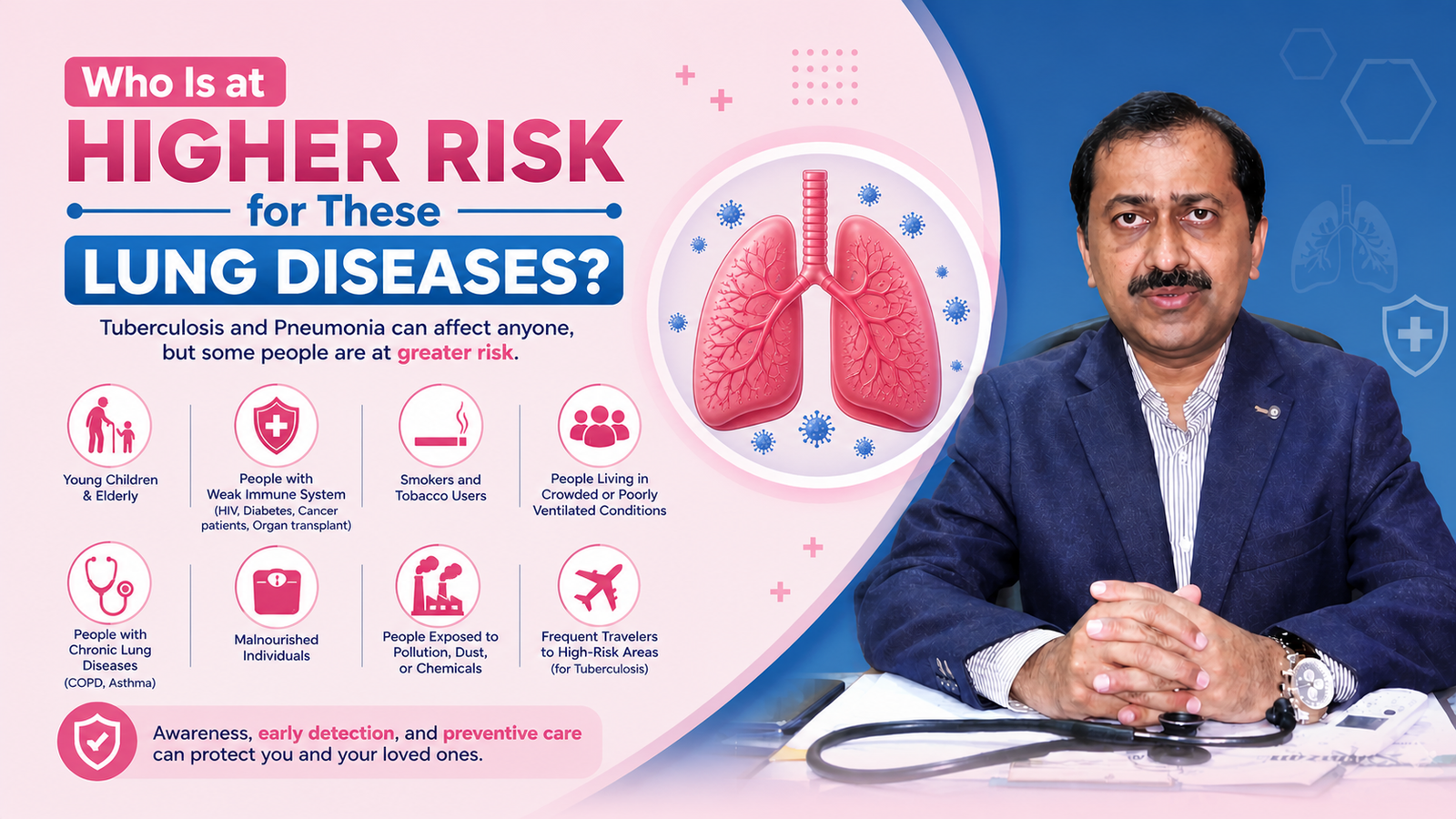
People with weak immune systems are at higher risk. This includes elderly individuals, smokers, and those with chronic illnesses.
Living in crowded areas or poor conditions also increases the chances of infection. Early awareness can help reduce the risk.
Tuberculosis requires long-term antibiotic treatment. Patients must complete the full course of medication to avoid complications.
Pneumonia treatment depends on the cause. Doctors may prescribe antibiotics, antiviral medicines, or supportive care such as oxygen therapy.
Early treatment improves recovery and reduces the risk of serious damage.
Yes, untreated tuberculosis can cause permanent lung damage. It can also increase the risk of other infections, including pneumonia.
This is why early diagnosis and proper treatment are very important. Ignoring symptoms can lead to life-threatening conditions.
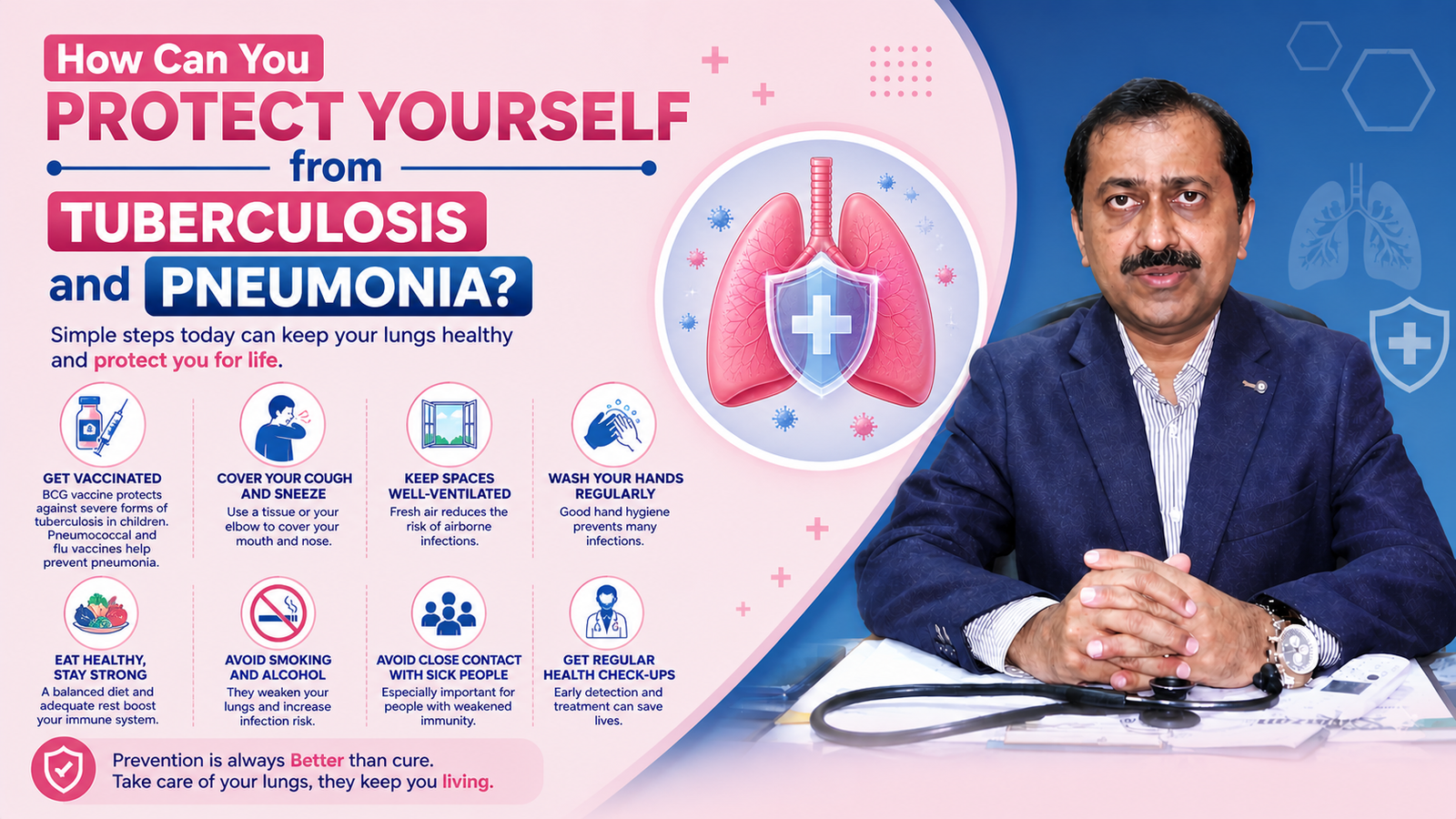
Maintaining good hygiene and avoiding close contact with infected individuals can reduce the risk. Vaccination also plays a role in prevention.
A healthy lifestyle strengthens the immune system and helps the body fight infections effectively.
You should consult a doctor if you have a persistent cough, chest pain, or fever that does not improve. Difficulty breathing is also a serious warning sign.
Early medical attention can prevent complications and ensure proper treatment.
No, tuberculosis does not directly cause pneumonia, but it can weaken the lungs and increase the risk of developing pneumonia.
Yes, it is possible to have both conditions, especially if the immune system is weak.
Tuberculosis develops slowly and is caused by a specific bacterium, while pneumonia develops quickly and can have multiple causes.
Both can be serious if untreated. Tuberculosis is long-term, while pneumonia can become severe quickly.
You can reduce risk by maintaining hygiene, getting vaccinated, avoiding smoking, and seeking early medical care for symptoms.
The question does tuberculosis causes pneumonia highlights an important concern about lung health.
While tuberculosis does not directly cause pneumonia, it can weaken the lungs and increase the risk of secondary infections.
Understanding the difference between these conditions helps you take timely action. With early diagnosis, proper treatment, and preventive measures, you can protect your lungs and maintain good health.
Always seek medical advice if you notice unusual symptoms, because early care can make a life-saving difference.