Subtotal $0.00


Medova is a convenience services to the adaptability, Spacious modern villa living room with centrally placed swimming pool blending indooroutdoor
Medova is a convenience services to the adaptability, Spacious modern villa living room with centrally placed swimming pool blending indooroutdoor
Have you ever experienced recurrent fatigue, lack of appetite, or unexplained weakness in your body and ignored it? So, most individuals ignore the initial signs until the disease silently destroys their liver.
Liver infections tend to develop without obvious symptoms. When the symptoms become severe, there is a high possibility that the condition has done severe damage.
Two of the most threatening viral diseases are hepatitis B and C that have been causing disease to millions of individuals across the globe. There are a lot of people who live their whole life unaware that they have the virus.
As the infection progressively destroys the liver cells, they will retain their daily life. This silent development instills fear, confusion, and emotional stress after diagnosis.
In this comprehensive guide, you will get to know what these infections are, how they are transmitted, what to look out for, how they are diagnosed, and what treatment can be administered. You will also find workable measures that you can take to secure yourself and your family.
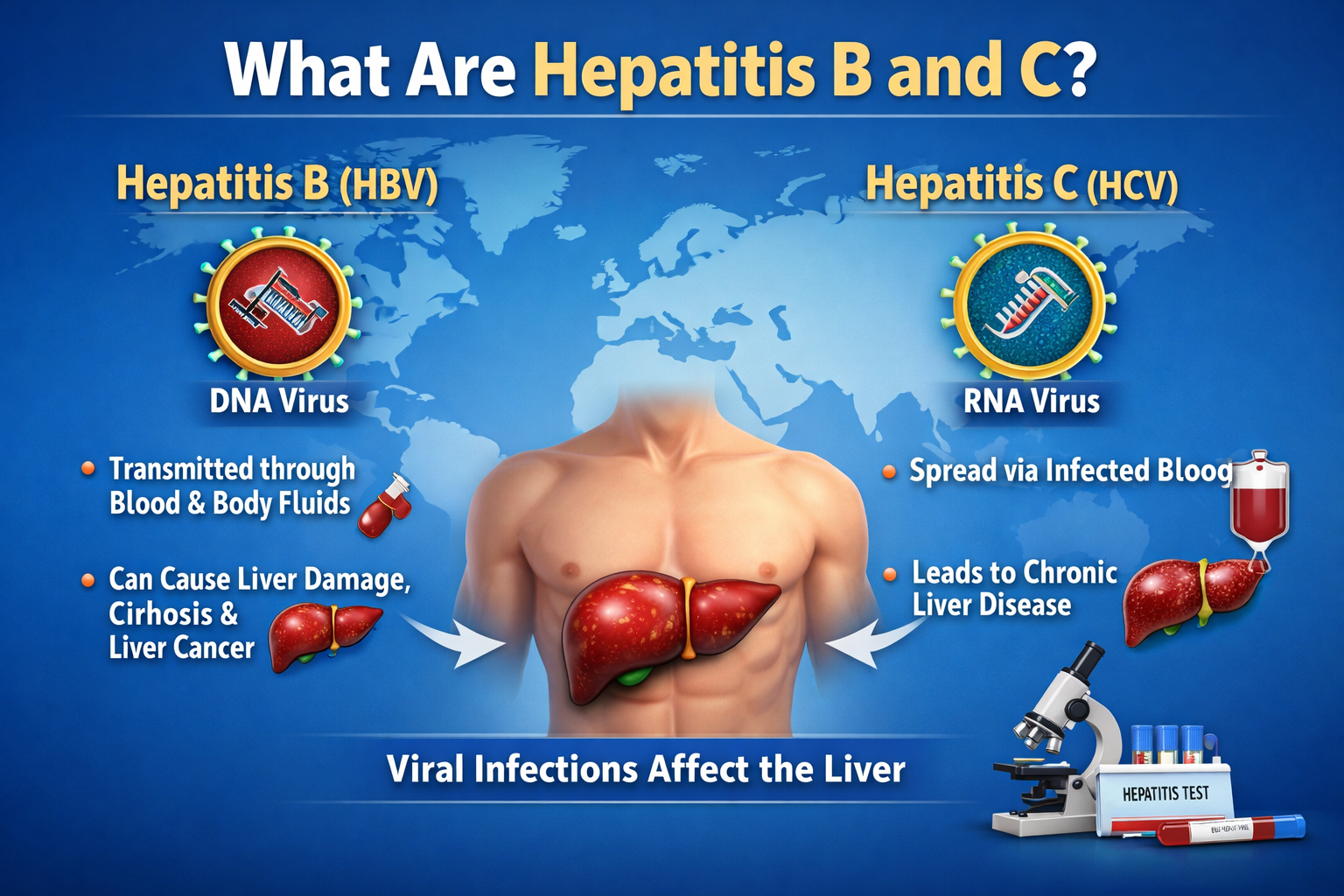
Hepatitis B and C are viral diseases that invade the liver. The liver is very important in the process of toxin filtration, nutrient processing, and digestion.
Infection of the liver by viruses causes inflammation. Later, when untreated, this inflammation may cause cirrhosis, liver failure, or liver cancer.
Both infections are commonly transmitted as a result of contact with infected blood and body fluids. They, however, vary in terms of modes of transmission, progression, and response to treatment.
The Hepatitis B infection is prone to spreading between mother and child at birth, unprotected contact, or sharing of contaminated needles.
Hepatitis C is usually transmitted via blood infection,n particularly unsafe medical practices, or sharing of injection equipment.
The early recognition is used to minimize risk, and it prevents any serious complications.
Knowledge of risk factors can be used to prevent them early.
Using non sterile medical equipment, sharing needles, or receiving contaminated blood transfusions in the past will put one at risk of infection.
In case of failure to sterilize surgical instruments or dental appliances, they will be able to carry viruses.
A mother with the virus can transmit the virus to her baby during childbirth.
Risk is increased with direct contact with infected body fluids.
People with low immune response against diseases might experience accelerated diseases.
Through awareness of these risks, there is timely testing and prevention.
Hepatitis B and C have mild or no symptoms during the initial phases. This is why screening is rather important.
In case you have these symptoms, visit a healthcare provider as soon as possiThere are a number of ways through which doctors diagnose Hepatitis B and C.
Liver function and blood test to reveal viral markers. Infection is confirmed by these tests, and the severity is also defined.
This test is used to determine the infection of the virus in the bloodstream. It assists physicians in treatment planning.
Such tests measure the destruction and inflammation of the liver.
In cases of liver conditions, ultrasound can be used to determine the condition.
Early diagnosis can be managed better, and complications are minimized.
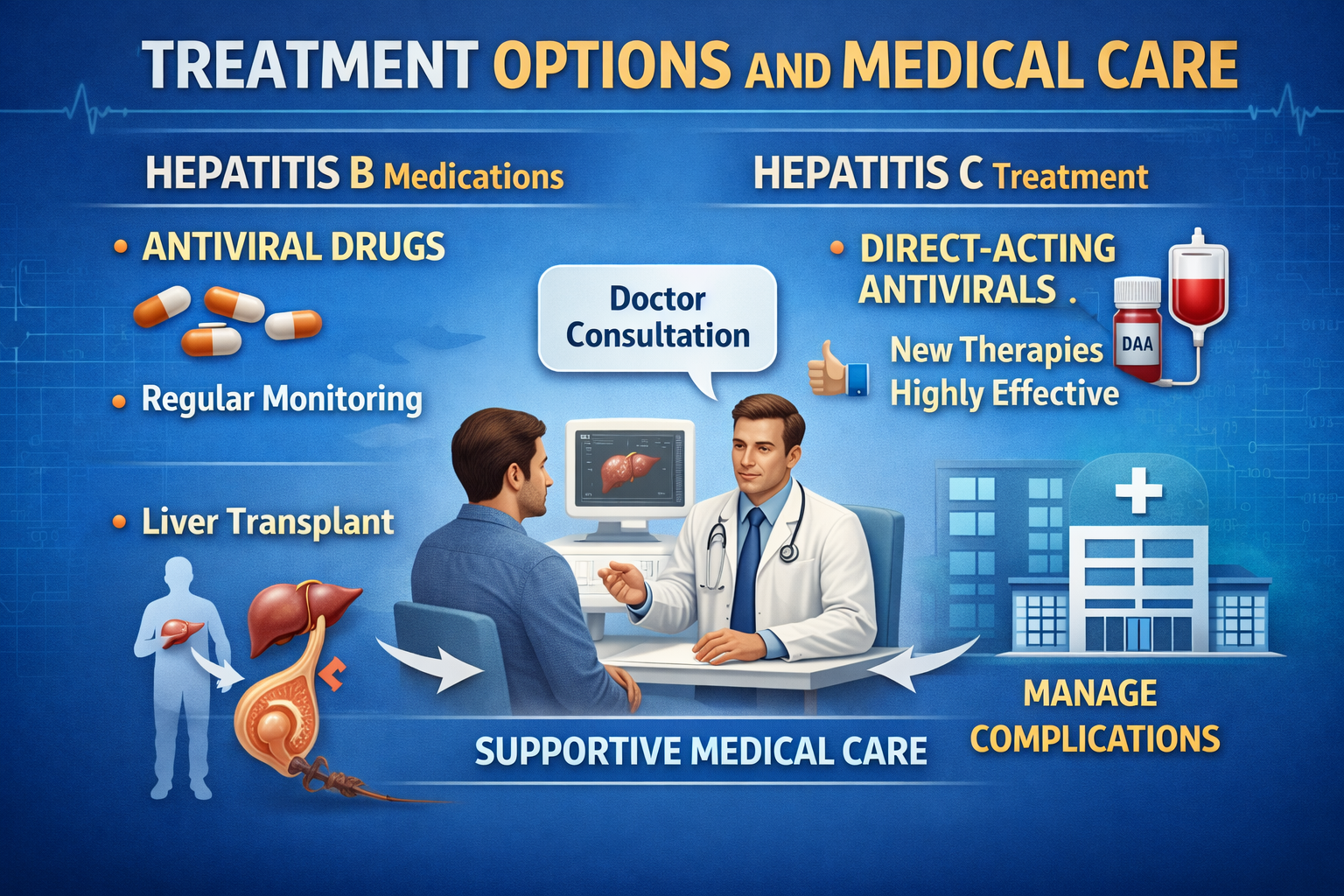
Modern medicine has enhanced the results of treatment.
Antiviral medications are used in the treatment of viral infections by doctors. In the case of Hepatitis C, highly developed treatments may rid a patient of the virus altogether.
Blood tests monitor liver condition and response to treatment.
Lifestyle Management
Avoid alcohol consumption.
Eat healthy with a lot of fruits and vegetables.
Knowledge Move regularly to assist liver functioning.
Vaccination
Hepatitis B: There is a vaccine against Hepatitis B. It offers effective security. At this point, there is no vaccine available against Hepatitis C, and therefore, prevention is the key.
Strict adherence to medical advice enhances a long term outcome.
Uninfected disease may cause severe health complications:
The ability to be infected chronically heightens emotional stress and financial strain. These risks can be minimized by early intervention.
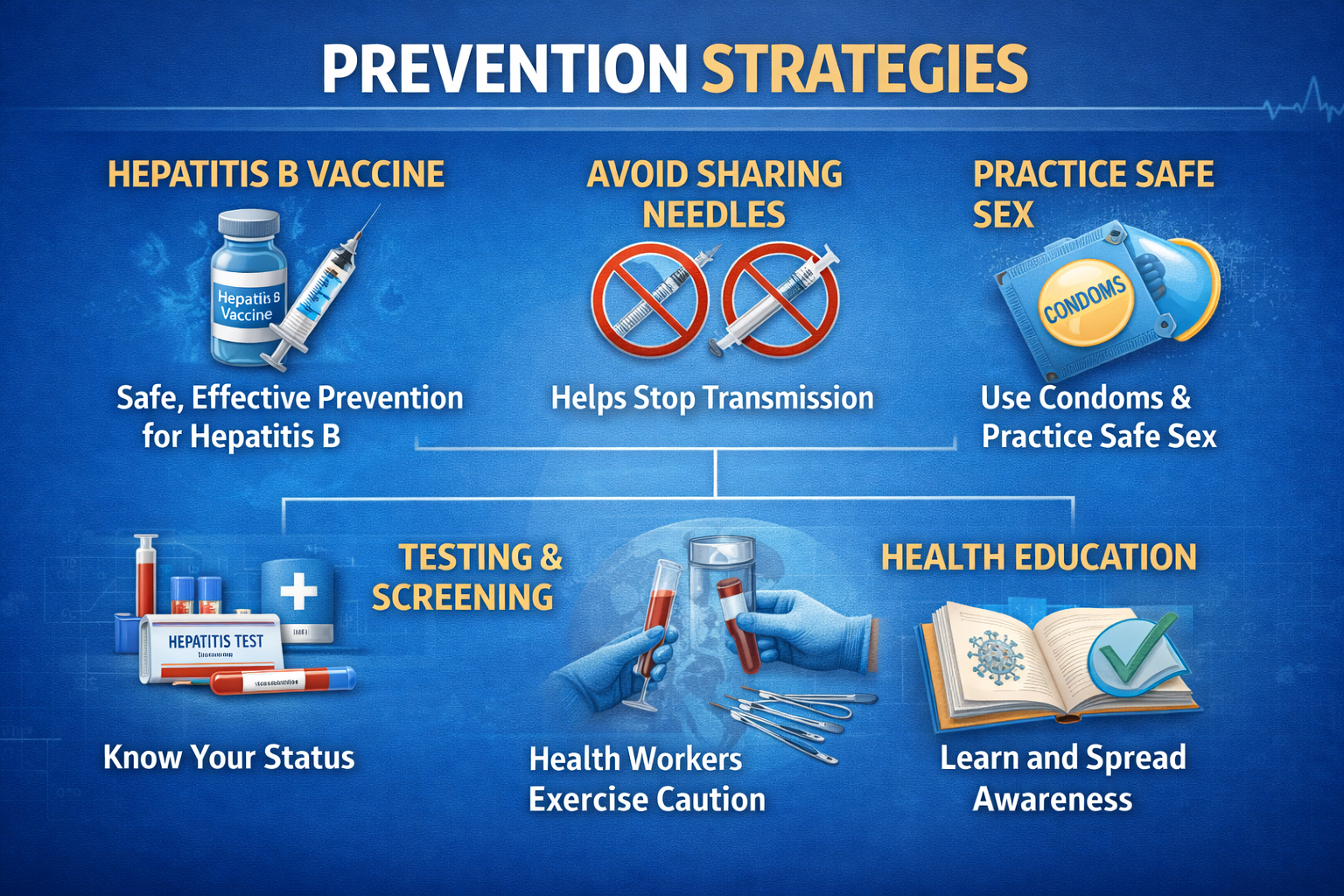
Prevention safeguards populations and people.
These measures will minimize the transmission of the infection and safeguard the future generation.
Chronic liver infection may be an anxiety-inducing and socially isolating condition. Numerous patients are afraid of being discriminated against and misunderstood.
Emotional burden is decreased through open communication with family members and healthcare providers. The support groups promote the exchange of experiences and coping strategies among the patients as well.
Mental health care is a significant aspect of the general recovery.
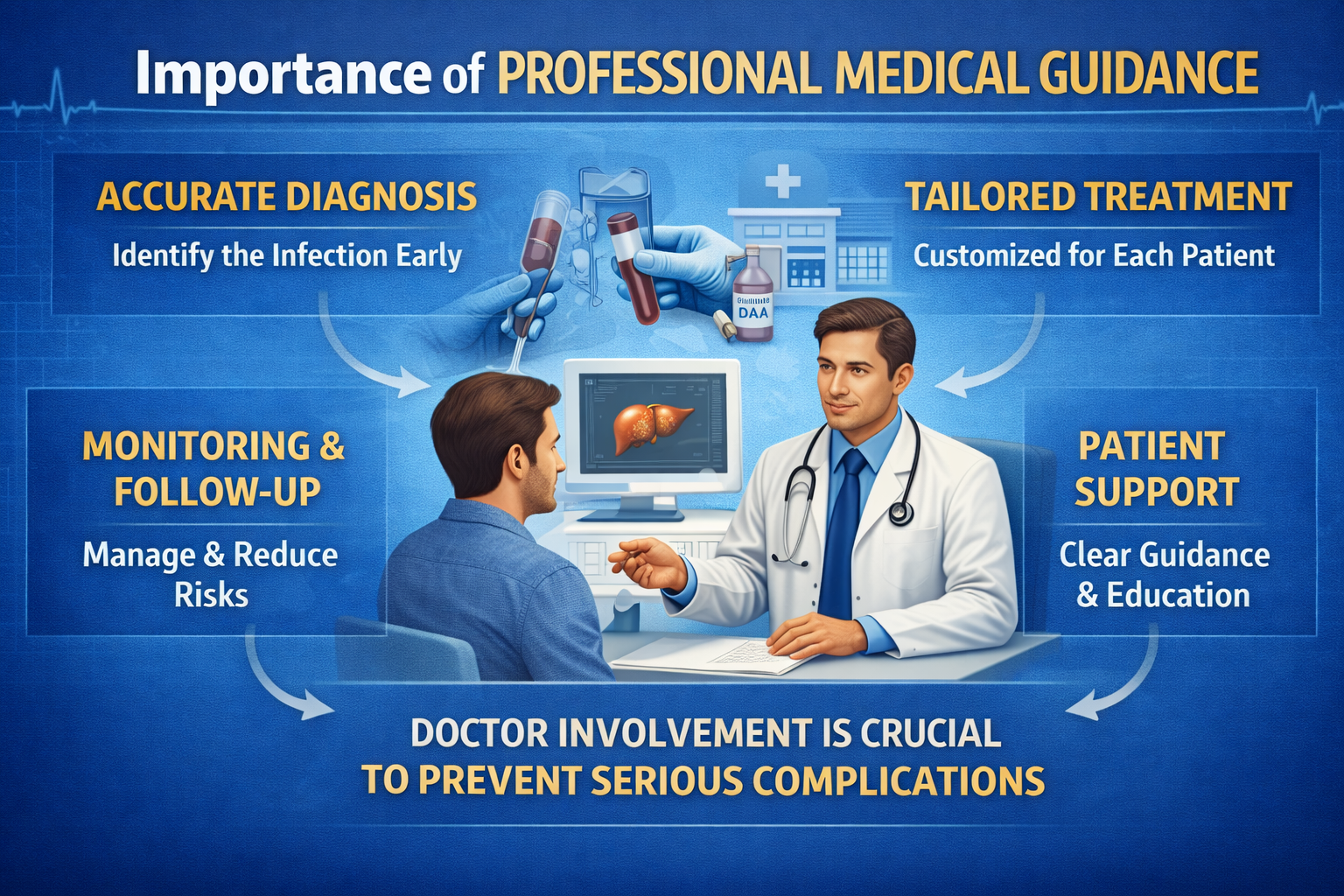
Self medication or use of faulty information may aggravate the situation. Individual assessment of patients is necessary.
Assessment of viral type, hepatitis, and general health is done by qualified doctors, and then treatment is recommended. Safety and effectiveness are guaranteed when one follows professional guidance.
Follow-up enhances long-term liver health, and complications are prevented.
In case one of the family members has been infected:
Promote immunization against Hepatitis B.
Sharing of personal hygiene.
Take precautions prescribed by doctors.
Help with emotional well-being.
Fear and stigma are minimized by compassion and awareness.
Persistent liver disorders involve regular check-ups.
Eat well-balanced food.
Do not use alcohol and other destructive substances.
It should adhere to medication regimes.
Have regular checkups in the medical department.
Long-term care enhances life expectancy and quality of life.
Hepatitis B and C are liver viral infections. They may bring mild sickness initially, but without treatment, they may cause severe liver damage.
They are transmitted by contaminated blood. There are also ways of hepatitis B being transmitted during unrestricted sex and between mother and child during birth.
Symptoms can also present early in life, such as fatigue, nausea, pain in the abdomen, dark urine, loss of appetite,e and yellow eyes or skin.
Hepatitis C is frequently treated via the modern use of antivirals. Hepatitis B is treatable using medicine, although others might require monitoring.
One safe and effective vaccine exists that prevents Hepatitis B. No vaccine exists yet against Hepatitis C.
Individuals with previous blood transfusions, who share needles, have more than one sexual partner, and those who are pregnant should be tested.
Can Hepatitis B and C cause liver cancer?
Yes, both infections, untreated, can increase the risk of liver cirrhosis and liver cancer.
Protection can be achieved by immunizing yourself against Hepatitis B, not sharing needles, safe medical practice, and safe sex
Yes, as long as you do not come into contact with the infected blood and practice common hygiene precautions.
Early diagnosis enables early treatment, a decrease in complications, and an increase in the long-term health of the liver.
Hepatitis B and C are severe viral diseases that have the potential to damage the liver over a long period without showing symptoms.
Early diagnosis, quality medical treatment, immunization, and healthy lifestyle options are crucial in prevention and treatment.
Symptoms are not to be overlooked, and screening should not be postponed in case of falling into a high-risk group. Consult health care providers and go through a planned care plan.
By being informed and acting early enough, you can safeguard your liver’s well-being and ensure a safer future for yourself and your family.